Adipic Acid impurities and related standards
Six-carbon dicarboxylic acids are bulk chemistry rather than medicine, and adipic acid, hexanedioic acid, shows how impurity work on such a substance differs from drug-impurity work. It is a key aliphatic dicarboxylic acid by volume, used mainly as the nylon 6,6 monomer paired with hexanediamine, and it also goes into polyesters, polyurethanes, lubricants and plasticisers, with a smaller use as a gelling agent for flavourings in food. The impurity profile is dominated by the oxidation route. The dominant manufacturing method is nitric acid oxidation of KA oil, the cyclohexanol and cyclohexanone mixture obtained from cyclohexane, and that chemistry carries two consequences: by-products of the homologous dicarboxylic acids glutaric and succinic acid, close enough in structure to make purification the hard part, and nitrate-derived nitrogen species plus water in the crude material. Colour and trace metals are also practical specifications for a bulk acid. Because the molecule has no useful chromophore, assay is usually a titration or a chromatographic determination. The ICH Q3A/Q3B impurity framework is the frame a specification is written against where a pharmaceutical use is claimed, while a bulk industrial grade is normally specified against the monograph of the relevant pharmacopoeia. A buyer should ask which of the two applies, what the water content and assay basis are, and whether the standard suits a limit test or identity confirmation alone.
61 reference standards related to Adipic Acid held in the RSSE catalogue — pharmacopoeial impurities, non-compendial impurities, metabolites and labelled analogues where available.
In this group: 51 impurity reference standards · 5 fine chemicals · 3 stable isotope labelled standards · 2 general reference standards. CAS numbers are listed for 61 of 61; 61 entries carry a structure drawing.
On this page
61 reference standards
All entries — structure, identifiers and pack sizes
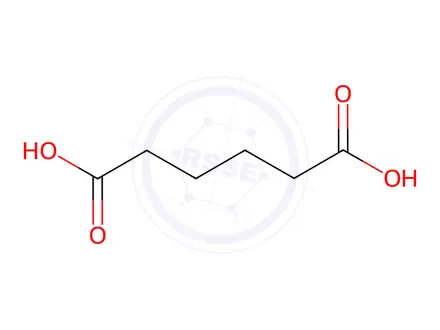
Adipic Acid
IN STOCKRS-I004015
Adipic acid bis[2,2-bis(hydroxymethyl)propyl] ester
BACK ORDERRS-A078053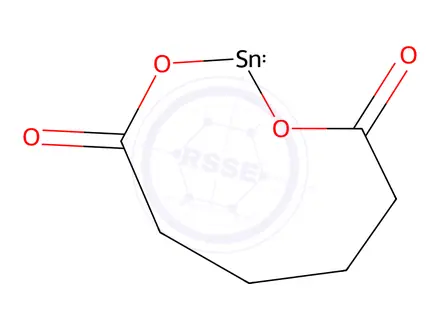
Adipic acid tin(II) salt
CUSTOM SYNTHESISRS-A078054
ADIPIC ACID, [1,6-14C]
IN STOCKRS-A078065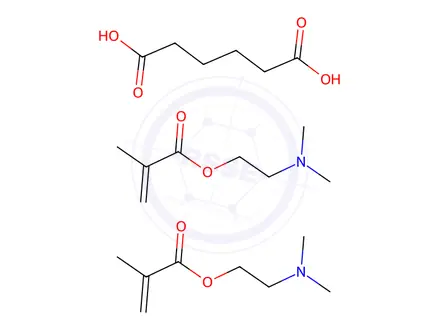
adipic acid, compound with 2-(dimethylamino)ethyl methacrylate (1:2)
BACK ORDERRS-A078059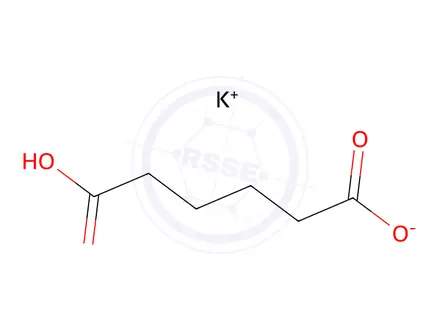
adipic acid, potassium salt
CUSTOM SYNTHESISRS-Z401GFK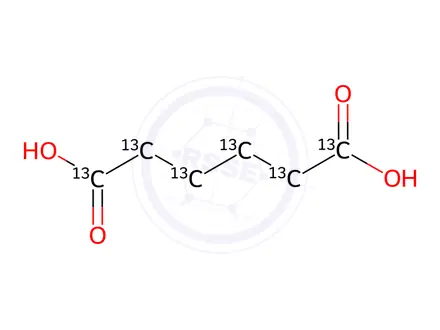
Adipic Acid-13C6
IN STOCKRS-A078052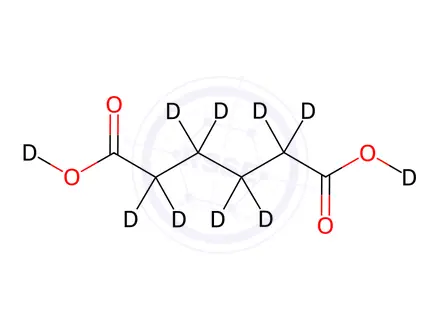
Adipic Acid-D8
IN STOCKRS-A078042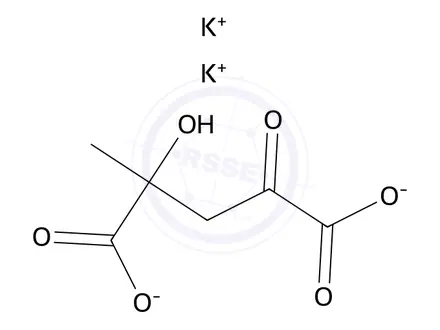
potassium 2-hydroxy-2-methyl-4-oxopentanedioate
CUSTOM SYNTHESISRS-Z401IDT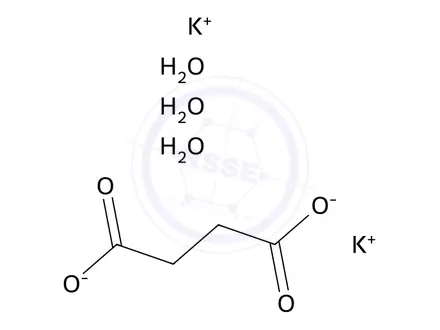
Potassiumsuccinatetrihydrate
IN STOCKRS-U041833
Adipic Acid Impurity 1
IN STOCKRS-A078002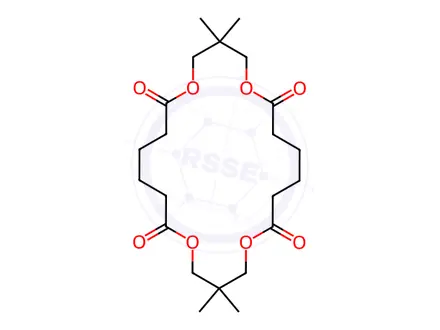
Adipic Acid Impurity 4
CUSTOM SYNTHESISRS-A078003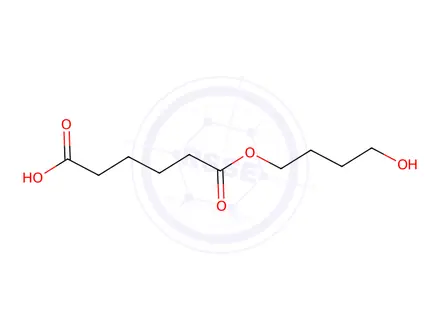
Adipic Acid Impurity 6
IN STOCKRS-A078001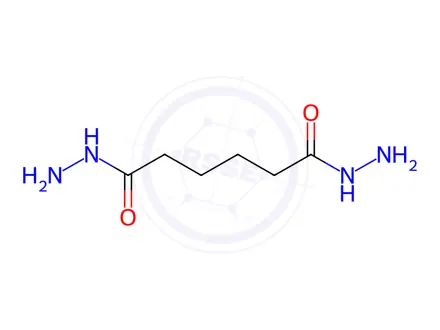
Adipic Acid Impurity 8
IN STOCKRS-A078006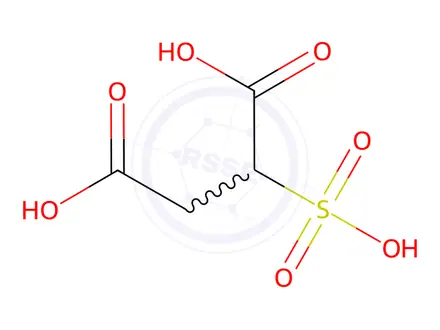
Adipic Acid Impurity 11
CUSTOM SYNTHESISRS-A078017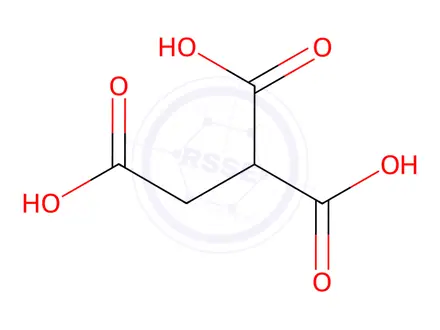
Adipic Acid Impurity 13
IN STOCKRS-A078039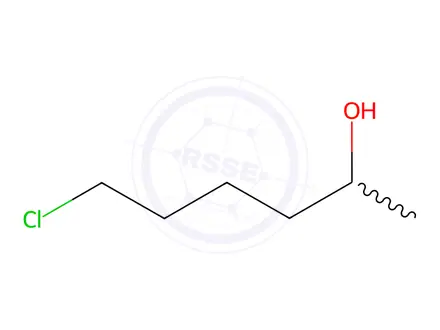
Adipic Acid Impurity 14
IN STOCKRS-A078013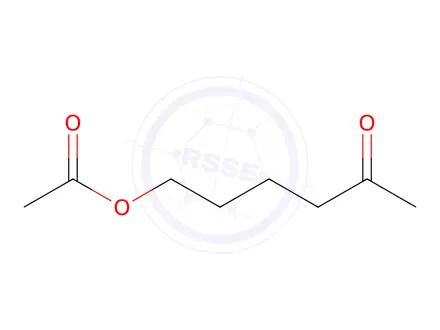
Adipic Acid Impurity 15
IN STOCKRS-A078058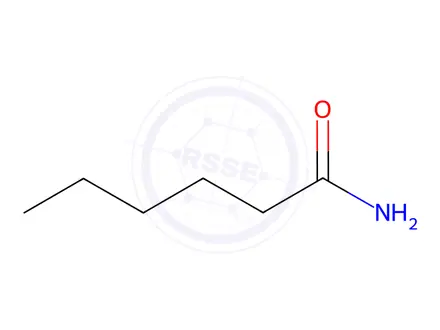
Adipic Acid Impurity 21
CUSTOM SYNTHESISRS-A078018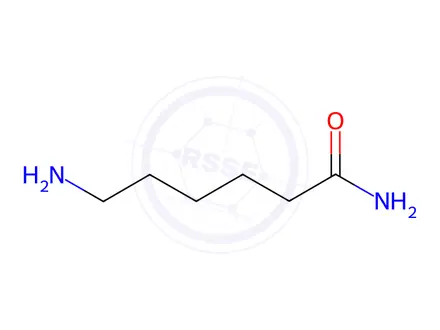
Adipic Acid Impurity 22
IN STOCKRS-A078035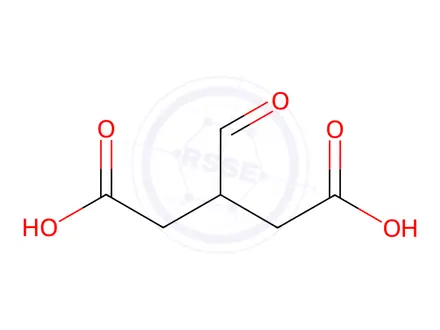
Adipic Acid Impurity 23
IN STOCKRS-A078007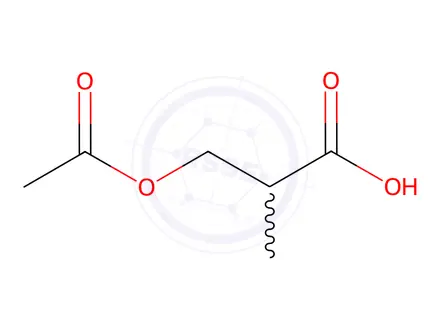
Adipic Acid Impurity 24
IN STOCKRS-A078043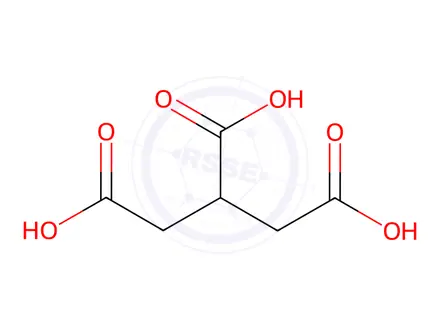
Adipic Acid Impurity 26
IN STOCKRS-A078021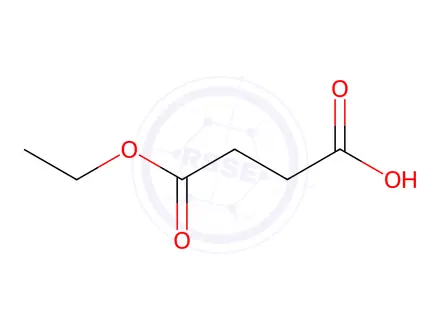
Adipic Acid Impurity 28
IN STOCKRS-A078005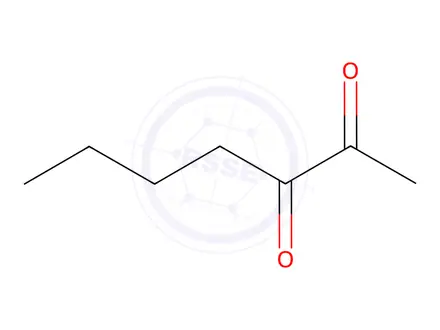
Adipic Acid Impurity 33
IN STOCKRS-A078020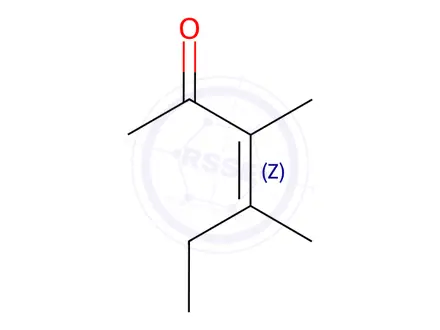
Adipic Acid Impurity 34
IN STOCKRS-A078016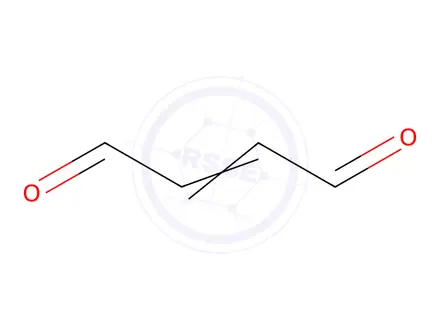
Adipic Acid Impurity 38
IN STOCKRS-A078032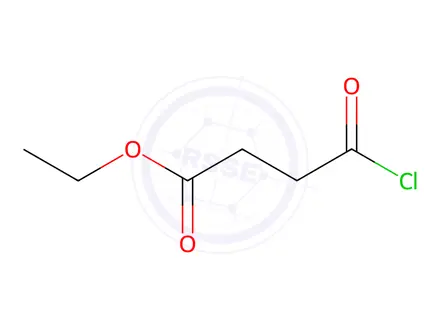
Adipic Acid Impurity 39
CUSTOM SYNTHESISRS-A078026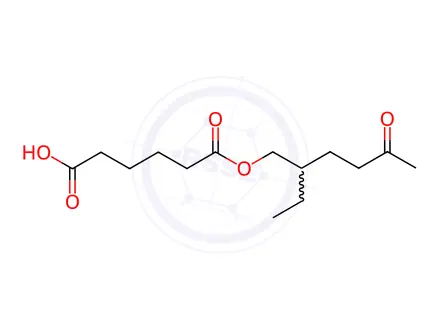
Adipic Acid Impurity 40
CUSTOM SYNTHESISRS-A078009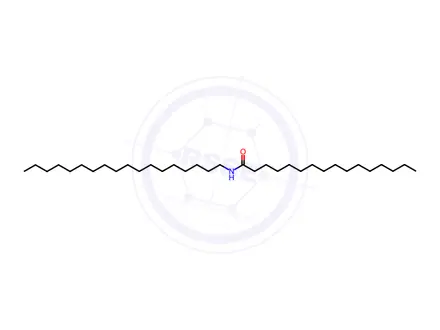
Adipic Acid Impurity 43
BACK ORDERRS-A078008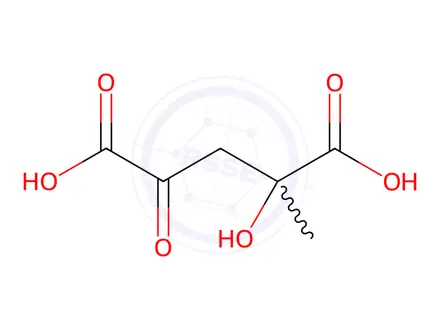
Adipic Acid Impurity 44
IN STOCKRS-A078014
Adipic Acid Impurity 44 Sodium Salt
IN STOCKRS-A078033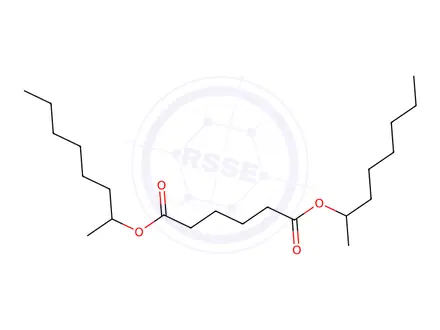
Adipic Acid Impurity 45
IN STOCKRS-Z393SC3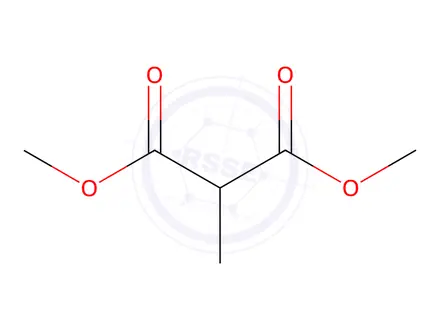
Adipic Acid Impurity 46
IN STOCKRS-A078044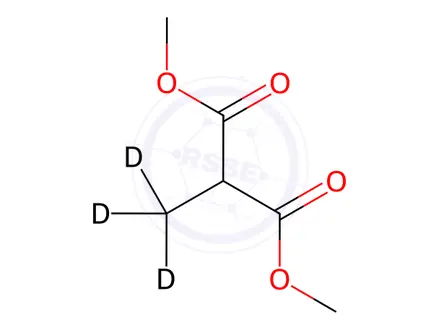
Adipic Acid Impurity 46-d3
CUSTOM SYNTHESISRS-A078045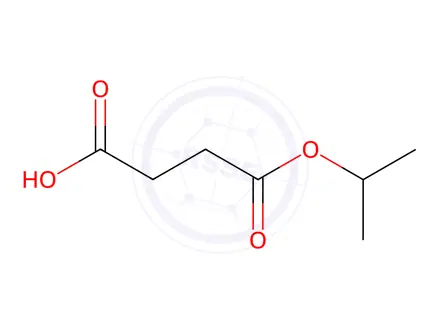
Adipic Acid Impurity 47
IN STOCKRS-A078028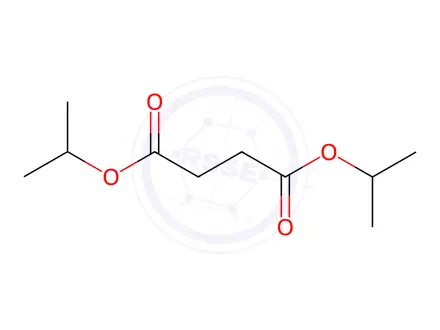
Adipic Acid Impurity 48
IN STOCKRS-A078040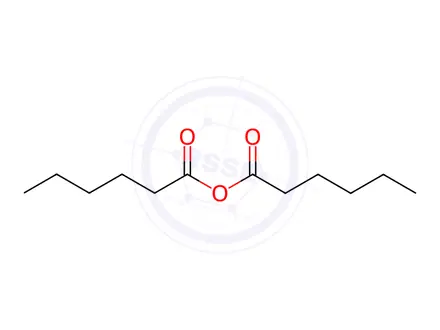
Adipic Acid Impurity 49
IN STOCKRS-A078029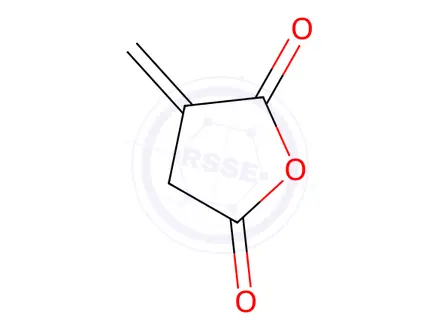
Adipic Acid Impurity 50
IN STOCKRS-A078030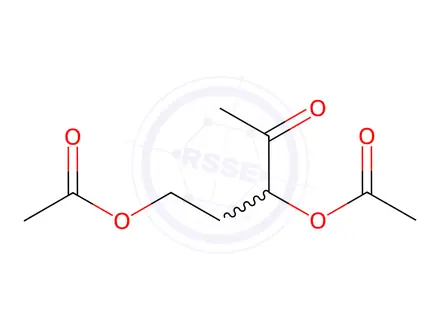
Adipic Acid Impurity 52
IN STOCKRS-A078031
Adipic Acid Impurity 53
CUSTOM SYNTHESISRS-A078034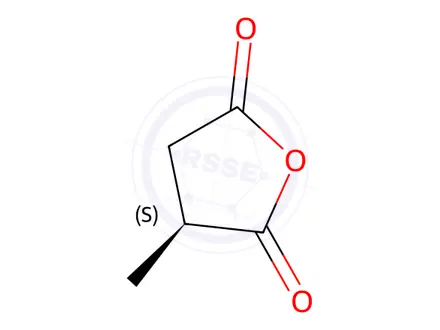
Adipic Acid Impurity 54
CUSTOM SYNTHESISRS-A078037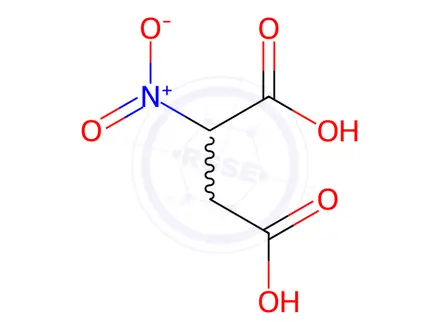
Adipic Acid Impurity 55
CUSTOM SYNTHESISRS-A078046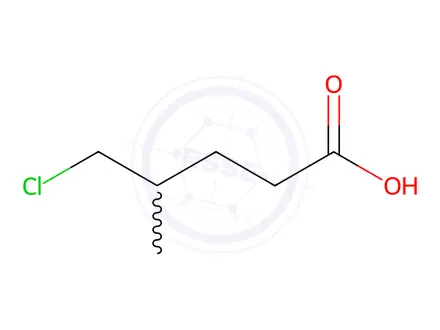
Adipic Acid Impurity 57
IN STOCKRS-A078027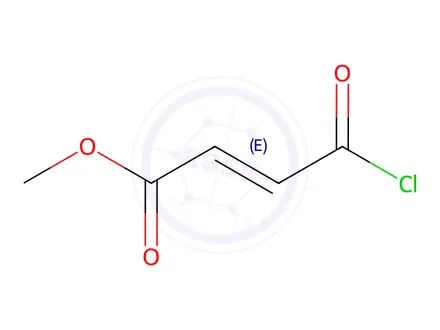
Adipic Acid Impurity 58
IN STOCKRS-A078047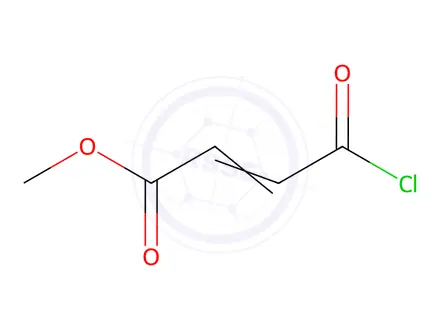
Adipic Acid Impurity 59
IN STOCKRS-A078048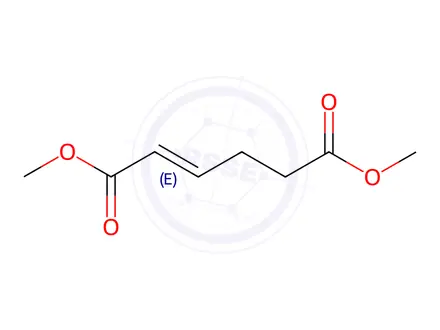
Adipic Acid Impurity 60
IN STOCKRS-A078049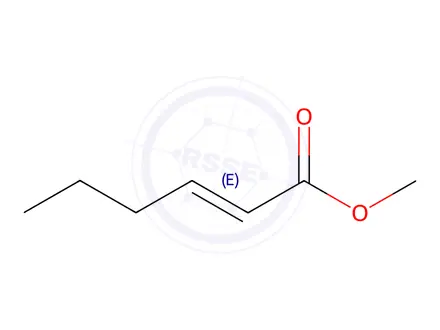
Adipic Acid Impurity 61
IN STOCKRS-A078024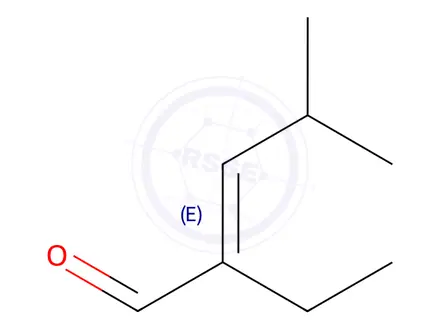
Adipic Acid Impurity 63 (Mixture of E/Z-isomers)
IN STOCKRS-A078041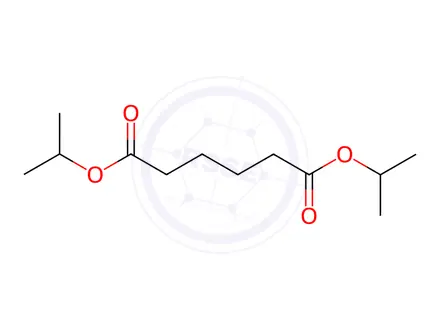
Adipic Acid Impurity 64
IN STOCKRS-A078019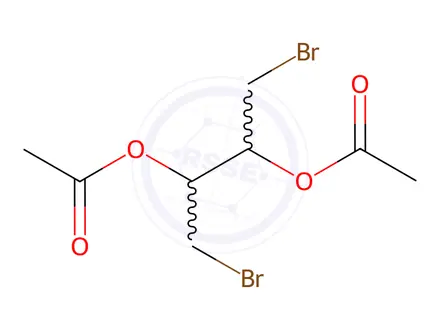
Adipic Acid Impurity 66
IN STOCKRS-A078038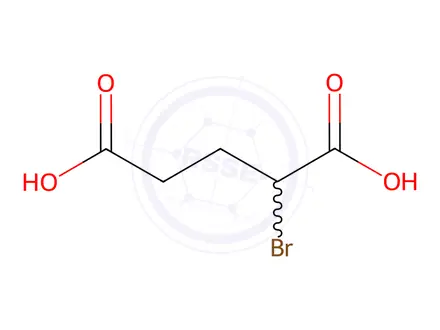
Adipic Acid Impurity 68
IN STOCKRS-A078050
Adipic Acid Impurity 69
IN STOCKRS-A078022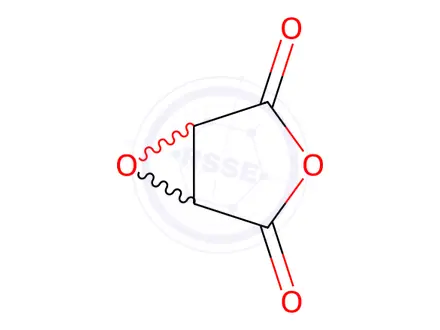
Adipic Acid Impurity 70
IN STOCKRS-A078012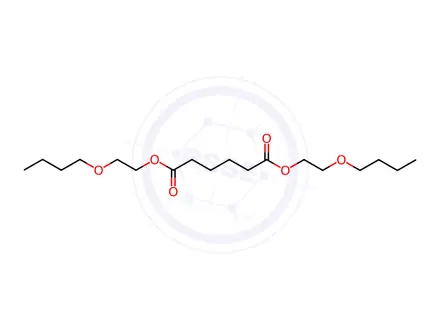
Adipic Acid Impurity 71
IN STOCKRS-A078010
Adipic Acid Impurity 72 (Adipic Anhydride)
IN STOCKRS-A078015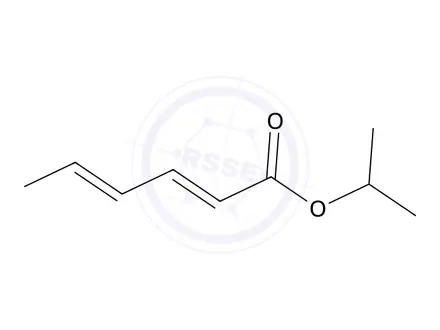
Adipic Acid Impurity 73 (Mixture of E/Z-isomers)
IN STOCKRS-A078056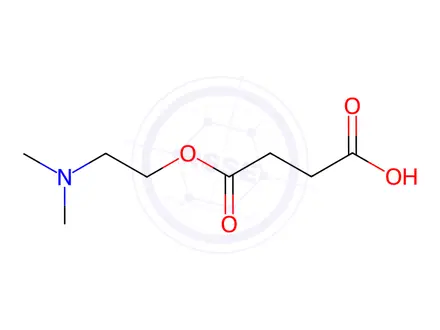
Adipic Acid Impurity 75
IN STOCKRS-A078004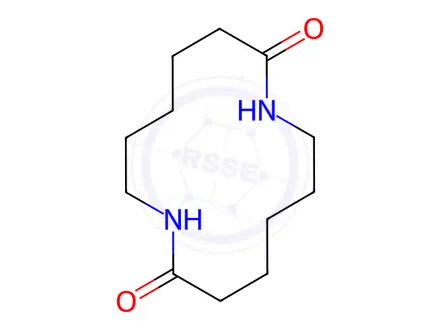
Adipic Acid Impurity 76
IN STOCKRS-U004559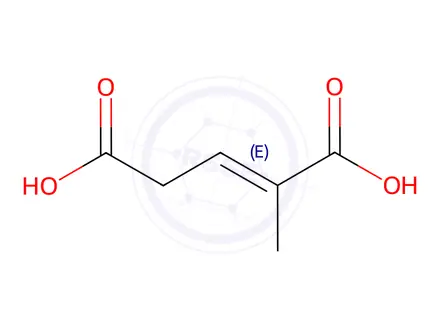
Adipic Acid Impurity 77
IN STOCKRS-A078051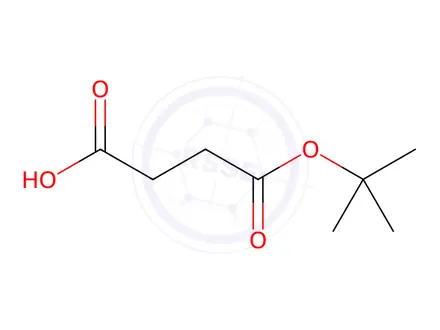
Adipic Acid Impurity 79 (Mono-tert-butyl succinate)
IN STOCKRS-A078011
61 reference standards
Further entries held for Adipic Acid
22 entries are held in the catalogue without a structure drawing. Each carries a catalogue number and, where one has been assigned, a CAS number; packing, documentation and price are quoted on enquiry.
- Adipic Acid Impurities and Related Compound
- Adipic Acid Impurity 12
- Adipic Acid Impurity 16
- Adipic Acid Impurity 17
- Adipic Acid Impurity 2
- Adipic Acid Impurity 22 Hydrochloride
- Adipic Acid Impurity 25
- Adipic Acid Impurity 3
- Adipic Acid Impurity 35
- Adipic Acid Impurity 41
- Adipic Acid Impurity 5
- Adipic Acid Impurity 56
- Adipic Acid Impurity 65
- Adipic Acid Impurity 67
- Adipic Acid Impurity 7
- Adipic Acid Impurity 74-13C6
- Adipic Acid Impurity 78
- Adipic acid, ethylene glycol, isophthalic acid, sebacic acid, terephthalic acid polymer
- Adipic acid, polyester with 1,3-butanediol, 2,2-dimethyl-1,3-propanediol and 2-ethyl-2-(hydroxymethyl)-1,3-propanediol
- Adipic acid,divinyl ester,polymer with chloroethene and ethylene
- Adipic acid-ethylene glycol-glycerol-terephthalic acid copolymer
- Adipic acid-ethyleneglycol-propyleneglycol-trimethylolpropane copolymer
Frequently asked
How many Adipic Acid-related reference standards do you hold?
Can you supply an Adipic Acid impurity that is not listed here?
What documentation is supplied with Adipic Acid impurities?
Do you publish prices or a lead time for Adipic Acid impurities?
Cannot find the impurity you need? Non-compendial impurities can be quoted from a structure — a CAS number is not required. Write to sales@rssechem.com.