Allopurinol impurities and related standards
The structure behind Allopurinol is C5H4N4O, 136.1, a ring nitrogen, and its impurities come from the weakest of them. ten heavy atoms over two rings, cLogP -0.35: on a column that reads as an early peak that needs a low organic start. That ring system leaves little slack, which is good for a method and awkward for a synthesis.
A ring nitrogen also binds metals from the process, and the complex that forms can shift retention without any new covalent species. Three families have to be kept apart: material carried through the route, products of storage, and the isomers that are the same substance but a different peak. Positional isomers are the quiet variant here: same formula, similar mass, and retention that can land on either side of the parent.
Confirmation runs through the mass channel: the same retention time, a mass that matches the proposed structure, and fragments that fit. UV works because of the ring; an impurity that loses it effectively disappears from the chromatogram. A calculated logP of -0.35 means the compound is barely retained, and any more polar degradant elutes in the injection front.
Small lots for method work and larger ones for qualification are both supplied, and a lot-specific CoA carries the identity evidence and the supporting spectra.
49 reference standards related to Allopurinol held in the RSSE catalogue — pharmacopoeial impurities, non-compendial impurities, metabolites and labelled analogues where available.
In this group: 25 impurity reference standards · 8 fine chemicals · 7 general reference standards · 5 pharmaceutical intermediates. CAS numbers are listed for 49 of 49; 49 entries carry a structure drawing.
On this page
N-nitroso (NDSRI) impurities of Allopurinol
The N-nitroso forms held for this substance — the structural class that the ICH M7 nitrosamine framework covers. 7 entries are listed. A CAS number is not required to quote one of them.
- Allopurinol Impurity 33 (N-Nitroso Allopurinol Impurity 1)
- Allopurinol N-Nitroso Pyrazole amide Impurity
- Allopurinol Nitroso Impurity 1
- Allopurinol Nitroso Impurity 3
- Allopurinol Nitroso Impurity 36
- Allopurinol Nitroso Impurity 4
- N-Nitroso Allopurinol
49 reference standards
All entries — structure, identifiers and pack sizes
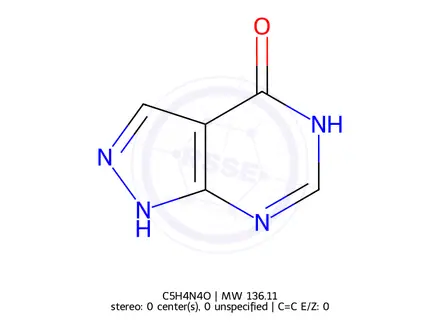
Allopurinol
IN STOCKRS-U078292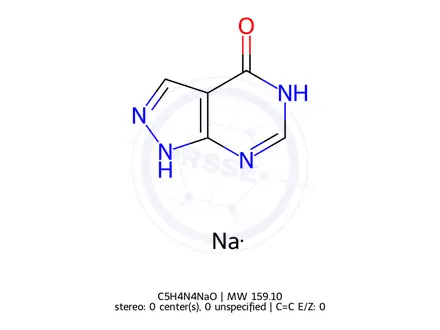
Allopurinol sodium
IN STOCKRS-U078209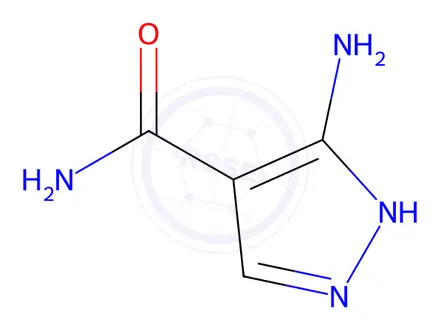
Allopurinol EP Impurity A
IN STOCKRS-A018006
Allopurinol EP Impurity A(Hemisulfate)
IN STOCKRS-A018010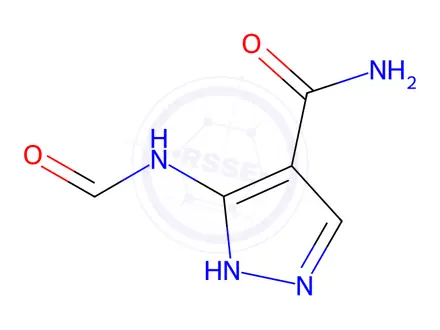
Allopurinol EP Impurity B
IN STOCKRS-A018003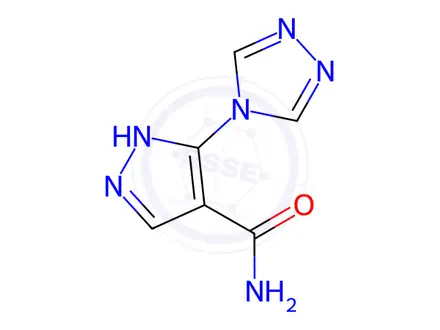
Allopurinol EP Impurity C
IN STOCKRS-A018002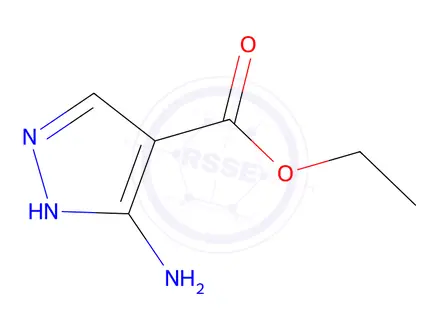
Allopurinol EP Impurity D (Allopurinol USP Related Compound D)
IN STOCKRS-A018007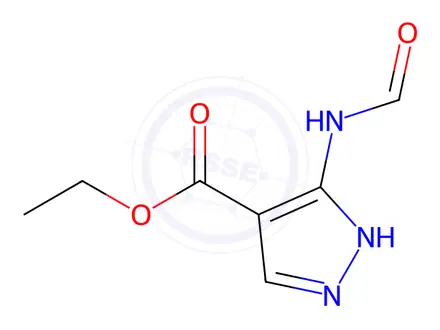
Allopurinol EP Impurity E
IN STOCKRS-A018004
Allopurinol Impurity F (Mixture of Z and E Isomers)
IN STOCKRS-A018005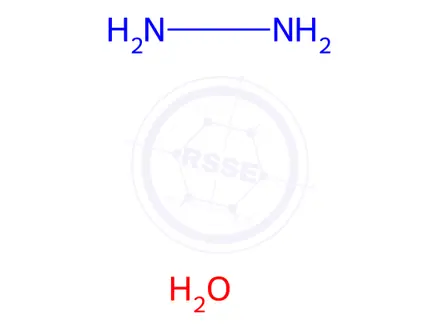
Allopurinol EP Impurity F (Hydrate)
IN STOCKRS-A018001

2-Cyano-3-(dimethylamino)acrylamide
IN STOCKRS-P001961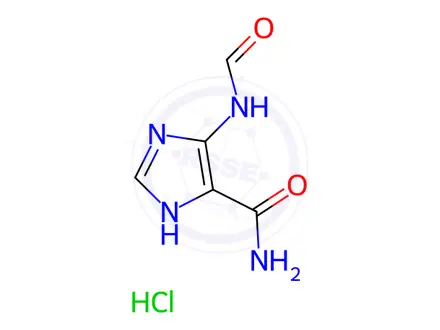
5-formamido-1H-imidazole-4-carboxamide hydrochloride
BACK ORDERRS-U049115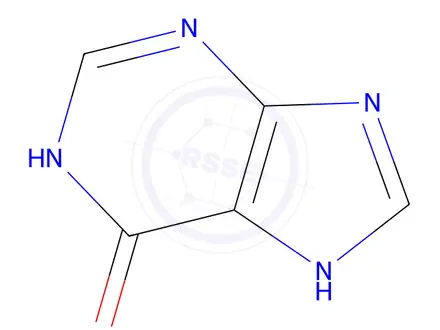
6-Hydroxypurine
BACK ORDERRS-Z412W10
7-Aminopyrazolo[1,5-a]pyrimidine-3,6-dicarboxylic Acid 3,6-Diethyl Ester
IN STOCKRS-Z401IQ6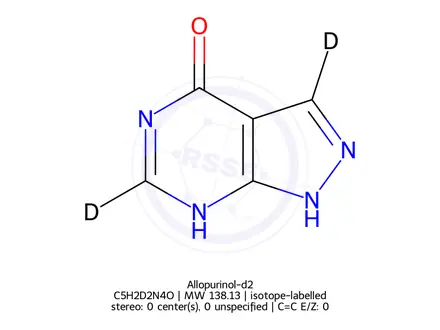
Allopurinol-d2
IN STOCKRS-I100335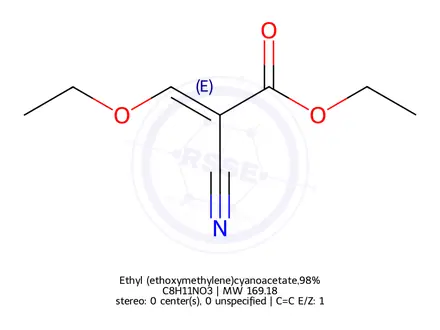
Ethyl (E)-2-cyano-3-ethoxyacrylate
IN STOCKRS-P012370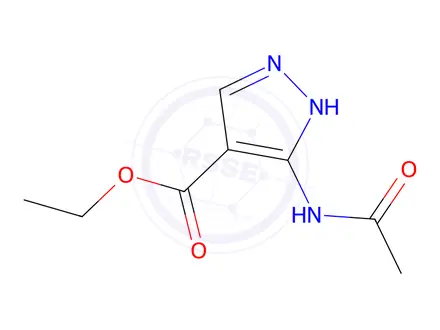
Ethyl 3-acetamido-1H-pyrazole-4-carboxylate
IN STOCKRS-Z399ZSR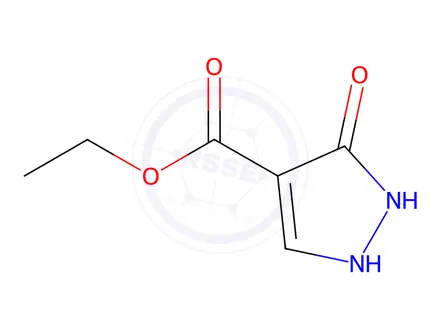
ethyl 3-hydroxy-1H-pyrazole-4-carboxylate
CUSTOM SYNTHESISRS-P012023Ethyl 5-amino-1H-pyrazole-4-carboxylate
IN STOCKRS-Z396JDEEthyl 5-aminopyrazole-4-carboxylate
IN STOCKRS-Z412NX8
Hydrazine hydrobromide
IN STOCKRS-Z400U7N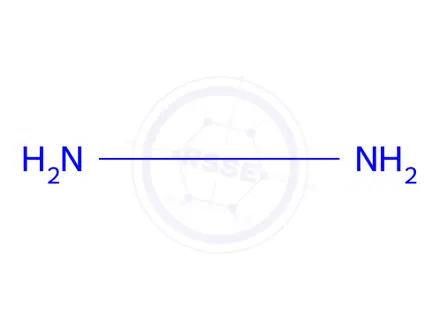
Hydrazine in Water
IN STOCKRS-U050124
Hydrazine sulfate
IN STOCKRS-C007003
Methyl 2-cyano-3-(dimethylamino)acrylate
CUSTOM SYNTHESISRS-P140009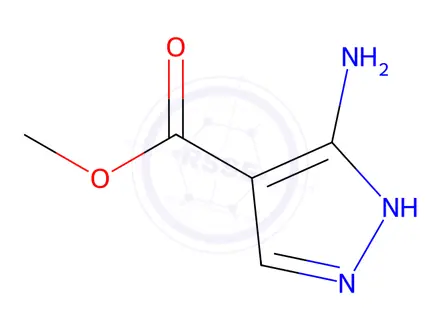
Methyl 3-amino-1H-pyrazole-4-carboxylate
IN STOCKRS-P140171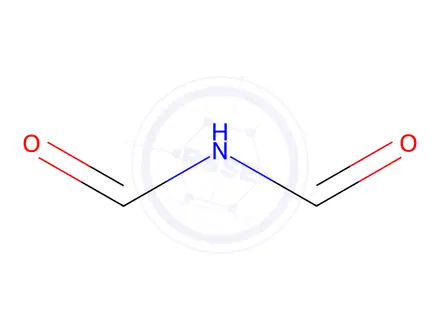
N-Formylformamide
IN STOCKRS-U054164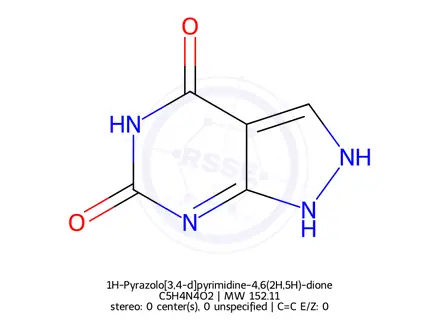
Oxypurinol
IN STOCKRS-M122011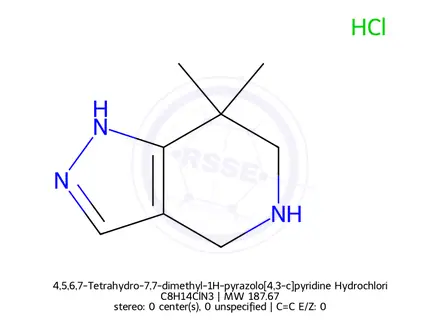
Allopurinol Impurity 11
IN STOCKRS-A018028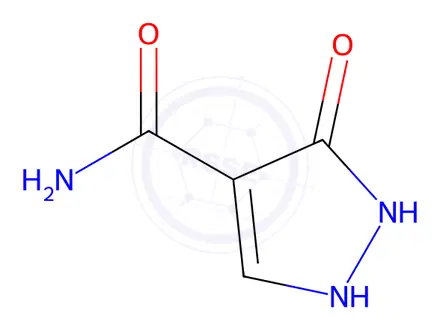
Allopurinol Impurity 17
IN STOCKRS-A018014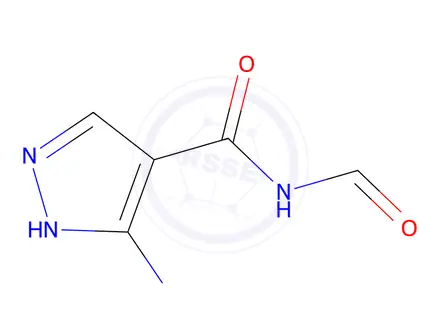
Allopurinol impurity 18
IN STOCKRS-I001AC6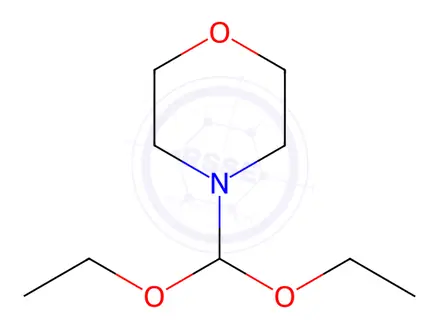
Allopurinol Impurity 29
IN STOCKRS-A018018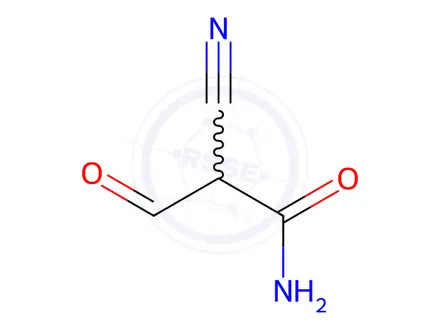
Allopurinol Impurity 30
CUSTOM SYNTHESISRS-A018020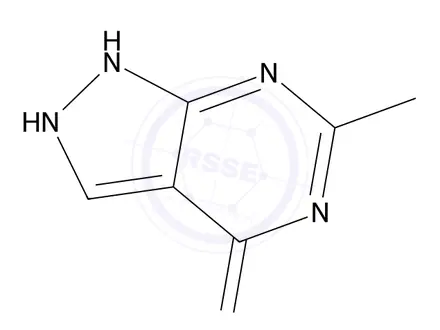
Allopurinol Impurity 40
IN STOCKRS-A018021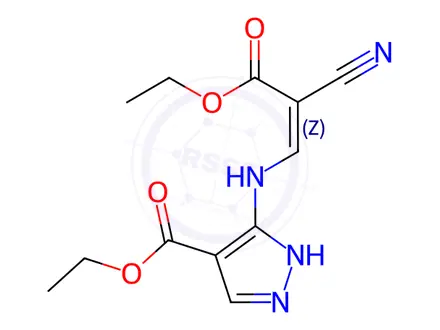
Allopurinol Impurity 42
CUSTOM SYNTHESISRS-A018029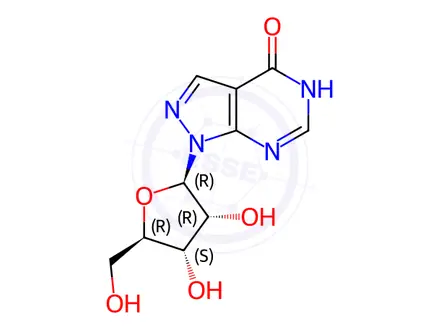
Allopurinol Impurity 43
IN STOCKRS-A018008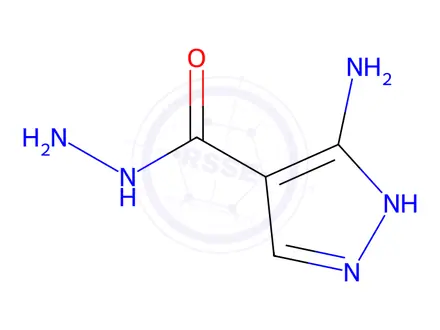
Allopurinol Impurity 44
CUSTOM SYNTHESISRS-A018011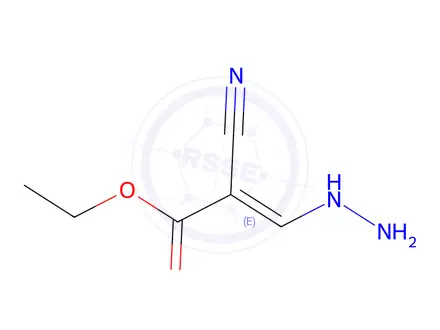
Allopurinol Impurity 45
IN STOCKRS-A018012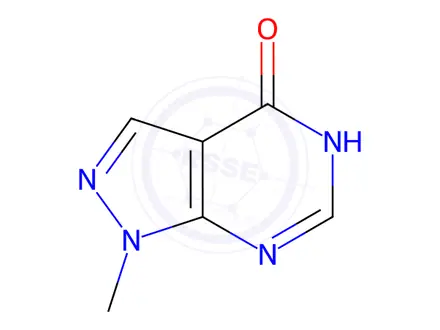
Allopurinol Impurity 46
IN STOCKRS-A018013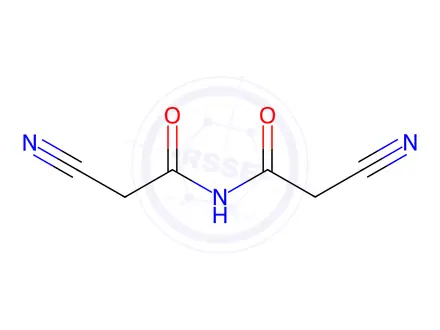
Allopurinol Impurity 47
IN STOCKRS-A018015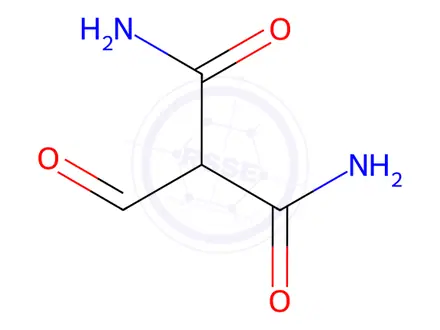
Allopurinol Impurity 48
IN STOCKRS-A018017
Allopurinol Impurity 49
IN STOCKRS-U003180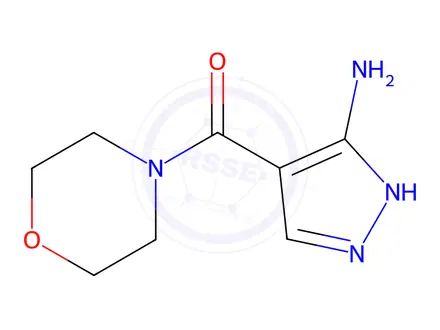
Allopurinol Impurity 50
IN STOCKRS-A018023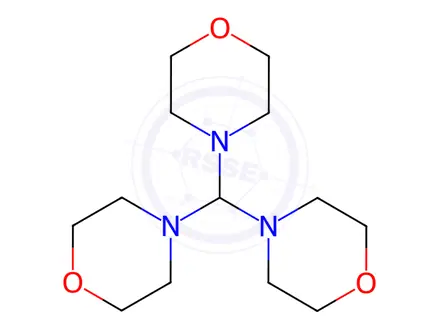
Allopurinol Impurity 51
CUSTOM SYNTHESISRS-A018016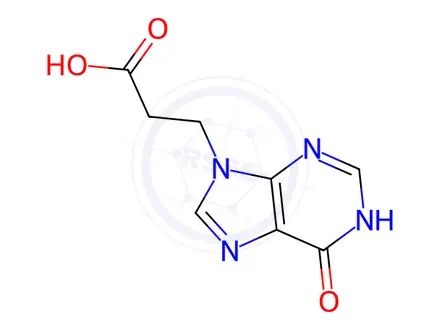
Allopurinol Impurity 52
IN STOCKRS-A018022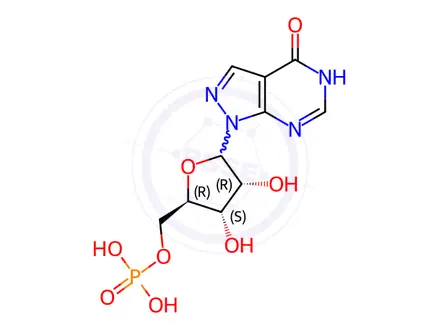
Allopurinol Impurity 53
IN STOCKRS-A018024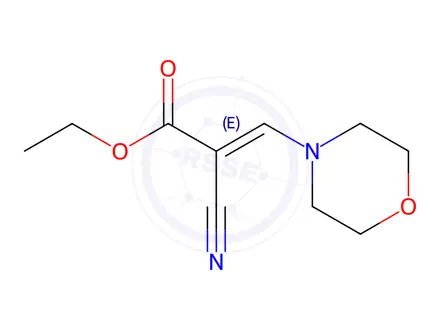
Allopurinol Impurity 54
IN STOCKRS-A018025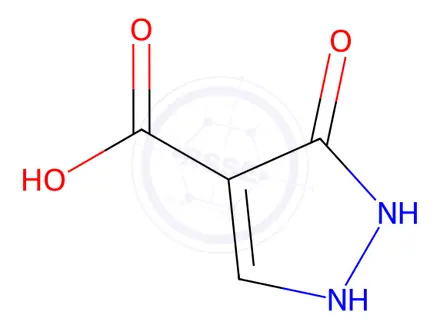
Allopurinol Impurity 62
IN STOCKRS-A018026Ethyl Acetate Impurity 226 (Mixture of E/Z-isomers)
IN STOCKRS-Z412TR2
49 reference standards
Further entries held for Allopurinol
69 entries are held in the catalogue without a structure drawing. Each carries a catalogue number and, where one has been assigned, a CAS number; packing, documentation and price are quoted on enquiry.
- Allopurinol (IPRS/46/14)-from IPC
- Allopurinol EP Impurity A Sulfate
- Allopurinol EP Impurity B(Hydrochloride)
- Allopurinol EP Impurity C HCl
- Allopurinol EP Impurity E(Hydrochloride)
- Allopurinol Impurities and Related Compound
- Allopurinol Impurity 1
- Allopurinol Impurity 14
- Allopurinol Impurity 15
- Allopurinol Impurity 16
- Allopurinol Impurity 18
- Allopurinol Impurity 18
- Allopurinol Impurity 19
- Allopurinol Impurity 19
- Allopurinol Impurity 2
- Allopurinol Impurity 2 Hydrochloride (Allopurinol EP Impurity B Hydrochloride)(Allopurinol USP Related Compound B Hydrochloride)
- Allopurinol Impurity 20
- Allopurinol Impurity 20
- Allopurinol Impurity 21
- Allopurinol Impurity 21
- Allopurinol Impurity 24
- Allopurinol Impurity 25
- Allopurinol Impurity 26
- Allopurinol Impurity 28
- Allopurinol Impurity 3
- Allopurinol Impurity 31
- Allopurinol Impurity 33
- Allopurinol Impurity 34
- Allopurinol Impurity 34 Monomer
- Allopurinol Impurity 35
- Allopurinol Impurity 35
- Allopurinol Impurity 36
- Allopurinol Impurity 37
- Allopurinol Impurity 37
- Allopurinol Impurity 39
- Allopurinol Impurity 4 Disodium Salt
- Allopurinol Impurity 41
- Allopurinol Impurity 5
- Allopurinol Impurity 5 Hydrochloride (Allopurinol EP Impurity E Hydrochloride)(Allopurinol USP Related Compound E Hydrochloride)
- Allopurinol Impurity 55
- Allopurinol Impurity 56
- Allopurinol Impurity 57
- Allopurinol Impurity 58
- Allopurinol Impurity 59
- Allopurinol Impurity 6
- Allopurinol Impurity 60
- Allopurinol Impurity 61
- allopurinol impurity A (831RB)
- Allopurinol impurity A (A0350010)
- Allopurinol Impurity A (IMP/03/17)
- allopurinol impurity B (832RB)
- Allopurinol impurity B (A0350020)
- Allopurinol Impurity B (IMPF019)
- allopurinol impurity C (843RB)
- Allopurinol impurity C (A0350030)
- Allopurinol Impurity C (IMPA014)
- allopurinol impurity D (844RB)
- Allopurinol impurity D (A0350040)
- allopurinol impurity E (845RB)
- Allopurinol impurity E (A0350050)
- Allopurinol Impurity E CRS (A0350050)
- Allopurinol Nitrile Hydrochloride Impurity
- Allopurinol Related Compound C (5-(4H-1,2,4-triazol-4-yl)-1H-pyrazole-4-carboxamide) (1013035)
- Allopurinol USP Impurity
- Allopurinol USP Related Compound F
- Allopurinol-13C,15N2
- Allopurinol-13C,15N2, D2
- Allopurinol-13C3,15N
- Allopurinol-13C3,15N3
Frequently asked
How many Allopurinol-related reference standards do you hold?
Can you supply an Allopurinol impurity that is not listed here?
What documentation is supplied with Allopurinol impurities?
Do you publish prices or a lead time for Allopurinol impurities?
Cannot find the impurity you need? Non-compendial impurities can be quoted from a structure — a CAS number is not required. Write to sales@rssechem.com.