Atenolol impurities and related standards
Atenolol is C14H22N2O3, 266.3, with a single aromatic ring, carrying an amide and a secondary amine. 19 heavy atoms over one ring, cLogP 0.45: on a column that reads as a compound that is barely retained on C18. The skeleton is compact, so any analogue that keeps the formula keeps most of the shape as well.
Three families have to be kept apart: material carried through the route, products of storage, and the isomers that are the same substance but a different peak. The amine reacts with residual formaldehyde and with reducing sugars, and the adduct is heavier than the parent by a defined mass. The amide nitrogen is where the first real chemistry happens: hydrolysis, and under stronger conditions dealkylation as well.
Mass detection is the confirmatory step: an extracted-ion trace separates what the optical channel merges, and the fragments name the structure. The aromatic system carries the UV response, which is what makes a conventional reversed-phase method possible at all. The basic nitrogen is protonated across the acidic range, so C18 retention is weak without an ion-pairing reagent and the mass spectrometer prefers positive mode. A calculated logP of 0.45 means the compound is barely retained, and any more polar degradant elutes in the injection front.
Lots are sized to the job, a milligram for identification and grams for qualification, and the paperwork is part of the delivery: CoA, HPLC chromatogram, mass spectrum.
Sources: PubMed - Stability of atenolol, acebutolol and propranolol in acidic environment depending on its diversified polarity; ScienceDirect - Photodegradation studies on atenolol by liquid chromatography.
49 reference standards related to Atenolol held in the RSSE catalogue — pharmacopoeial impurities, non-compendial impurities, metabolites and labelled analogues where available.
In this group: 30 impurity reference standards · 7 fine chemicals · 3 general reference standards · 3 stable isotope labelled standards. CAS numbers are listed for 49 of 49; 49 entries carry a structure drawing.
On this page
N-nitroso (NDSRI) impurities of Atenolol
The N-nitroso forms held for this substance — the structural class that the ICH M7 nitrosamine framework covers. 5 entries are listed. A CAS number is not required to quote one of them.
- Atenolol Impurity 35 (N-Nitroso Atenolol Impurity 7)(N-Nitroso Atenolol EP Impurity G)
- Atenolol Impurity 48 (N-NitrosoAtenolol Impurity 47)
- Atenolol Impurity 50 (N-NitrosoAtenolol Impurity 49)
- N-Nitroso Atenolol EP Impurity I (Mixture of Isomers)
- N-Nitroso Atenolol-D7
49 reference standards
All entries — structure, identifiers and pack sizes
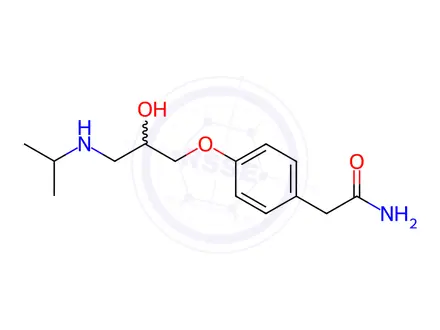
Atenolol
IN STOCKRS-I004058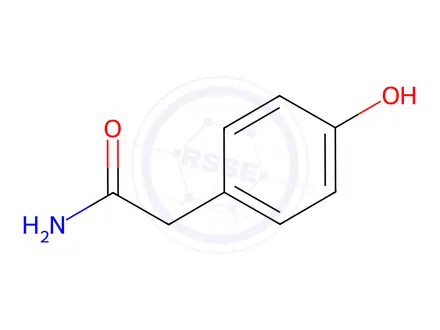
Atenolol EP Impurity A
IN STOCKRS-A076003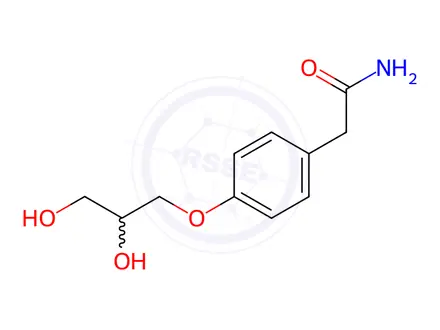
Atenolol EP Impurity B (Atenolol USP Related Compound B)
IN STOCKRS-A076008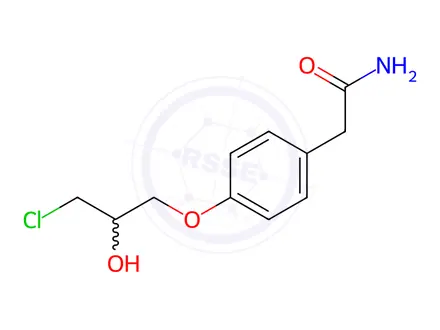
Atenolol EP Impurity D (Atenolol USP Related Compound D)
IN STOCKRS-A076001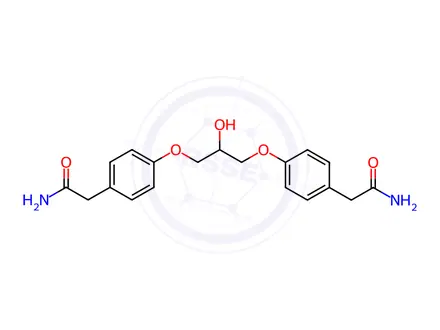
Atenolol EP Impurity E (Atenolol USP Related Compound E)
IN STOCKRS-A076002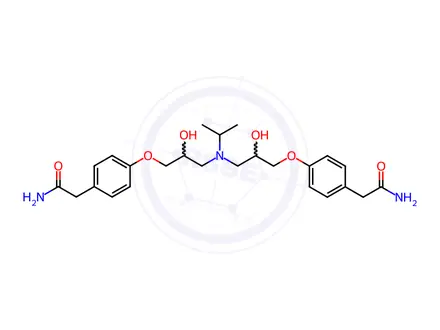
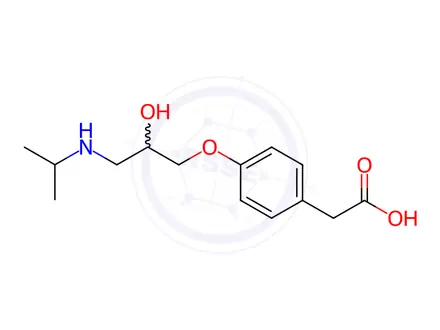
Atenolol EP Impurity G (Atenolol USP Related Compound G)
IN STOCKRS-A076007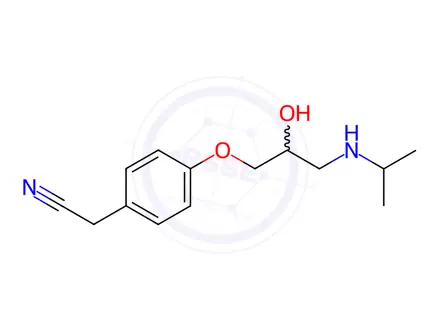
Atenolol EP Impurity H
IN STOCKRS-A076006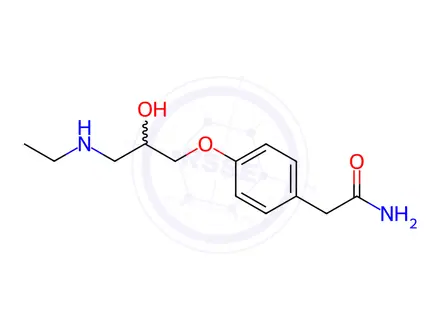
Atenolol EP Impurity I
IN STOCKRS-A076004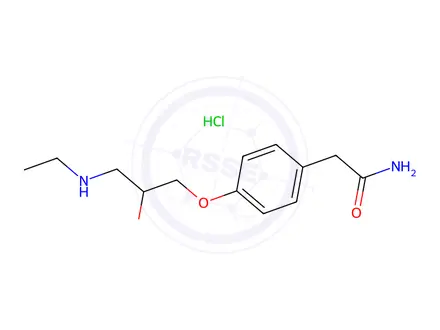
Atenolol EP Impurity I HCI
CUSTOM SYNTHESISRS-I001465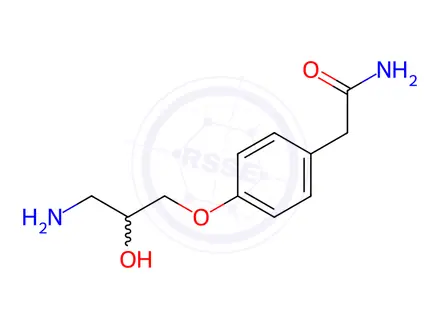
Atenolol EP Impurity J
IN STOCKRS-A076009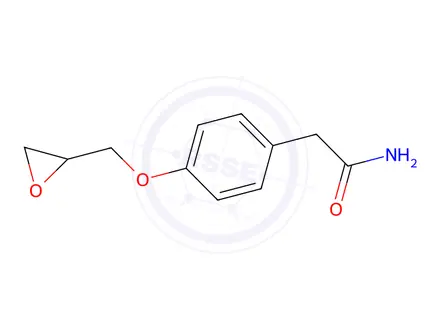
Atenolol Impurity C
IN STOCKRS-A076005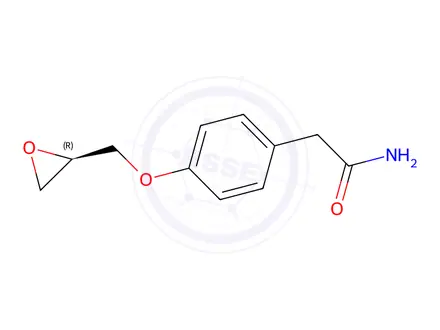
(R)-2-(4-(Oxiran-2-ylmethoxy)phenyl)acetamide
IN STOCKRS-Z397X3Q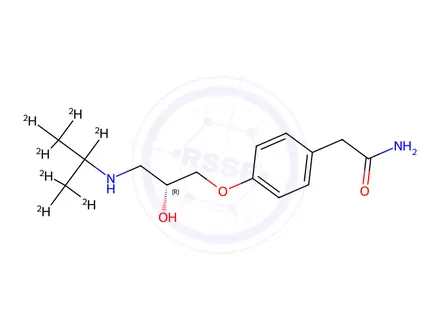
(R)-Atenolol-d7
CUSTOM SYNTHESISRS-Z400RLG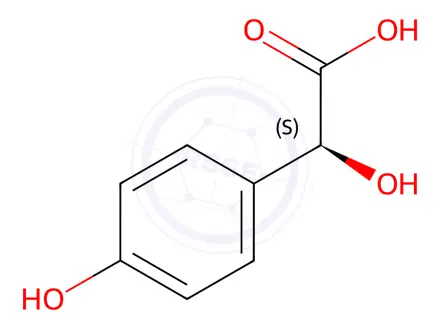
(S)-4-Hydroxymandelic acid
IN STOCKRS-P002116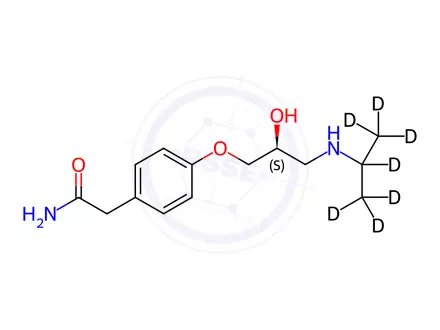
(S)-Atenolol-d7
IN STOCKRS-A076011
1-Benzyl-2-methyl-3-pyrrolidone
IN STOCKRS-U005A98
2-(4-(1H-pyrrol-1-yl)phenyl)acetic acid
IN STOCKRS-C007044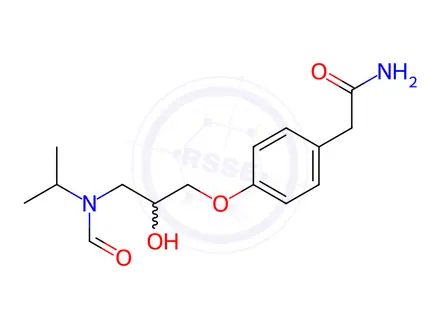
2-(4-(2-Hydroxy-3-(N-isopropylformamido)propoxy)phenyl)acetamide
IN STOCKRS-D116008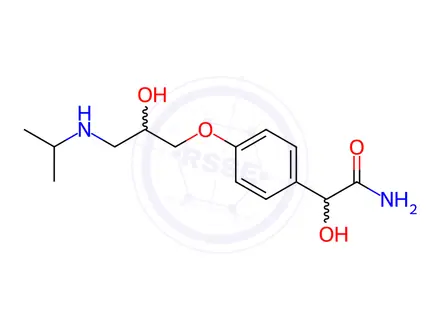
2-Hydroxy Atenolol
IN STOCKRS-U015219
2-{4-[(oxiran-2-yl)methoxy]phenyl}acetic Acid
BACK ORDERRS-U018981
2-Methyl-N-[4-(5-oxazolyl)phenyl]benzeneacetamide
IN STOCKRS-M896005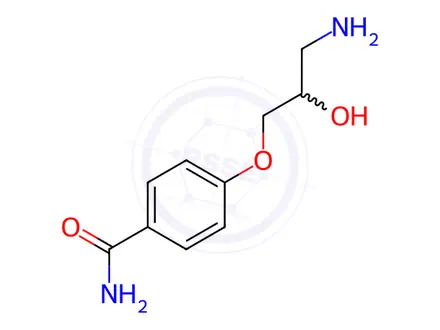
4-(3-Amino-2-hydroxypropoxy)benzamide
CUSTOM SYNTHESISRS-D123002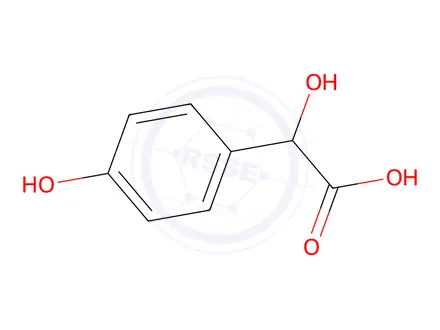
4-Hydroxymandelic Acid
CUSTOM SYNTHESISRS-Z004DD6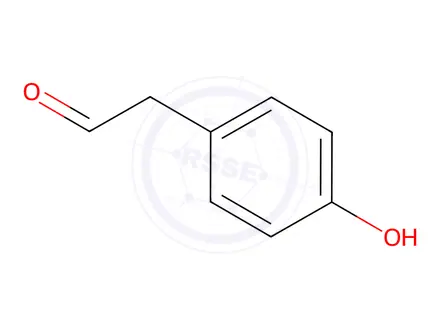
4-Hydroxyphenylacetaldehyde Solution in Acetone
CUSTOM SYNTHESISRS-M116094
4-Methoxy-N-[4-(5-oxazolyl)phenyl]benzeneacetamide
IN STOCKRS-M864004
4-Methyl-N-[4-(5-oxazolyl)phenyl]benzeneacetamide
IN STOCKRS-M874005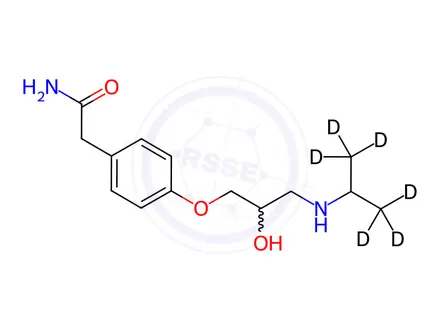
Atenolol D6
IN STOCKRS-A076019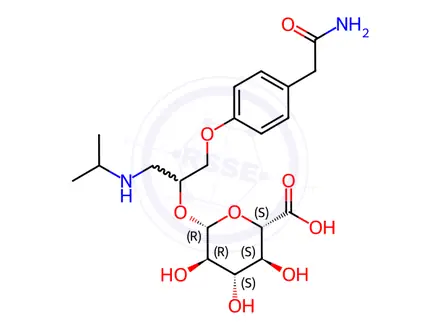
Atenolol Glucuronide
BACK ORDERRS-A076024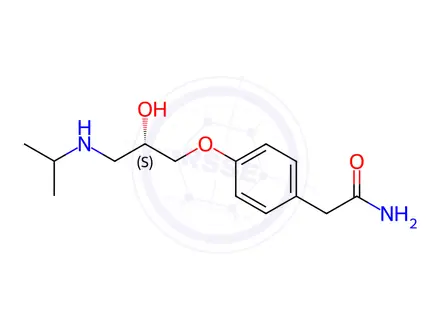
Atenolol S-Isomer
IN STOCKRS-A076028
Atenolol-[D7]
IN STOCKRS-I100079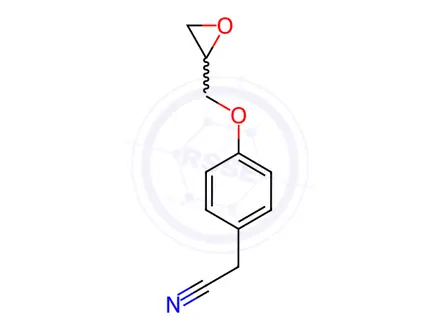
Atenolol Impurity 10(Cyano Epoxide)
IN STOCKRS-A076015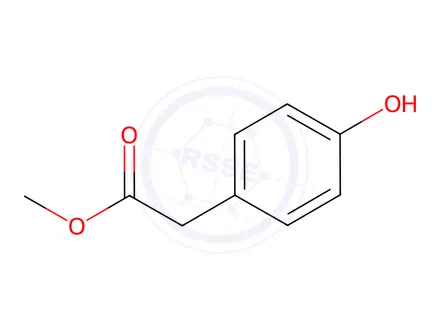
Atenolol Impurity 13
CUSTOM SYNTHESISRS-A076013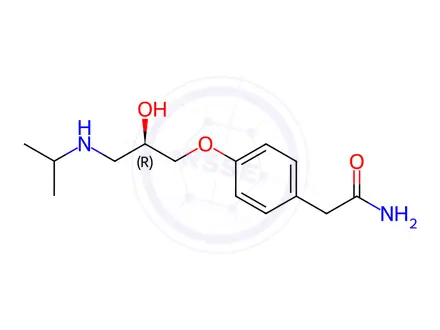
Atenolol Impurity 15 ((R)-Atenolol)
IN STOCKRS-A076017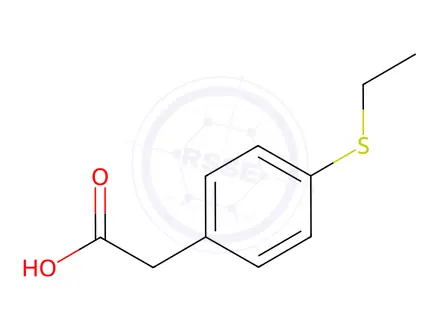
Atenolol Impurity 16
IN STOCKRS-A076025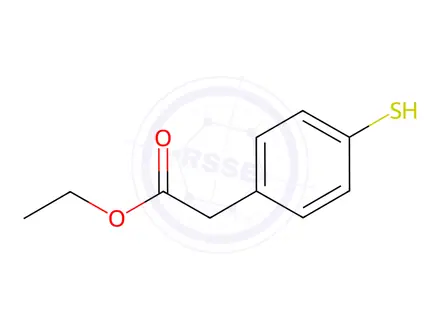
Atenolol Impurity 17
IN STOCKRS-A076026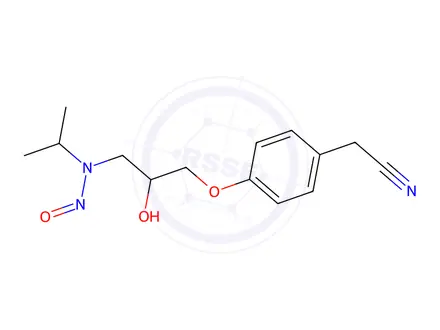
Atenolol Impurity 21
IN STOCKRS-I001B55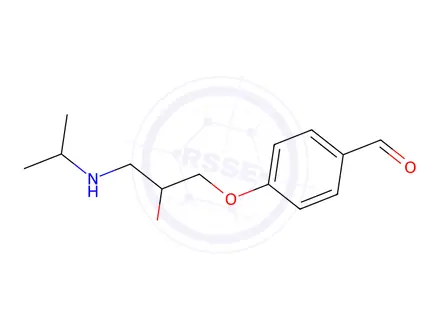
Atenolol Impurity 25
IN STOCKRS-I001ALS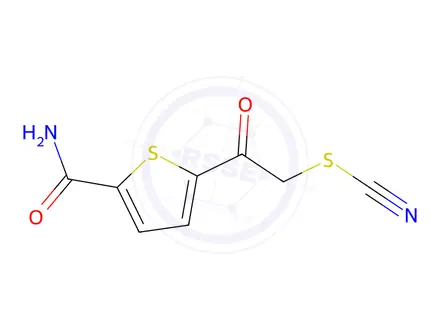
Arotinolol Impurity 26
IN STOCKRS-Z401CXZ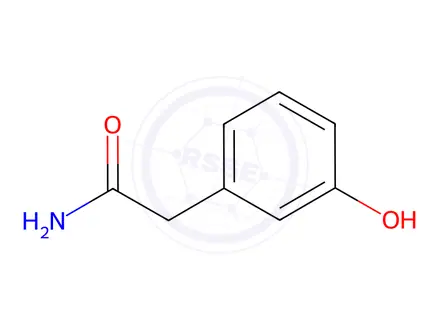
Atenolol Impurity 36
IN STOCKRS-A076014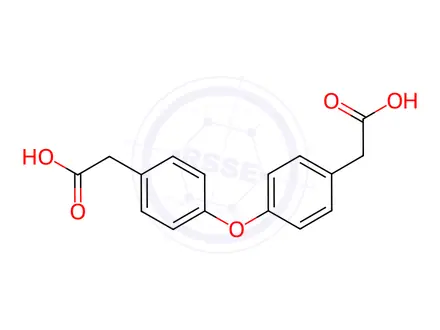
Atenolol Impurity 37
IN STOCKRS-A076027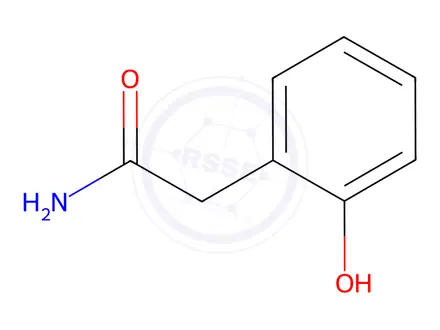
Atenolol Impurity 39
IN STOCKRS-U015129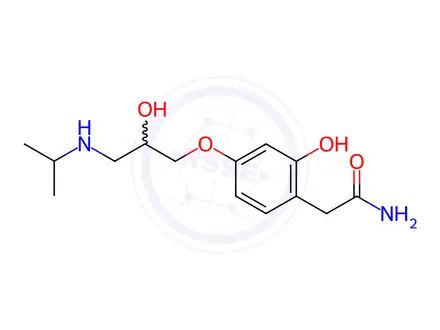
Atenolol Impurity 40
IN STOCKRS-A076021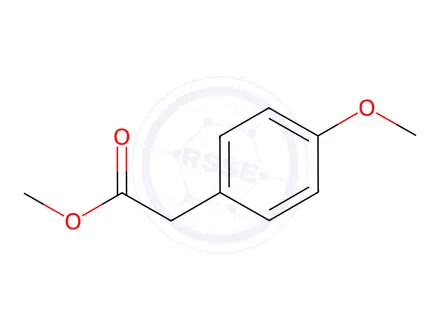
Atenolol Impurity 43
IN STOCKRS-A076023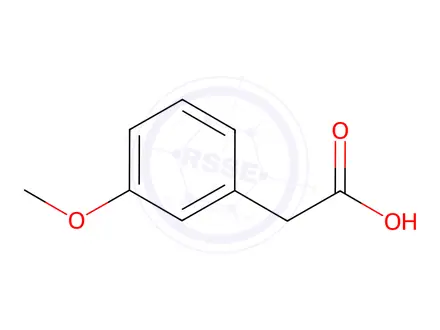
Atenolol Impurity 44
CUSTOM SYNTHESISRS-U010223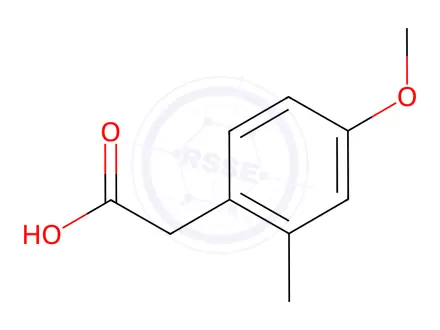
Atenolol Impurity 45
CUSTOM SYNTHESISRS-A076020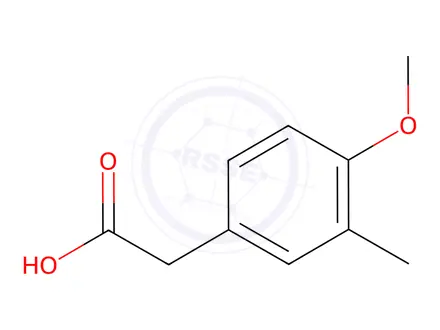
Atenolol Impurity 46
IN STOCKRS-A076016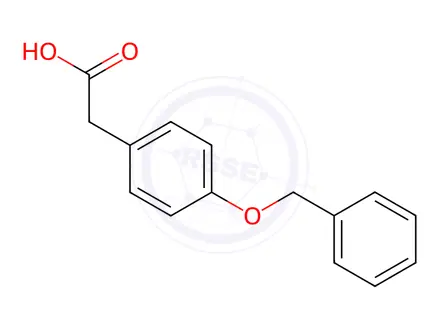
Atenolol Impurity 51
IN STOCKRS-A076018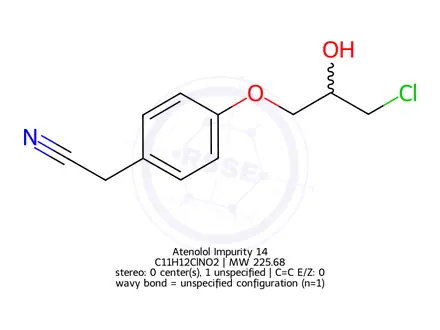
Atenolol Impurity 52
IN STOCKRS-A076022
49 reference standards
Further entries held for Atenolol
52 entries are held in the catalogue without a structure drawing. Each carries a catalogue number and, where one has been assigned, a CAS number; packing, documentation and price are quoted on enquiry.
- Atenolol (IPRS/116/20)-from IPC
- Atenolol (IPRS/35/15)-from IPC
- Atenolol EP Impurity A (Atenolol USP Related Compound A
- Atenolol EP Impurity G (Sodium Salt)
- Atenolol EP Impurity G (Sodium salt)
- Atenolol EP Impurity G HCl
- Atenolol EP Impurity G HCl
- Atenolol EP Impurity G Sodium Salt
- Atenolol EP Impurity G Sodium Salt (Atenolol USP Related Compound G Sodium Salt)
- Atenolol EP Impurity H Hydrochloride
- Atenolol for system suitability (Y0001089)
- Atenolol Impurities and Related Compound
- Atenolol Impurity 1
- Atenolol Impurity 15
- Atenolol Impurity 2
- Atenolol Impurity 23
- Atenolol Impurity 25
- Atenolol Impurity 25
- Atenolol Impurity 26
- Atenolol Impurity 27
- Atenolol Impurity 28
- Atenolol Impurity 29
- Atenolol Impurity 30
- Atenolol Impurity 31
- Atenolol Impurity 32
- Atenolol Impurity 33
- Atenolol Impurity 34
- Atenolol Impurity 38
- Atenolol Impurity 47
- Atenolol Impurity 49
- Atenolol Impurity 51
- Atenolol Impurity 53
- Atenolol Impurity 7 Hydrochloride (Atenolol EP Impurity G Hydrochloride)
- Atenolol Impurity 7 Trifluoroacetate (Atenolol EP Impurity G Trifluoroacetate)
- Atenolol Impurity B (Atenolol USP Related Compound A)
- Atenolol Impurity F (Atenolol USP Related Compound D)
- atenolol impurity standard (370RB)
- Atenolol Impurity Standard BP
- Atenolol Related Compound A (1044254)
- Atenolol Related Compound A (IMPA057)
- Atenolol Related Compound B (1044265)
- Atenolol Related Compound B (IMPA058)
- Atenolol Related Compound E (1044298)
- Atenolol Related Compound E (2-{4-[3-(ethylamino)-2-hydroxypropoxy]phenyl}acetamide) (1044451)
- Atenolol Related Compound E (IMPA080)
- Atenolol Related Compound F
- Atenolol Related Compound F (1044367)
- Atenolol Related Compound F (IMPA073)
- Atenolol USP Related Compound C
- Atenolol-d7 β-D-Glucuronide
- Des(isopropylamino) Atenolol Diol-d5
- N-Formyl Atenolol
Frequently asked
How many Atenolol-related reference standards do you hold?
Can you supply an Atenolol impurity that is not listed here?
What documentation is supplied with Atenolol impurities?
Do you publish prices or a lead time for Atenolol impurities?
Cannot find the impurity you need? Non-compendial impurities can be quoted from a structure — a CAS number is not required. Write to sales@rssechem.com.