Atovaquone impurities and related standards
Atovaquone is a hydroxynaphthoquinone antiprotozoal used against Pneumocystis pneumonia and, in combination, against malaria, and it works by collapsing the mitochondrial electron transport chain at the level of the cytochrome bc1 complex. The structure is a fully conjugated naphthoquinone bearing a hydroxyl group and a trans-4-substituted cyclohexyl chain that ends in a chlorophenyl ring, which makes the molecule intensely coloured and chemically reactive in the same places that give it its colour. The quinone is the central liability: it participates in redox cycling, so exposure to light and oxygen converts it towards hydroxylated and dimeric species, and the phenolic hydroxyl is readily oxidised. The carbon-chlorine bond on the aryl ring is the photolytically labile position and is the usual origin of dechlorinated related substances. The cyclohexyl linker is the most robust part of the molecule, and hydrolysis contributes comparatively little because there is no ester, amide or lactam to open. Process impurities from the naphthoquinone synthesis accompany those degradants. Reporting, identification and qualification thresholds come from the ICH quality guidelines where no monograph applies, and DNA-reactive potential is assessed separately under the M7 framework. Because photolysis and oxidation dominate, a light-exposure study belongs beside peroxide stress in any stability-indicating method. A standard bought for peak identification needs a documented identity and content basis; one for a limit test needs an assigned content and its uncertainty.
Sources: DailyMed (US NLM) - MEPRON (atovaquone) oral suspension label; DailyMed (US NLM) - atovaquone oral suspension label.
36 reference standards related to Atovaquone held in the RSSE catalogue — pharmacopoeial impurities, non-compendial impurities, metabolites and labelled analogues where available.
In this group: 16 impurity reference standards · 6 general reference standards · 6 fine chemicals · 4 stable isotope labelled standards. CAS numbers are listed for 36 of 36; 36 entries carry a structure drawing.
On this page
36 reference standards
All entries — structure, identifiers and pack sizes
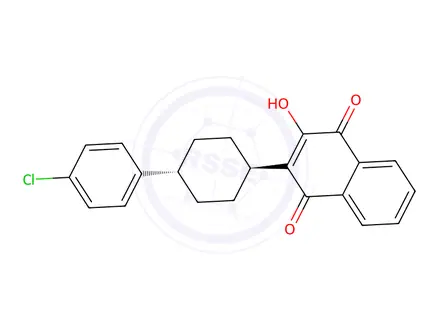
Atovaquone
IN STOCKRS-Z401MI8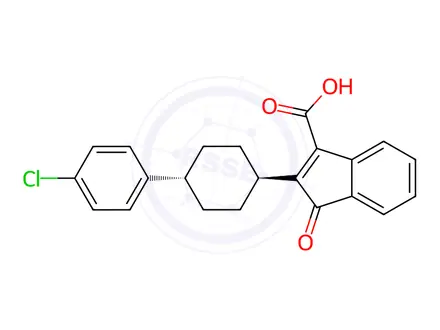
Atovaquone EP Impurity A
CUSTOM SYNTHESISRS-A097033Atovaquone-Impurity A
IN STOCKRS-A097008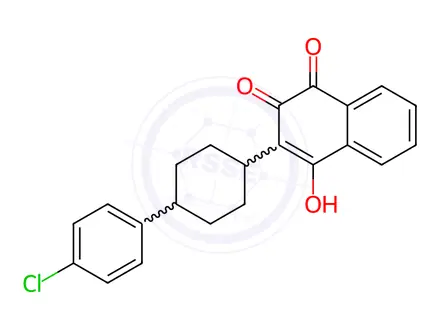
Atovaquone-Impurity B
IN STOCKRS-A097005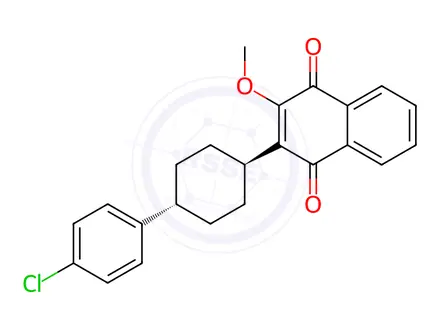
Atovaquone-Impurity D
IN STOCKRS-A097001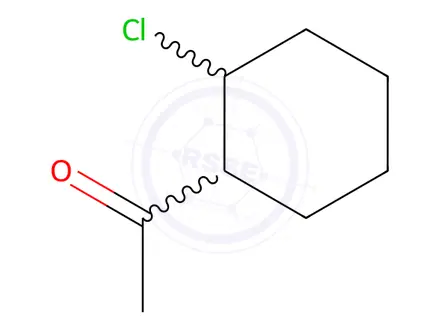
1-(2-Chlorocyclohexyl)ethanone
CUSTOM SYNTHESISRS-U006A8X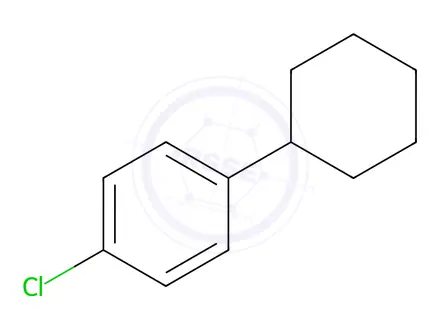
1-Chloro-4-cyclohexylbenzene
IN STOCKRS-P001A0C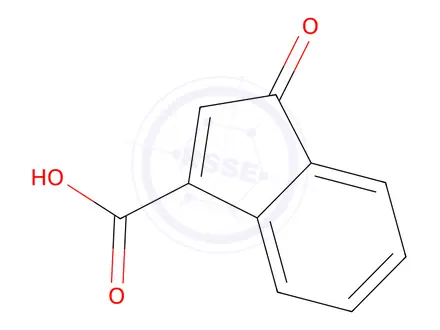
1-oxo-1H-indene-3-carboxylic acid
IN STOCKRS-C040034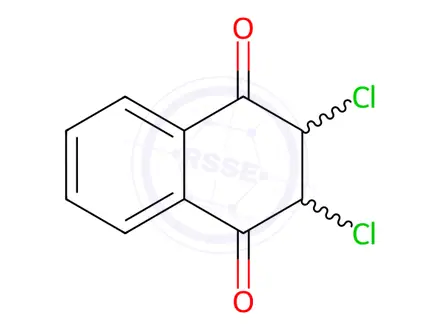
2,3-Dichloro-2,3-dihydronaphthalene-1,4-dione
IN STOCKRS-U004036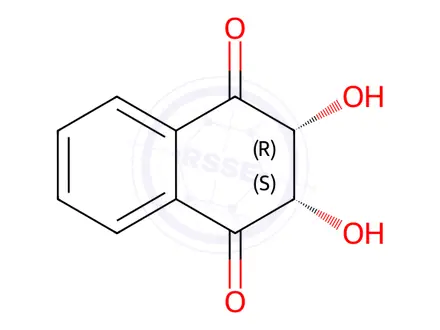
2,3-Dihydroxy-2,3-dihydronaphthalene-1,4-dione
IN STOCKRS-U051732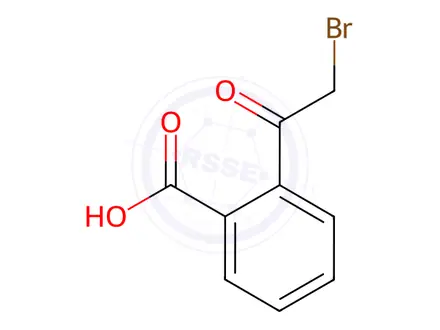
2-(2-Bromoacetyl)benzoic acid
IN STOCKRS-I012368
2-Chloro-3-[4-(4-chlorophenyl)cyclohexyl-d5]-1,4-naphthalenedione
IN STOCKRS-I098056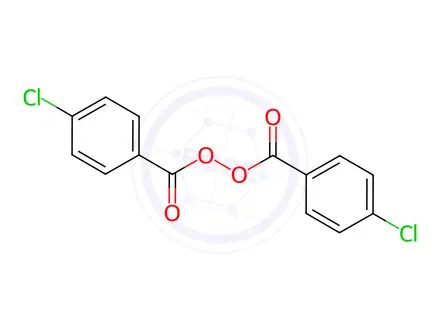
4-Chlorobenzoic Peroxyanhydride
IN STOCKRS-U111948
Atovaquone-d5
IN STOCKRS-Z400S4D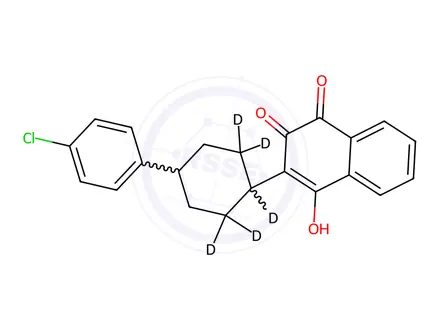
cis-Atovaquone-d5 (contains 10% trans isomer)
IN STOCKRS-A097015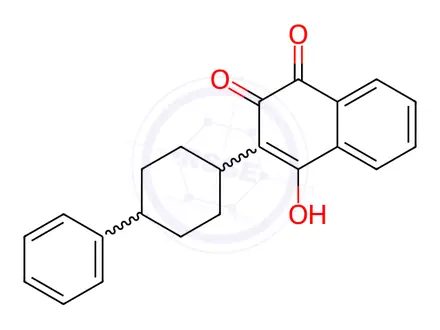
Deschloro Atovaquone
IN STOCKRS-A097019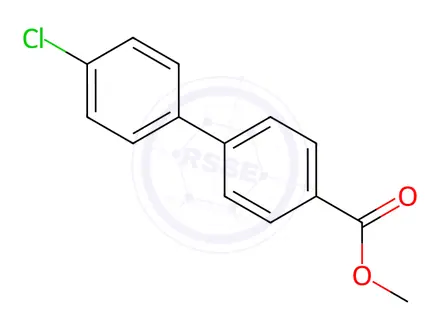
Methyl 4-(4-Chlorophenyl)benzoate
CUSTOM SYNTHESISRS-M918005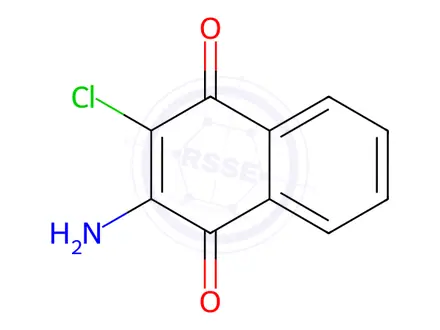
Quinoclamine
CUSTOM SYNTHESISRS-U022042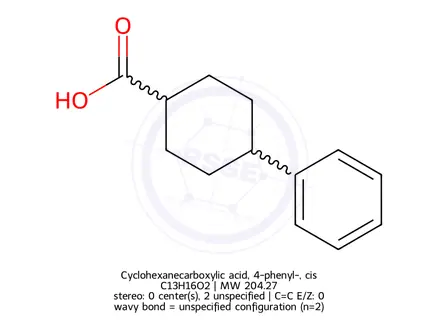
trans-4-Phenylcyclohexane-1-carboxylic Acid
IN STOCKRS-P010480trans-4-Phenylcyclohexanecarboxylic Acid
IN STOCKRS-Z412SCC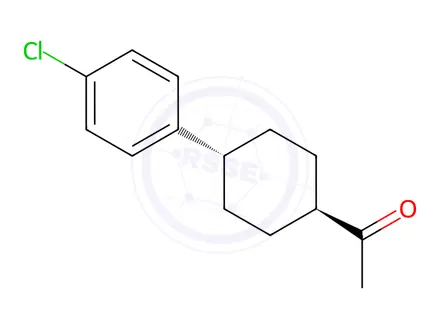
Atovaquone Impurity 2
IN STOCKRS-A097010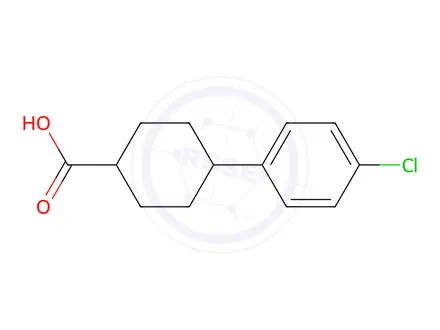
Atovaquone Impurity 3
IN STOCKRS-A097009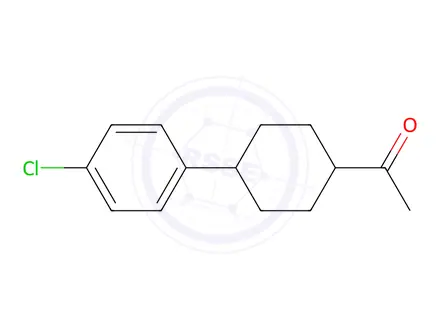
Atovaquone Impurity 3 (Mixture of cis and trans Isomers)
IN STOCKRS-Z412TWHAtovaquone Impurity 6
IN STOCKRS-I001BBY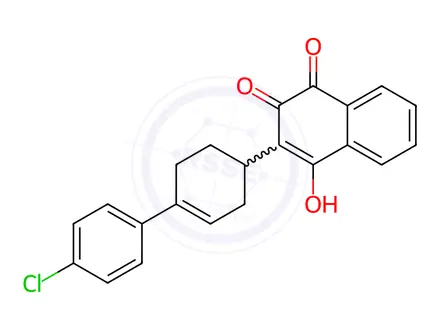
Atovaquone Impurity 12
IN STOCKRS-A097006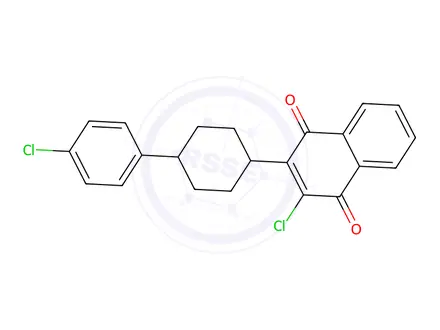
Atovaquone Impurity 12
IN STOCKRS-Z400BYR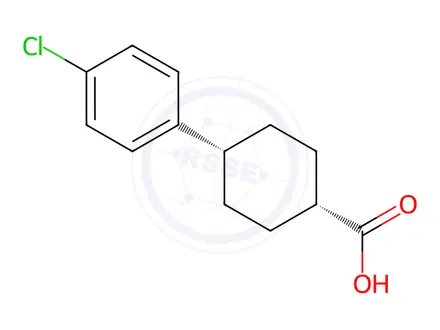
Atovaquone Impurity 15
IN STOCKRS-A097002Atovaquone Impurity 23
IN STOCKRS-Z412M5K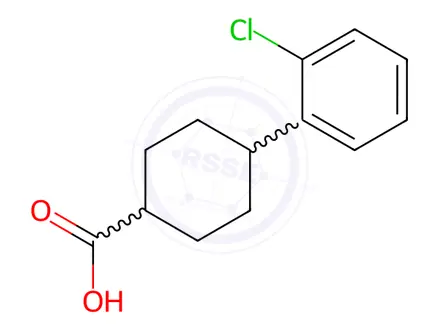
Atovaquone Impurity 24
IN STOCKRS-A097004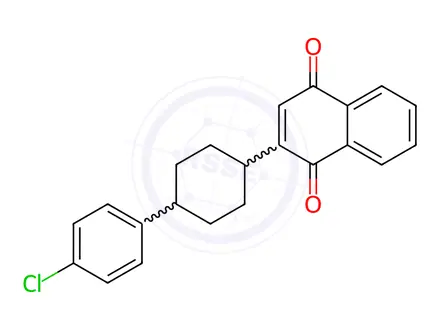
Atovaquone Impurity 26
IN STOCKRS-A097013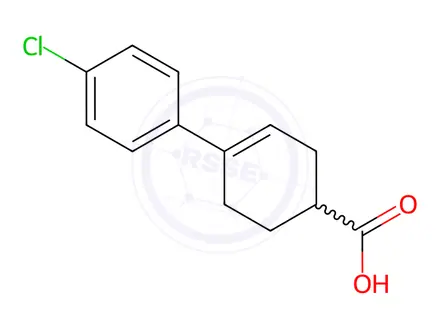
Atovaquone Impurity 27
IN STOCKRS-A097017
Atovaquone Impurity 28
IN STOCKRS-A097020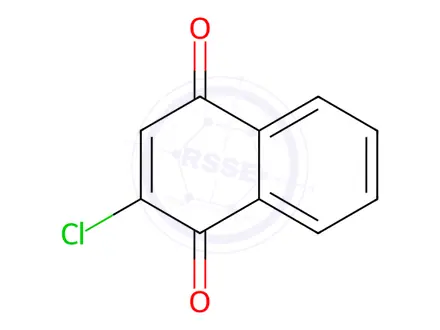
Atovaquone Impurity 29
IN STOCKRS-U006031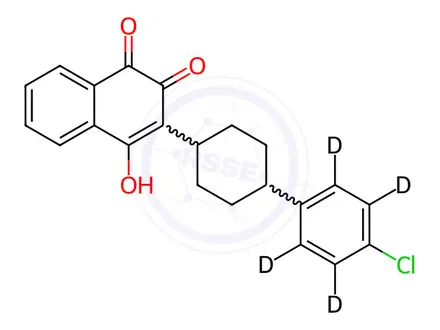
Atovaquone Impurity 30
IN STOCKRS-A097014Atovaquone Impurity 31
IN STOCKRS-A097007Atovaquone Impurity 32
CUSTOM SYNTHESISRS-A097012
36 reference standards
Further entries held for Atovaquone
23 entries are held in the catalogue without a structure drawing; the first 22 are listed. Each carries a catalogue number and, where one has been assigned, a CAS number; packing, documentation and price are quoted on enquiry.
- Atovaquone EP Impurity C (Didehydro Atovaquone)
- Atovaquone EP Impurity D
- Atovaquone for system suitability (Y0001573)
- Atovaquone Impurities and Related Compound
- Atovaquone Impurity 1
- Atovaquone Impurity 17
- Atovaquone Impurity 20
- Atovaquone Impurity 33
- Atovaquone Impurity 34
- Atovaquone Impurity 35
- Atovaquone Impurity 36
- Atovaquone Impurity 37
- Atovaquone Impurity 4
- Atovaquone Impurity 7
- Atovaquone Impurity 8
- Atovaquone Indene Isomer
- Atovaquone Related Compound A (cis-2-[4-(4-chlorophenyl)cyclohexyl]-3-hydroxy-1,4-naphthoquinone) (1044662)
- cis-Atovaquone-d4 (Atovaquone EP Impurity B-d4)
- Didehydro Atovaquone
- Didehydroatovaquone isomer
- O-methyl atovaquone
- O-Methyl Atovaquone-13C,d3
Frequently asked
How many Atovaquone-related reference standards do you hold?
Can you supply an Atovaquone impurity that is not listed here?
What documentation is supplied with Atovaquone impurities?
Do you publish prices or a lead time for Atovaquone impurities?
Cannot find the impurity you need? Non-compendial impurities can be quoted from a structure — a CAS number is not required. Write to sales@rssechem.com.