Berberine impurities and related standards
Read Berberine as an ether oxygen and a ring nitrogen on five rings, three of them aromatic, C20H18NO4+. That is enough to predict how it degrades. Heteroatoms run to 1 nitrogen and 4 oxygens, and that ratio sets both retention and the choice of detector.
A ring nitrogen also binds metals from the process, and the complex that forms can shift retention without any new covalent species. An isomer that keeps every functional group and moves one of them around the ring is the variant to watch, because no stress study will ever produce it. Forced degradation tells you what storage will do and nothing about what the last step leaves behind, which is why the two are reported separately.
Three aromatic rings mean the chromophore is the easy part; the hard part is that every analogue absorbs just as strongly. Co-elution with the parent is common for isomers, and diode-array purity will not flag it because the spectra are identical by construction. With five rings the framework is flat and rigid, so isomers differ in shape far more than in size and still separate. The mass spectrometer earns its place here because the extracted-ion chromatogram resolves what the optical detector integrates as one peak. Basicity here is delocalised, which makes retention less pH-dependent than the structure would suggest.
Material runs from milligram vials for method work to gram lots for qualification, and a lot-specific CoA carries the identity evidence and the supporting spectra.
72 reference standards related to Berberine held in the RSSE catalogue — pharmacopoeial impurities, non-compendial impurities, metabolites and labelled analogues where available.
In this group: 34 impurity reference standards · 22 fine chemicals · 11 general reference standards · 1 multi-component standard. CAS numbers are listed for 72 of 72; 71 entries carry a structure drawing.
On this page
N-nitroso (NDSRI) impurities of Berberine
The N-nitroso forms held for this substance — the structural class that the ICH M7 nitrosamine framework covers. One entry is listed below. A CAS number is not required to quote one of them.
72 reference standards
All entries — structure, identifiers and pack sizes
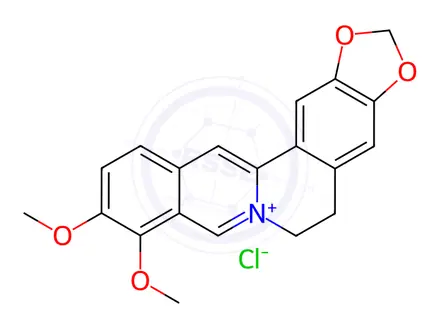
Berberine hydrochloride
IN STOCKRS-M124095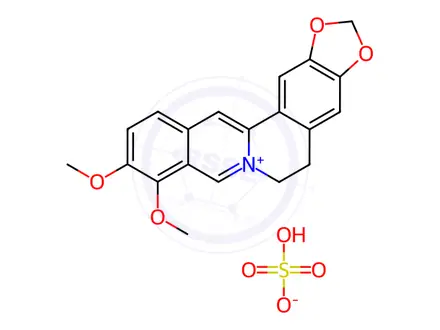
Berberine Sulfate
CUSTOM SYNTHESISRS-B048044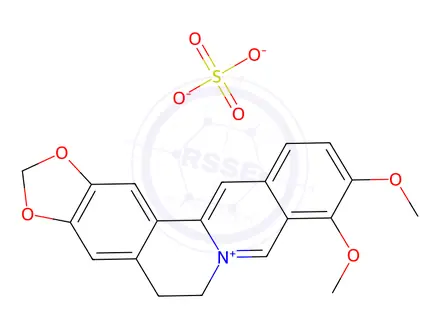
Berberine Sulfate
IN STOCKRS-Z407DWI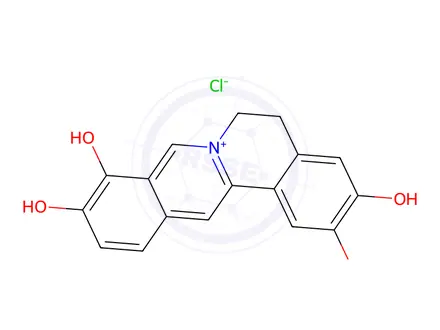
2,3,9,10-Tetrahydroxyberberine Chloride
IN STOCKRS-Z401G80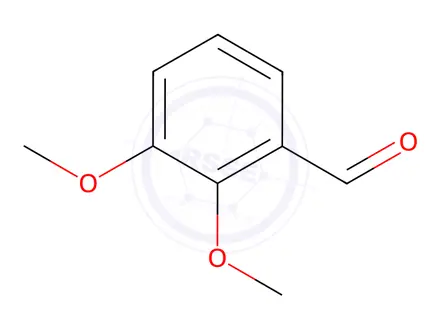
2,3-Dimethoxybenzaldehyde
IN STOCKRS-P006139
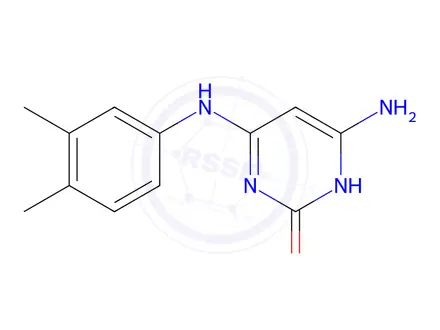
6-Amino-4-((3,4-dimethylphenyl)amino)pyrimidin-2(1H)-one
IN STOCKRS-Z401KGD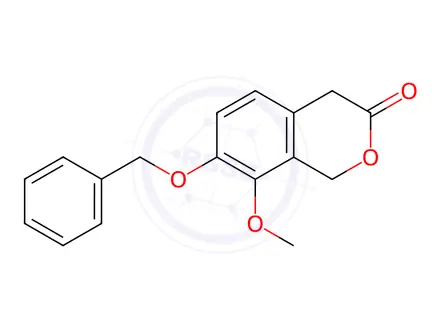
7-(Benzyloxy)-8-Methoxyisochroman-3-One
IN STOCKRS-U081288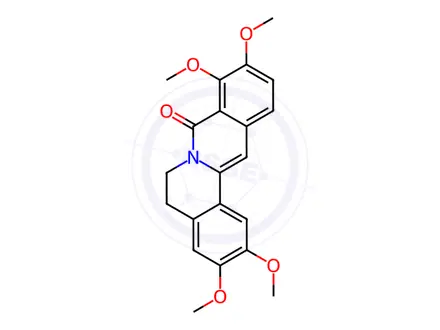
8-oxoypalmatine
IN STOCKRS-U018340

- Custom synthesis — structure on request
Berberine Chloride Hydrate
IN STOCKRS-B048037
BERBERINE CHLORIDE HYDRATE
CUSTOM SYNTHESISRS-Z401K8B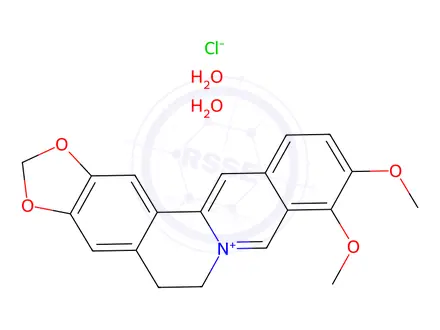
Berberine Hydrochloride Dihydrate
BACK ORDERRS-Z401JMN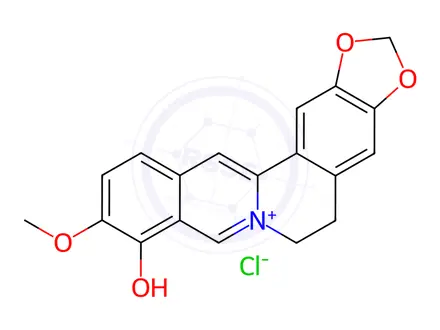
Berberrubine
IN STOCKRS-Z002I8I
berbine
BACK ORDERRS-U043266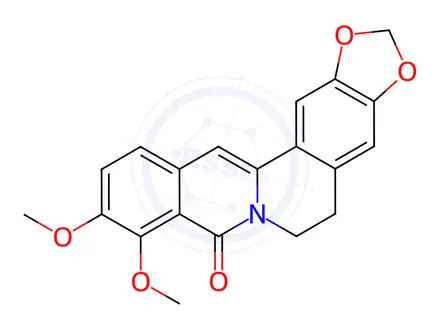
Berlambine
IN STOCKRS-U043174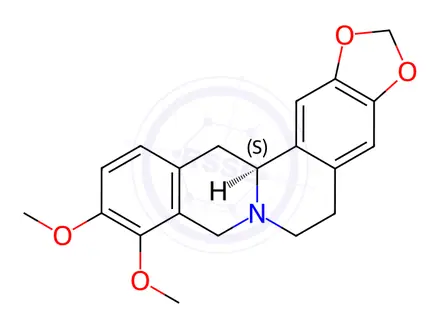
Canadine
IN STOCKRS-B048024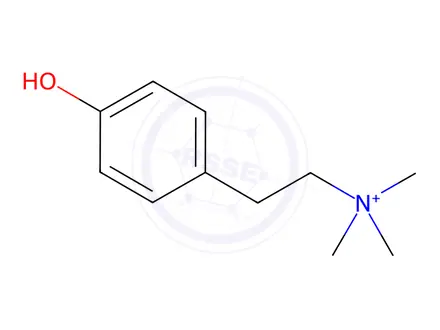
Candicine
IN STOCKRS-U063390
Cheilanthifoline
CUSTOM SYNTHESISRS-U065367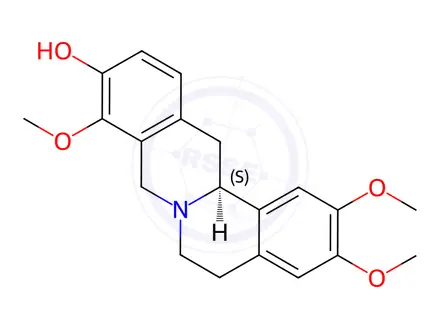
Corydalmine
IN STOCKRS-B048021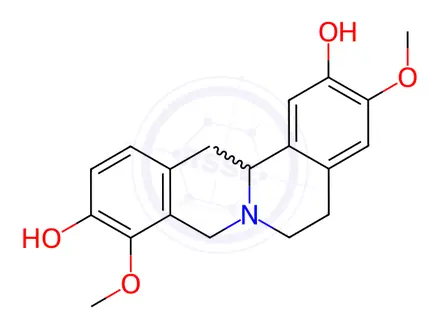
D,L-Stepholidine
IN STOCKRS-U062619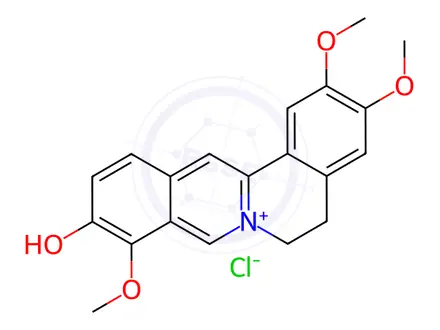
Dehydrocorydalmine Chloride
IN STOCKRS-U077103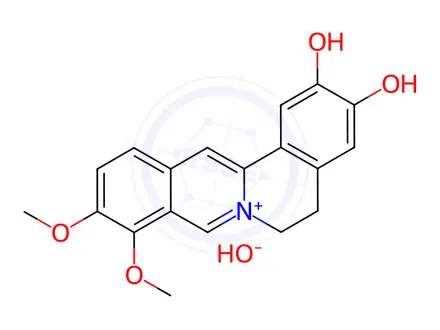
Demethyleneberberine
CUSTOM SYNTHESISRS-U077255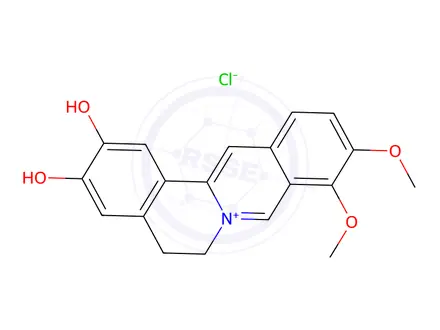
Demethyleneberberine Chloride
IN STOCKRS-Z401CWE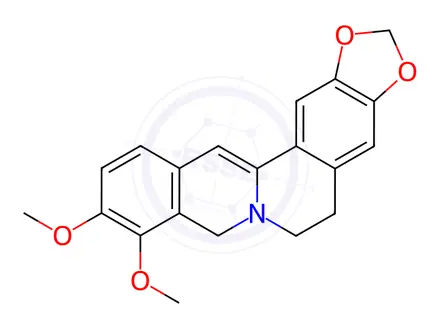
Dihydroberbine
CUSTOM SYNTHESISRS-U077351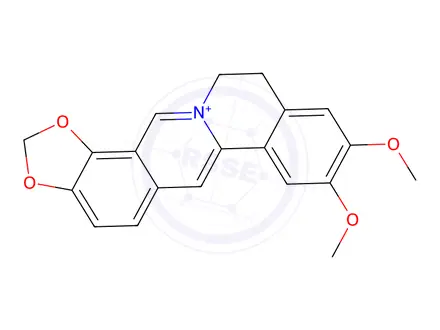
Epiberberine
IN STOCKRS-Z401K9V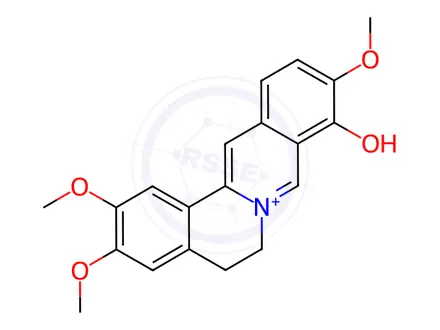
Palmatrubine
IN STOCKRS-U044560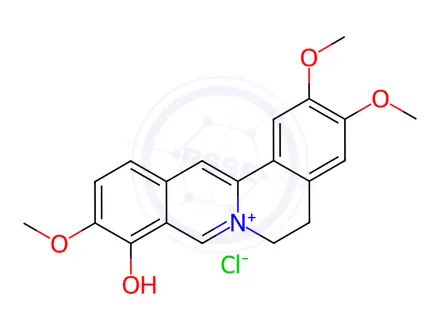
Palmatrubine Chloride
CUSTOM SYNTHESISRS-U044172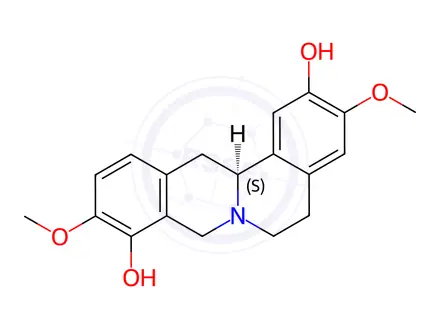
Scoulerine
IN STOCKRS-U106426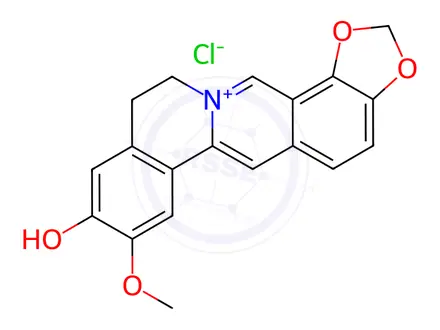
Tetradehydrocheilanthiofolinium
IN STOCKRS-U046240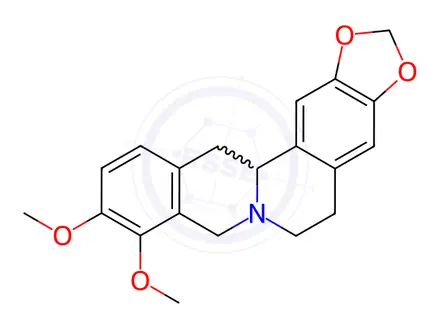
Tetrahydroberberine
CUSTOM SYNTHESISRS-U046269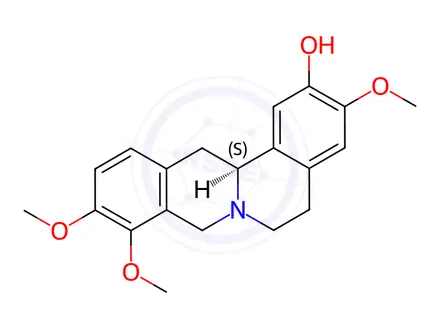
Tetrahydrocolumbamine
IN STOCKRS-B048004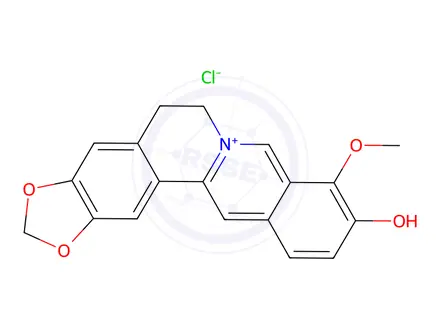
Thalifendine Chloride
IN STOCKRS-Z401IU6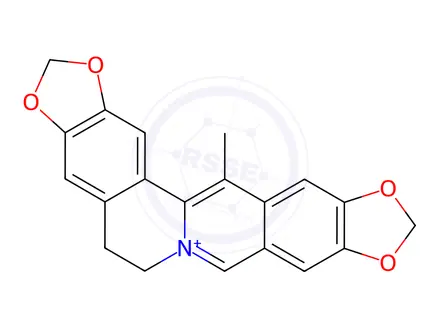
Worenine chloride
CUSTOM SYNTHESISRS-U036040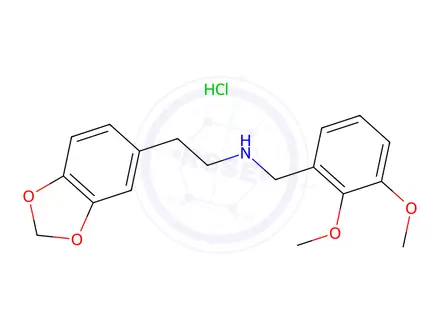
Berberine Impurity 1 (HCl Salt)
IN STOCKRS-Z412QRT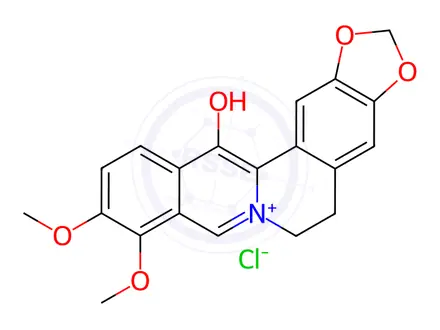
Berberine Impurity 4(Chloride salt)
CUSTOM SYNTHESISRS-B048018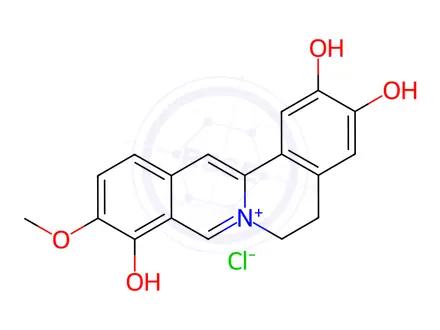
Berberine Impurity 5 (Chloride)
IN STOCKRS-B048010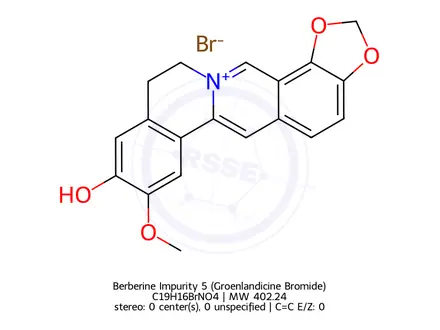
Berberine Impurity 5 (Groenlandicine Bromide)
IN STOCKRS-B048067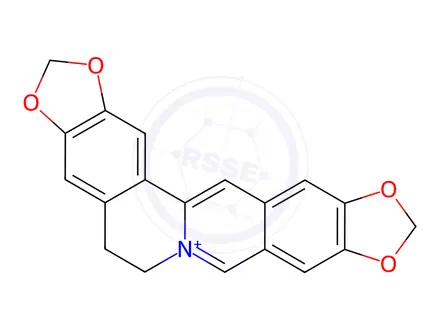
Berberine Impurity 10 Monomer
CUSTOM SYNTHESISRS-B048008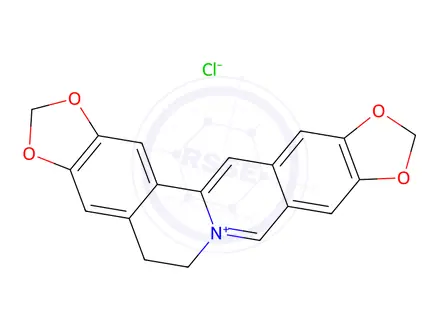
Berberine Impurity 11 Chloride
IN STOCKRS-Z401HHE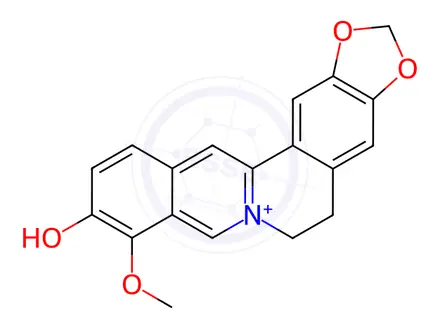
Berberine Impurity 14 Monomer
IN STOCKRS-B048020
Berberine Impurity 15 Chloride
IN STOCKRS-B048028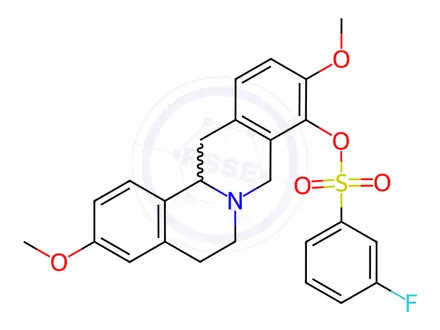
Berberine Impurity 16
CUSTOM SYNTHESISRS-B048005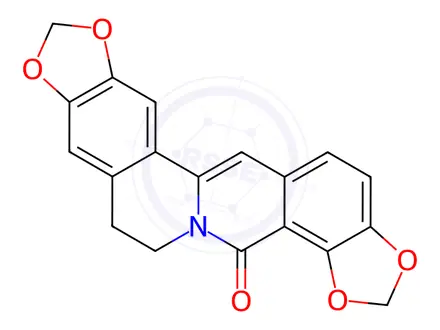
Berberine Impurity 18
IN STOCKRS-B048032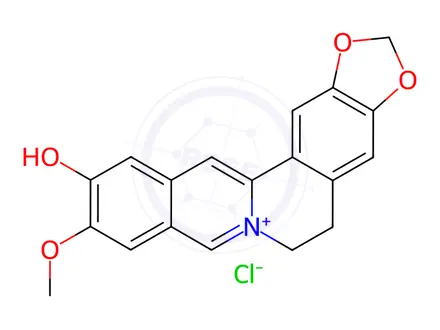
Berberine Impurity 24 Chloride
IN STOCKRS-B048033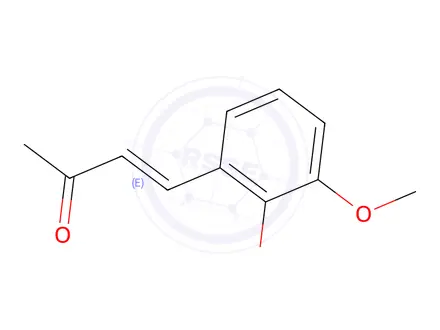
Berberine Impurity 26
IN STOCKRS-I001B5Y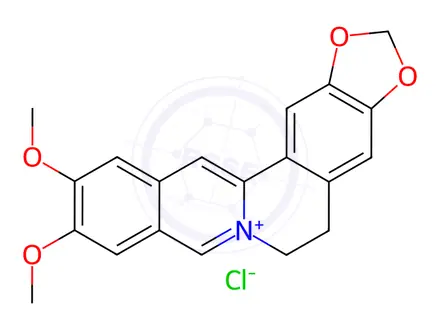
Berberine Impurity 26 Chloride
IN STOCKRS-B048040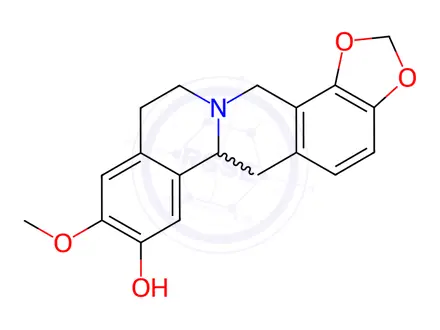
Berberine Impurity 33
IN STOCKRS-B048035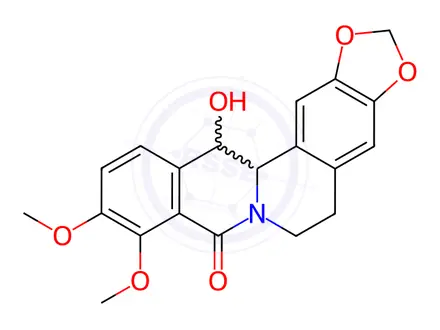
Berberine Impurity 39
IN STOCKRS-B048045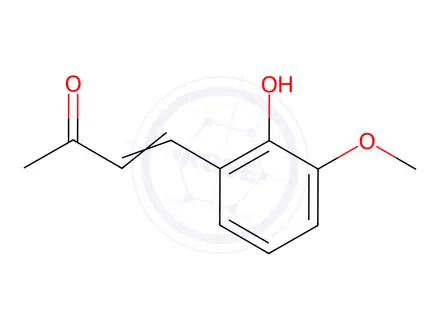
Berberine Impurity 40
IN STOCKRS-B048046
Berberine Impurity 43
IN STOCKRS-B048019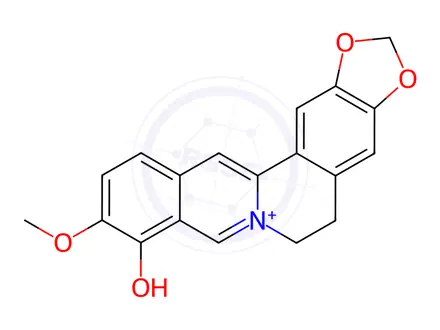
Berberine Impurity 47
IN STOCKRS-B048003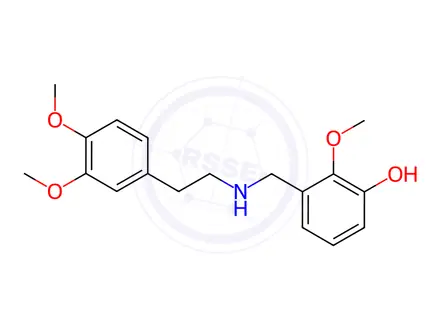
Berberine Impurity 49
IN STOCKRS-B048007Berberine Impurity 50
IN STOCKRS-B048009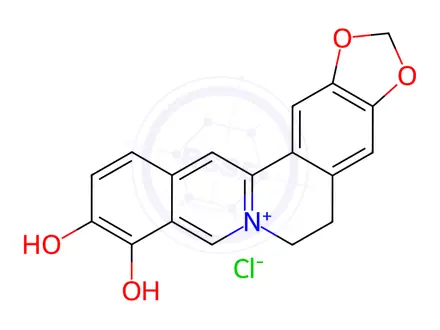
Berberine Impurity 51
CUSTOM SYNTHESISRS-B048011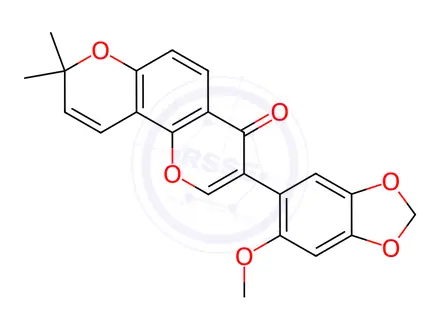
Berberine Impurity 52
CUSTOM SYNTHESISRS-B048012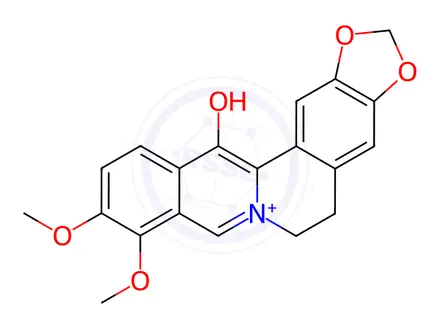
Berberine Impurity 53
IN STOCKRS-B048015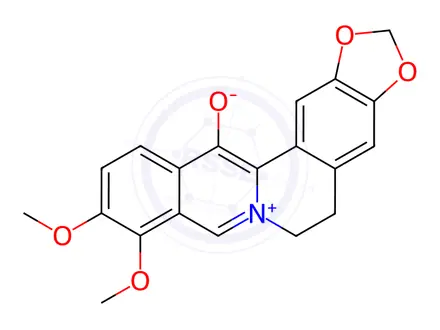
Berberine Impurity 54
IN STOCKRS-B048017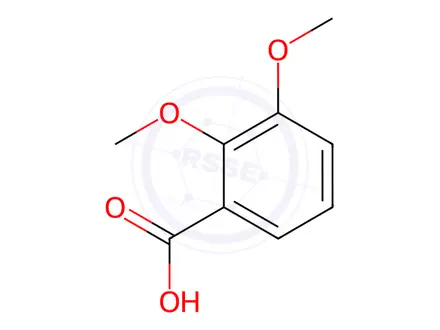
Berberine Impurity 55
IN STOCKRS-B048027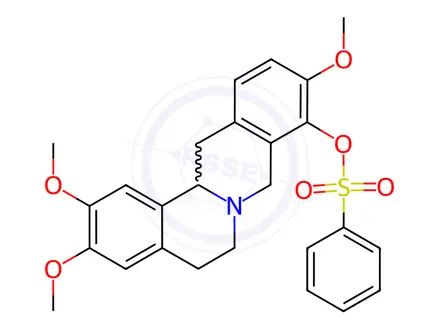
Berberine Impurity 56
CUSTOM SYNTHESISRS-B048031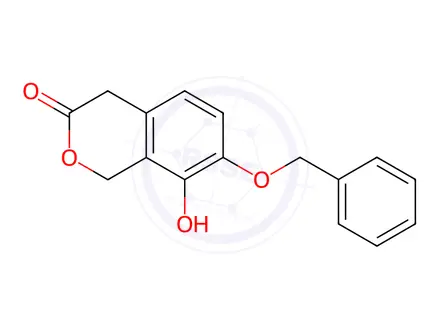
Berberine Impurity 57
IN STOCKRS-B048036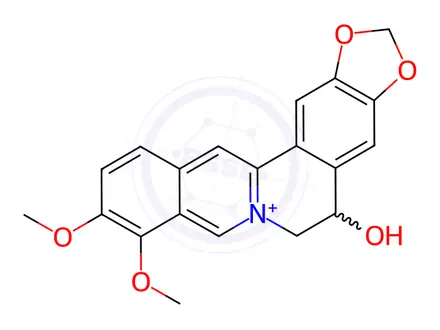
Berberine Impurity 58
IN STOCKRS-B048029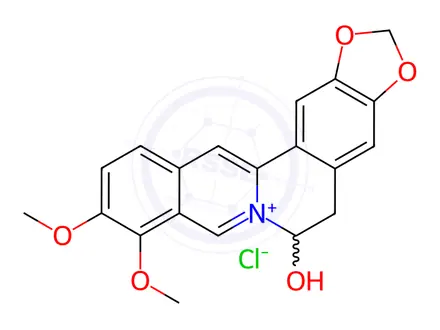
Berberine Impurity 59
IN STOCKRS-B048030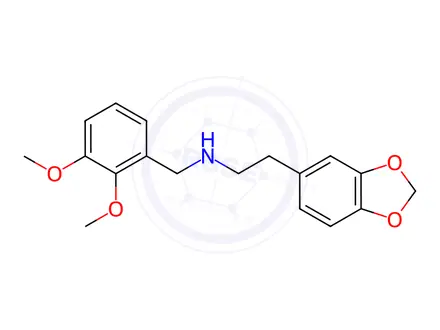
Berberine Impurity 66
IN STOCKRS-B048013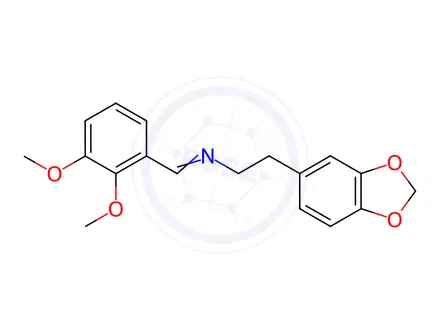
Berberine Impurity 67
IN STOCKRS-B048014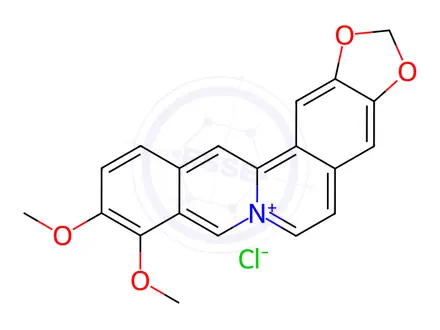
Berberine Impurity 68
IN STOCKRS-B048016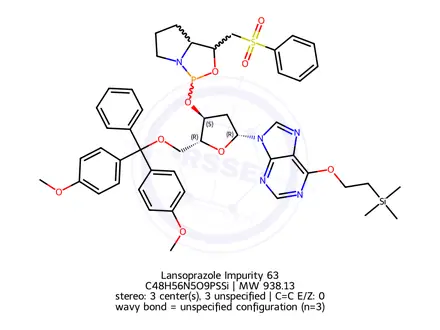
Berberine Impurity 69
CUSTOM SYNTHESISRS-B048022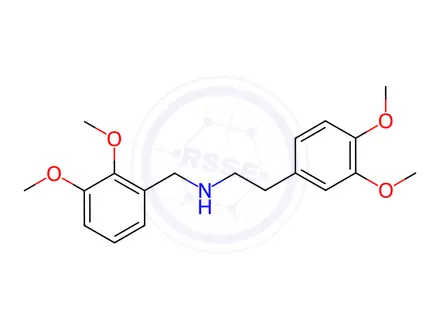
Berberine Impurity 70
IN STOCKRS-B048023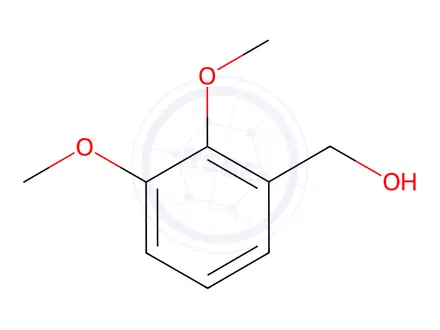
Berberine Impurity 71
CUSTOM SYNTHESISRS-B048025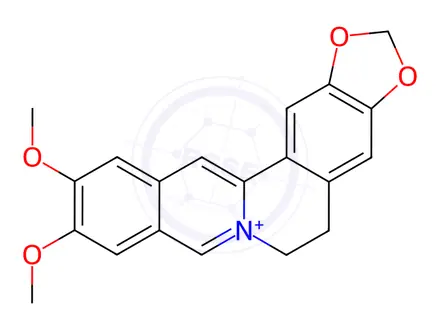
Berberine Impurity 73
IN STOCKRS-B048034
72 reference standards
Further entries held for Berberine
62 entries are held in the catalogue without a structure drawing. Each carries a catalogue number and, where one has been assigned, a CAS number; packing, documentation and price are quoted on enquiry.
- Berberine Chloride D6
- Berberine Hydrochloride D6
- Berberine Impurities and Related Compound
- Berberine Impurity 1 HCl
- Berberine Impurity 10
- Berberine Impurity 10
- Berberine Impurity 14
- Berberine impurity 2
- Berberine Impurity 2
- Berberine Impurity 2
- Berberine Impurity 20
- Berberine Impurity 21
- Berberine Impurity 22 Chloride
- Berberine Impurity 23
- Berberine Impurity 24
- Berberine Impurity 29
- Berberine Impurity 29
- Berberine Impurity 3
- Berberine Impurity 3 Chloride
- Berberine Impurity 30
- Berberine Impurity 30
- Berberine Impurity 31
- Berberine Impurity 32
- Berberine Impurity 35
- Berberine Impurity 39
- Berberine Impurity 4 Chloride
- Berberine Impurity 40
- Berberine Impurity 41
- Berberine Impurity 44
- Berberine Impurity 45
- Berberine Impurity 46
- Berberine Impurity 48
- Berberine impurity 5
- Berberine Impurity 6 Monomer
- Berberine Impurity 60
- Berberine Impurity 61
- Berberine Impurity 62
- Berberine Impurity 63
- Berberine Impurity 64
- Berberine Impurity 65
- Berberine impurity 7
- Berberine Impurity 7
- Berberine Impurity 72
- Berberine Impurity 74
- Berberine Impurity 75
- Berberine Impurity 76
- Berberine Impurity 77
- Berberine Impurity 78
- Berberine Impurity 79
- Berberine Impurity 80
- Berberine Impurity 81
- Berberine Impurity 82
- Berberine Impurity 83
- Berberine Impurity 84
- Berberine Impurity 85
- Berberine Impurity 86
- Berberine Impurity 87
- Berberine Impurity 88
- Berberine Impurity 89
- Berberine Impurity 9 Iodide
- Berberine Impurity 90
- Berberine Sulfate Trihydrate
Frequently asked
How many Berberine-related reference standards do you hold?
Can you supply a Berberine impurity that is not listed here?
What documentation is supplied with Berberine impurities?
Do you publish prices or a lead time for Berberine impurities?
Cannot find the impurity you need? Non-compendial impurities can be quoted from a structure — a CAS number is not required. Write to sales@rssechem.com.