Blonanserin impurities and related standards
The datasheet line for Blonanserin reads C23H30FN3, 367.5. The structure behind it is four rings, two of them aromatic, carrying a tertiary amine and a ring nitrogen. Heteroatoms run to 3 nitrogens and 1 halogen, and that ratio sets both retention and the choice of detector.
Isomeric material is the one family that survives every purification step, because it has the same solubility, the same charge and nearly the same shape. An isomer that keeps every functional group and moves one of them around the ring is the variant to watch, because no stress study will ever produce it. The tertiary nitrogen oxidises to the N-oxide and dealkylates under peroxide stress; the N-oxide loses most of its retention in one step. N-oxidation and azo coupling compete here, and both products carry colour the parent does not have.
Mass detection is the confirmatory step: an extracted-ion trace separates what the optical channel merges, and the fragments name the structure. UV works because of the ring; an impurity that loses it effectively disappears from the chromatogram. A calculated logP of 4.69 puts the compound and its lipophilic analogues at the back of the run, close enough to need a flat gradient there. At neutral pH only the uncharged fraction retains, so peak shape becomes a function of sample load.
The same release route covers milligram and gram lots, and the CoA travels with the vial together with the chromatogram and the mass spectrum.
Sources: PubMed (US NLM) - search results for blonanserin in schizophrenia.
43 reference standards related to Blonanserin held in the RSSE catalogue — pharmacopoeial impurities, non-compendial impurities, metabolites and labelled analogues where available.
In this group: 25 impurity reference standards · 15 fine chemicals · 1 general reference standard · 1 nitrosamine standard. CAS numbers are listed for 43 of 43; 43 entries carry a structure drawing.
On this page
N-nitroso (NDSRI) impurities of Blonanserin
The N-nitroso forms held for this substance — the structural class that the ICH M7 nitrosamine framework covers. 6 entries are listed. A CAS number is not required to quote one of them.
- 1-Ethyl-4-nitroso-piperazine
- Blonanserin Impurity 48 (N1-Nitroso Blonanserin Impurity 10)
- Blonanserin Impurity 49 (N2-Nitroso Blonanserin Impurity 10)
- Blonanserin Impurity 50 (N1,N2-Dinitroso Blonanserin Impurity 10)
- Blonanserin Impurity 51 (N-Nitroso Blonanserin Impurity 14)
- N-Nitroso-N-Desethyl Blonanserin
43 reference standards
All entries — structure, identifiers and pack sizes
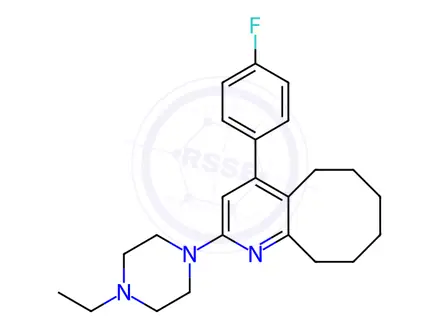
Blonanserin
IN STOCKRS-I012021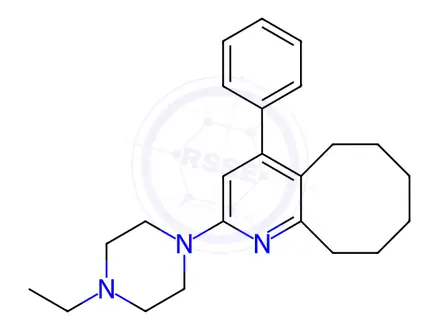
blonanserin Impurity A
IN STOCKRS-B074001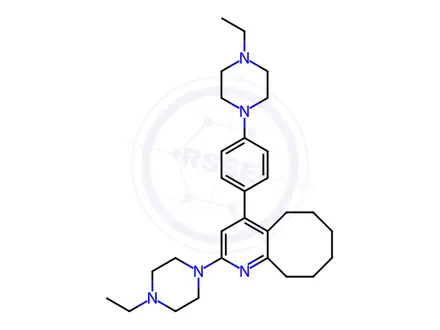
blonanserin Impurity B
BACK ORDERRS-B074015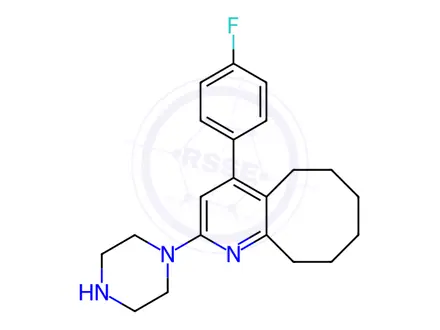
blonanserin Impurity C
IN STOCKRS-B074004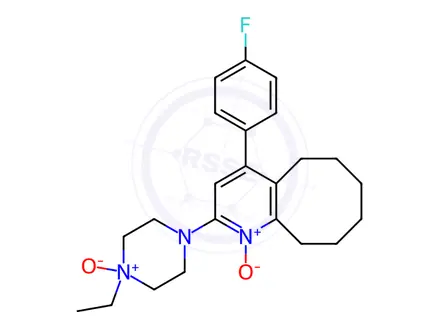
Blonanserin Impurity D
BACK ORDERRS-B074016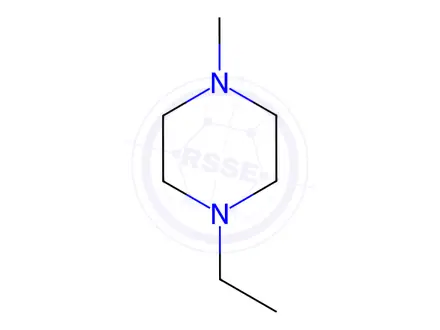
Blonanserin Impurity F
IN STOCKRS-B074019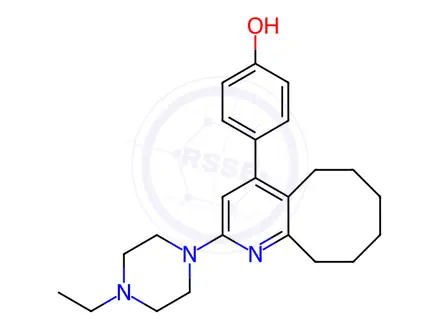
Blonanserin Impurity I
IN STOCKRS-B074006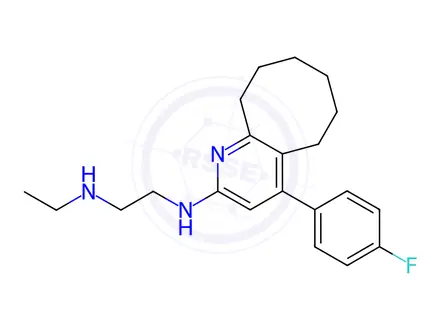
Blonanserin Impurity J
CUSTOM SYNTHESISRS-B074017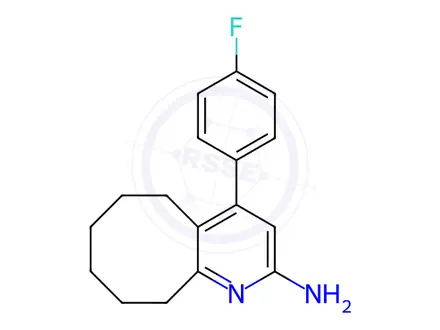
Blonanserin Impurity K
IN STOCKRS-B074021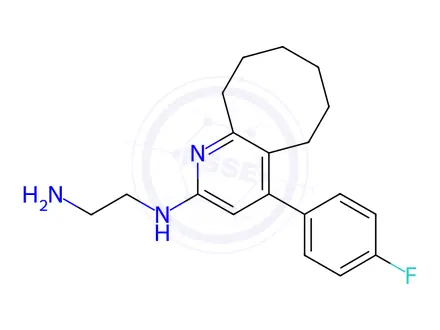
Blonanserin Impurity N
IN STOCKRS-B074014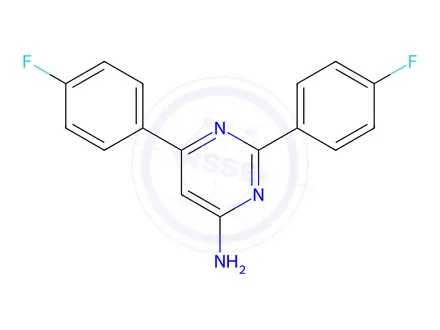
Blonanserin Impurity P
CUSTOM SYNTHESISRS-Z413OGP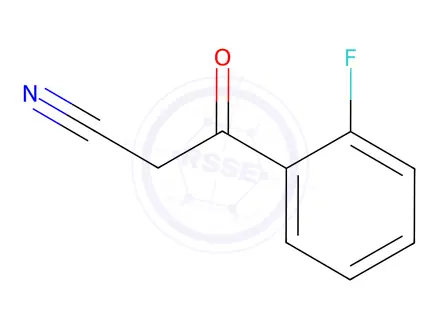
Blonanserin Impurity R
IN STOCKRS-B074029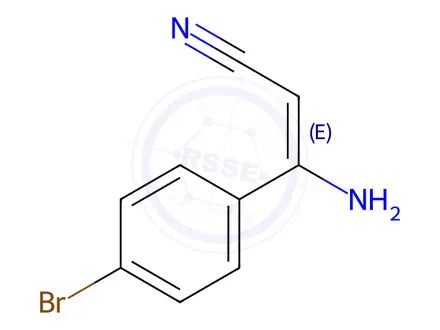
(E)3-Amino-3-(4-bromophenyl)acrylonitrile
BACK ORDERRS-U047802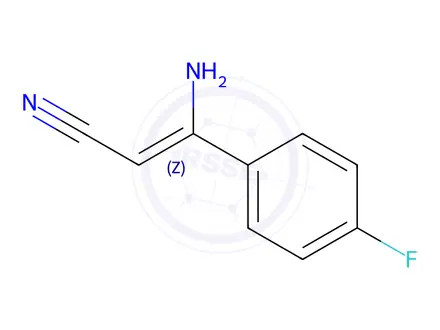
(Z)-3-Amino-3-(4-fluoro-phenyl)-acrylonitrile
BACK ORDERRS-U020267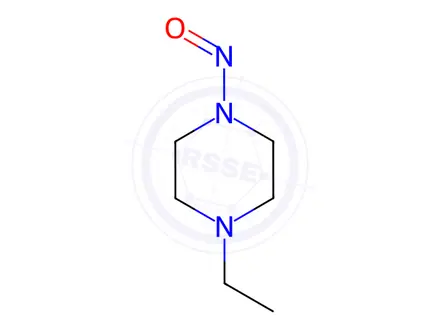
1-Ethyl-4-nitroso-piperazine
IN STOCKRS-P122002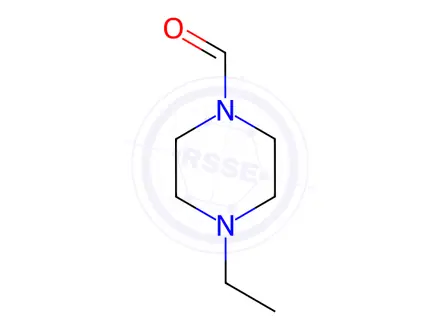
1-Piperazinecarboxaldehyde, 4-ethyl-
IN STOCKRS-U001938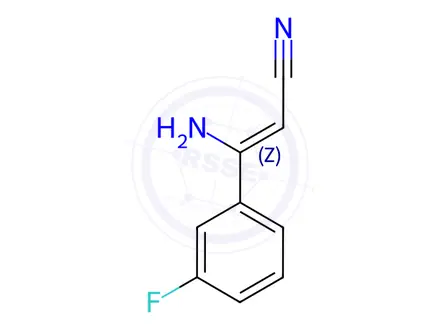
2-Propenenitrile, 3-amino-3-(3-fluorophenyl)-
IN STOCKRS-U001A4L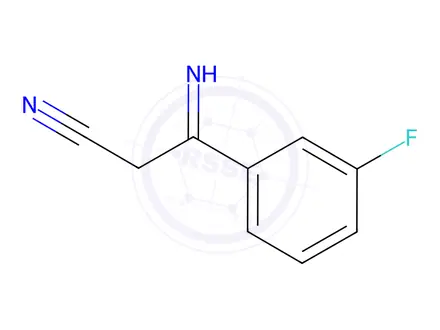
3-(3-fluorophenyl)-3-iminopropanenitrile
CUSTOM SYNTHESISRS-U014979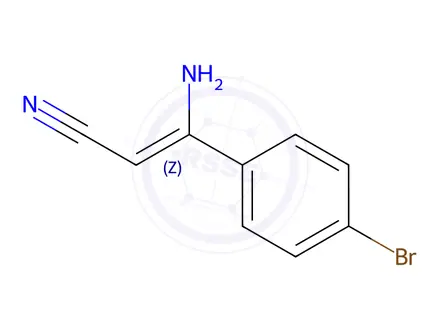
3-amino-3-(4-bromophenyl)acrylonitrile
BACK ORDERRS-U074832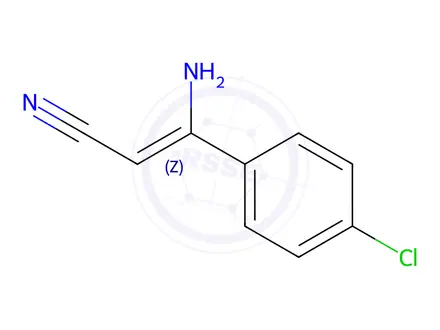
3-amino-3-(4-chlorophenyl)prop-2-enenitrile
BACK ORDERRS-U074587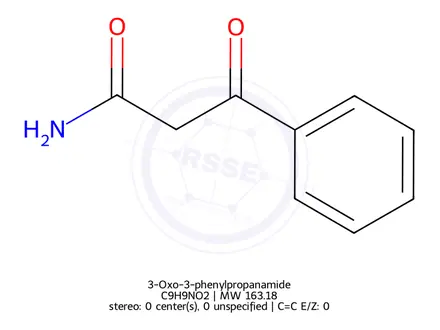
3-Oxo-3-phenylpropanamide
IN STOCKRS-U018845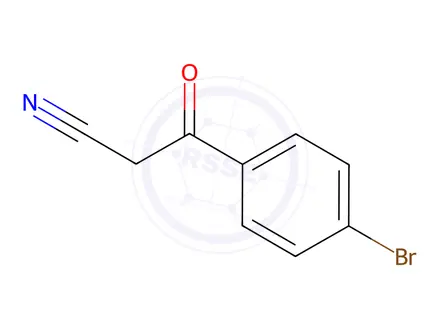
4-Bromobenzoylacetonitrile
IN STOCKRS-U108550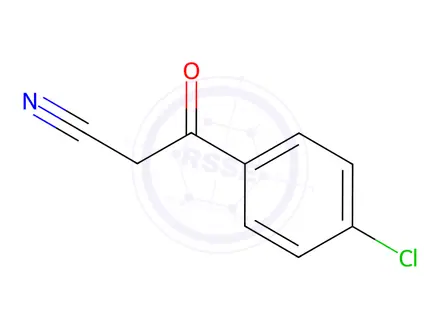
4-Chloro benzoyl Acetonitrile
IN STOCKRS-U111041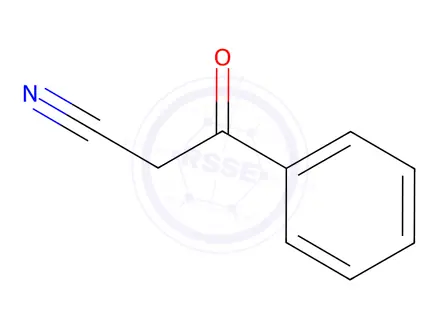
Benzoylacetonitrile
IN STOCKRS-U043186
Blonanserin N-Oxide
IN STOCKRS-B074012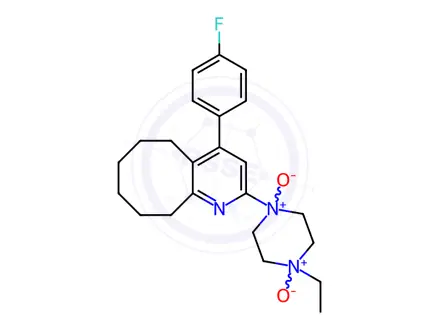
Blonanserin N’N-oxide
BACK ORDERRS-B074030
Blonanserin-d5
IN STOCKRS-B074027

Cycloocta[b]pyridine, 2-chloro-4-(4-chlorophenyl)-5,6,7,8,9,10-hexahydro-
CUSTOM SYNTHESISRS-U045391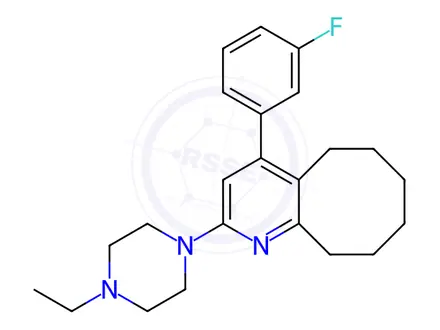
Blonanserin Impurity 9
IN STOCKRS-B074026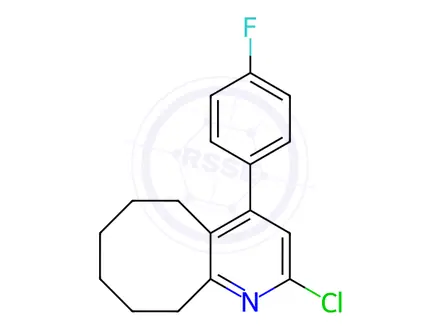
Blonanserin Impurity 25
CUSTOM SYNTHESISRS-B074009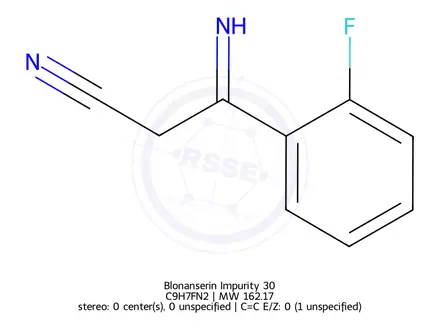
Blonanserin Impurity 30
IN STOCKRS-B074031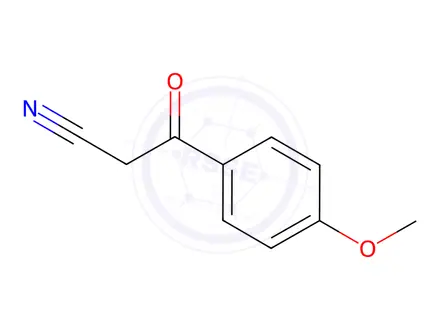
Blonanserin Impurity 38
IN STOCKRS-U003272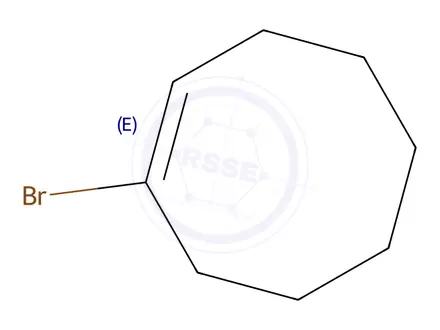
Blonanserin Impurity 41
IN STOCKRS-B074028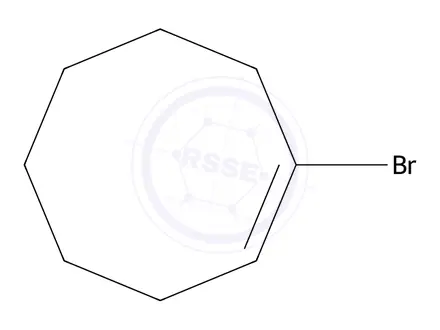
Blonanserin Impurity 42(Mixture of E/Z-isomers)
IN STOCKRS-B074032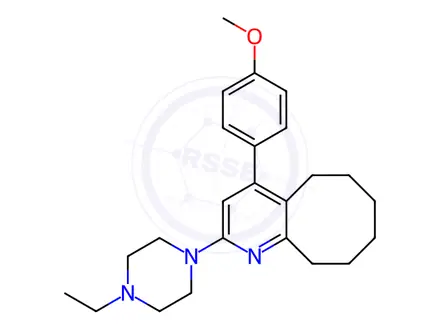
Blonanserin Impurity 52
CUSTOM SYNTHESISRS-B074003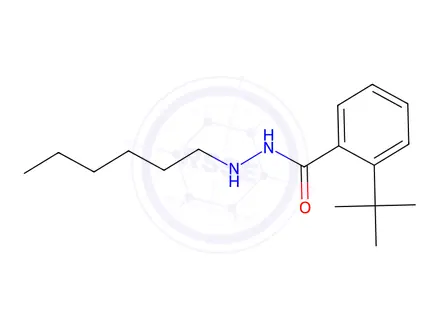
Blonanserin Impurity 53
IN STOCKRS-B074011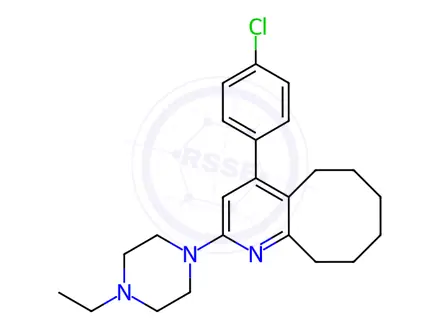
Blonanserin Impurity 84
IN STOCKRS-B074002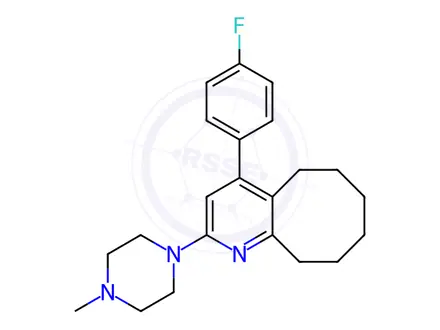
Blonanserin Impurity 85
IN STOCKRS-B074005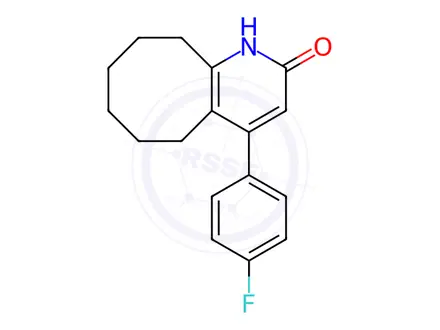
Blonanserin Impurity 86
IN STOCKRS-B074007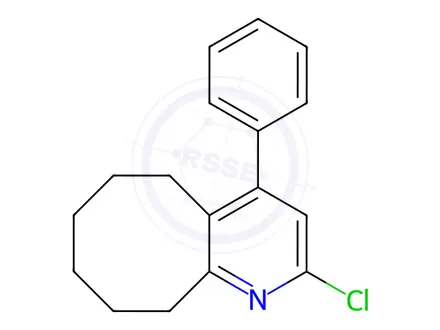
Blonanserin Impurity 87
IN STOCKRS-B074008
Blonanserin Impurity 89
CUSTOM SYNTHESISRS-B074018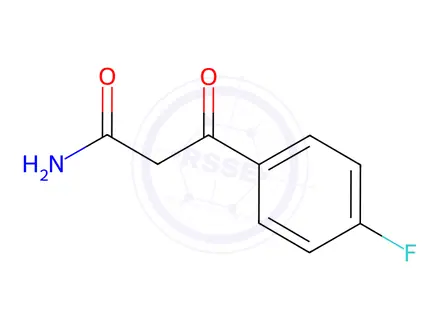
Blonanserin Impurity 90
IN STOCKRS-B074022
43 reference standards
Further entries held for Blonanserin
109 entries are held in the catalogue without a structure drawing. Each carries a catalogue number and, where one has been assigned, a CAS number; packing, documentation and price are quoted on enquiry.
- Blonanserin Impurities and Related Compound
- Blonanserin Impurity
- Blonanserin Impurity 1
- Blonanserin Impurity 10
- Blonanserin Impurity 10
- Blonanserin Impurity 10
- Blonanserin Impurity 100
- Blonanserin Impurity 101
- Blonanserin Impurity 102
- Blonanserin Impurity 103
- Blonanserin Impurity 104
- Blonanserin Impurity 11
- Blonanserin Impurity 11
- Blonanserin Impurity 12
- Blonanserin Impurity 13
- Blonanserin Impurity 14
- Blonanserin Impurity 15
- Blonanserin Impurity 15
- Blonanserin Impurity 17
- Blonanserin Impurity 17
- Blonanserin Impurity 17
- Blonanserin Impurity 19
- Blonanserin Impurity 19
- Blonanserin Impurity 2
- Blonanserin Impurity 2 DiHCl
- Blonanserin Impurity 21
- Blonanserin Impurity 22
- Blonanserin Impurity 22
- Blonanserin Impurity 25
- Blonanserin Impurity 27
- Blonanserin Impurity 27
- Blonanserin Impurity 28
- Blonanserin Impurity 29
- Blonanserin Impurity 3
- Blonanserin Impurity 31
- Blonanserin Impurity 32
- Blonanserin Impurity 33
- Blonanserin Impurity 34
- Blonanserin Impurity 35
- Blonanserin Impurity 36
- Blonanserin Impurity 37
- Blonanserin Impurity 4
- Blonanserin Impurity 4
- Blonanserin Impurity 4-d8
- Blonanserin Impurity 44
- Blonanserin Impurity 46
- Blonanserin Impurity 47
- Blonanserin Impurity 5
- Blonanserin Impurity 5
- Blonanserin Impurity 5
- Blonanserin Impurity 55
- Blonanserin Impurity 56
- Blonanserin Impurity 57
- Blonanserin Impurity 58
- Blonanserin Impurity 59
- Blonanserin Impurity 6
- Blonanserin Impurity 6
- Blonanserin Impurity 60
- Blonanserin Impurity 61
- Blonanserin Impurity 62
- Blonanserin Impurity 63
- Blonanserin Impurity 64
- Blonanserin Impurity 65
- Blonanserin Impurity 66
- Blonanserin Impurity 67
- Blonanserin Impurity 68
- Blonanserin Impurity 69
- Blonanserin Impurity 7
- Blonanserin Impurity 7
- Blonanserin Impurity 70
- Blonanserin Impurity 71
- Blonanserin Impurity 72
- Blonanserin Impurity 73
- Blonanserin Impurity 74
- Blonanserin Impurity 75
- Blonanserin Impurity 76
- Blonanserin Impurity 77
- Blonanserin Impurity 78
- Blonanserin Impurity 79
- Blonanserin Impurity 8
- Blonanserin Impurity 80
- Blonanserin Impurity 81
- Blonanserin Impurity 82
- Blonanserin Impurity 83
- Blonanserin Impurity 88
- Blonanserin Impurity 91
- Blonanserin Impurity 92
- Blonanserin Impurity 93
- Blonanserin Impurity 94
- Blonanserin Impurity 95
- Blonanserin Impurity 96
- Blonanserin Impurity 97
- Blonanserin Impurity 98
- Blonanserin Impurity 99
- Blonanserin Impurity E
- blonanserin impurity G
- blonanserin impurity H
- blonanserin impurity L
- Blonanserin Impurity O
- Blonanserin Impurity O
- Blonanserin Impurity S
- Blonanserin Impurity T
- Blonanserin Impurity U
- Blonanserin Impurity V
- Blonanserin Impurity W
- Blonanserin Impurity Y
- Blonanserin Impurity Z
- Blonanserin Metabolite 5
- Blonanserin-d8
Frequently asked
How many Blonanserin-related reference standards do you hold?
Can you supply a Blonanserin impurity that is not listed here?
What documentation is supplied with Blonanserin impurities?
Do you publish prices or a lead time for Blonanserin impurities?
Cannot find the impurity you need? Non-compendial impurities can be quoted from a structure — a CAS number is not required. Write to sales@rssechem.com.