Bupropion impurities and related standards
The structure behind Bupropion is C13H18ClNO, 239.8, a secondary amine and a ketone, and its impurities come from the weakest of them. The ring count is one, one aromatic, and the molecule carries one stereocentre.
In practice the profile splits into route-derived material, degradants and positional or geometric variants, and each is controlled by a different lever. The carbon-halogen bond survives storage and leaves under strong base or catalytic hydrogenation; the dehalogenated analogue differs by a few mass units. One stereocentre is enough to split the work in two: the enantiomer needs a chiral method and a standard of its own. The amine reacts with residual formaldehyde and with reducing sugars, and the adduct is heavier than the parent by a defined mass.
For an isomer pair the ultraviolet spectra superimpose, which leaves MS as the only orthogonal evidence and the only way to assign which peak is which. One or two aromatic rings give enough absorbance for a 220 to 254 nm channel, and not much margin beyond that. A polar surface area of 29.1 means lipophilicity dominates, and the compound sits late in the gradient with its close analogues. A low-wavelength channel picks up the mobile phase as much as the analyte, and baseline drift hides anything below a tenth of a per cent.
The same release route covers milligram and gram lots, and the paperwork is part of the delivery: CoA, HPLC chromatogram, mass spectrum.
Sources: DailyMed (U.S. National Library of Medicine) - label page.
96 reference standards related to Bupropion held in the RSSE catalogue — pharmacopoeial impurities, non-compendial impurities, metabolites and labelled analogues where available.
In this group: 41 impurity reference standards · 19 fine chemicals · 11 stable isotope labelled standards · 9 general reference standards. CAS numbers are listed for 96 of 96; 96 entries carry a structure drawing.
On this page
N-nitroso (NDSRI) impurities of Bupropion
The N-nitroso forms held for this substance — the structural class that the ICH M7 nitrosamine framework covers. 10 entries are listed. A CAS number is not required to quote one of them.
- (3S,5R,6R)-Bupropion Nitroso Impurity
- (3S,5S,6S)-Bupropion Nitroso Impurity
- Bupropion Nitroso Impurity 1
- Bupropion Nitroso Impurity 2
- N-Nitroso Bupropion 2'-Chloro Analog
- N-Nitroso Bupropion SRR-Isomer
- N-Nitroso Bupropion USP Related Compound A
- N-Nitroso Bupropion USP Related Compound B
- N-Nitroso Bupropion-d9
- N-Nitroso Deschloro Bupropion
96 reference standards
All entries — structure, identifiers and pack sizes
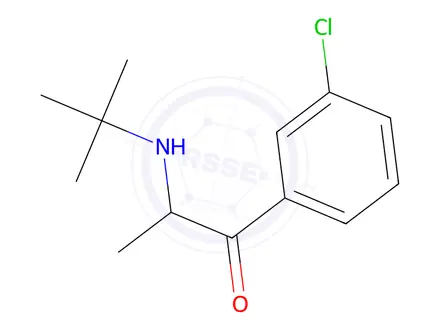
Bupropion
IN STOCKRS-I012215Bupropion
CUSTOM SYNTHESISRS-Z412Q7W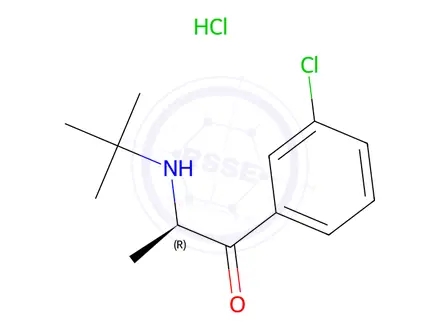
(R)-Bupropion hydrochloride
IN STOCKRS-Z412ST1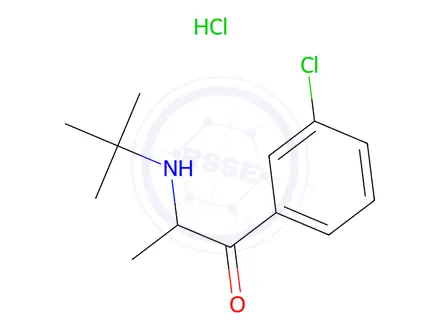
Bupropion hydrochloride
IN STOCKRS-I012054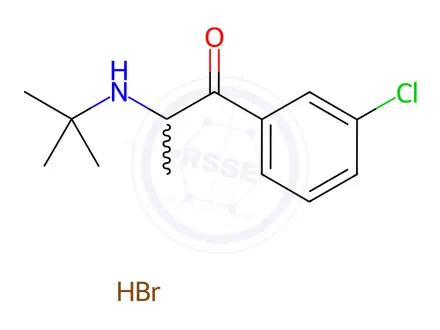
Bupropion Hydrobromide(Secondary Standards traceble to USP)
IN STOCKRS-B018048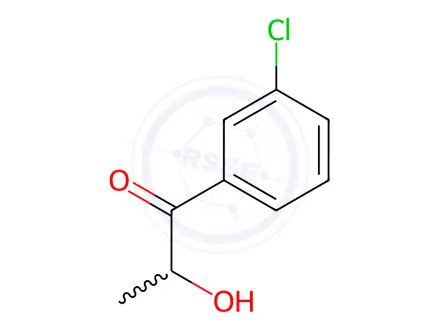
Bupropion USP Related Compound C
IN STOCKRS-B018006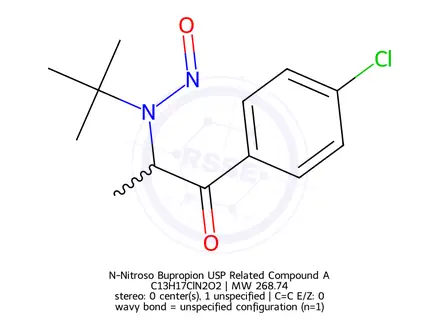
N-Nitroso Bupropion USP Related Compound A
IN STOCKRS-B018079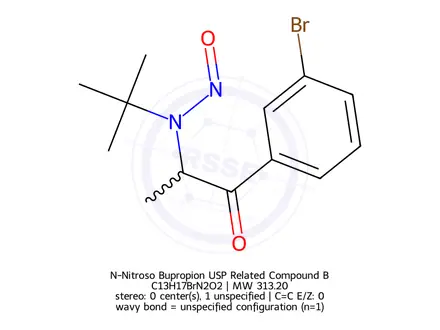
N-Nitroso Bupropion USP Related Compound B
IN STOCKRS-B018080
Bupropion Impurity A HCl
IN STOCKRS-B018003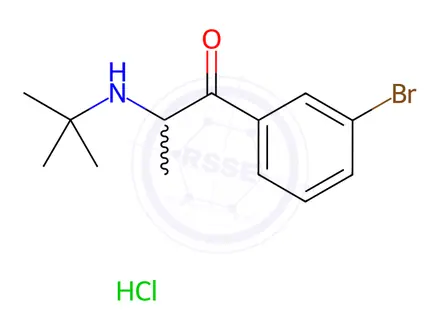
Bupropion Impurity B HCl
IN STOCKRS-B018002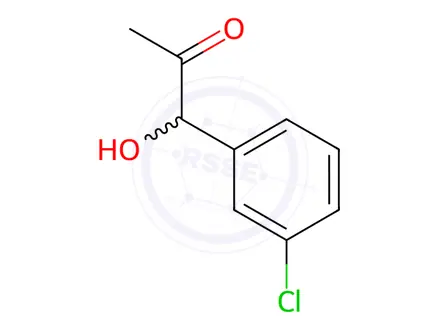
Bupropion Impurity F
IN STOCKRS-B018013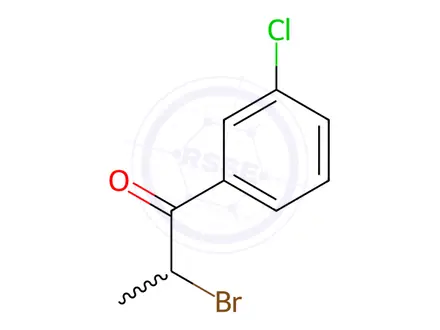
Bupropion Impurity M1-9
IN STOCKRS-B018011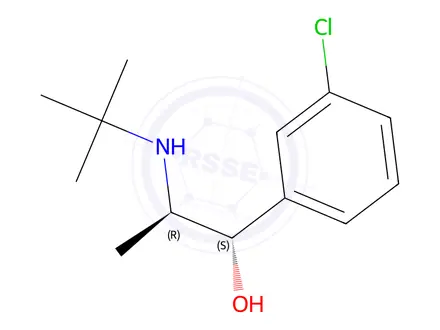
(1S,2R)-2-(tert-butylamino)-1-(3-chlorophenyl)propan-1-ol
IN STOCKRS-Z412U1H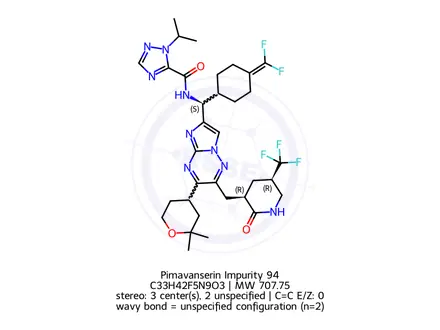
(1S,2R)-erythro-Dihydro Bupropion-d9 Hydrochloride
IN STOCKRS-B018009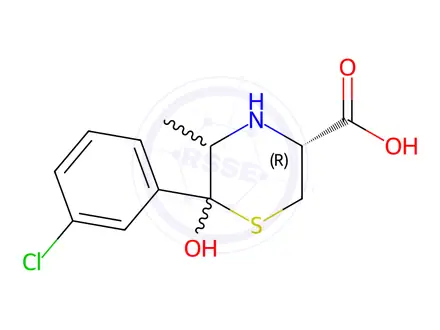

(3S,5R,6R)-Bupropion Impurity
IN STOCKRS-B018008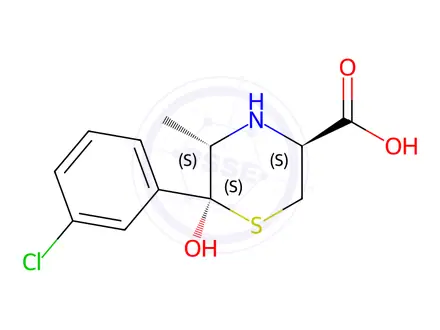
(3S,5S,6S)-Bupropion Impurity
IN STOCKRS-B018007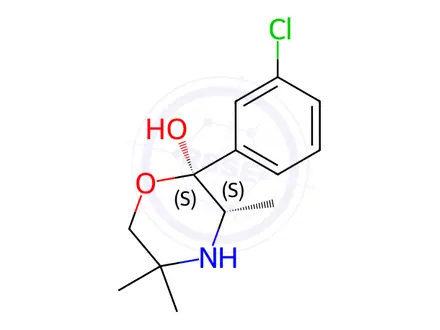
(S,S)-Hydroxy Bupropion
IN STOCKRS-I011065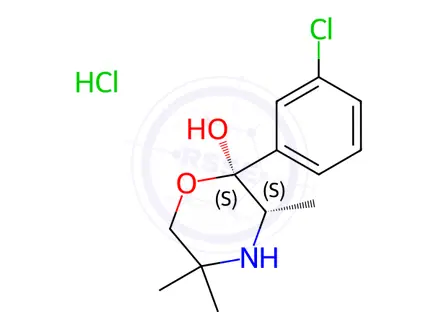
(S,S)-Hydroxy Bupropion Hydrochloride
CUSTOM SYNTHESISRS-B018016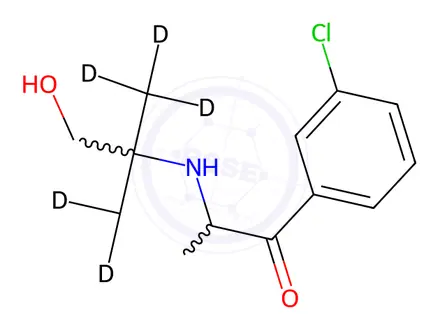
(±)-Hydroxybupropion-D6
IN STOCKRS-B018049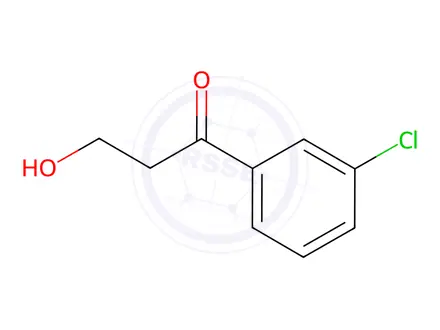
1-(3-Chlorophenyl)-3-hydroxypropan-1-one
IN STOCKRS-D110034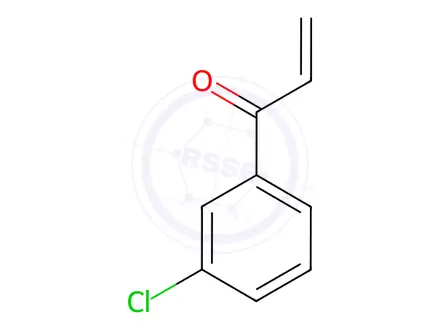
1-(3-Chlorophenyl)prop-2-en-1-one
IN STOCKRS-D110048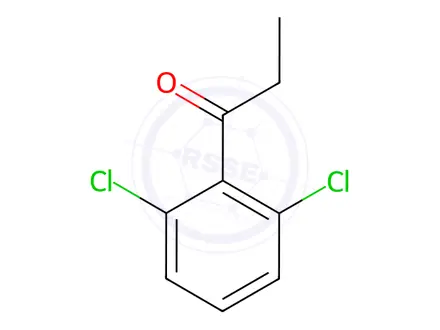
2',6'-Dichloropropiophenone
IN STOCKRS-P006278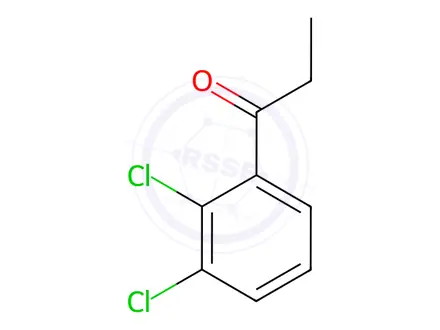
2,3 DiChloropropiophenone
IN STOCKRS-U051179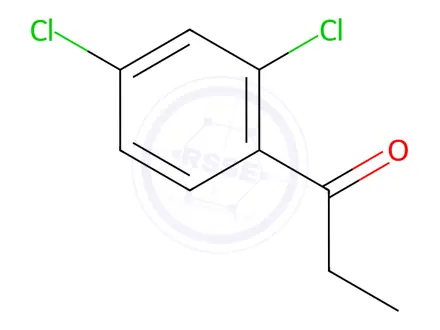
2,4-dichloropropiophenone
IN STOCKRS-U004474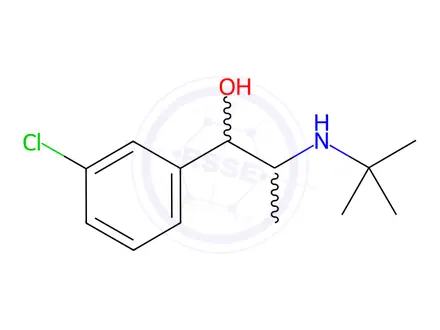
2-(Tert-butylamino)-1-(3-chlorophenyl)propan-1-ol
CUSTOM SYNTHESISRS-U083057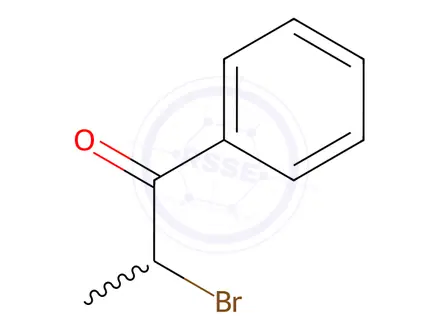
2-Bromo-1-phenylpropan-1-one
IN STOCKRS-U073714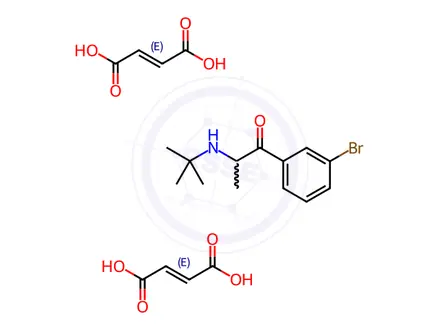
3'-Dechloro-3'-bromo Bupropion Fumarate
BACK ORDERRS-B018023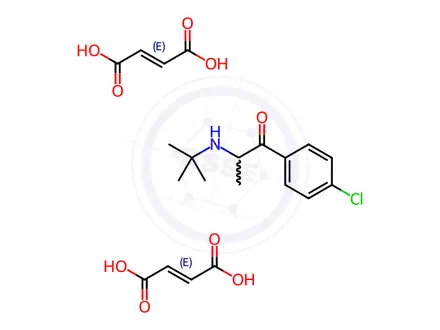
3'-Dechloro-4'-chloro Bupropion Fumarate
BACK ORDERRS-B018024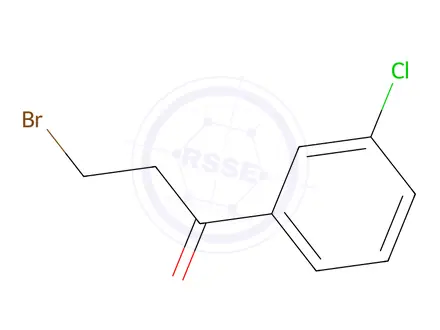
3-Bromo-3’-Chloropropiophenone
IN STOCKRS-U055190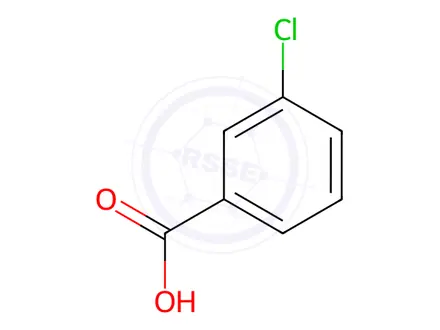
3-Chlorobenzoic acid
IN STOCKRS-I012079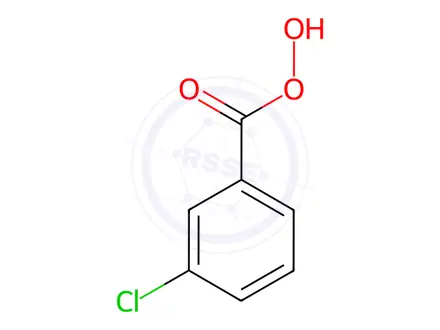
3-Chloroperbenzoic Acid
IN STOCKRS-U060167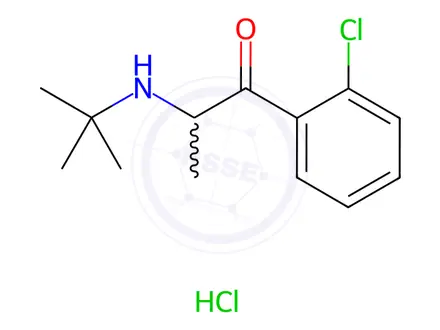
3-Deschloro-2-Chloro Bupropion HCl
IN STOCKRS-I010008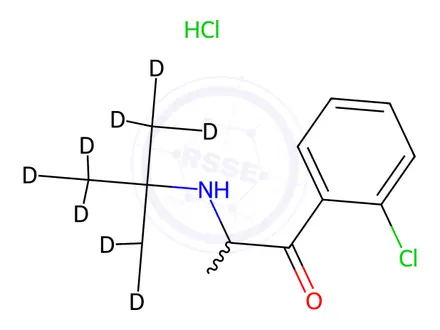
3-Deschloro-2-chloro Bupropion-d9 Hydrochloride
IN STOCKRS-B018028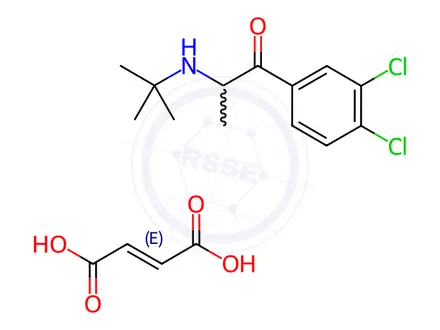
4-Chloro Bupropion Fumarate
IN STOCKRS-B018018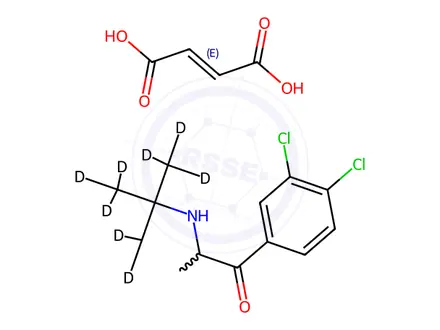
4-Chloro Bupropion-d9 Fumarate
BACK ORDERRS-B018029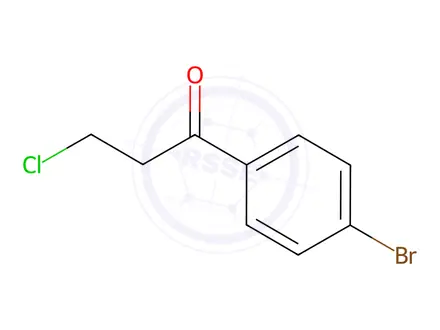
4`-Bromo-3-chloropropiophenone
IN STOCKRS-U005287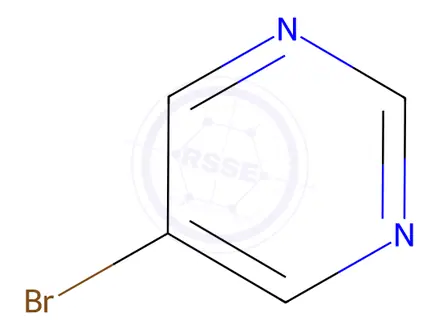
5-Bromopyrimidine
IN STOCKRS-U081815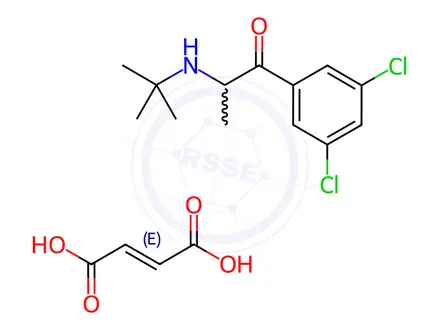
5-Chloro Bupropion Fumarate
CUSTOM SYNTHESISRS-B018019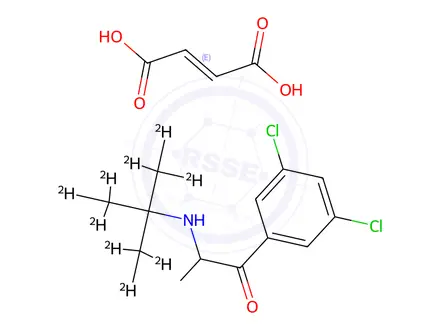
5-Chloro Bupropion-d9 Fumarate
IN STOCKRS-Z400SRW
5-fluoro-2-hydroxy-N,N-diisopropylbenzamide
BACK ORDERRS-U049541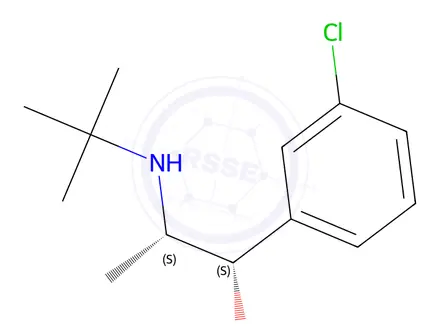
Benzenemethanol, 3-chloro-α-[(1S)-1-[(1,1-dimethylethyl)amino]ethyl]-, (αS)-
CUSTOM SYNTHESISRS-Z393C7Q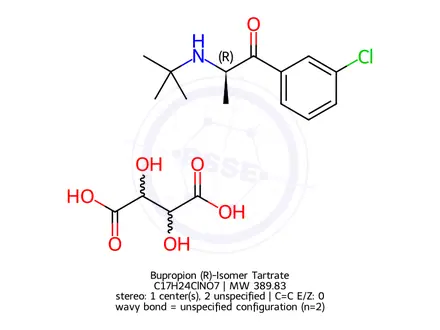
Bupropion (R)-Isomer Tartrate
IN STOCKRS-B018089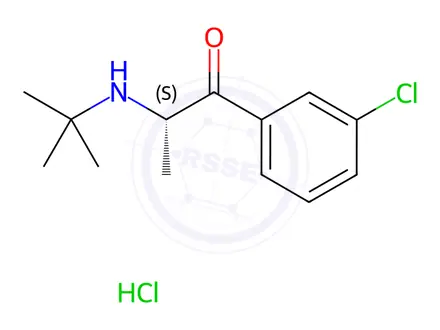
Bupropion (S)-Isomer Hydrochloride
IN STOCKRS-B018044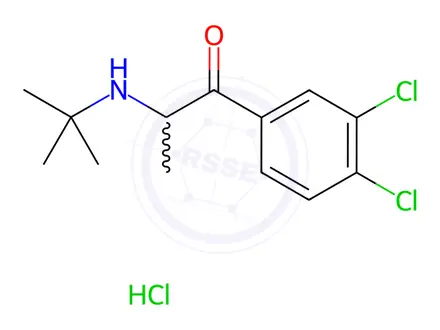
Bupropion 3,4-Dichloro Impurity
IN STOCKRS-B018005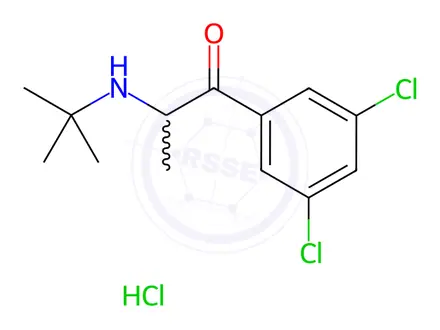
Bupropion 3,5-Dichloro Impurity Hydrochloride
IN STOCKRS-B018027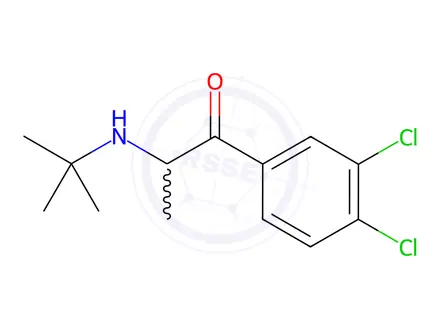
Bupropion 3`,4`-Dichloro Impurity
IN STOCKRS-B018017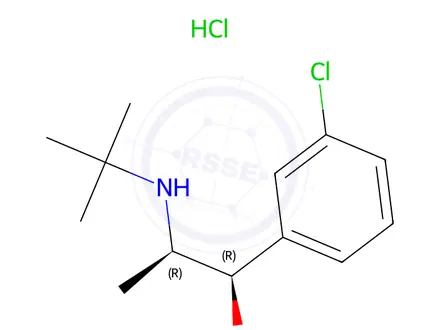
Bupropion Dihydro (R,R)-Isomer (HCl Salt)
IN STOCKRS-B018047
Bupropion-[D9] hydrochloride
IN STOCKRS-I096063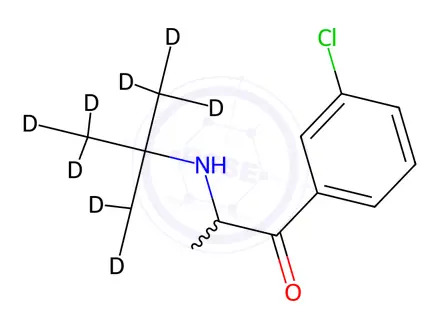
Bupropion-d9
IN STOCKRS-B018031
Deschloro Bupropion-d9 Hydrochloride
CUSTOM SYNTHESISRS-B018026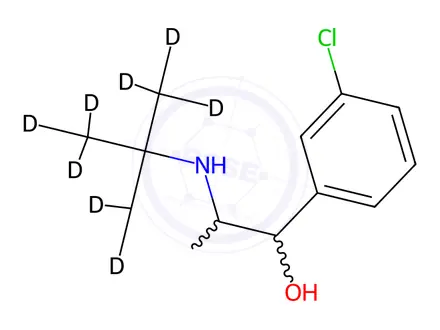
Dihydrobupropion-d9
IN STOCKRS-B018038Erythro Hydroxy Bupropion
IN STOCKRS-B018036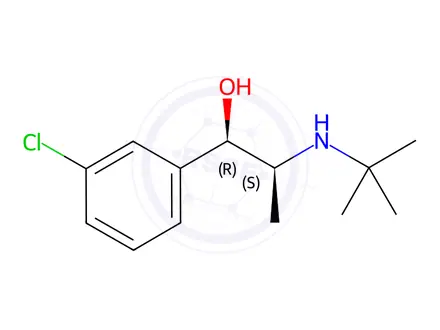
Erythrohydrobupropion
IN STOCKRS-U095221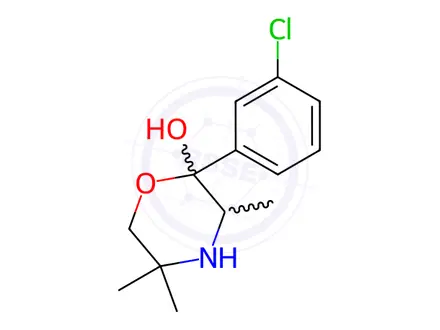
Hydroxy bupropion
IN STOCKRS-U050131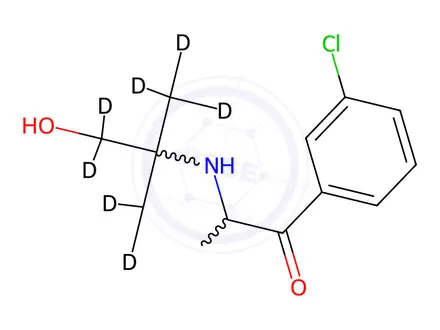
Hydroxy Bupropion D8
IN STOCKRS-B018050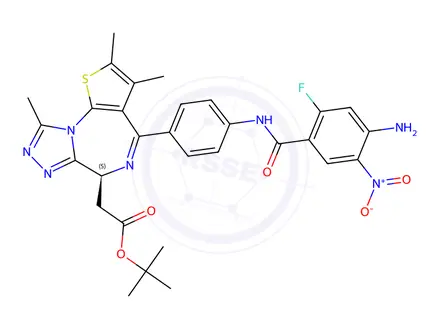
Hydroxy bupropion O-beta-D-glucuronide
BACK ORDERRS-B018041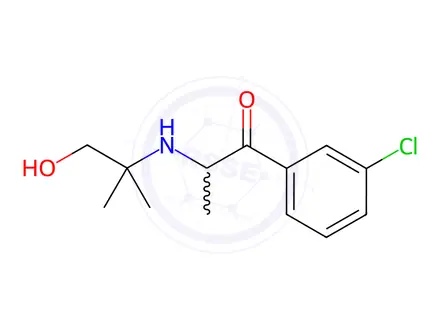
Hydroxybupropion
IN STOCKRS-I007061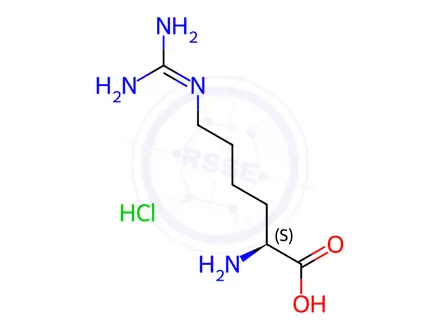
L-Homoarginine Hydrochloride
IN STOCKRS-U017246
Methyl (2S)-2-amino-3-[(triphenylmethyl)sulfanyl]propanoate
IN STOCKRS-Z394P8U
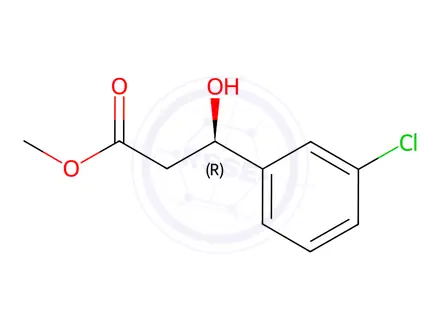
Methyl (R)-3-(3-chlorophenyl)-3-hydroxypropanoate
IN STOCKRS-U019078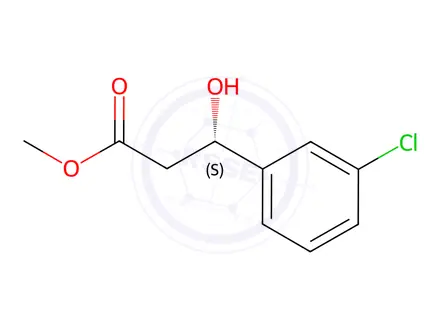
Methyl (S)-3-(3-chlorophenyl)-3-hydroxypropanoate
IN STOCKRS-D128115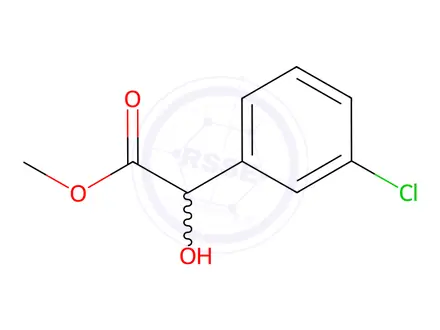
Methyl 2-(3-chlorophenyl)-2-hydroxyacetate
IN STOCKRS-P140024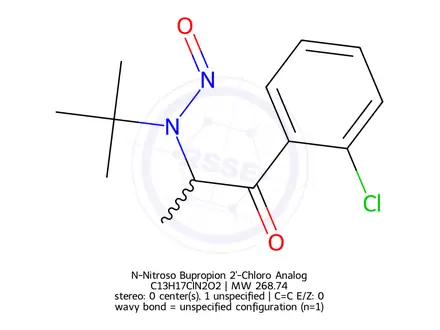
N-Nitroso Bupropion 2'-Chloro Analog
IN STOCKRS-B018105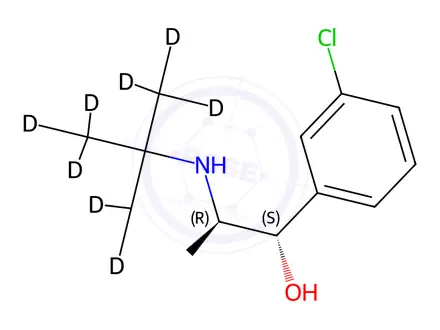
rac erythro-Dihydro Bupropion-d9
IN STOCKRS-B018021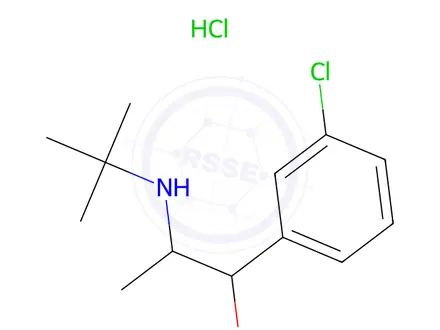
rac Threo-Dihydro Bupropion Hydrochloride
IN STOCKRS-Z398L9Z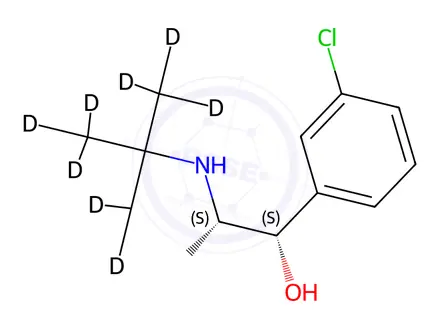
rac threo-Dihydro Bupropion-d9
IN STOCKRS-B018022
Sodium 3-chlorobenzoate
IN STOCKRS-Z401D4G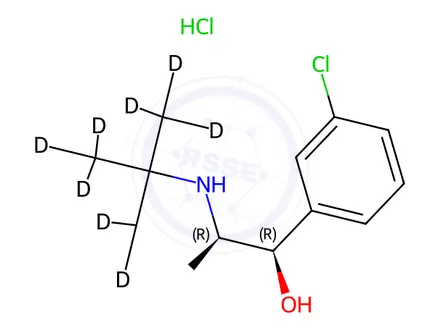
threo-Hydrobupropion-d9 HCl
CUSTOM SYNTHESISRS-I118176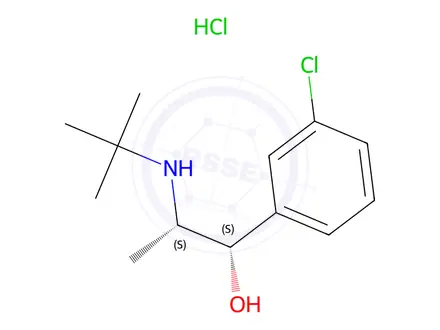
threo-Hydroxy Bupropion HCl
IN STOCKRS-I013045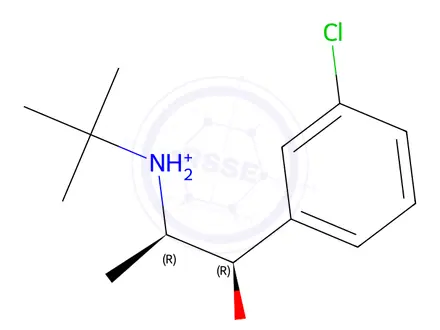
Threohydroxy Bupropion
CUSTOM SYNTHESISRS-Z401M5Z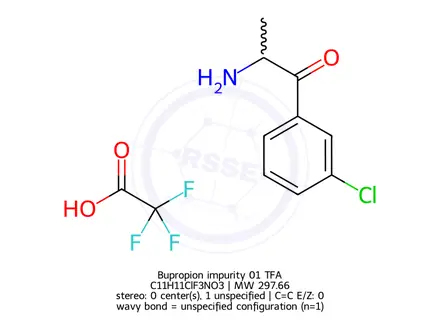
Bupropion impurity 01 TFA
IN STOCKRS-B018093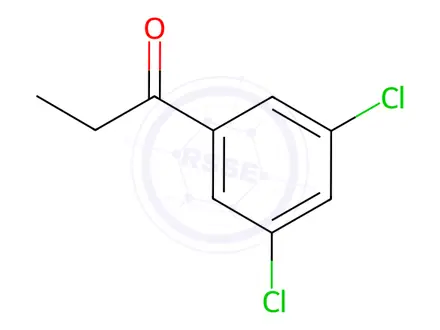
Bupropion Impurity 2
IN STOCKRS-B018014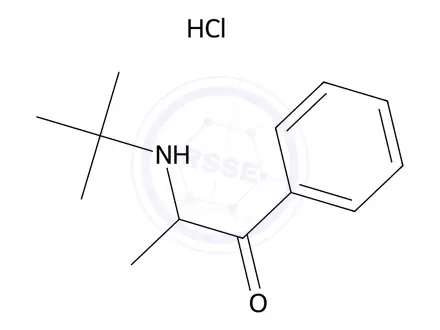
Bupropion Impurity 4
IN STOCKRS-I001949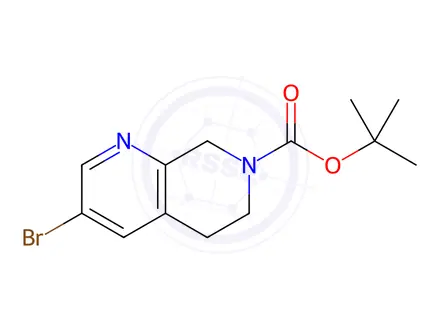
Bupropion Impurity 5
IN STOCKRS-B018033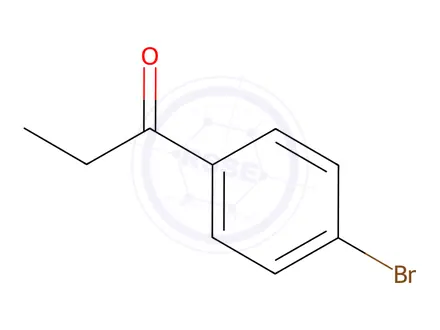
Bupropion Impurity 12
IN STOCKRS-B018001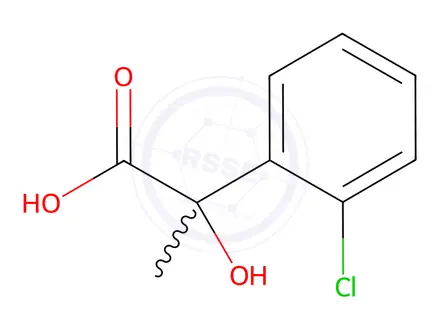
BupropionImpurity17
IN STOCKRS-B018032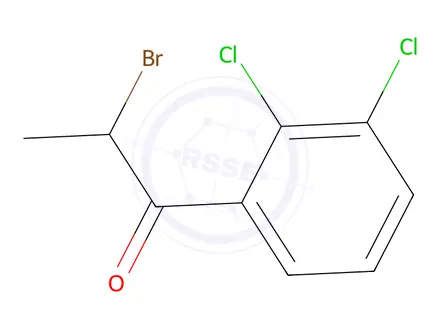
Bupropion Impurity 20
CUSTOM SYNTHESISRS-B018025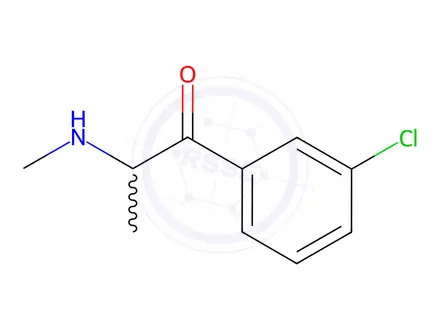
Bupropion Impurity 21
IN STOCKRS-B018015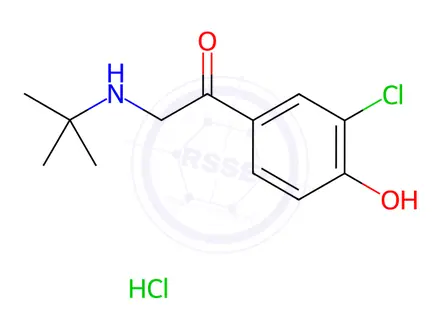
Bupropion Impurity 36
IN STOCKRS-B018053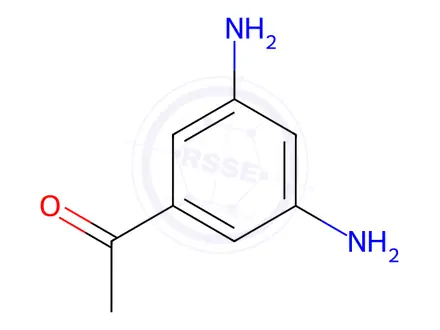
Bupropion Impurity 43
IN STOCKRS-I516133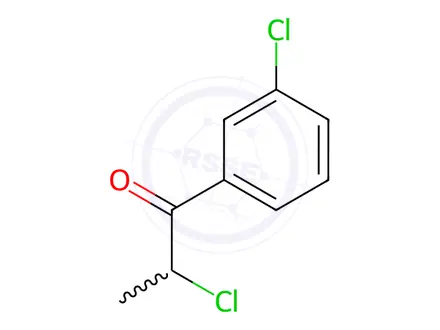
Bupropion Impurity 47
IN STOCKRS-B018045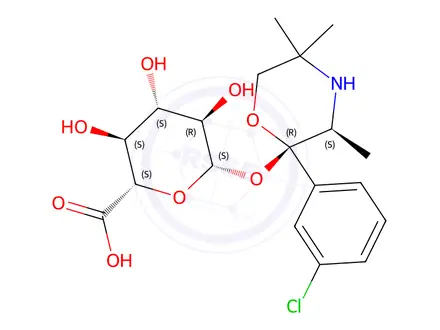
Bupropion Impurity 48
CUSTOM SYNTHESISRS-B018056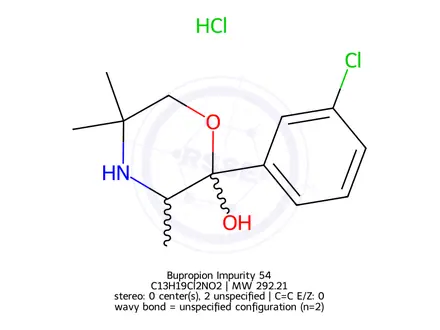
Bupropion Impurity 54
CUSTOM SYNTHESISRS-B018092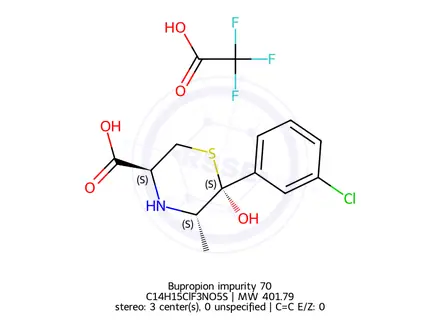
Bupropion impurity 70
IN STOCKRS-B018090
Bupropion Impurity 79
IN STOCKRS-B018052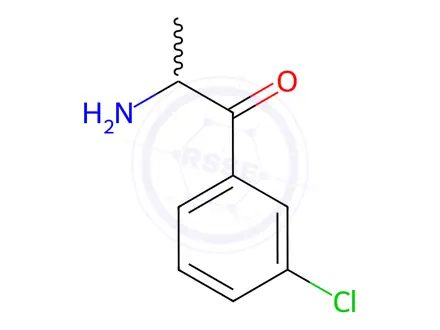
Bupropion Impurity 80
CUSTOM SYNTHESISRS-B018004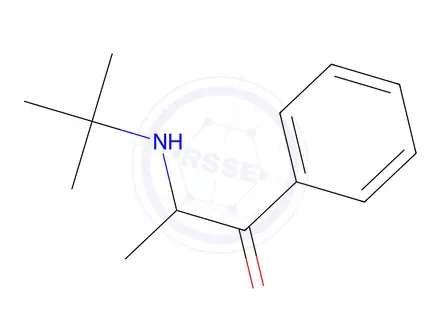
Bupropion Impurity 80
IN STOCKRS-I001B4ABupropion Impurity 81
IN STOCKRS-B018010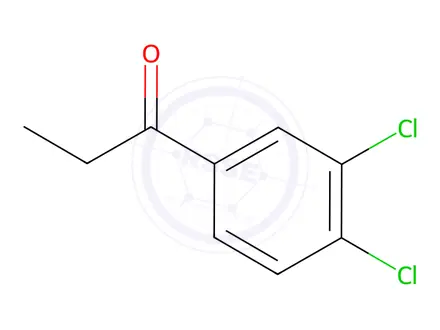
Bupropion Impurity 82
IN STOCKRS-B018012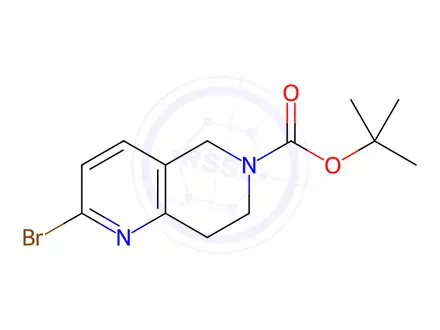
Bupropion Impurity 83
IN STOCKRS-B018020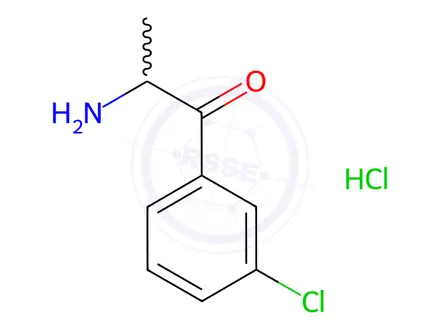
Bupropion Impurity 84
IN STOCKRS-B018034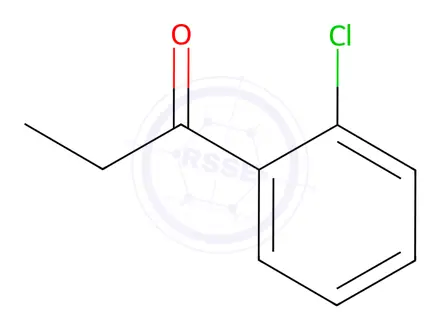
Bupropion Impurity 85
IN STOCKRS-B018035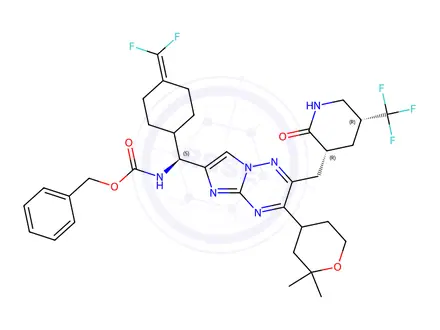
Bupropion Impurity 87
IN STOCKRS-B018042Bupropion Impurity 90
IN STOCKRS-B018046
96 reference standards
Further entries held for Bupropion
79 entries are held in the catalogue without a structure drawing. Each carries a catalogue number and, where one has been assigned, a CAS number; packing, documentation and price are quoted on enquiry.
- (3S,5S,6S)-Bupropion TFA salt
- 2-(tert-Butyl(methyl)amino)-1-(3-chlorophenyl)propan-1-one Hydrochloride
- 3’-Dechloro-4’-chloro Bupropion-d9 Fumarate
- 6-(3-Chlorophenyl)-3,3,5-trimethyl-3,4-dihydro-2H-1,4-oxazine
- Bupropion (R)-Isomer Tartaric Acid
- Bupropion (S)-Isomer L-Tartaric Acid Salt
- Bupropion Dihydro (R,RS)-Isomers (Maleate)
- Bupropion Hydrochloride Related Compound A (2-(tert-butylamino)-4'-chloropropiophenone hydrochlorid (1078744)
- Bupropion Hydrochloride Related Compound B (2-(tert-butylamino)-3'-bromopropiophenone hydrochloride (1078755)
- Bupropion Hydrochloride Related Compound C (1-(3-chlorophenyl)-2-hydroxypropan-1-one) (COLD SHIPMEN (1078766)
- Bupropion Hydrochloride Related Compound F (1-(3-chlorophenyl)-1-hydroxy-2-propanone) (COLD SHIPMEN (1078799)
- Bupropion Impurities and Related Compound
- Bupropion Impurity ((3R,5RS,6RS)-6-(3-Chlorophenyl)-6-Hydroxy-5-Methyl-3-Thiomorpholine Carboxylic Acid)
- Bupropion Impurity 100
- Bupropion Impurity 11 ((3R,5R,6R)-Isomer)
- Bupropion Impurity 11 ((3R,5R,6S)-Isomer)
- Bupropion Impurity 11 ((3R,5RS,6RS)-Isomer)
- Bupropion Impurity 11 ((3R,5S,6S)-Isomer)
- Bupropion Impurity 11 ((3S,5R,6R)-Isomer)
- Bupropion Impurity 11 ((3S,5S,6S)-Isomer)
- Bupropion Impurity 12 HCl
- Bupropion Impurity 13 HCl
- Bupropion Impurity 14 (3'-Chloropropiophenone)
- Bupropion Impurity 15
- Bupropion Impurity 16
- Bupropion Impurity 17
- Bupropion Impurity 19
- Bupropion Impurity 22
- Bupropion Impurity 23
- Bupropion Impurity 23
- Bupropion Impurity 24
- Bupropion Impurity 26
- Bupropion Impurity 27
- Bupropion Impurity 28
- Bupropion Impurity 29
- Bupropion Impurity 30
- Bupropion Impurity 30 (3-Chlorobenzoic Anhydride)
- Bupropion Impurity 33
- Bupropion Impurity 34
- Bupropion Impurity 35
- Bupropion Impurity 38
- Bupropion Impurity 4
- Bupropion Impurity 41
- Bupropion Impurity 42
- Bupropion Impurity 44
- Bupropion Impurity 46
- Bupropion Impurity 55
- Bupropion Impurity 7
- Bupropion Impurity 7 HCl
- Bupropion Impurity 7 Hydrochloride (RS-B018062)
- Bupropion Impurity 88
- Bupropion Impurity 89
- Bupropion Impurity 91
- Bupropion Impurity 92
- Bupropion Impurity 93
- Bupropion Impurity 94
- Bupropion Impurity 95
- Bupropion Impurity 96
- Bupropion Impurity 97
- Bupropion Impurity 98
- Bupropion Impurity 99
- Bupropion Impurity U
- Bupropion impurity11
- Bupropion Related Compound D Archives
- Bupropion Related Compound G
- Bupropion USP Related Compound A HCl
- Bupropion USP Related Compound B HCl
- Bupropion USP Related Compound F
- Bupropion USP Related Compound G
- erythro-Dihydro-Bupropion-D-Glucuronide
- erythro-Hydroxy Bupropion-d9 Hydrochloride
- Hydroxybupropion hydrochloride 13C6
- R,R-threohydrobupropion glucuronide
- R,S-erythrohydrobupropion glucuronide
- rac Erythro Dihydrobupropion β-D-Glucuronide-d9
- S,S-threohydrobupropion glucuronide
- threo-Dihydro-Bupropion-D-Glucuronide
- Threo-Hydroxy Bupropion-d9 Hydrochloride
- Threohydro Bupropion-d9
Frequently asked
How many Bupropion-related reference standards do you hold?
Can you supply a Bupropion impurity that is not listed here?
What documentation is supplied with Bupropion impurities?
Do you publish prices or a lead time for Bupropion impurities?
Cannot find the impurity you need? Non-compendial impurities can be quoted from a structure — a CAS number is not required. Write to sales@rssechem.com.