Cannabidiol impurities and related standards
Cannabidiol is a phytocannabinoid from Cannabis sativa and, as a purified substance, an anticonvulsant licensed for seizures in Lennox-Gastaut syndrome, Dravet syndrome and tuberous sclerosis complex; the label notes that its action does not appear to run through cannabinoid receptors. The molecule is a resorcinol carrying a pentyl chain and a limonene-derived ring, and that pairing is where the impurity problems live. Two stereocentres on the cyclohexene ring mean diastereomeric and enantiomeric material is possible, the resorcinol oxidises, and the allylic double bond invites rearrangement. The best known transformation is acid-catalysed cyclisation, in which the terpene ring closes onto the phenol to give a tetrahydrocannabinol-type structure; that reaction is why strongly acidic processing conditions are avoided and why isomer standards matter for identity testing. Being an oil solution, the product is also oxidation-sensitive on storage, and the label asks for upright storage, no freezing and use within a defined period after opening. Work falls under the ICH Q3A/Q3B impurity framework, with the M7 mutagenic-impurity framework applied where a structural alert is present.
Sources: DailyMed label for EPIDIOLEX (cannabidiol) oral solution.
67 reference standards related to Cannabidiol held in the RSSE catalogue — pharmacopoeial impurities, non-compendial impurities, metabolites and labelled analogues where available.
In this group: 28 impurity reference standards · 23 fine chemicals · 7 stable isotope labelled standards · 6 general reference standards. CAS numbers are listed for 67 of 67; 67 entries carry a structure drawing.
On this page
67 reference standards
All entries — structure, identifiers and pack sizes
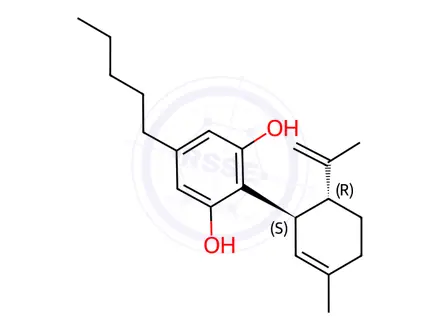
Cannabidiol
CUSTOM SYNTHESISRS-U063144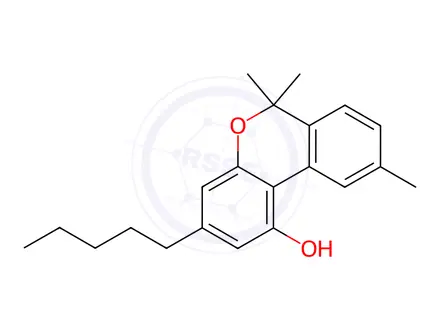
Cannabidiol EP Impurity C
CUSTOM SYNTHESISRS-C197033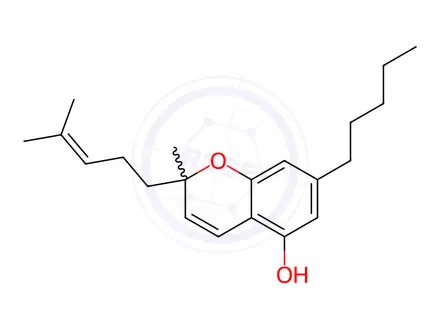
Cannabidiol EP Impurity F
IN STOCKRS-C197034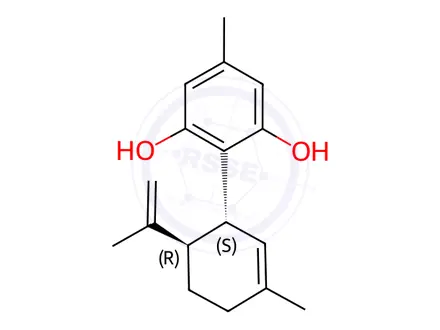
Cannabidiol EP Impurity J
IN STOCKRS-C197011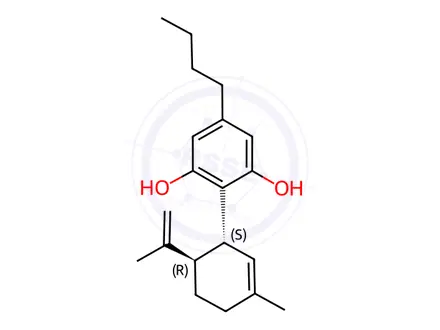
Cannabidiol-Impurity B
CUSTOM SYNTHESISRS-C197015
Δ9-Cis-Tetrahydrocannabinol
CUSTOM SYNTHESISRS-Z412RJT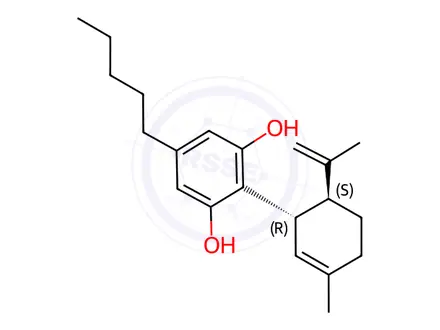
(+)-Cannabidiol (74219-29-7)
IN STOCKRS-C197017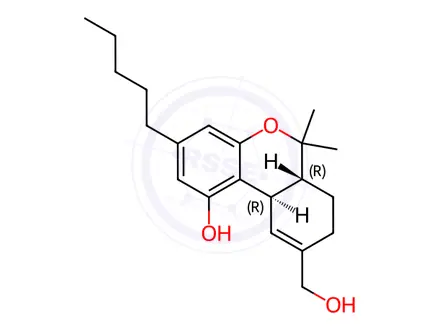
(+/-)-11-HYDROXY-DELTA-9 THC
IN STOCKRS-U015164
(+/-)-11-nor-9-Carboxy-delta9-THC D9
IN STOCKRS-I091254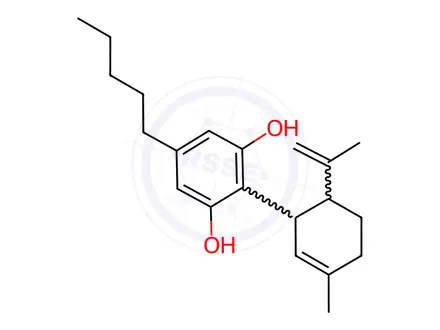
(+/-)-Cannabidiol (Racemic Mixture)
IN STOCKRS-C197023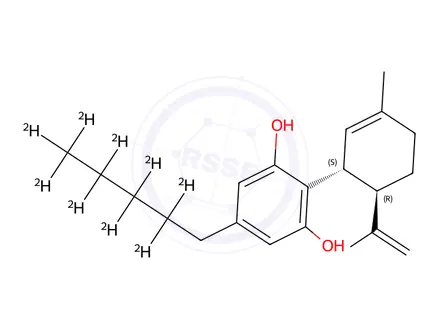
(-)-Cannabidiol-d9
IN STOCKRS-C197019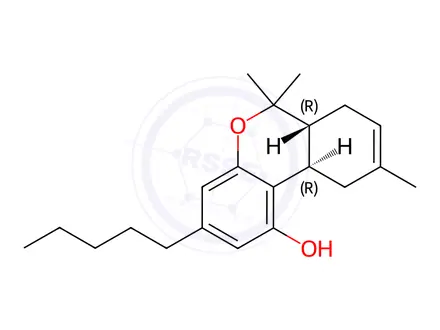
Cannabidiol EP Impurity I
IN STOCKRS-U077391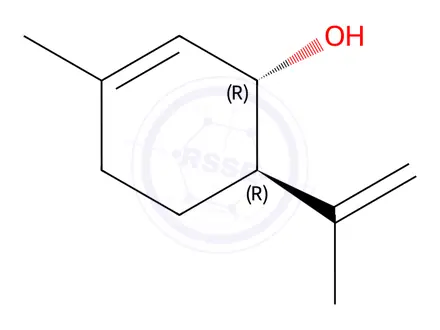
(-)-trans-Isopiperitenol
CUSTOM SYNTHESISRS-U087862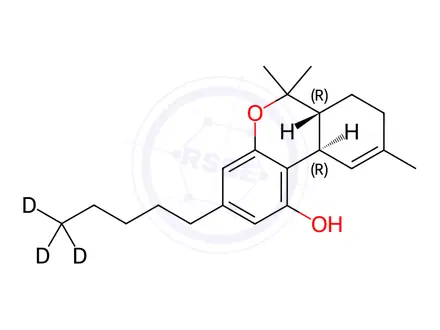
(-)-Δ9-Tetrahydrocannabinol-D3, 100μg/mL in methanol
CUSTOM SYNTHESISRS-I118378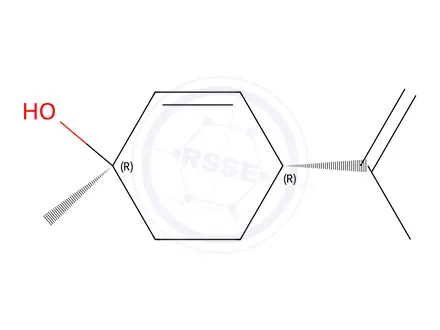
(1R,4R)-1-methyl-4-(prop-1-en-2-yl)cyclohex-2-en-1-ol
IN STOCKRS-Z412R4G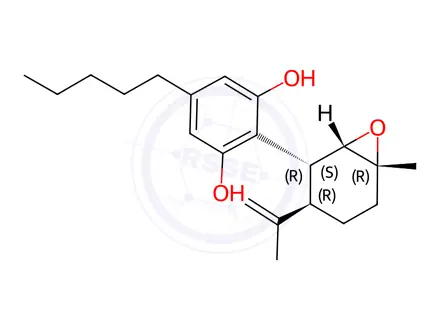
(1S,6R)-Cannabidiol Epoxide
IN STOCKRS-C197002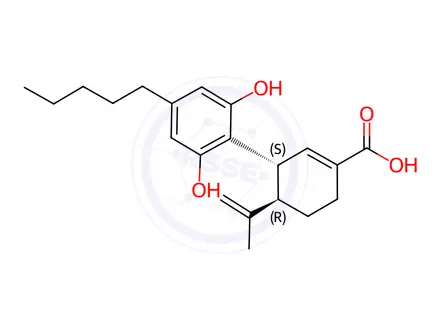
(3R-trans)-Cannabidiol-7-oic Acid
IN STOCKRS-C197029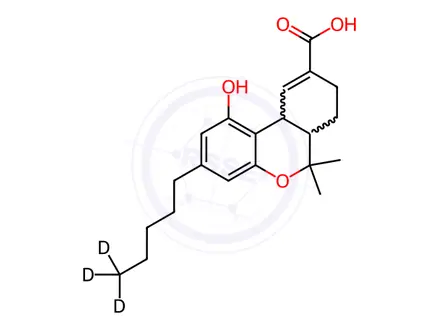
(±)-11-nor-9-Carboxy-Δ9-THC-D3 solution, 100μg/mL in methanol
IN STOCKRS-I091255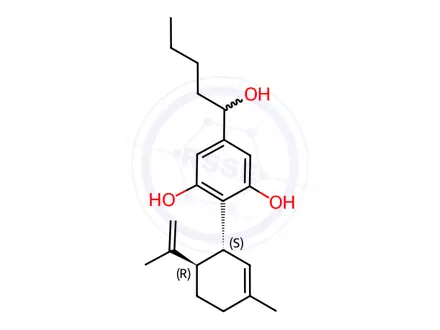
1''-Hydroxycannabidiol
IN STOCKRS-C197001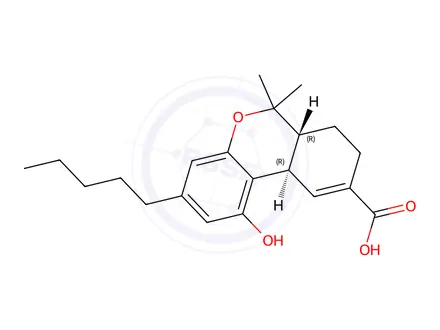
11-Nor-delta-9-THC carboxylic acid
IN STOCKRS-I014298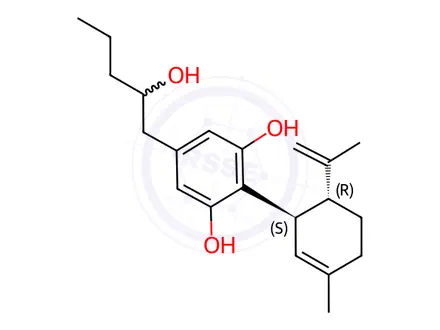
2''-Hydroxycannabidiol
IN STOCKRS-C197012
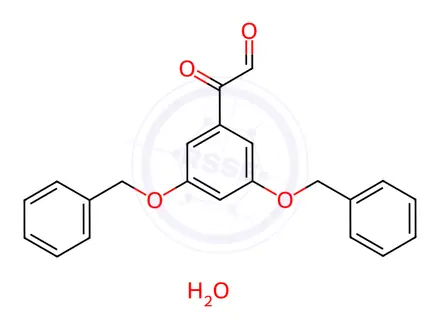
3,5-Dibenzyloxyphenylglyoxal hydrate
IN STOCKRS-P006568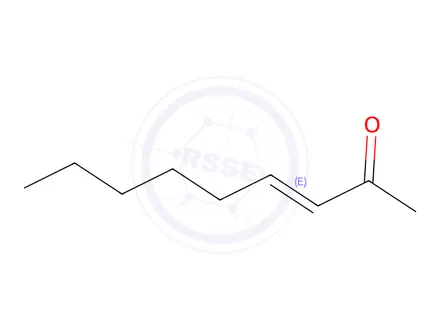
3-Nonen-2-one
IN STOCKRS-Z398Z1K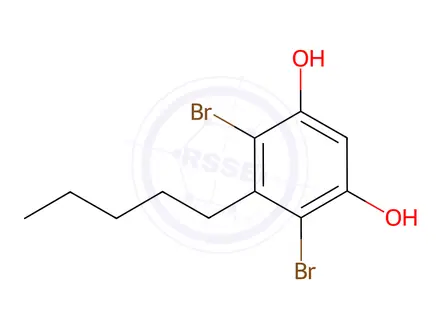
4,6-Dibromo Olivetol
CUSTOM SYNTHESISRS-U068267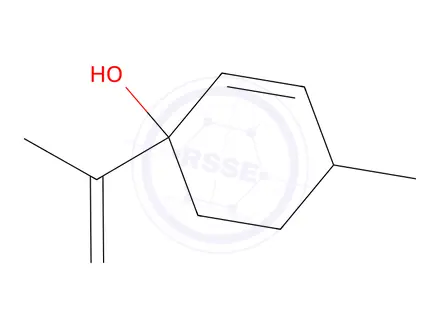
4-Methyl-1-(prop-1-en-2-yl)cyclohex-2-en-1-ol
CUSTOM SYNTHESISRS-Z401F4O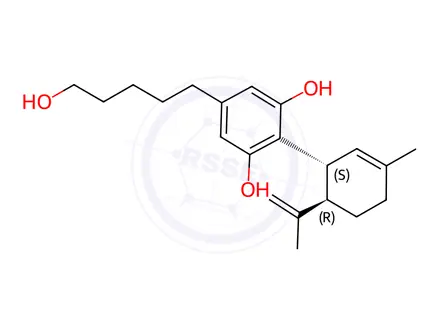
5’’-Hydroxycannabidiol
IN STOCKRS-C197013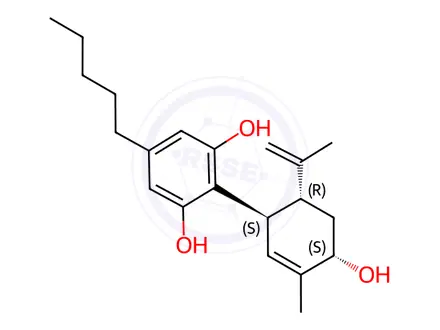
6a-Hydroxycannabidiol
IN STOCKRS-C197014
7-Carboxy Cannabidiol
IN STOCKRS-C197003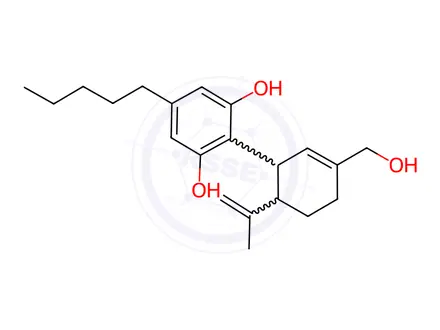
7-Hydroxy cannabidiol (7-OH-CBD)
CUSTOM SYNTHESISRS-U066027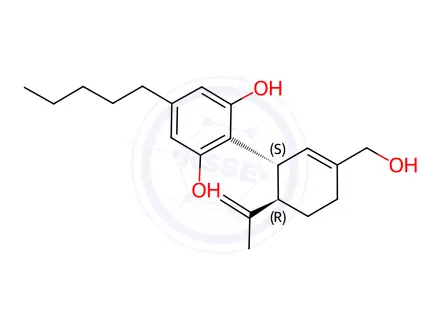
7-Hydroxycannabidiol
CUSTOM SYNTHESISRS-C197027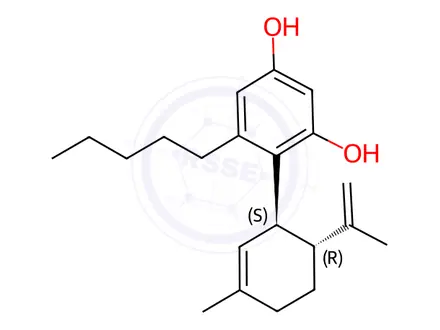
Abnormal Cannabidiol
IN STOCKRS-C197024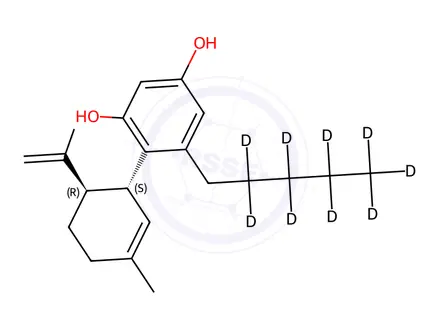
Abnormal Cannabidiol-d9
IN STOCKRS-C197040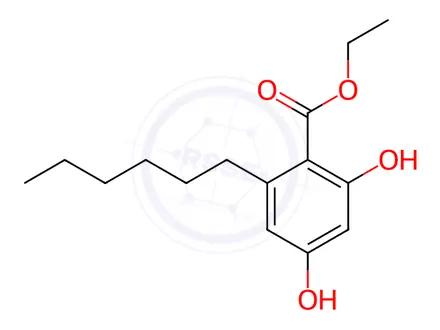
Benzoic acid, 2-hexyl-4,6-dihydroxy-, ethyl ester
IN STOCKRS-U043148
Cannabidiol-D3
IN STOCKRS-C197020Cannabidiol-d9
IN STOCKRS-Z412OY5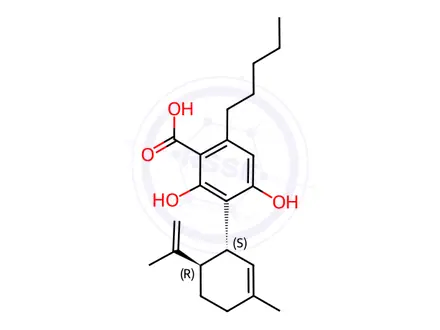
Cannabidiolic acid
IN STOCKRS-C197035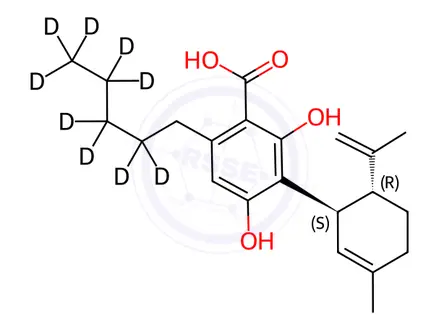
Cannabidiolic acid-D9
IN STOCKRS-C197036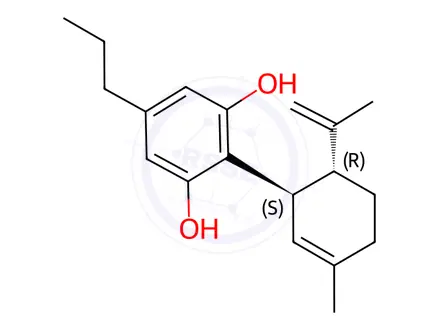
Cannabidivarin
IN STOCKRS-U063272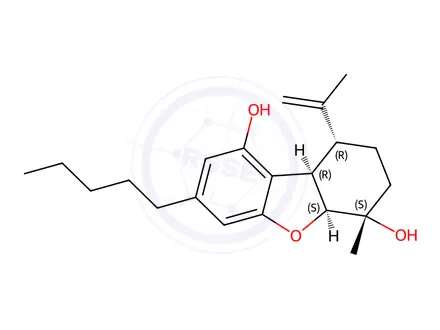
Cannabielsoin
IN STOCKRS-N033345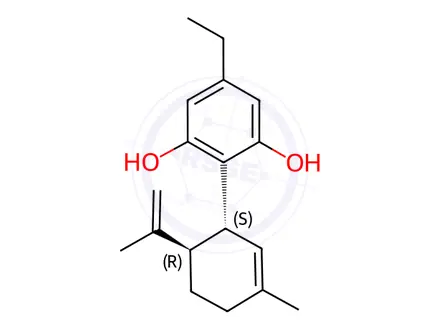
CBDE
BACK ORDERRS-U063753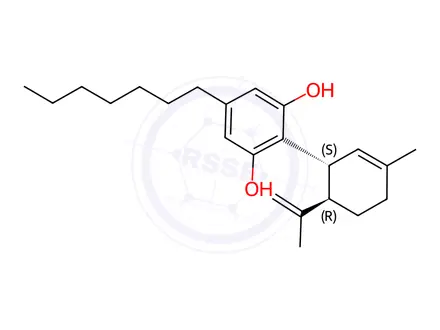
CBDP
IN STOCKRS-U063849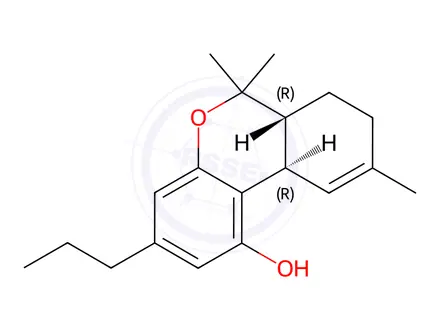
Delta 9-Tetrahydrocannabivarin
IN STOCKRS-U077295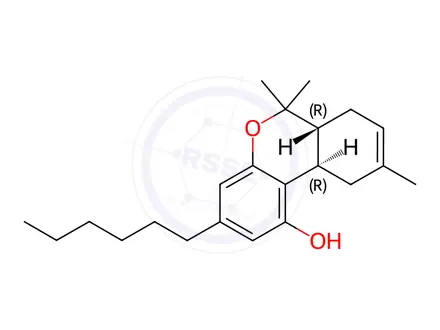
n-hexyl-delta-8-tetrahydrocannabinol
BACK ORDERRS-U054636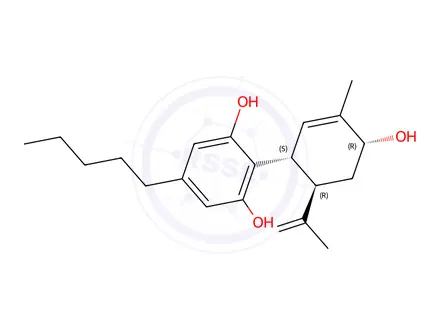
RS-Z408YAW
IN STOCKRS-Z408YAW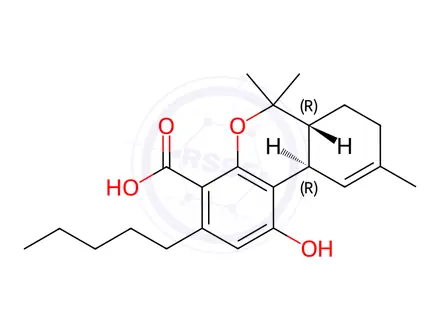
Δ1-Tetrahydrocannabinolic acid B
BACK ORDERRS-U016A1B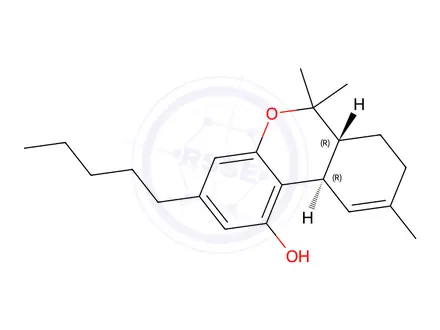
Cannabidiol EP Impurity D
IN STOCKRS-U099182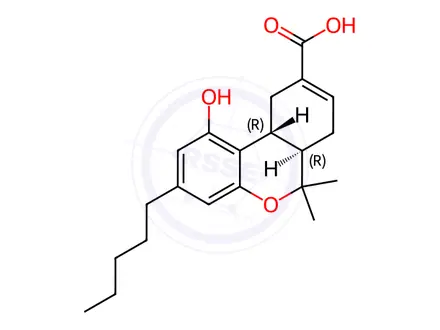
∆8-Tetrahydro Cannabinol-11-oic Acid (1.0mg/ml in Acetonitrile)
IN STOCKRS-U099760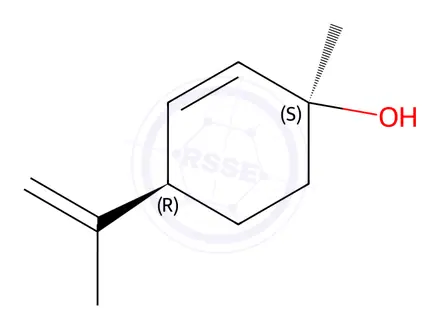
Cannabidiol Impurity 3
IN STOCKRS-C197009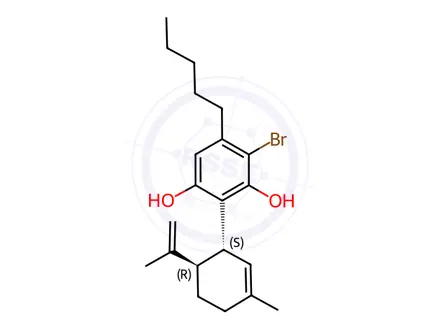
Cannabidiol Impurity 5
IN STOCKRS-C197004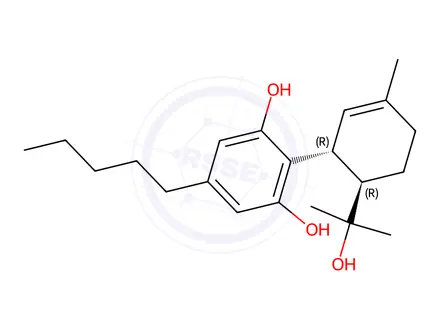
Cannabidiol Impurity 6
IN STOCKRS-C197016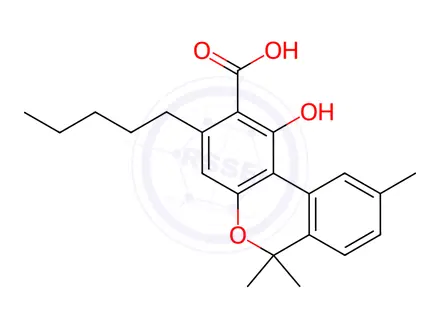
Cannabidiol Impurity 7 (Cannabinolic acid)
IN STOCKRS-C197025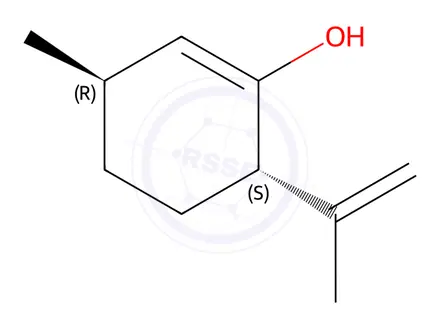
Cannabidiol Impurity 11
IN STOCKRS-C197037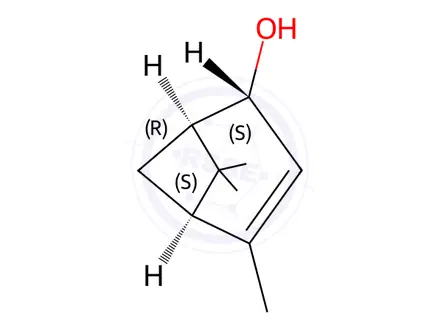
Cannabidiol Impurity 12
CUSTOM SYNTHESISRS-C197005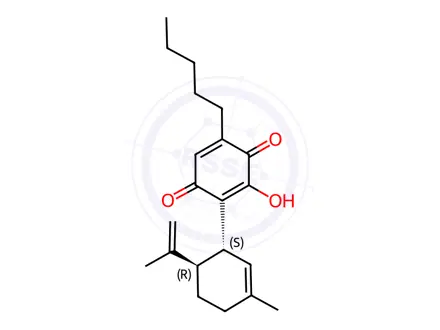
Cannabidiol Impurity 15
IN STOCKRS-C197006
Cannabidiol Impurity 16
IN STOCKRS-C197010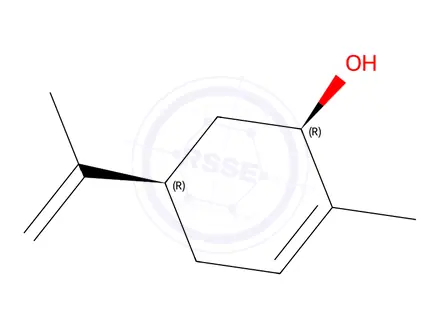
Cannabidiol Impurity 22
IN STOCKRS-C197022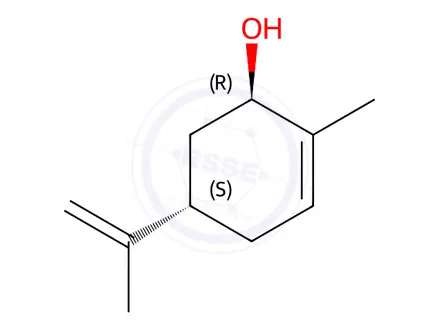
Cannabidiol Impurity 23
CUSTOM SYNTHESISRS-C197008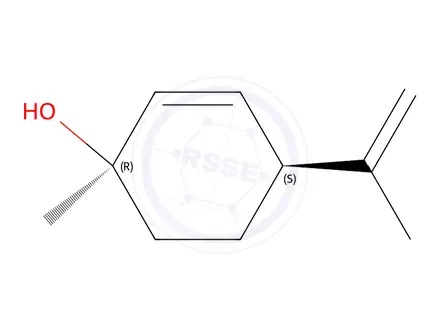
Cannabidiol Impurity 25
IN STOCKRS-C197032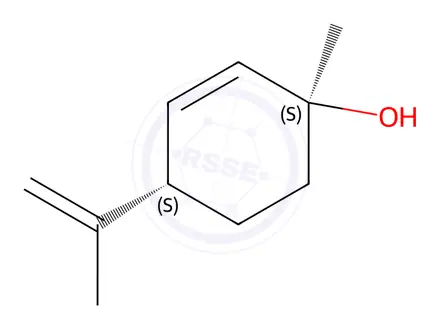
Cannabidiol Impurity 27
IN STOCKRS-U009213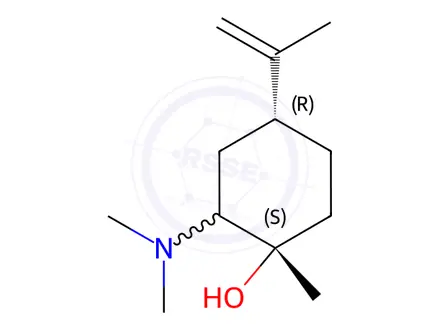
Cannabidiol Impurity 28
CUSTOM SYNTHESISRS-C197039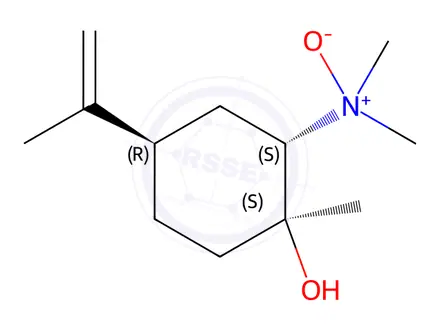
Cannabidiol Impurity 29
IN STOCKRS-C197007Cannabidiol Impurity 30
IN STOCKRS-C197030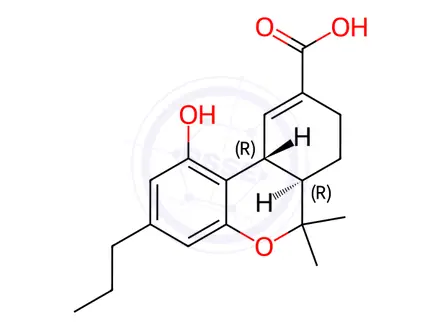
Cannabidiol Impurity 31
IN STOCKRS-C197018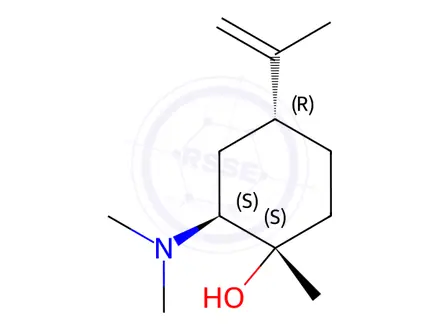
Cannabidiol Impurity 50
IN STOCKRS-C197031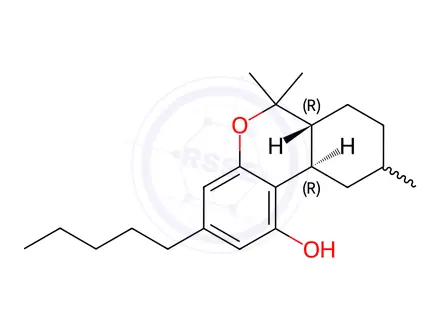
Cannabidiol Impurity 54
IN STOCKRS-C197038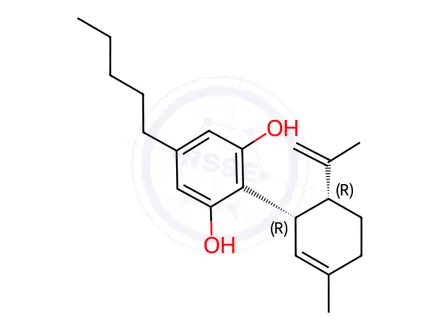
Cannabidiol Impurity 55
CUSTOM SYNTHESISRS-C197044
67 reference standards
Further entries held for Cannabidiol
41 entries are held in the catalogue without a structure drawing. Each carries a catalogue number and, where one has been assigned, a CAS number; packing, documentation and price are quoted on enquiry.
- (-)-Didesoxycannabidiol
- 2,4,6-Tribromo-5-pentylbenzene-1,3-diol-1-14C
- 6-Alpha-Hydroxy-cannabidiol-D9
- 6-hydroxycannabidiol-d9
- 7-Carboxy Cannabidiol-d3
- 7-Carboxy Cannabidiol-D3
- 7-Carboxy-Cannabidiol glucuronide
- 7-hydroxy Cannabidiol D9
- 7-Hydroxy cannabidiol-D3 (7-OH-CBD-D3) solution
- 7-hydroxycannabidiol D10
- 7-Nor-7-carboxycannabidiol D10
- Cannabidiol Dihydroxy Impurity
- Cannabidiol hydroxyquinone
- Cannabidiol Hydroxyquinone (HU-331)
- Cannabidiol Impurity 10
- Cannabidiol Impurity 14
- Cannabidiol Impurity 14
- Cannabidiol Impurity 17
- Cannabidiol Impurity 17
- Cannabidiol Impurity 19
- Cannabidiol Impurity 21
- Cannabidiol Impurity 22
- Cannabidiol Impurity 32
- Cannabidiol Impurity 39
- Cannabidiol Impurity 40
- Cannabidiol Impurity 41
- Cannabidiol Impurity 42
- Cannabidiol Impurity 51
- Cannabidiol Impurity 52
- Cannabidiol Impurity 53
- Cannabidiol Impurity 56
- Cannabidiol Impurity 57
- Cannabidiol Impurity 58
- Cannabidiol Impurity 59
- Cannabidiol Impurity 60
- Cannabidiol Impurity 8
- Cannabidiol Impurity 8 Sodium
- Cannabidiol Impurity 9
- Cannabidiol Impurity 9 (HU-331)
- Cannabidiol-13C-d2
- Cannabidiol-d10
Frequently asked
How many Cannabidiol-related reference standards do you hold?
Can you supply a Cannabidiol impurity that is not listed here?
What documentation is supplied with Cannabidiol impurities?
Do you publish prices or a lead time for Cannabidiol impurities?
Cannot find the impurity you need? Non-compendial impurities can be quoted from a structure — a CAS number is not required. Write to sales@rssechem.com.