Chloroprocaine impurities and related standards
Local anaesthetics of the ester type are short-acting by design, and chloroprocaine hydrochloride is the extreme case: the active substance is the 4-amino-2-chlorobenzoic acid ester of diethylaminoethanol, supplied as the monohydrochloride, and plasma esterases hydrolyse that ester so quickly that systemic accumulation is limited. That same ester is the central analytical fact. Hydrolysis cleaves it into 2-chloro-4-aminobenzoic acid and diethylaminoethanol, and the reaction runs faster in alkali, faster at raised temperature and faster in the presence of water, so a solution product is judged largely on how much of that cleavage has occurred. The aromatic amino group is a second liability, because it oxidises readily and the products are coloured, so a stored solution darkens before the assay has moved much; the label accordingly asks for protection from light, no freezing, and storage at 20-25 C. The aryl chlorine is a third, since it can be displaced under photolytic conditions. Because the drug is used as the hydrochloride, chloride content, pH and the free base ratio belong with the purity data. The monograph specifies what it specifies and the ICH Q3A/Q3B framework covers the remaining peaks. A buyer should confirm identity by NMR and MS, keep chromatographic purity distinct from content, and check the storage and retest conditions.
Sources: DailyMed - Chloroprocaine hydrochloride injection, FDA-approved label.
52 reference standards related to Chloroprocaine held in the RSSE catalogue — pharmacopoeial impurities, non-compendial impurities, metabolites and labelled analogues where available.
In this group: 33 impurity reference standards · 7 fine chemicals · 6 general reference standards · 3 chemical reagents. CAS numbers are listed for 52 of 52; 52 entries carry a structure drawing.
On this page
N-nitroso (NDSRI) impurities of Chloroprocaine
The N-nitroso forms held for this substance — the structural class that the ICH M7 nitrosamine framework covers. 4 entries are listed. A CAS number is not required to quote one of them.
- Chloroprocaine Nitroso Impurity 1
- Chloroprocaine Nitroso Impurity 2
- N-desethyl-N-Nitroso-4-Nitro-Chloroprocaine
- N-desethyl-N-Nitroso-Chloroprocaine
52 reference standards
All entries — structure, identifiers and pack sizes
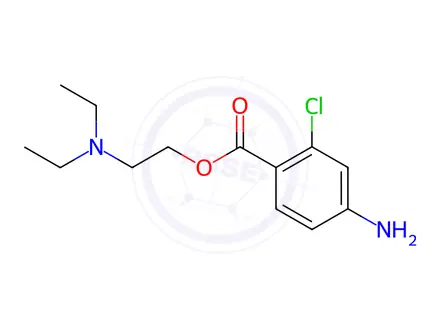
Chloroprocaine
CUSTOM SYNTHESISRS-U065122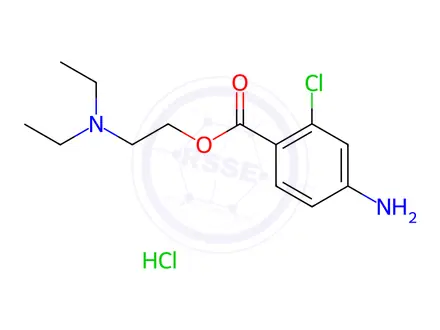
Chloroprocaine hydrochloride
IN STOCKRS-U065342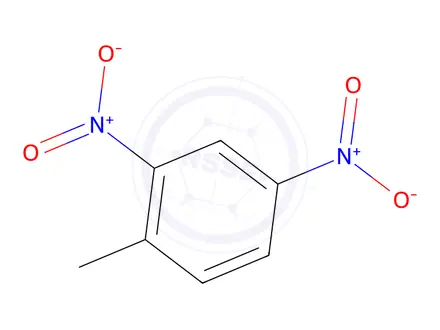
2,4-Dinitrotoluene
IN STOCKRS-U004205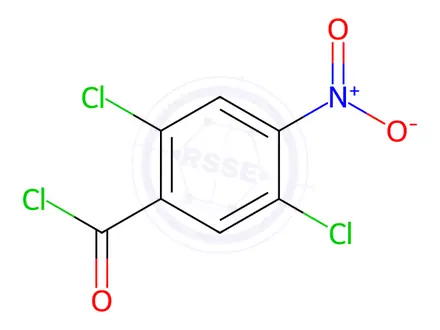
2,5-Dichloro-4-nitro-benzoyl Chloride
CUSTOM SYNTHESISRS-U211O2H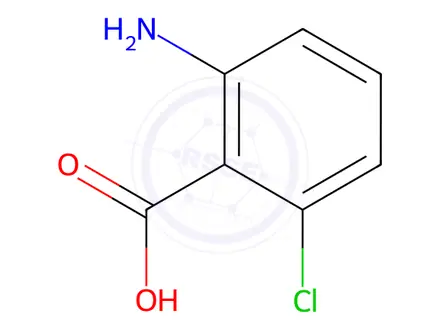
2-amino-6-chlorobenzoic acid
IN STOCKRS-C019023
2-Chloro-1,4-Dinitrobenzene
IN STOCKRS-U211OOU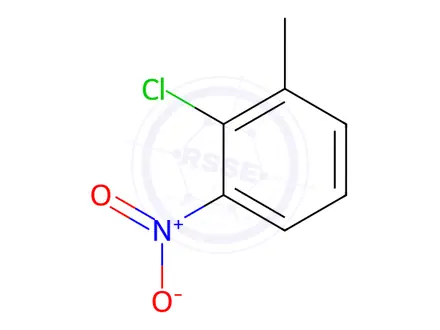
2-Chloro-3-nitrotoluene
CUSTOM SYNTHESISRS-P001553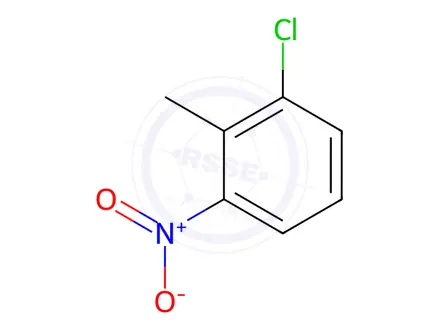
2-chloro-6-nitrotoluene
IN STOCKRS-C003169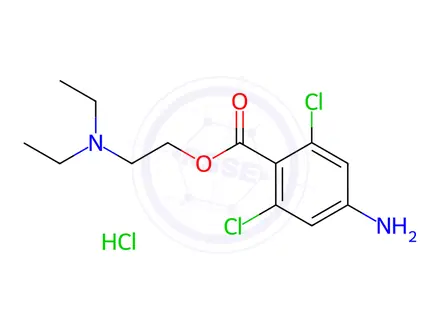
4-Amino-2,6-dichloro-benzoic acid 2-(diethylamino)ethyl ester HCl
BACK ORDERRS-U074268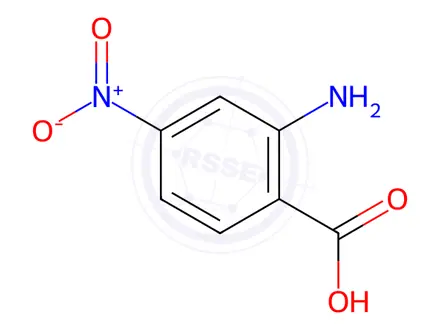
4-Nitroanthranilic acid
IN STOCKRS-C005050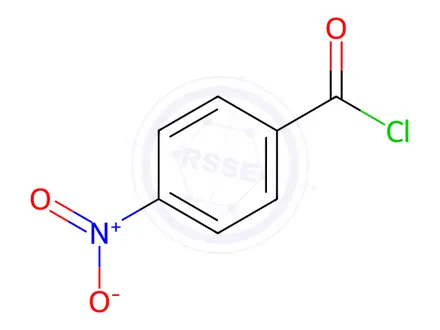
4-Nitrobenzoyl Chloride
CUSTOM SYNTHESISRS-P025054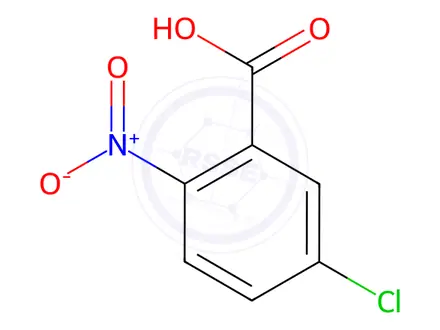
5-Chloro-2-Nitrobenzoic Acid
IN STOCKRS-U090097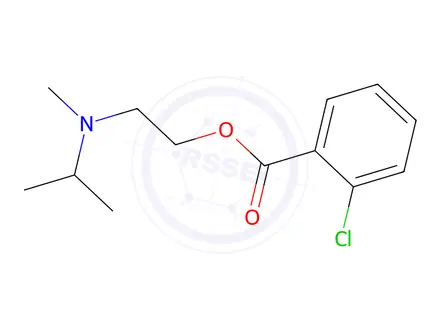
Chloroprocaine Impurity 1
IN STOCKRS-Z401IP9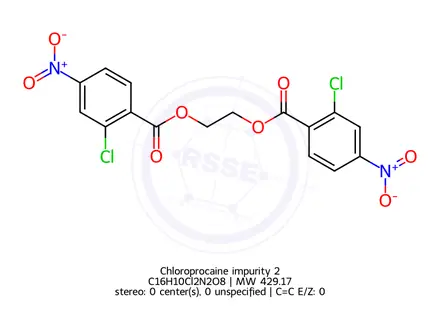
Chloroprocaine impurity 2
BACK ORDERRS-I001BG5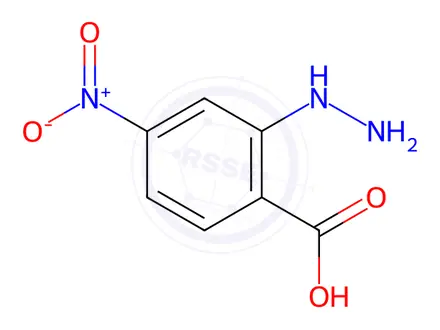
Chloroprocaine Impurity 5
CUSTOM SYNTHESISRS-C042081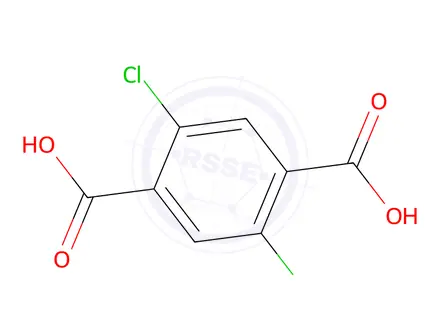
Chloroprocaine Impurity 6
IN STOCKRS-Z398DX3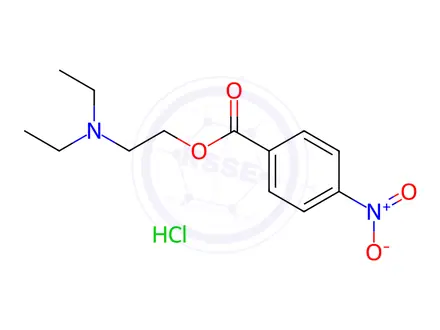
Chloroprocaine Impurity 9(Hydrochloride)
IN STOCKRS-C042009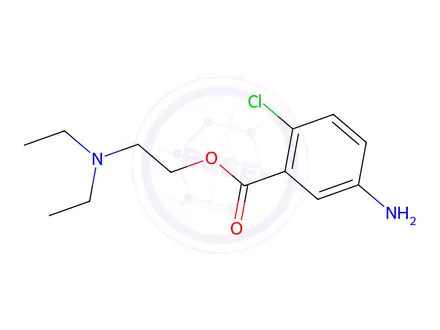
Chloroprocaine Impurity 10
IN STOCKRS-Z401IZW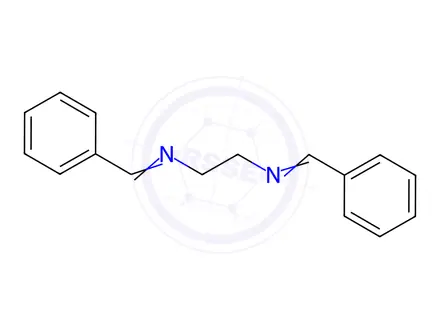
Chloroprocaine Impurity 15
IN STOCKRS-C042080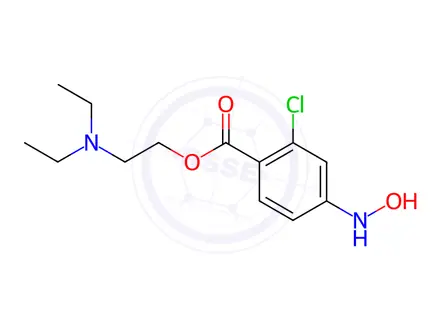
Chloroprocaine Impurity 16
IN STOCKRS-C042018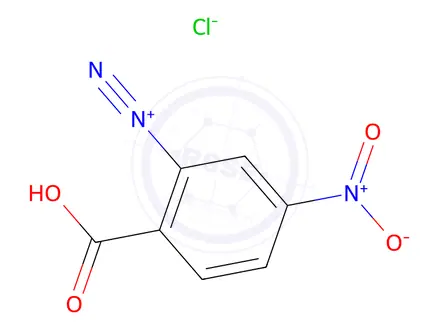
Chloroprocaine Impurity 16
IN STOCKRS-Z401K07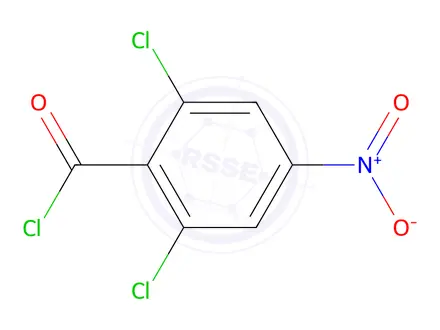
Chloroprocaine Impurity 17
CUSTOM SYNTHESISRS-C042033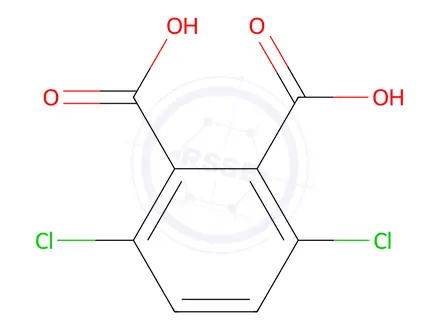
Chloroprocaine Impurity 19
IN STOCKRS-Z401CLO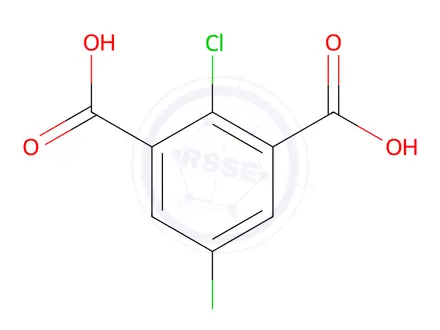
Chloroprocaine Impurity 20
IN STOCKRS-Z401JO0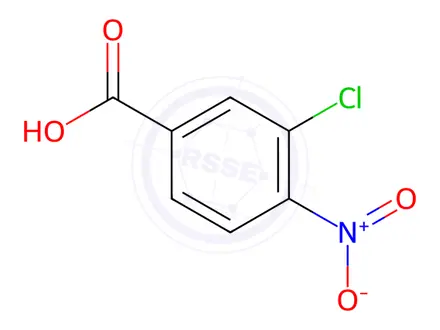
Chloroprocaine Impurity 22
IN STOCKRS-U006300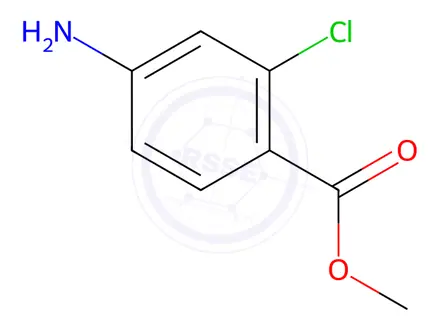
Chloroprocaine Impurity 28
IN STOCKRS-C042011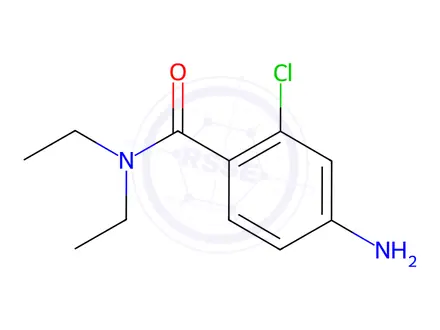
Chloroprocaine Impurity 29
CUSTOM SYNTHESISRS-C042030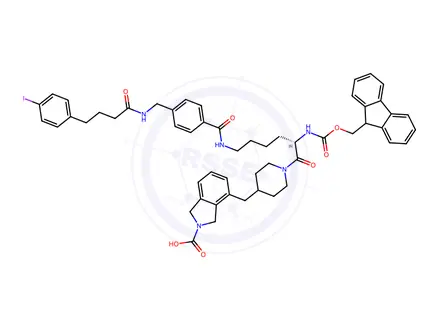
Chloroprocaine Impurity 30
IN STOCKRS-C042029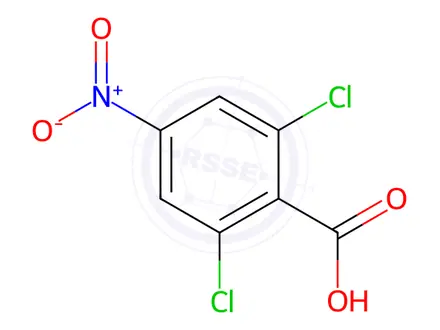
Chloroprocaine Impurity 35
IN STOCKRS-C042006
Chloroprocaine Impurity 38
IN STOCKRS-C042027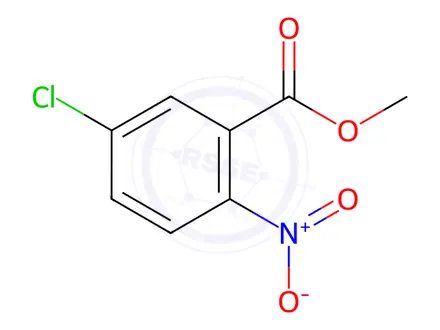
Chloroprocaine Impurity 39
IN STOCKRS-C042025
Chloroprocaine Impurity 40
IN STOCKRS-C042031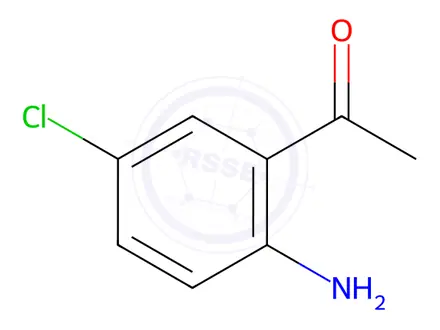
Chloroprocaine Impurity 41
CUSTOM SYNTHESISRS-C042023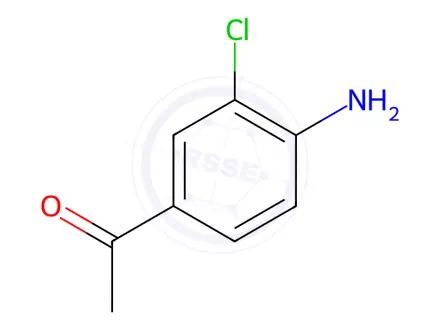
Chloroprocaine Impurity 42
IN STOCKRS-C042017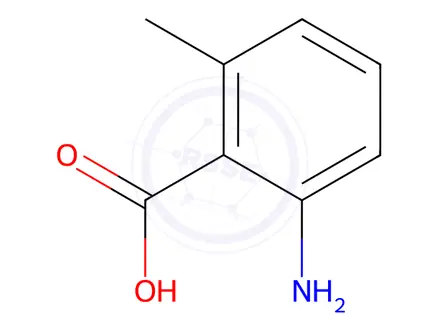
Chloroprocaine Impurity 44
CUSTOM SYNTHESISRS-C042010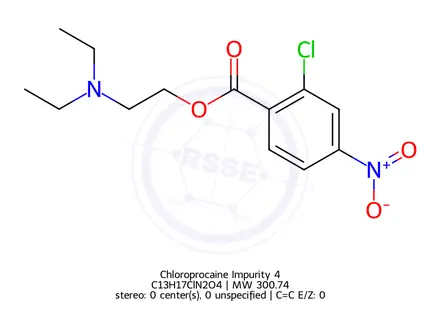
Chloroprocaine Impurity 45
CUSTOM SYNTHESISRS-C042001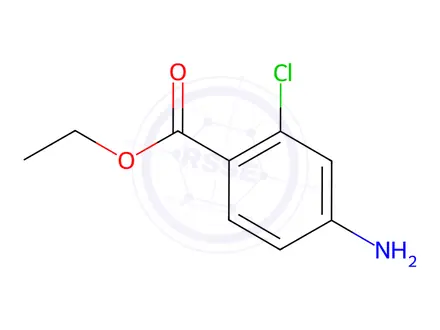
Chloroprocaine Impurity 46
IN STOCKRS-C042003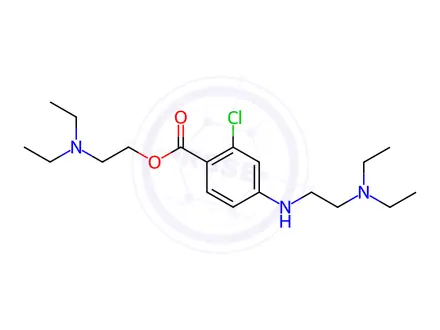
Chloroprocaine Impurity 47
IN STOCKRS-C042004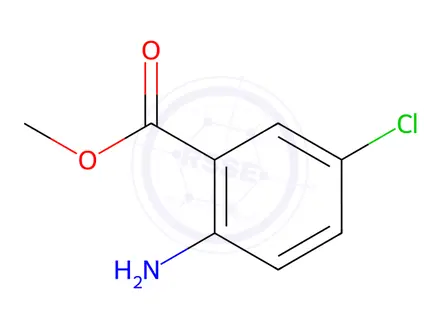
Chloroprocaine Impurity 49
IN STOCKRS-C042013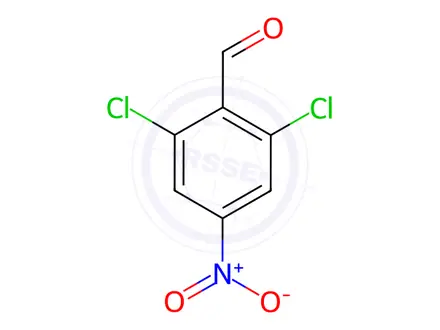
Chloroprocaine Impurity 50
IN STOCKRS-C042019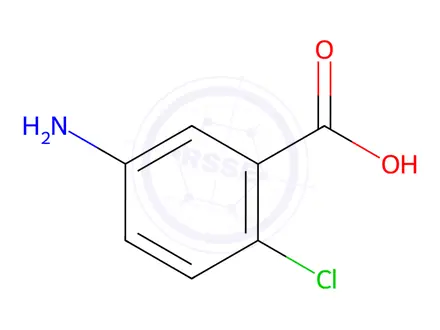
Chloroprocaine Impurity 51
CUSTOM SYNTHESISRS-C042020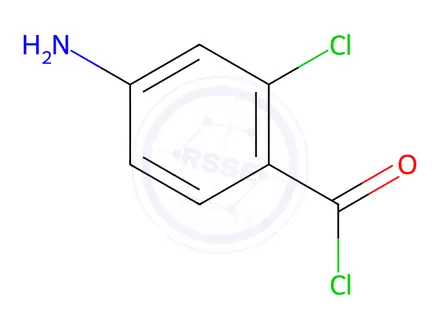
Chloroprocaine Impurity 53
IN STOCKRS-C042028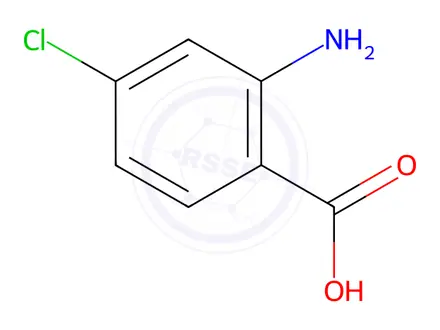
Chloroprocaine Impurity 59
IN STOCKRS-U003395
Chloroprocaine Impurity 60
CUSTOM SYNTHESISRS-C042002
Chloroprocaine Impurity 61
IN STOCKRS-C042007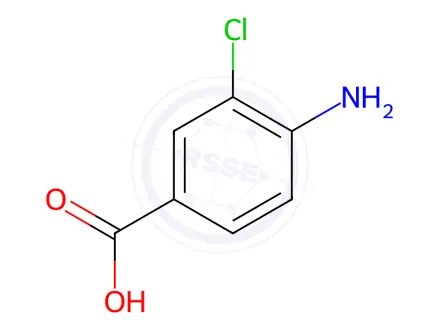
Chloroprocaine Impurity 62
IN STOCKRS-C042008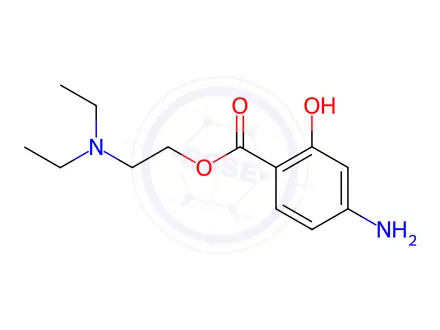
Chloroprocaine Impurity 63
IN STOCKRS-C042012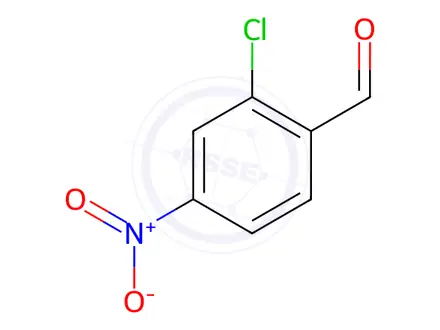
Chloroprocaine Impurity 64
IN STOCKRS-C042014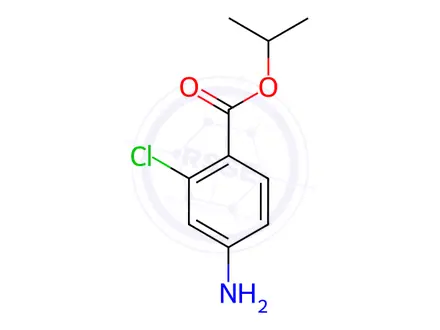
Chloroprocaine Impurity 65
IN STOCKRS-C042015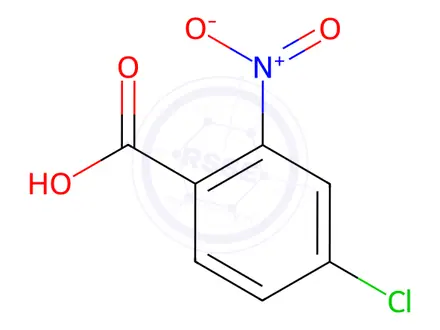
Chloroprocaine Impurity 66
IN STOCKRS-C042016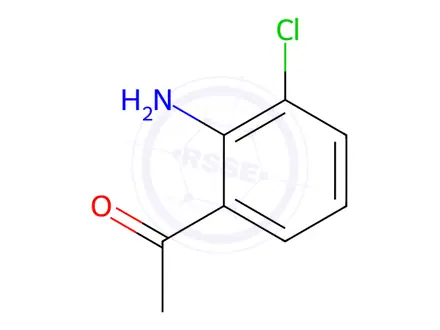
Chloroprocaine Impurity 67
IN STOCKRS-C042026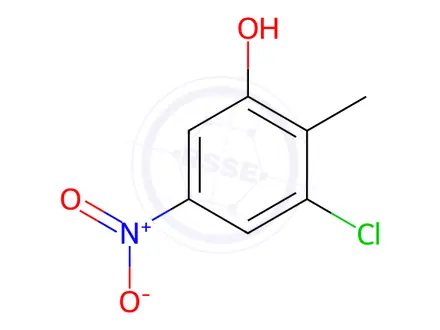
Chloroprocaine Impurity 69
IN STOCKRS-C042034
52 reference standards
Further entries held for Chloroprocaine
50 entries are held in the catalogue without a structure drawing. Each carries a catalogue number and, where one has been assigned, a CAS number; packing, documentation and price are quoted on enquiry.
- Chloroprocaine Dimer Impurity 22
- Chloroprocaine Impurity 1 DiHCl
- Chloroprocaine Impurity 10
- Chloroprocaine Impurity 10
- Chloroprocaine Impurity 11
- Chloroprocaine Impurity 18
- Chloroprocaine Impurity 19
- Chloroprocaine Impurity 20
- Chloroprocaine Impurity 23
- Chloroprocaine Impurity 23
- Chloroprocaine Impurity 24
- Chloroprocaine Impurity 24
- Chloroprocaine Impurity 25
- Chloroprocaine Impurity 27
- Chloroprocaine Impurity 30
- Chloroprocaine Impurity 33
- Chloroprocaine Impurity 33
- Chloroprocaine Impurity 34
- Chloroprocaine Impurity 34
- Chloroprocaine Impurity 36
- Chloroprocaine Impurity 37
- Chloroprocaine Impurity 4 Hydrochloride
- Chloroprocaine Impurity 48
- Chloroprocaine Impurity 5(Hydrochloride)
- Chloroprocaine Impurity 52
- Chloroprocaine Impurity 54
- Chloroprocaine Impurity 55
- Chloroprocaine Impurity 56
- Chloroprocaine Impurity 57
- Chloroprocaine Impurity 58
- Chloroprocaine Impurity 68
- Chloroprocaine Impurity 70
- Chloroprocaine Impurity 71
- Chloroprocaine Impurity 72
- Chloroprocaine Impurity 73
- Chloroprocaine Impurity 74
- Chloroprocaine Impurity 75
- Chloroprocaine Impurity 76
- Chloroprocaine Impurity 77
- Chloroprocaine Impurity 78
- Chloroprocaine Impurity 79
- Chloroprocaine Impurity 80
- Chloroprocaine Impurity 81
- Chloroprocaine Impurity 82
- Chloroprocaine Impurity 83
- Chloroprocaine Impurity 84
- Chloroprocaine Impurity 85
- Chloroprocaine Impurity 86
- Chloroprocaine Impurity 87
- Chloroprocaine Impurity 88
Frequently asked
How many Chloroprocaine-related reference standards do you hold?
Can you supply a Chloroprocaine impurity that is not listed here?
What documentation is supplied with Chloroprocaine impurities?
Do you publish prices or a lead time for Chloroprocaine impurities?
Cannot find the impurity you need? Non-compendial impurities can be quoted from a structure — a CAS number is not required. Write to sales@rssechem.com.