Cytidine impurities and related standards
Cytidine is a C9H13N3O5 molecule of 243.2, with two rings, one of them aromatic, an aromatic amine and an ether linkage. Its two-ring system carries one aromatic ring and four stereocentres, so both shape and configuration enter the separation. With two rings and four stereocentres, stereochemistry becomes a second separation problem.
An aniline is sensitive to oxygen and to light, and its oxidation products couple with each other, so one peak at release can become several after a year. A second route runs in parallel. Heteroaromatic nitrogen oxidises readily, and the N-oxide that results loses the parent's retention almost completely. A method that resolves the degradation products but ignores the route impurities will pass validation and fail a customer audit.
UV works because of the aromatic ring; an impurity that loses it effectively disappears from the chromatogram. The heteroaromatic nitrogens are weak bases, so pH still matters, though less sharply than it would for an aliphatic amine. A polar surface area of 130.8 leaves little for a C18 column to hold on to, which is why HILIC or ion-pairing enters the method early. Four stereocentres multiply the number of substances that have to be accounted for, and a chiral method is unavoidable. Cleaning validation asks something else again: whether the parent survives the wash, and which of its degradation products has to be looked for in the rinse.
Peaks without a catalogue entry are the normal case in early development, and they are quoted from a structure rather than turned away.
119 reference standards related to Cytidine held in the RSSE catalogue — pharmacopoeial impurities, non-compendial impurities, metabolites and labelled analogues where available.
In this group: 59 fine chemicals · 22 impurity reference standards · 16 stable isotope labelled standards · 12 chemical reagents. CAS numbers are listed for 119 of 119; 119 entries carry a structure drawing.
On this page
119 reference standards
All entries — structure, identifiers and pack sizes
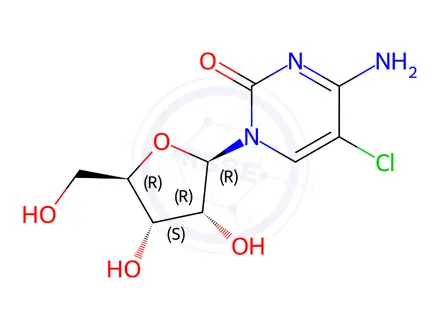
Cytidine (Cytarabine EP Impurity E)
CUSTOM SYNTHESISRS-C037020
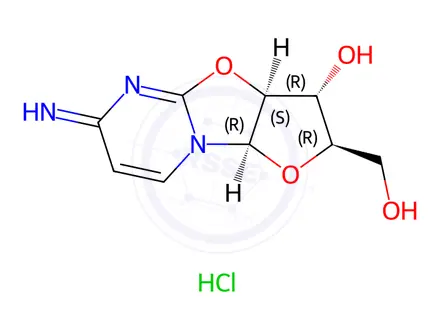
Cytarabine EP Impurity H (HCl Salt)
IN STOCKRS-C024001
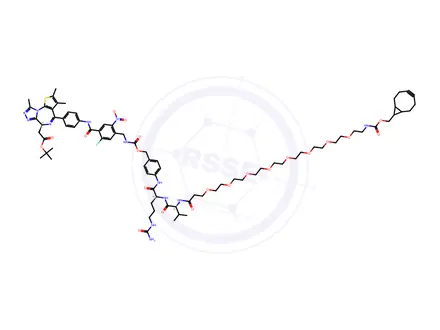
2'-Deoxy-N-(4-hydroxybutyl)cytidine
CUSTOM SYNTHESISRS-C037010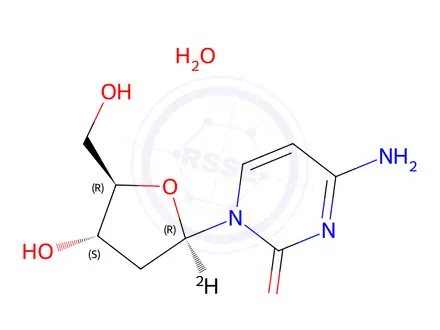
2'-Deoxycytidine-1'-d Monohydrate
IN STOCKRS-C037106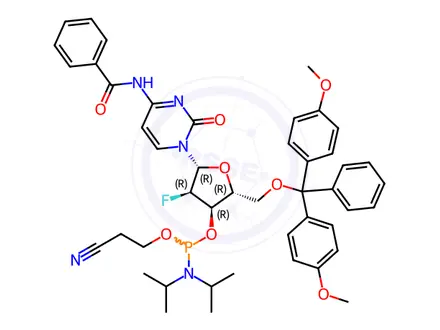
2'-Fluoro-N4-benzoyl-5'-O-DMT-2'-deoxycytidine-3'-ce-phosphoramidite
BACK ORDERRS-U014669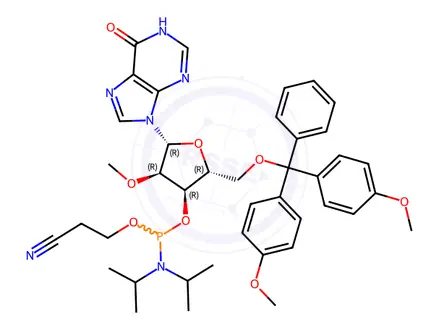
2'-O-Methyl Inosine Phosphoramidite
BACK ORDERRS-U018593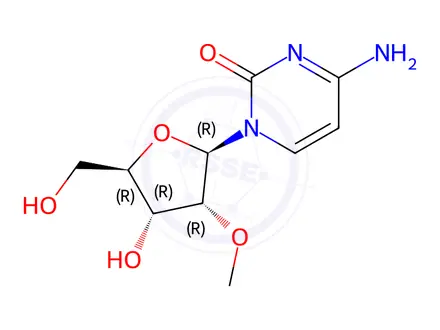
2'-O-Methylcytidine
IN STOCKRS-C040025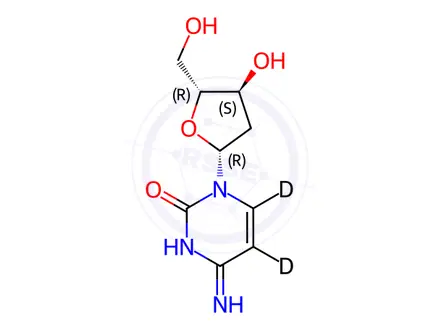
2'deoxycytidine-5,6-d2
IN STOCKRS-I097063
2,3-O-sulphinyl cytidine
IN STOCKRS-C037009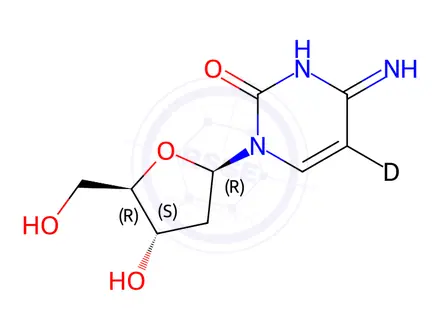
2’-Deoxy Cytidine-5-d1
IN STOCKRS-C037008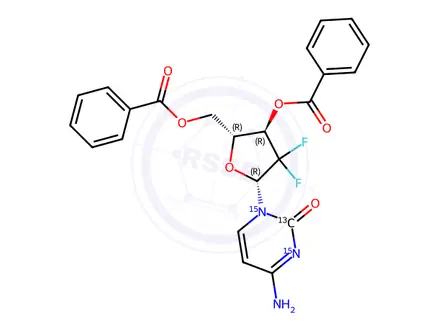
2’-Deoxy-3’,5’-di-O-benzoyl-2’,2’-difluorocytidine-13C,15N2
BACK ORDERRS-C037006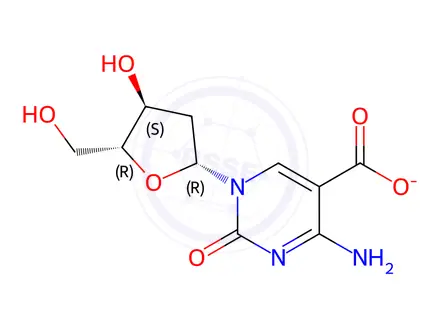
2’-Deoxycytidine-5-carboxylic Acid Sodium Salt
IN STOCKRS-C037003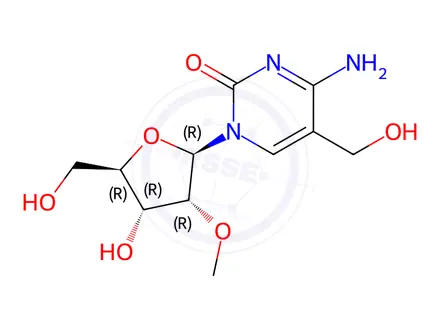
2′-O-Methyl-5-hydromethylcytidine
IN STOCKRS-C037007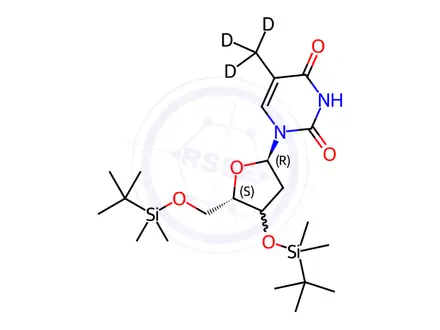
3',5'-Bis-O-(tert-butyldimethylsilyl)thymidine-d3
BACK ORDERRS-I096131
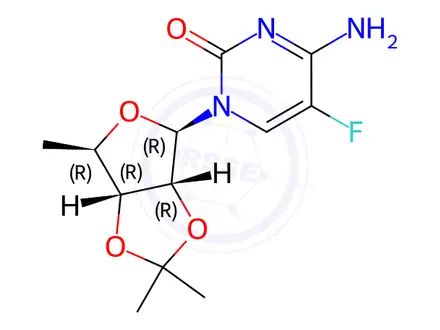
5'-Deoxy-2',3'-O-isopropylidene-5-fluorocytidine
IN STOCKRS-C037016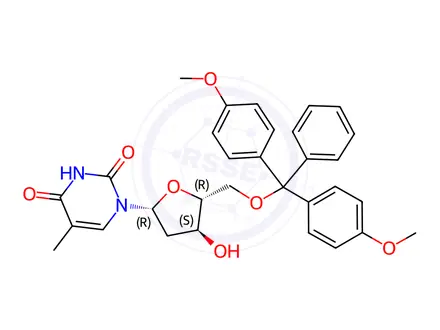
5'-O-(4,4'-Dimethoxytrityl)thymidine
BACK ORDERRS-C040028
5'-O-[Bis(4-methoxyphenyl)phenylmethyl]-2'-deoxy-N-ethylcytidine
CUSTOM SYNTHESISRS-C037017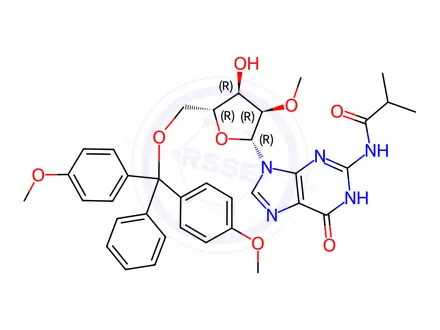
5'-O-DMT-N2-Isobutyryl-2'-O-methyl-guanosine
CUSTOM SYNTHESISRS-C040003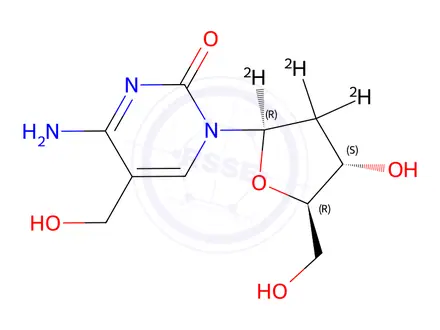
5-(Hydroxymethyl)-2’-deoxycytidine-d3
CUSTOM SYNTHESISRS-C037096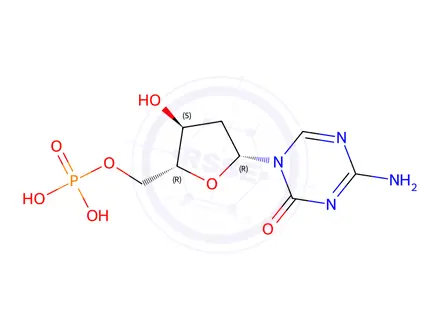
5-Aza-2'-deoxy Cytidine 5'-Monophosphate
CUSTOM SYNTHESISRS-Z401K4N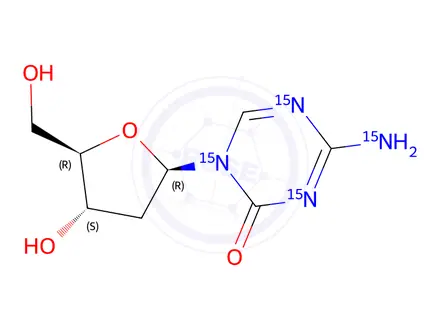
5-Aza-2'-deoxy cytidine-15N4
IN STOCKRS-C037161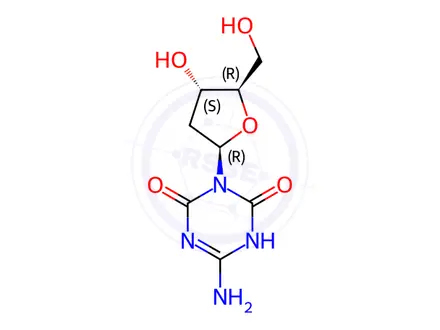
5-Aza-2'-deoxy-6-oxo Cytidine
IN STOCKRS-C037004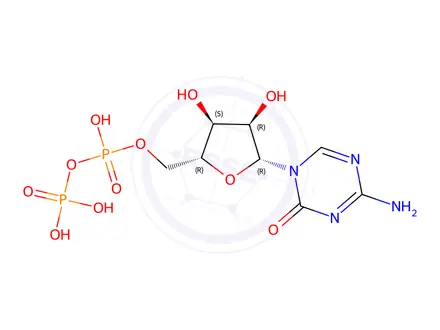
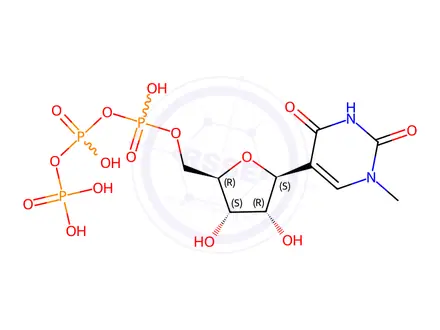
5-Azacytidine 5'-Diphosphate
BACK ORDERRS-Z412OKF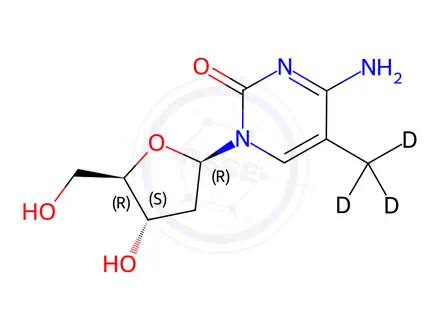
5-Methyl-2'-deoxy Cytidine-d3
IN STOCKRS-C037005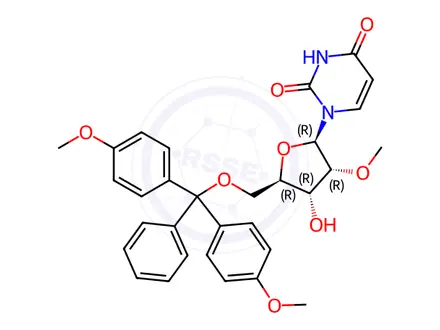
5′-O-DMT-2′-O-methyluridine
BACK ORDERRS-C040001
[1'-13C]2'-deoxycytidine monohydrate
IN STOCKRS-I098391
[1'-13C]cytidine
IN STOCKRS-I098333
[2'-13C]2'-deoxycytidine monohydrate
CUSTOM SYNTHESISRS-I098398
[2'-13C]cytidine
IN STOCKRS-I098397
[5',5'-2H2]2'-deoxycytidine monohydrate
BACK ORDERRS-U067230
[5',5'-2H2]cytidine
CUSTOM SYNTHESISRS-U067755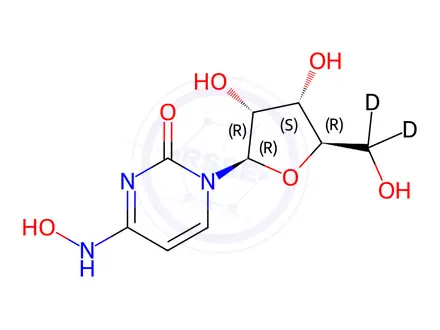
Beta-D-N4-Hydroxycytidine-d2
IN STOCKRS-C037013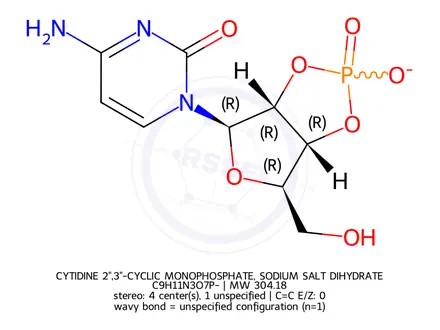
CYTIDINE 2'',3''-CYCLIC MONOPHOSPHATE, SODIUM SALT DIHYDRATE
IN STOCKRS-C037081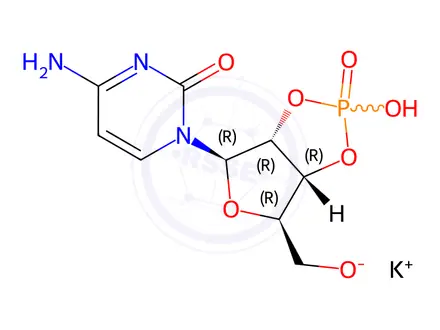
Cytidine 2',3'-phosphoric acid potassium salt
BACK ORDERRS-C037034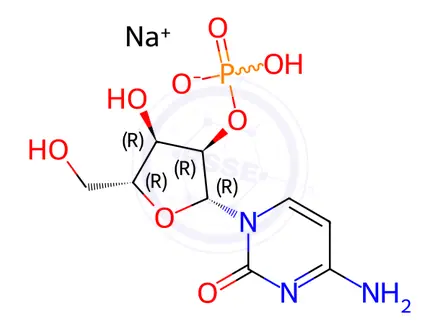
Cytidine 2'-monophosphate
IN STOCKRS-C037015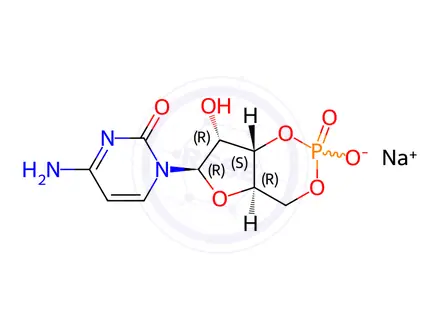
Cytidine 3',5'-Cyclic Monophosphate Monosodium Salt
BACK ORDERRS-C037035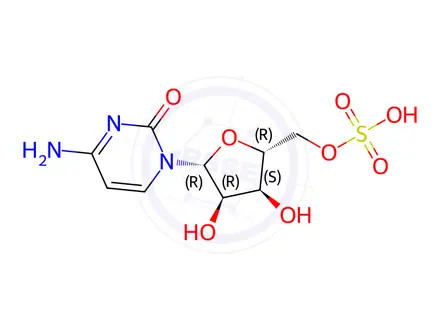
Cytidine 5'-(hydrogen sulfate)
BACK ORDERRS-C037036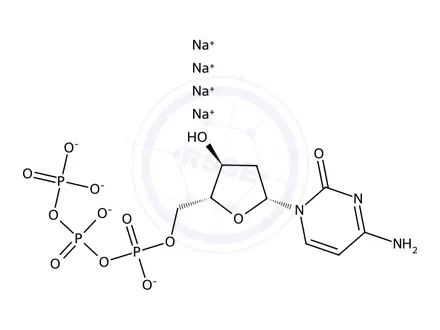
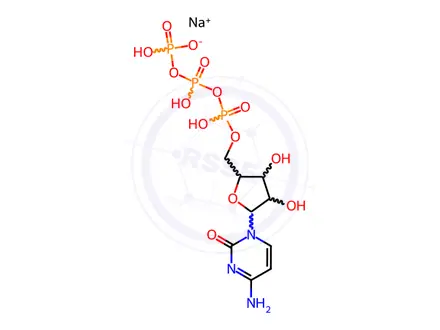
Cytidine 5'-(tetrahydrogen triphosphate), 2'-deoxy-, tetrasodium salt
BACK ORDERRS-C037056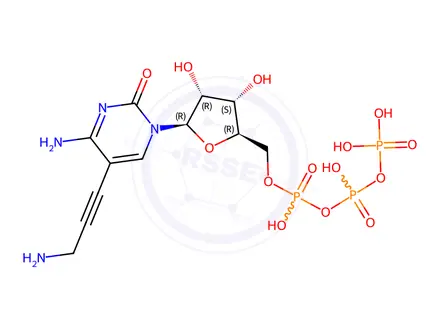
Cytidine 5'-(tetrahydrogen triphosphate), 5-(3-amino-1-propyn-1-yl)-
BACK ORDERRS-C037037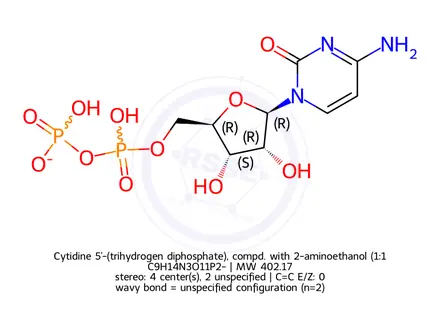

Cytidine 5'-(trihydrogen diphosphate), mono[2-(trimethylammonio)ethyl] ester
BACK ORDERRS-C037038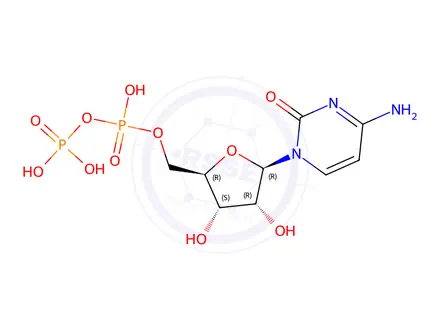
CYTIDINE 5'-DIPHOSPHATE, PERIODATEOXIDIZ ED SODIUM
BACK ORDERRS-Z393D04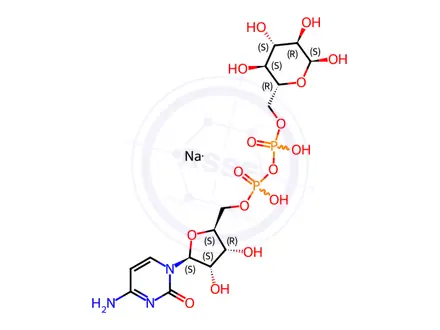
cytidine 5'-diphosphoglucose, disodium salt
BACK ORDERRS-C037055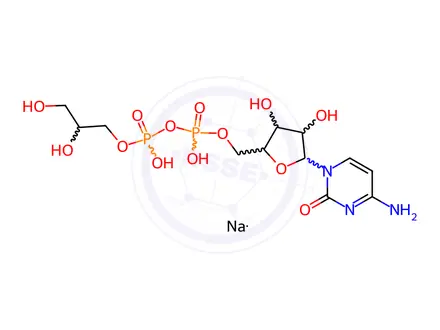
CYTIDINE 5'-DIPHOSPHOGLYCEROL DISODIUM SALT
BACK ORDERRS-C037032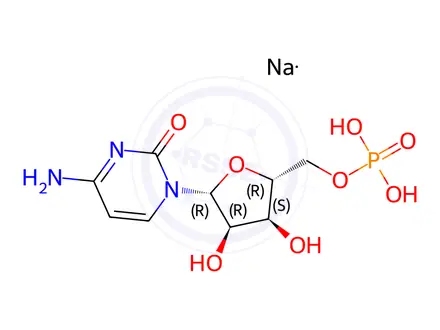
Cytidine 5'-Monophosphate Sodium salt
IN STOCKRS-U045079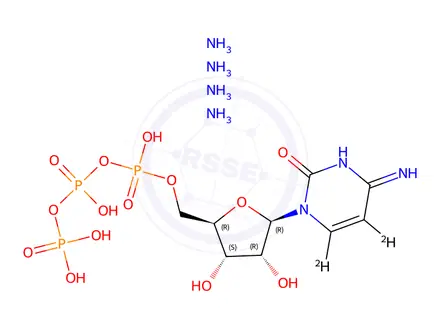
CYTIDINE 5'-TRIPHOSPHATE, AMMONIUM SALT (5,6
BACK ORDERRS-C037078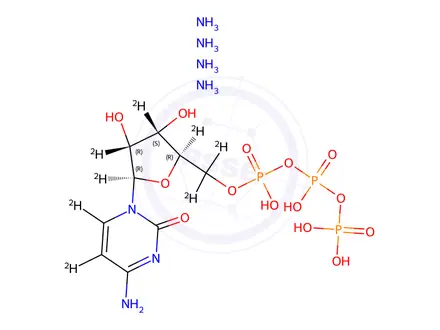
CYTIDINE 5'-TRIPHOSPHATE, AMMONIUM SALT (D8, 97%+) CHEM PUR. >90% (IN SOLN)
BACK ORDERRS-C037079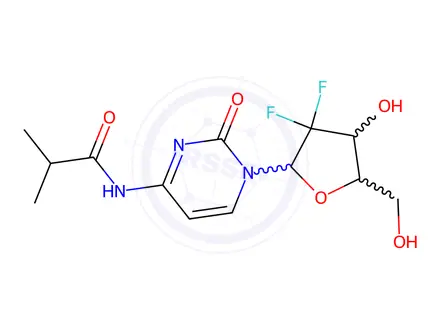
Cytidine, 2'-deoxy-2',2'-difluoro-N-(2-methyl-1-oxopropyl)-
CUSTOM SYNTHESISRS-C037039
Cytidine, 2'-deoxy-3',5'-bis-O-[(1,1-dimethylethyl)dimethylsilyl]-5-(hydroxymethyl)-
CUSTOM SYNTHESISRS-C037029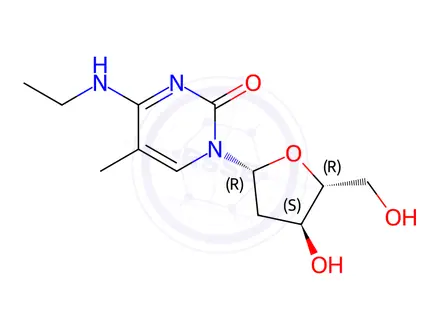
Cytidine, 2'-deoxy-N-ethyl-5-methyl-(8CI,9CI)
CUSTOM SYNTHESISRS-C037040
Cytidine, 3',5'-bis-O-[(1,1-dimethylethyl)dimethylsilyl]-N-methyl-2'-O-methyl-
BACK ORDERRS-C037041
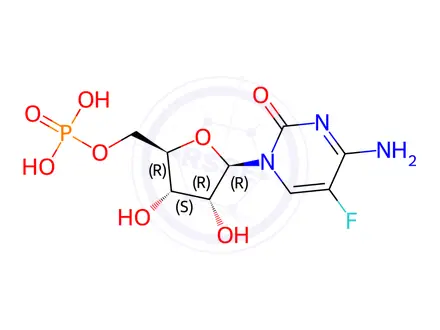
Cytidine, 5-fluoro-, 5'-(dihydrogen phosphate) (8CI)
IN STOCKRS-C037080
Cytidine, 6-methyl-(8CI,9CI)
BACK ORDERRS-C037043
CYTIDINE, [5-3H]
CUSTOM SYNTHESISRS-C037033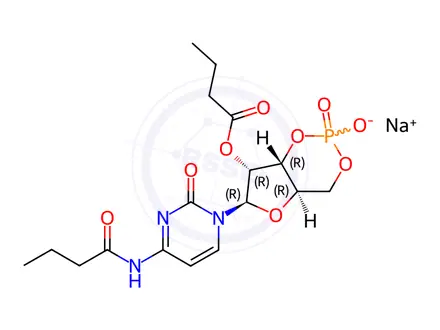

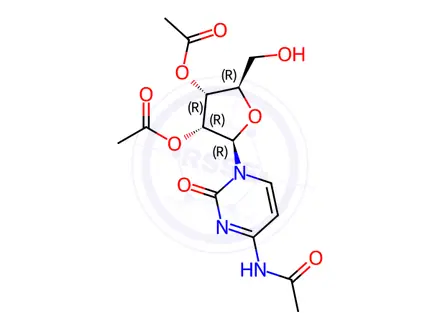
Cytidine, N-acetyl-, 2',3'-diacetate
CUSTOM SYNTHESISRS-C037030


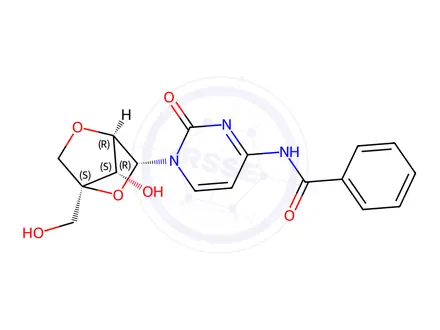
Cytidine, N-benzoyl-2'-O,4'-C-methylene-(9CI)
CUSTOM SYNTHESISRS-C037047

Cytidine, N-benzoyl-5'-O-[bis(4-Methoxyphenyl)phenylMethyl]-2'-deoxy-2'-fluoro-
BACK ORDERRS-C037050

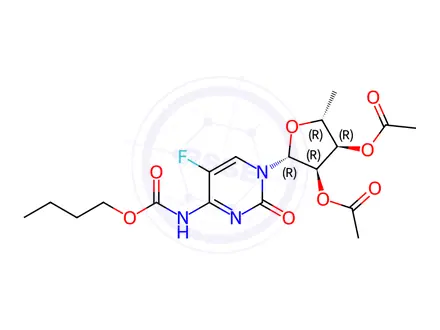
Cytidine,N-(butoxycarbonyl)-5'-deoxy-5-fluoro-2',3'-diacetattte
BACK ORDERRS-C037053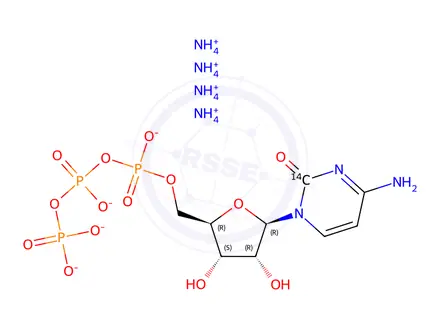
CYTIDINE-2-14C 5'-TRIPHOSPHATE AMMONIUM SALT
BACK ORDERRS-C037077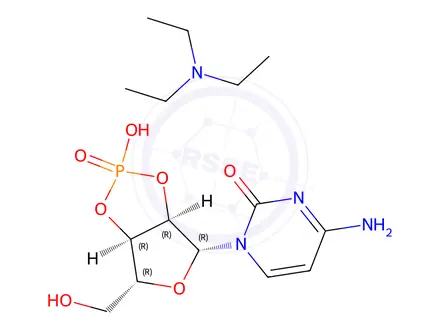
Cytidine-2’,3’-cyclic Monophosphate Triethylamine Salt
BACK ORDERRS-C037054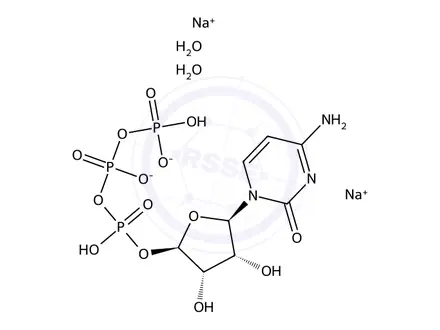
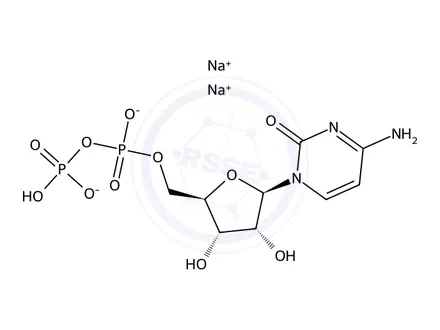
Cytidine-5'-triphosphate disodium salt dihydrate
BACK ORDERRS-U045323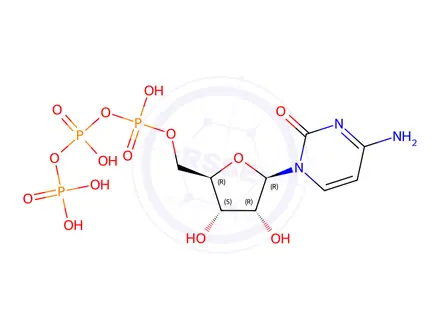
Cytidine-5'-triphosphoric Acid Disodium Salt
BACK ORDERRS-Z395UJM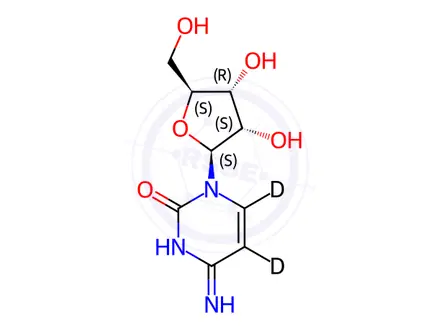
Cytidine-5,6-d2
IN STOCKRS-I098385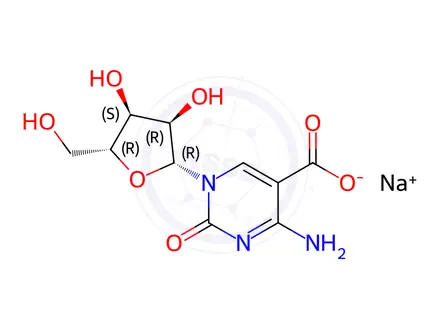
Cytidine-5-carboxylic acid sodium salt
BACK ORDERRS-U045634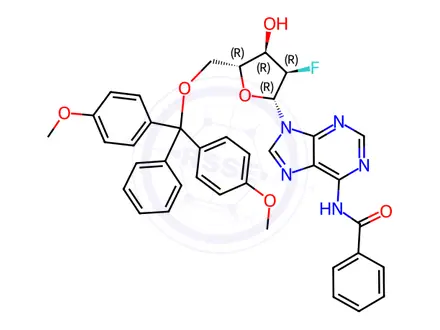
DMT-2'-F-Bz-dA
BACK ORDERRS-C002031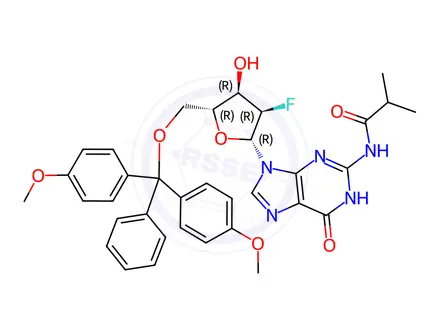
DMT-2'-F-iBu-G
CUSTOM SYNTHESISRS-C002039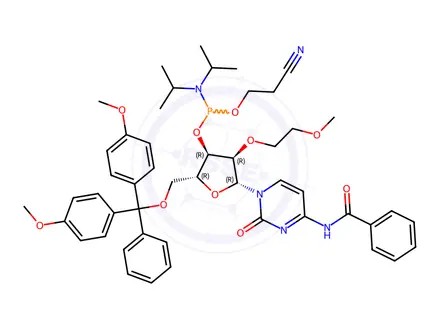
DMT-2'-O-MOE-rC(Bz) Phosphoramidite
CUSTOM SYNTHESISRS-C002227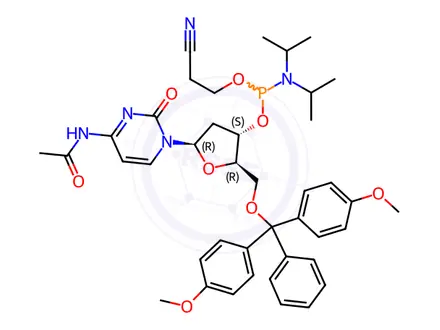
DMT-dC(ac) Phosphoramidite
BACK ORDERRS-U062168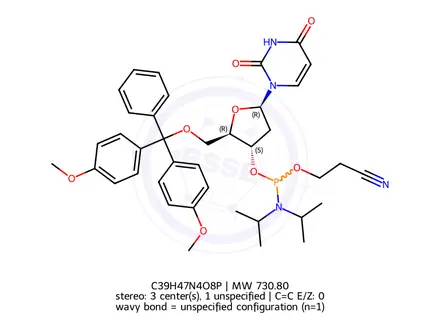
Dmt-Du Amidite
BACK ORDERRS-U062537
DMT-OMe-rA(Bz)
BACK ORDERRS-C002013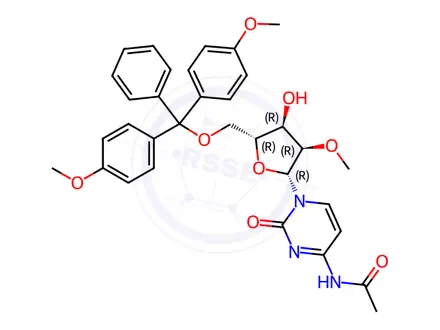
DMT-OMe-rC(Ac)
CUSTOM SYNTHESISRS-C002056
N-Acetyl-5'-O-[bis(4-methoxyphenyl)phenylmethyl]-2'-deoxy-2'-fluorocytidine
BACK ORDERRS-C005024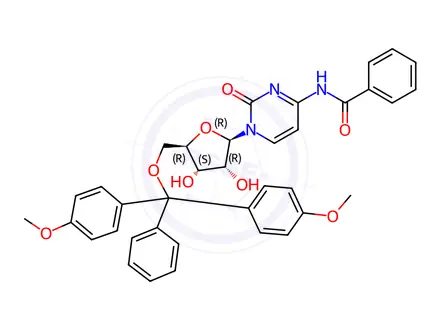
N-Benzoyl-5'-(di-p-methoxytrityl)cytidine
BACK ORDERRS-C037018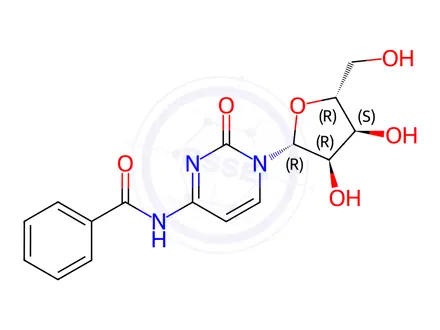
N-Benzoylcytidine
IN STOCKRS-C037019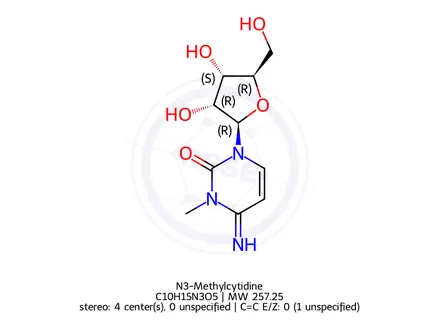
N3-Methylcytidine
IN STOCKRS-U002135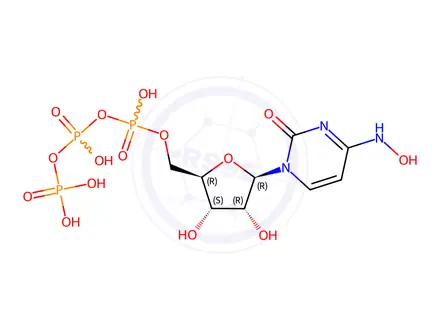
N4 Hydroxycytidine triphosphate
CUSTOM SYNTHESISRS-U211MUJ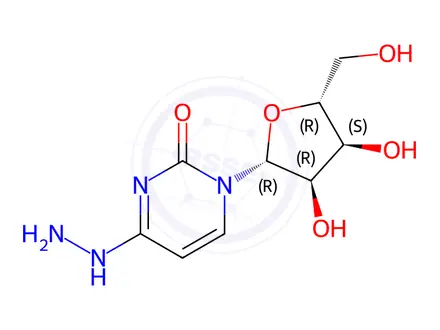
N4-Aminocytidine
IN STOCKRS-C037014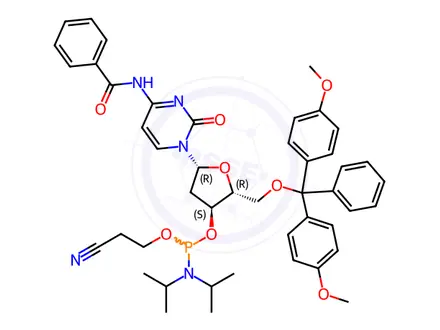
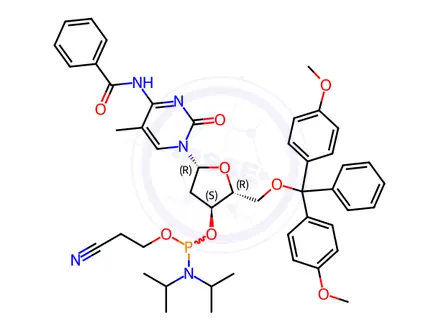
N4-Benzoyl-2’-deoxy-5’-O-DMT-cytidine 3’-CE Phosphoramidite
BACK ORDERRS-U096162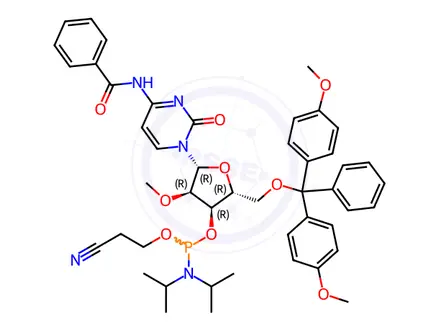
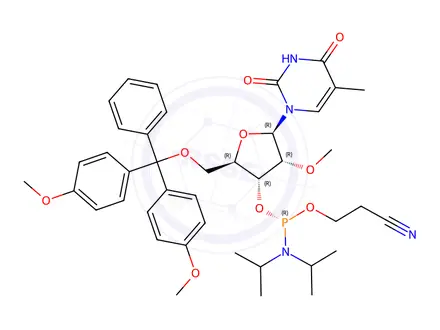
N4-Benzoyl-5'-O-DMT-2'-O-methylcytidine 3'-CE phosphoramidite
BACK ORDERRS-U096194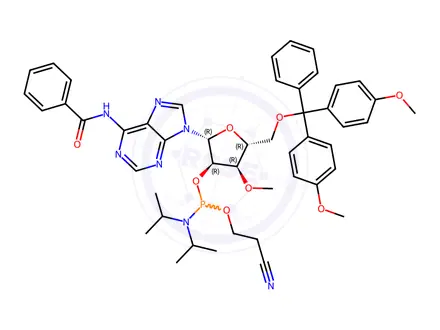
N6-Bz-5'-O-DMTr-3'-O-methyladenosine-2'-O-CED-phosphoramidite
BACK ORDERRS-U096484
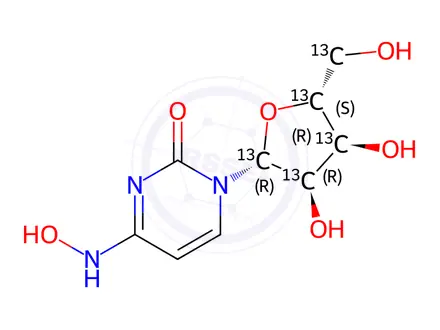
β-D-N4-Hydroxycytidine 13C5
CUSTOM SYNTHESISRS-C037002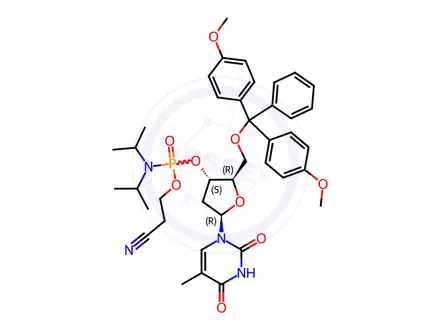
Cytidine Related Compound 1
BACK ORDERRS-C037011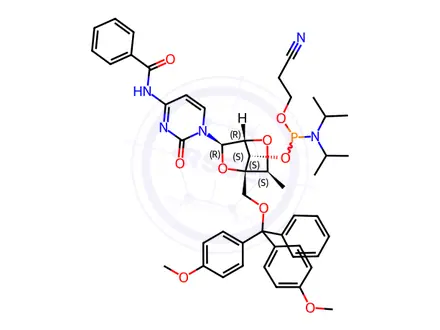
Cytidine Related Compound 2
BACK ORDERRS-C037022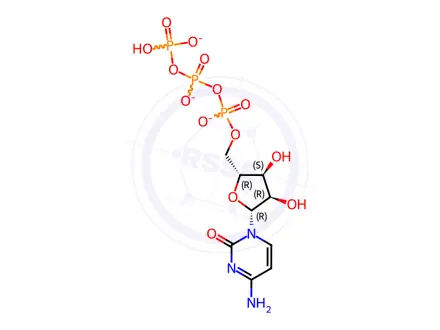
Cytidine Impurity 3
BACK ORDERRS-U200492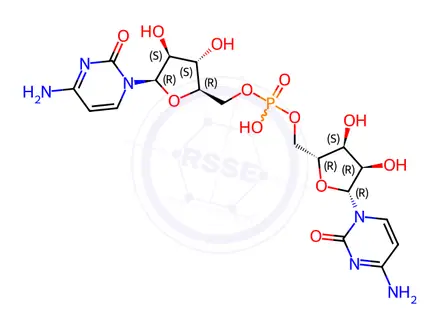
Cytidine Impurity 14
BACK ORDERRS-C037021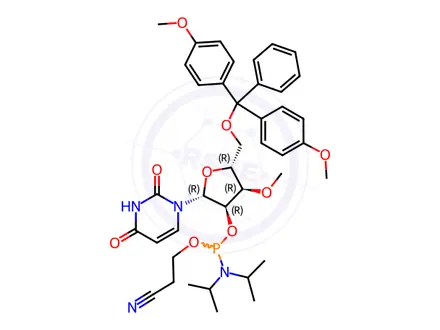
Cytidine Impurity 61
CUSTOM SYNTHESISRS-C037023
Cytidine Impurity 65
BACK ORDERRS-C037024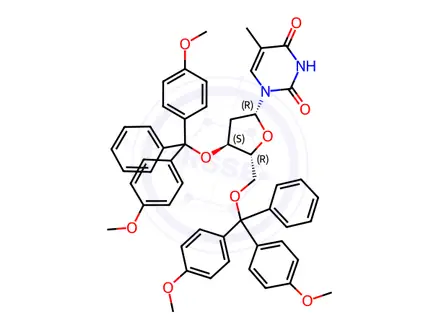
Cytidine Impurity 71
BACK ORDERRS-C037025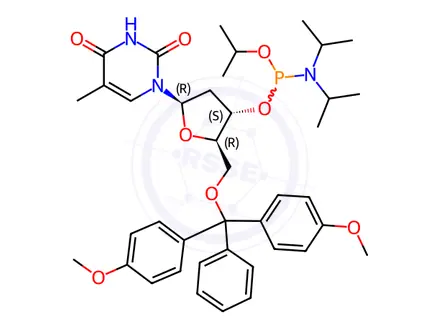
Cytidine Impurity 72
BACK ORDERRS-C037058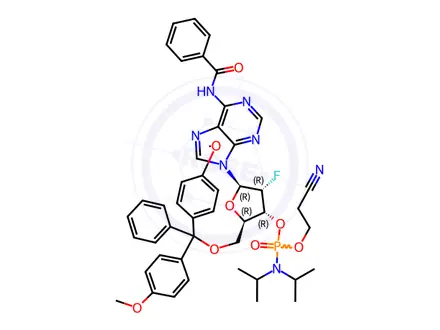
Cytidine Impurity 75
BACK ORDERRS-C037026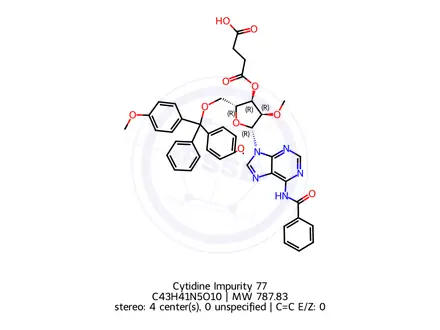
Cytidine Impurity 77
BACK ORDERRS-C037027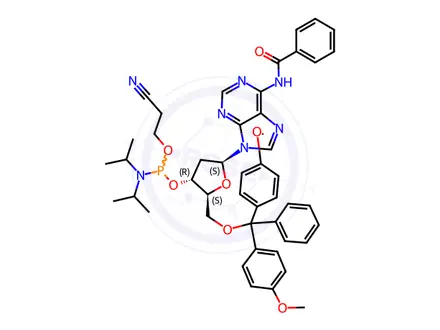
Cytidine Impurity 87
BACK ORDERRS-C037059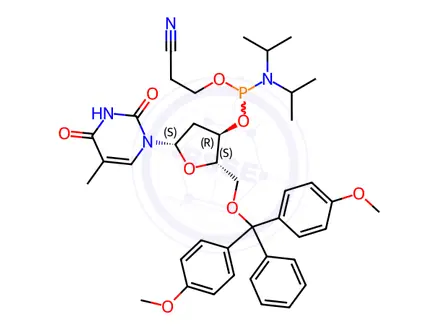
Cytidine Impurity 88
BACK ORDERRS-C037028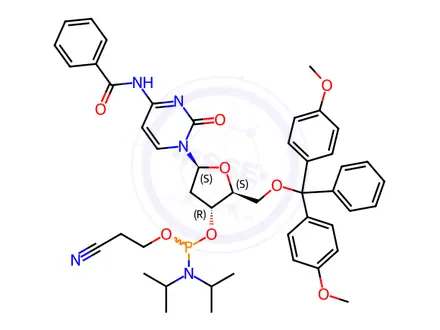
Cytidine Impurity 89
BACK ORDERRS-C037060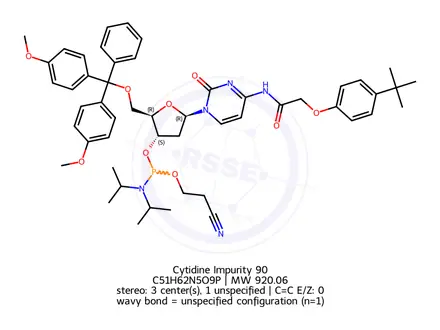
Cytidine Impurity 90
BACK ORDERRS-C037012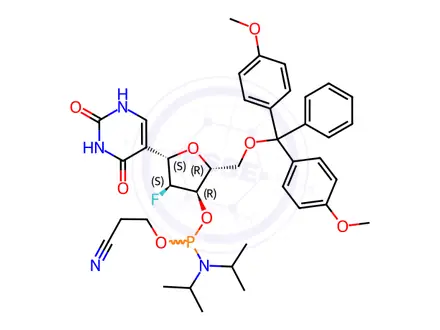
Cytidine Impurity 97
BACK ORDERRS-C037061
Cytidine Impurity 106
BACK ORDERRS-C037062
Cytidine Impurity 107
BACK ORDERRS-C037063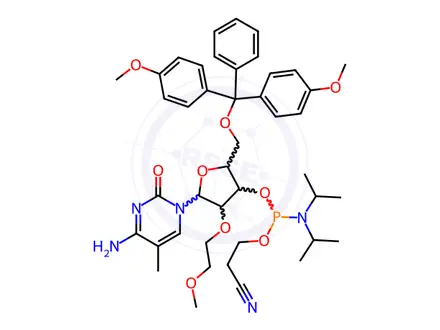
Cytidine Impurity 113
BACK ORDERRS-C037064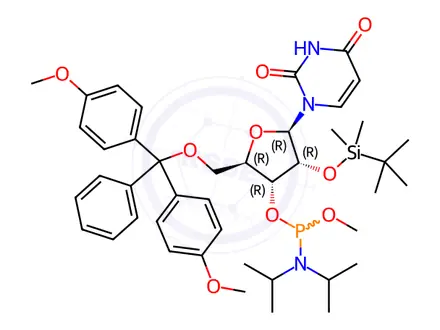
Cytidine Impurity 114
CUSTOM SYNTHESISRS-C037065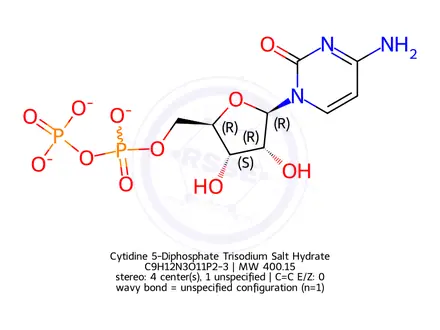
Cytidine Impurity 115
CUSTOM SYNTHESISRS-C037075
119 reference standards
Further entries held for Cytidine
118 entries are held in the catalogue without a structure drawing. Each carries a catalogue number and, where one has been assigned, a CAS number; packing, documentation and price are quoted on enquiry.
- 2',3'-di-O-acetyl-5'-deoxy-5-fluoro-N4-(n-dipentyloxy carbonyl)cytidine
- 2'-Deoxycytidine 5'-Triphosphate-13C,15N2 Triethylamine
- 2'-Deoxycytidine-5',5''-d2 Monohydrate
- 2-DEOXYCYTIDINE 5-TRIPHOSPHATE, LITHIUM SALT 13C9, 15N3
- 2-Deoxycytidine-15N3
- 2’,3’-Di-O-acetyl-5’-deoxy-5-fluoro-N4-(pentoxy-d11-carbonxyl)cytidine
- 3-Methyl Cytidine-d3 Methosulfate-d3
- 3’,5’-Di-p-toluoyl-2’-deoxycytidine-d3
- 5'-Deoxy-5'-iodo-2',3'-O-isopropylidene-5-chlorocytidine
- 5'-Deoxy-5-fluoro-N4-(2-methyl-1-butyloxy-carbonyl)cytidine + 5'-Deoxy-5-fluoro-N4-(3-methyl-1-butyl
- 5'-ODMT-2'-Deoxypseudoisocytidine
- 5-Hydroxy-2’-deoxycytidine-13C,15N2
- 5-Hydroxymethylcytidine-13C,d2
- 5-Methylcytidine-13CD3
- 5’-Deoxy-2’,3’-O-isopropylidene-5-fluorocytidine-13C,15N2
- Cytidine 5'-Diphosphate Ethanolamine Disodium Salt
- Cytidine 5'-Monophosphate Methyl Ester
- cytidine 5'-monophospho-β-N-acetyl-D-[1,2,3-13C3]neuraminic acid (disodium salt)
- Cytidine 5’-Monophosphate Ethyl Ester Sodium
- Cytidine Impurities and Related Compound
- Cytidine Impurity 1
- Cytidine Impurity 10
- Cytidine Impurity 102
- Cytidine Impurity 103
- Cytidine Impurity 104
- Cytidine Impurity 105
- Cytidine Impurity 108
- Cytidine Impurity 11
- Cytidine Impurity 110
- Cytidine Impurity 111
- Cytidine Impurity 112
- Cytidine Impurity 116
- Cytidine Impurity 117
- Cytidine Impurity 118
- Cytidine Impurity 119
- Cytidine Impurity 12
- Cytidine Impurity 120
- Cytidine Impurity 121
- Cytidine Impurity 13
- Cytidine Impurity 13
- Cytidine Impurity 15
- Cytidine Impurity 16
- Cytidine Impurity 17
- Cytidine Impurity 18
- Cytidine Impurity 19
- Cytidine Impurity 2 (2'-Deoxycytidine)
- Cytidine Impurity 20
- Cytidine Impurity 21
- Cytidine Impurity 22
- Cytidine Impurity 23
- Cytidine Impurity 24
- Cytidine Impurity 25
- Cytidine Impurity 28
- Cytidine Impurity 29
- Cytidine Impurity 3
- Cytidine Impurity 3 (5-Methyl-2'-Deoxycytidine)
- Cytidine Impurity 30
- Cytidine Impurity 31
- Cytidine Impurity 33
- Cytidine Impurity 35
- Cytidine Impurity 36
- Cytidine Impurity 38
- Cytidine Impurity 4
- Cytidine Impurity 40
- Cytidine Impurity 41
- Cytidine Impurity 42
- Cytidine Impurity 43
- Cytidine Impurity 44
- Cytidine Impurity 45
- Cytidine Impurity 46
- Cytidine Impurity 47
- Cytidine Impurity 48
- Cytidine Impurity 49
- Cytidine Impurity 5
- Cytidine Impurity 50
- Cytidine Impurity 51
- Cytidine Impurity 52
- Cytidine Impurity 6
- Cytidine Impurity 7
- Cytidine Impurity 78
- Cytidine Impurity 79
- Cytidine Impurity 8
- Cytidine Impurity 80
- Cytidine Impurity 81
- Cytidine Impurity 82
- Cytidine Impurity 83
- Cytidine Impurity 9
- Cytidine Impurity 95
- Cytidine Impurity 96
- Cytidine Impurity 99
- Cytidine Related Compound 3
- Cytidine Related Compound 4
- Cytidine Related Compound 5
- Cytidine Related Compound 6
- Cytidine, 3'-?azido-?3'-?deoxy-?2'-?O-?[2-?(trifluoromethoxy)?ethyl]?-
- Cytidine, N-?benzoyl-?2',?3'-?dideoxy-?2'-?fluoro-?3'-?[[(4-?methoxyphenyl)?diphenylmethyl]?amino]?-(9CI)
- Cytidine, N-?benzoyl-?2',?3'-?dideoxy-?2'-?fluoro-?3'-?[[(4-?methoxyphenyl)?diphenylmethyl]?amino]?-?, 5'-?[2-?cyanoethyl bis(1-?methylethyl)?phosphoramidite] (9CI)
- Cytidine, N-?benzoyl-?2',?3'-?dideoxy-?5-?methyl-?3'-?[(triphenylmethyl)?amino]?-?, 5'-?[2-?cyanoethyl N,?N-?bis(1-?methylethyl)?phosphoramidite]
- Cytidine, N-?benzoyl-?3'-?deoxy-?3'-?[[(4-?methoxyphenyl)?diphenylmethyl]?amino]?-?2'-?O-?2-?propen-?1-?yl-?, 5'-?[2-?cyanoethyl N,?N-?bis(1-?methylethyl)?phosphoramidite]
- Cytidine, N-?benzoyl-?3'-?deoxy-?3'-?[[(4-?methoxyphenyl)?diphenylmethyl]?amino]?-?2'-?O-?[2-?(trifluoromethoxy)?ethyl]?-?, 5'-?[2-?cyanoethyl N,?N-?bis(1-?methylethyl)?phosphoramidite]
- Cytidine, N-?benzoyl-?3'-?O-?[bis(4-?methoxyphenyl)?phenylmethyl]?-?2'-?O-?ethyl-
- Cytidine, N-?benzoyl-?5'-?O-?[(1,?1-?dimethylethyl)?diphenylsilyl]?-?2'-?O-?ethyl-
- Cytidine, N-acetyl-2',3'-didehydro-2',3'-dideoxy-
- Cytidine, N-acetyl-5'-O-[(1,1-dimethylethyl)dimethylsilyl]-, 2',3'-bis(S-methyl carbonodithioate) (9CI)
- Cytidine, N-benzoyl-5'-O-[bis(4-methoxyphenyl)phenylmethyl]-5-methyl-2'-O-[2-(methylamino)-2-oxoethyl]-
- Cytidine-13C-15N2
- Cytidine-13C5 5'-Monophosphate Triethylammonium Salt
- Cytidine-13C9,15N3 5′-triphosphate sodium
- Cytidine-15N3-5’- monophosphate Sodium salt
- CYTIDINE-2-14C 5'-MONOPHOSPHATE AMMONIUM SALT
- Cytidine-5'-monophosphate Methyl Ester Ester Sodium Salt
- Cytidine-5'-triphosphate-1',2',3',4',5'-13C5 Triethylamine Salt, >90%
- Cytidine-5-monophospahte methyl ester
- Cytidine-5-monophosphate α-Anomer
- Cytidine-5’-dihydrogenphosphate
- Cytidine-d2
- LENS CULINARIS AGGLUTININ
- N4-Hydroxycytidine-13C,15N2
Frequently asked
How many Cytidine-related reference standards do you hold?
Can you supply a Cytidine impurity that is not listed here?
What documentation is supplied with Cytidine impurities?
Do you publish prices or a lead time for Cytidine impurities?
Cannot find the impurity you need? Non-compendial impurities can be quoted from a structure — a CAS number is not required. Write to sales@rssechem.com.