Dopamine impurities and related standards
Put Dopamine on the bench and the formula does most of the explaining: C8H11NO2, 153.2, one ring, all of them aromatic, a primary amine. Three hydrogen-bond donors and three acceptors put the polar surface at 66.5; cLogP is 0.6. Heavy atom count 11, ring count 1, fraction sp3 0.25.
The phenol oxidises to quinone-type material, which is coloured, reactive and prone to coupling with itself. There is a second family as well. The amine takes up carbon dioxide and forms carbamates, and it condenses with any aldehyde in the formulation; both changes are reversible, which is what makes them easy to miss. Process impurities and degradation products are separate problems, and a method has to cover both.
The aromatic system carries the UV response, which makes a conventional reversed-phase method possible. For Dopamine, the polar surface is 66.5 and the calculated logP is 0.6. The mass spectrometer prefers positive mode for this compound. Resolution is the constraint, not sensitivity. Method transfer is where this work earns its keep. A critical pair that separates on the development column collapses on a different brand of C18. A standard weighed as the salt but assigned as the free base carries a systematic error.
For Dopamine, the lot is released against a CoA that names the tests, the chromatograms and the assigned value.
Sources: DailyMed label, DOPAMINE HYDROCHLORIDE injection, Hospira, National Library of Medicine.
117 reference standards related to Dopamine held in the RSSE catalogue — pharmacopoeial impurities, non-compendial impurities, metabolites and labelled analogues where available.
In this group: 56 impurity reference standards · 25 fine chemicals · 14 stable isotope labelled standards · 10 drug metabolite standards. CAS numbers are listed for 117 of 117; 117 entries carry a structure drawing.
On this page
N-nitroso (NDSRI) impurities of Dopamine
The N-nitroso forms held for this substance — the structural class that the ICH M7 nitrosamine framework covers. 2 entries are listed. A CAS number is not required to quote one of them.
117 reference standards
All entries — structure, identifiers and pack sizes
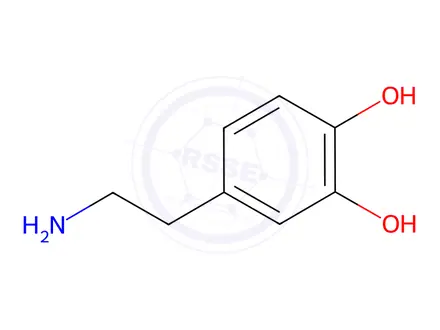
Dopamine
IN STOCKRS-U062351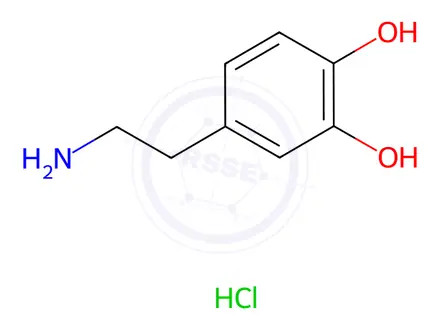
Dopamine hydrochloride
IN STOCKRS-M106163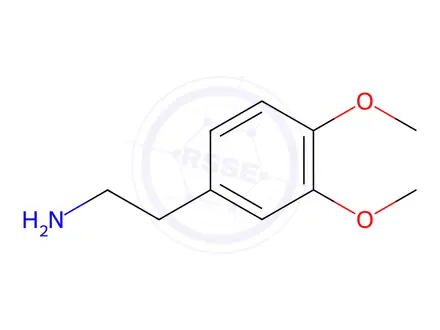
Dopamine EP Impurity C (Dopamine USP Related Compound C)
IN STOCKRS-D010003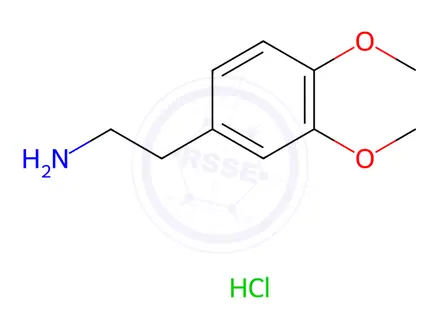
Dopamine EP Impurity C (HCl Salt)
IN STOCKRS-D010026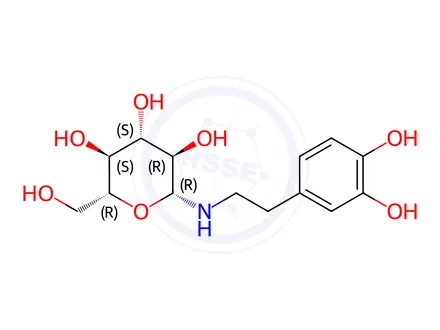
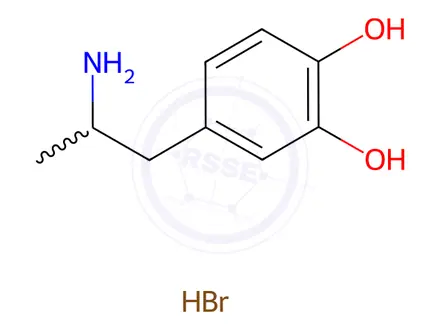
(R,S)-alpha-Methyldopamine Hydrobromide
CUSTOM SYNTHESISRS-U093141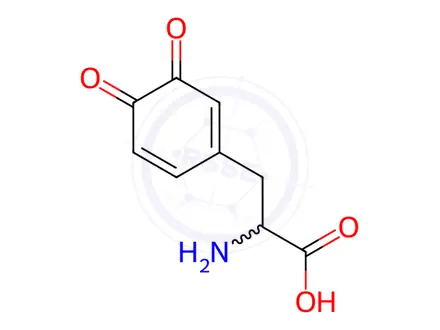
(RS)-dopaquinone
IN STOCKRS-I009105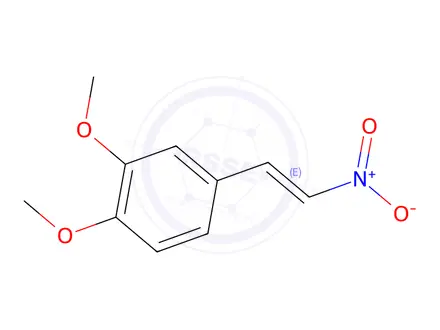
1,2-Dimethoxy-4-(2-nitrovinyl)benzene
IN STOCKRS-Z412OO0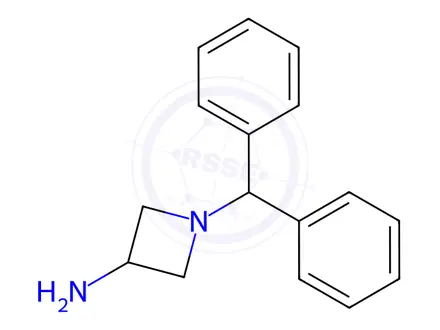
1-Benzhydrylazetidin-3-amine
IN STOCKRS-D119119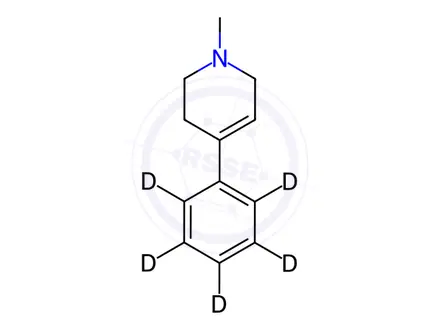
1-Methyl-4-phenyl-1,2,3,6-tetrahydropyridine-d5
IN STOCKRS-I094338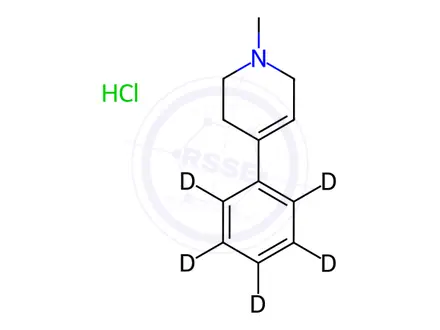
1-Methyl-4-phenyl-1,2,3,6-tetrahydropyridine-d5 Hydrochloride
CUSTOM SYNTHESISRS-I094486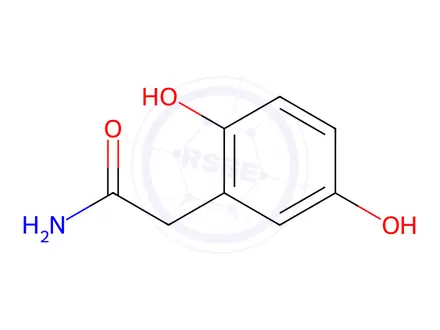
2,6-dihydroxyenzeneacetamide
BACK ORDERRS-U069790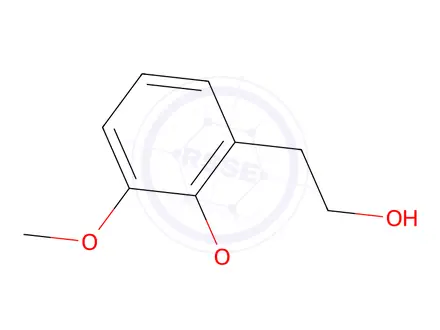
2-(2,3-Dimethoxyphenyl)ethanol
IN STOCKRS-Z397FHY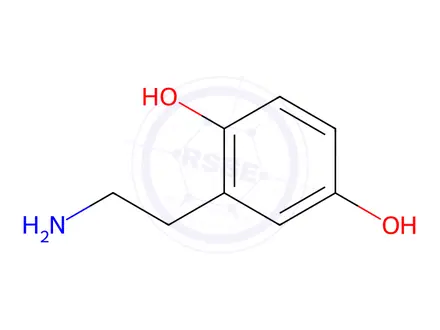
2-(2-aminoethyl)benzene-1,4-diol
IN STOCKRS-U003573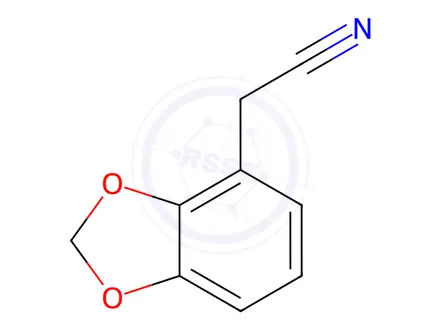
2-(2H-1,3-Benzodioxol-4-yl)acetonitrile
IN STOCKRS-U211OVU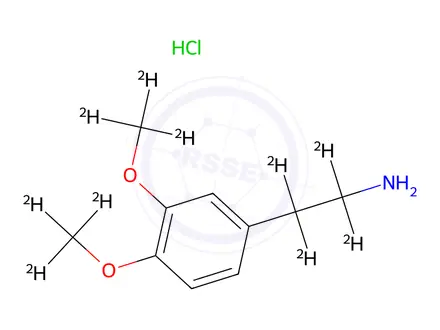
2-(3,4-Bis(methoxy-d3)phenyl)ethan-1,1,2,2-d4-1-amine hydrochloride
IN STOCKRS-Z400VBU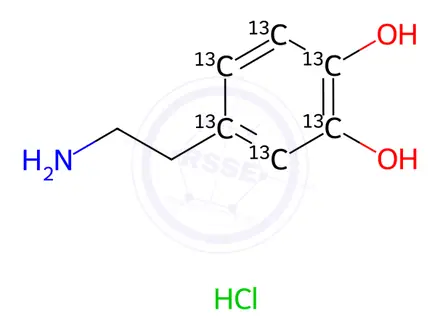
2-(3,4-Dihydroxyphenyl-13C6)ethylamine HCl
CUSTOM SYNTHESISRS-I003516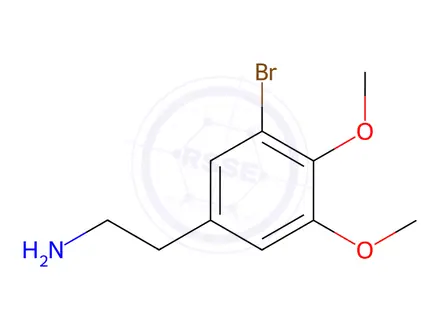
2-(3-Bromo-4,5-dimethoxyphenyl)ethanamine
BACK ORDERRS-U073853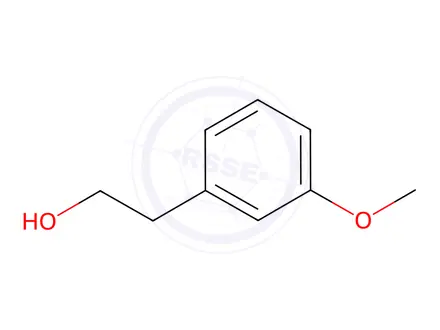
2-(3-Methoxyphenyl)ethanol
IN STOCKRS-U010A86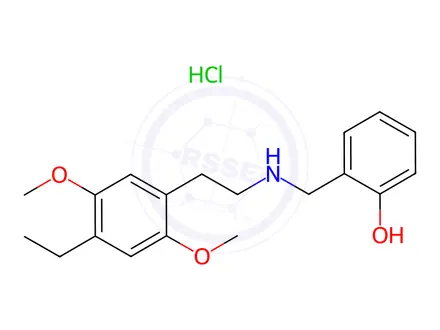
25E-NBOH (hydrochloride)
BACK ORDERRS-U008323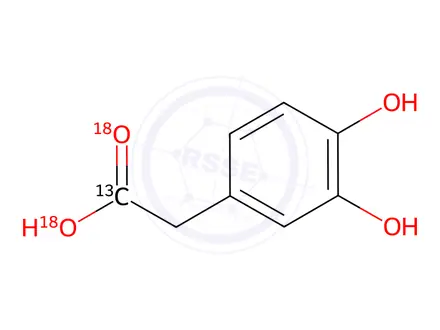
3,4-Dihydroxyphenylacetic Acid-13C,18O2
IN STOCKRS-I097090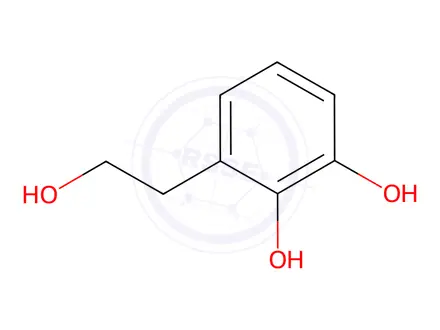
3-(2-hydroxyethyl)benzene-1,2-diol
BACK ORDERRS-U067828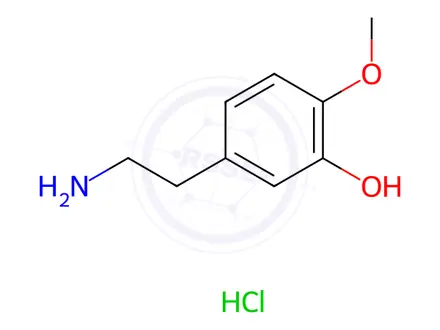
3-Hydroxy-4-methoxyphenethylamine Hydrochloride
IN STOCKRS-U067278
3-Methoxytyramine-[D4]hydrochloride
IN STOCKRS-I094123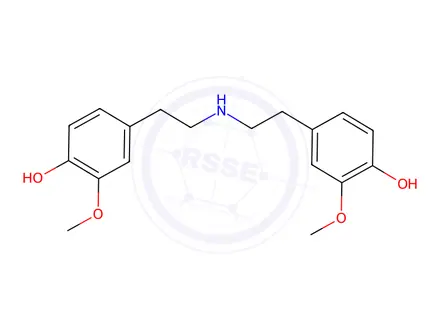
4,4'-(azanediylbis(ethane-2,1-diyl))bis(2-methoxyphenol)
IN STOCKRS-Z412SVQ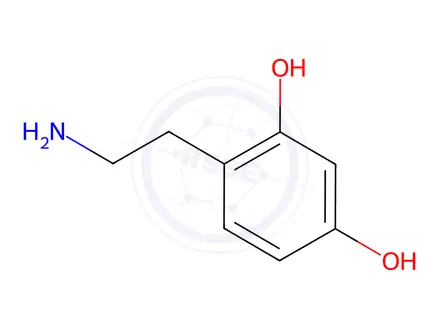
4-(2-aminoethyl)benzene-1,3-diol
CUSTOM SYNTHESISRS-U074131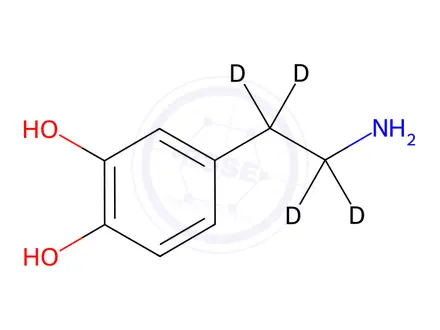
4-(2-Aminoethyl-1,1,2,2-d4)-1,2-benzenediol
IN STOCKRS-I100026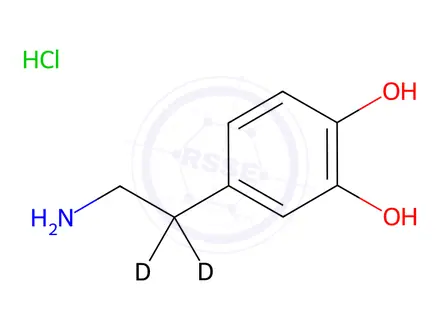
4-(2-Aminoethyl-1,1-d2)benzene-1,2-diol hydrochloride
CUSTOM SYNTHESISRS-I003503
4-[3-(Methylsulfonyl)phenyl]-1-propyl-1,2,3,6-tetrahydropyridine
CUSTOM SYNTHESISRS-D128100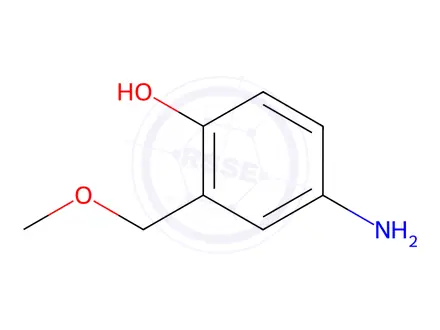
4-Amino-2-(methoxymethyl)phenol
CUSTOM SYNTHESISRS-D123140
4-Hydroxy-3-methoxybenzylalcohol(vanillicalcohol)
IN STOCKRS-I105178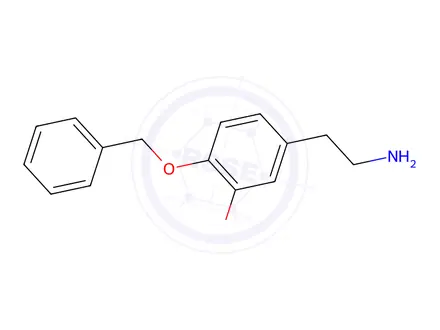
4-O-Benzyl Dopamine
IN STOCKRS-Z401MDC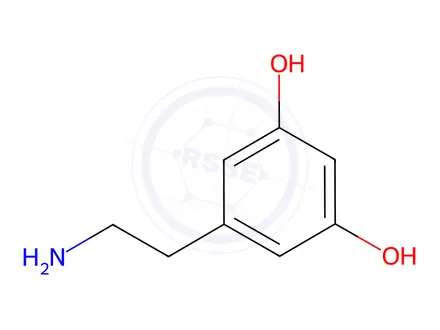
5-(2-Aminoethyl)benzene-1,3-diol
IN STOCKRS-P152328
5-(2-Nitroethyl)-benzo[1,3]dioxole
IN STOCKRS-D010032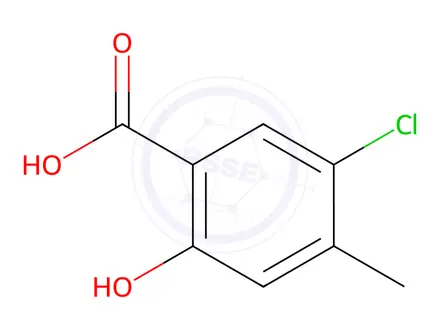
5-Chloro-2-hydroxy-4-methylbenzoic Acid
CUSTOM SYNTHESISRS-D110114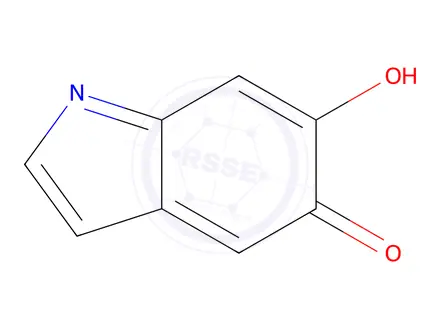
6-Hydroxy-5H-indol-5-one
IN STOCKRS-Z408Y1Y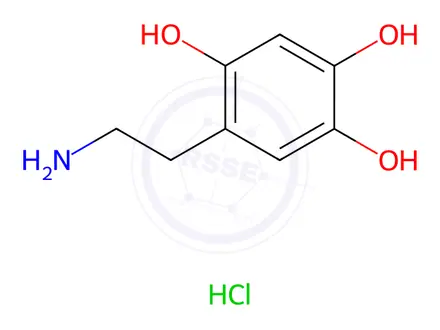
6-Hydroxydopamine Hydrochloride
IN STOCKRS-D010033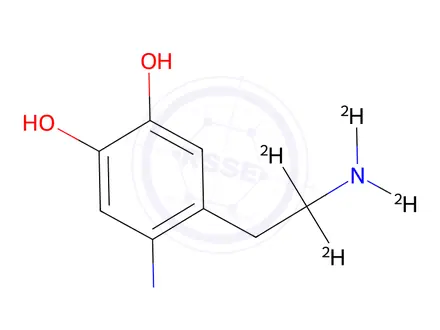
6-Nitrodopamine-d4
IN STOCKRS-D010094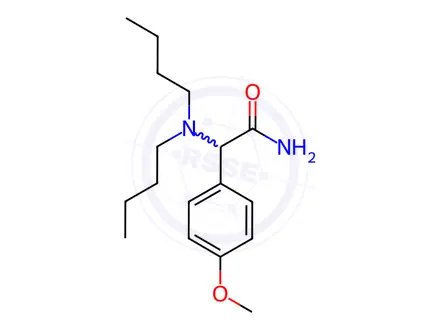
Ambucetamide
IN STOCKRS-U059390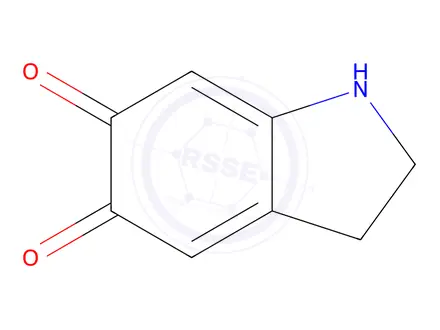
Aminochrome
IN STOCKRS-D010027
Benzyl (2-(3-(benzyloxy)-4-hydroxyphenyl)-2-oxoethyl)(methyl)carbamate
BACK ORDERRS-D119004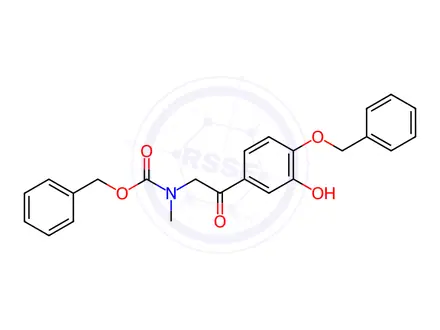
Benzyl (2-(4-(benzyloxy)-3-hydroxyphenyl)-2-oxoethyl)(methyl)carbamate
BACK ORDERRS-P141204
Bis(2-(benzo[d][1,3]dioxol-5-yl)ethyl)amine
IN STOCKRS-U211NWR
bis(2-(benzo[d][1,3]dioxol-5-yl)ethyl)amine hydrochloride
CUSTOM SYNTHESISRS-U043696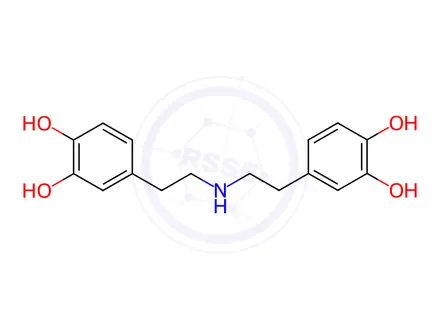
Dopamine (16240-59-8)
IN STOCKRS-D010043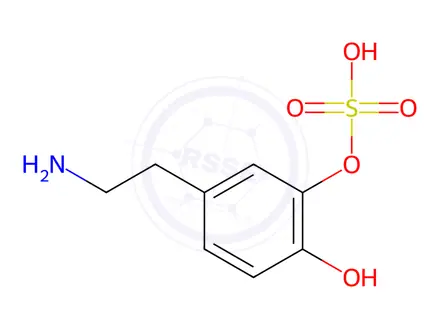
Dopamine 3-O-Sulfate
IN STOCKRS-U062353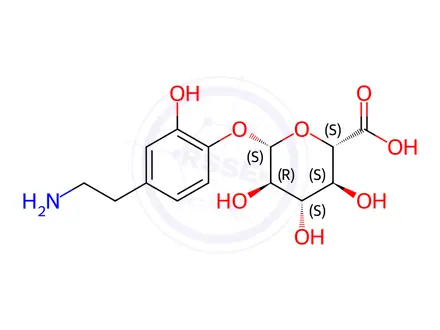
Dopamine 4-b-D-Glucuronide
IN STOCKRS-U062323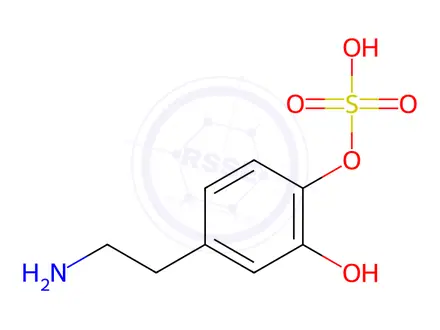
Dopamine 4-O-Sulfate
IN STOCKRS-U062321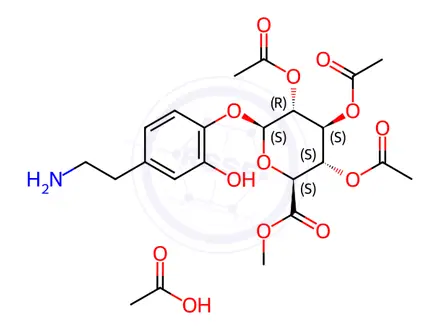
Dopamine 4-O-β-D-Glucopyranosiduronic Acid Methyl Ester 2,3,4-Triacetate Acetate
BACK ORDERRS-D010050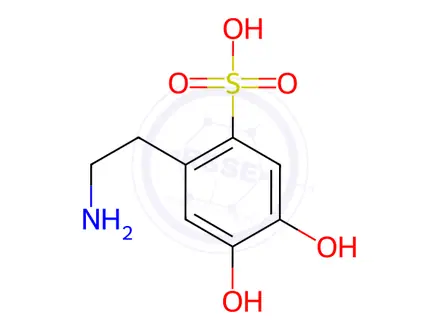
Dopamine Impurity
BACK ORDERRS-D010047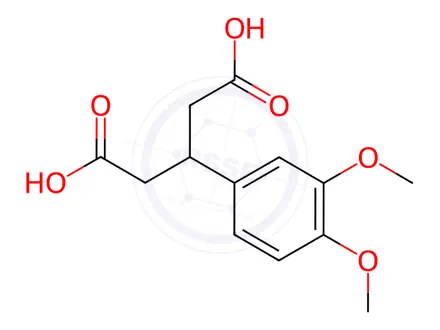
Dopamine Related Compound
IN STOCKRS-D010044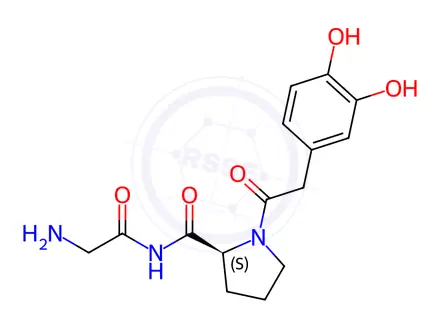
dopamine, Gly-Pro-amide-
BACK ORDERRS-D010052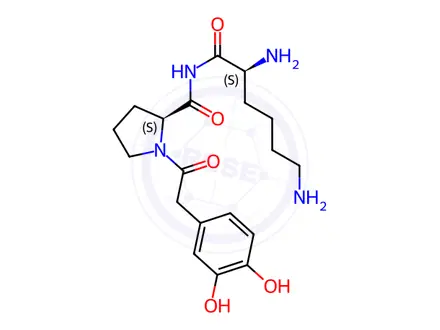
dopamine, Lys-Pro-amide-
CUSTOM SYNTHESISRS-D010053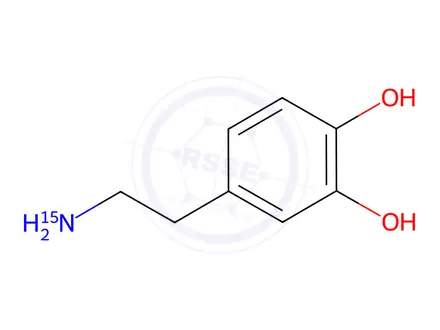
Dopamine-15N
BACK ORDERRS-D010051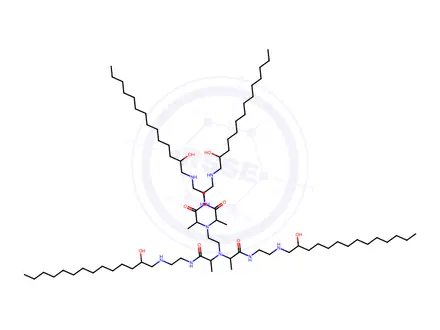
Dopamine-3-O-Beta-Glucoside
IN STOCKRS-D010035
Dopamine-4-O-Beta-Glucoside
IN STOCKRS-D010036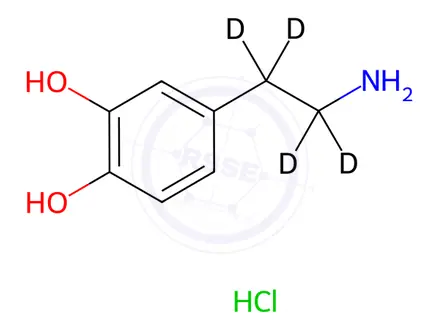
Dopamine-d4 hydrochloride
IN STOCKRS-I097413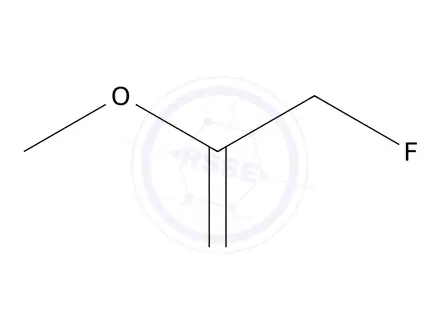
Methyl fluoroacetate
CUSTOM SYNTHESISRS-Z003CHC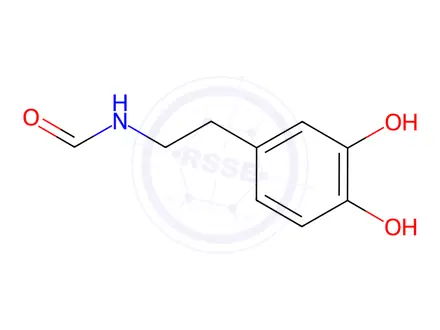
N-(3,4-dihydroxyphenethyl)formamide
CUSTOM SYNTHESISRS-U057809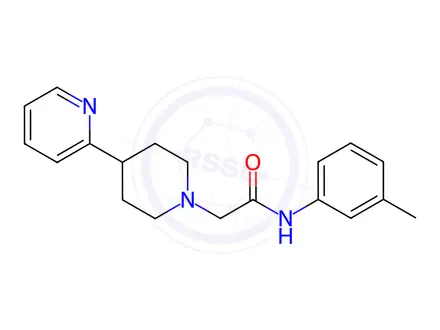
N-(3-Methylphenyl)-4-(2-pyridinyl)-1-piperidineacetamide Dihydrochloride
IN STOCKRS-P025431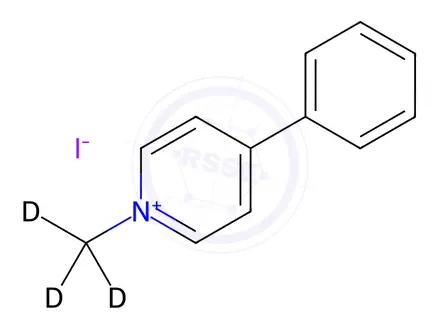
N-(Methyl-d3)-4-phenylpyridinium Iodide
IN STOCKRS-I091485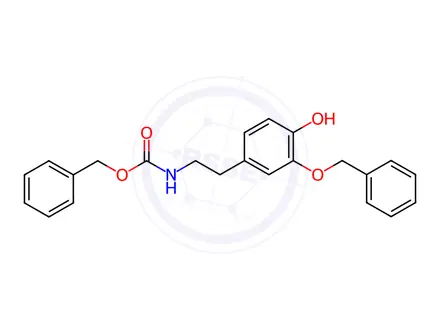
N-Benzyloxycarbonyl-3-O-benzyl dopamine
IN STOCKRS-D010049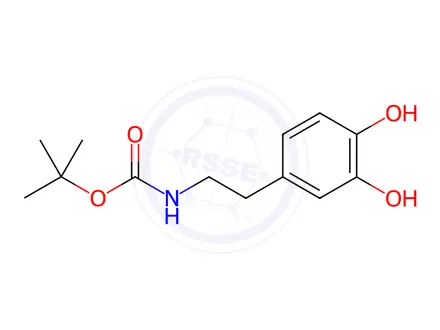
N-Boc-Dopamine
IN STOCKRS-D010041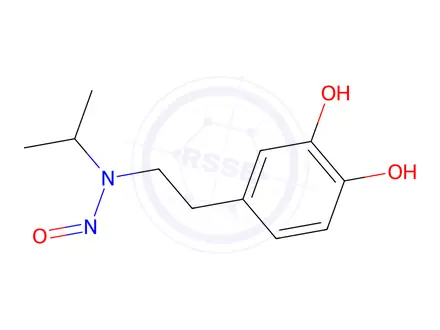
N-Nitroso N-Isopropyldopamine
CUSTOM SYNTHESISRS-D010106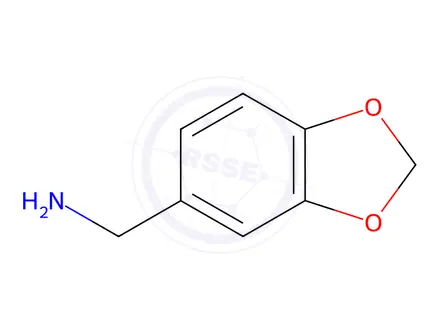
Piperonylamine
IN STOCKRS-U211MLI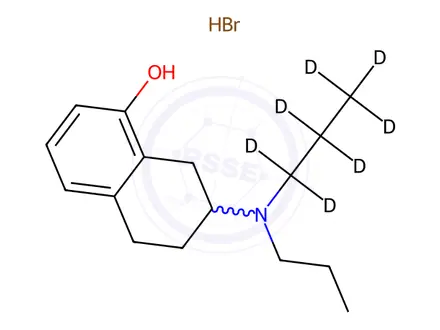
rac-8-Hydroxy-2-dipropylaminotetralin-d7 Hydrobromide
IN STOCKRS-I095118
Ractopamine-[D6] in methanol
BACK ORDERRS-I095022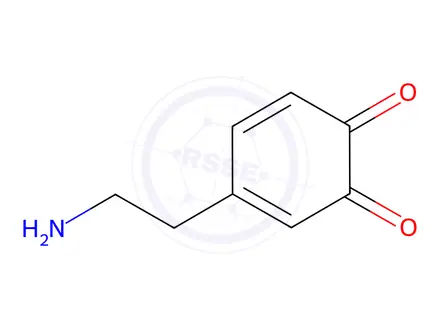
Dopamine Impurity 1
IN STOCKRS-D010022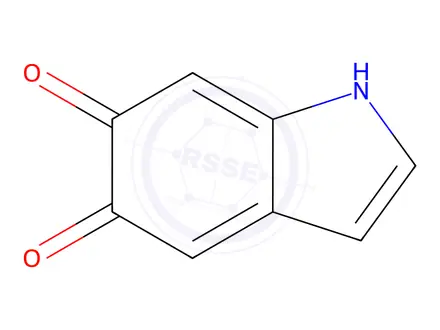
Dopamine Impurity 2
IN STOCKRS-I003215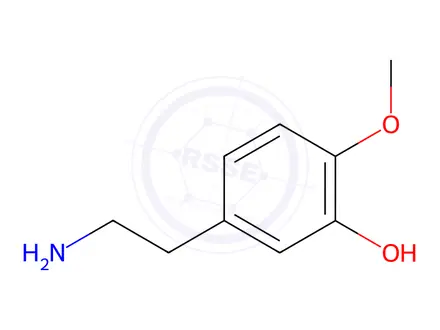
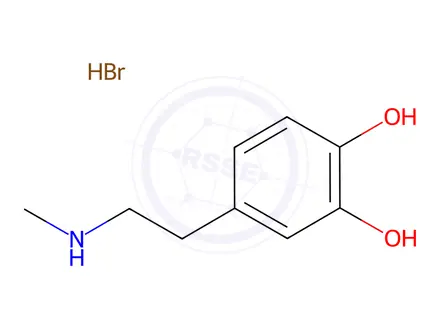
Dopamine Impurity 7
IN STOCKRS-D010008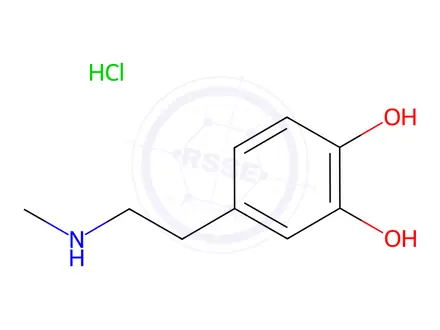
Dopamine Impurity 7(Hydrochloride)
IN STOCKRS-I010103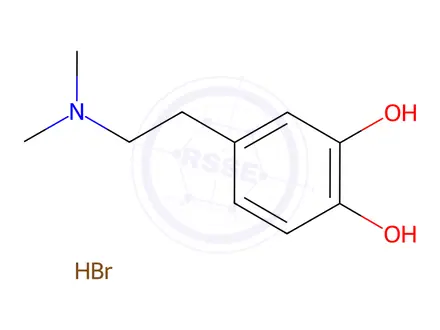
Dopamine Impurity 8
IN STOCKRS-D010021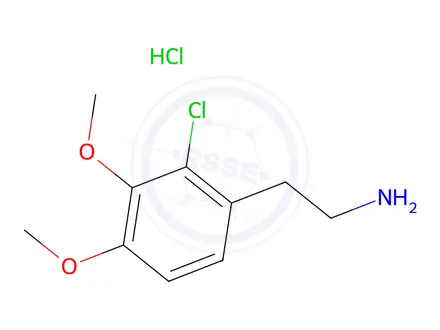
Dopamine Impurity 13
IN STOCKRS-Z401MIX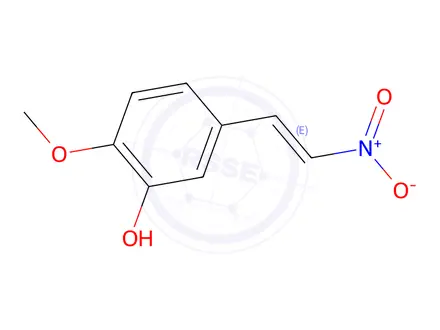
Dopamine Impurity 14
CUSTOM SYNTHESISRS-D010018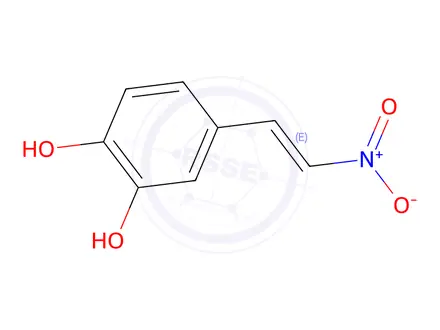
Dopamine Impurity 15
IN STOCKRS-D010006Dopamine Impurity 16
IN STOCKRS-D010019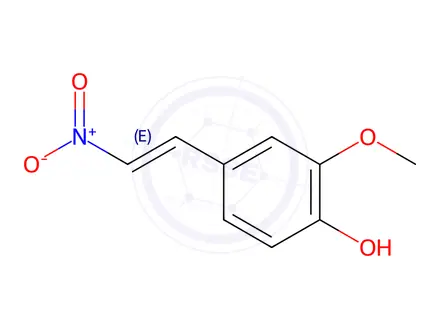
Dopamine Impurity 17
IN STOCKRS-D010012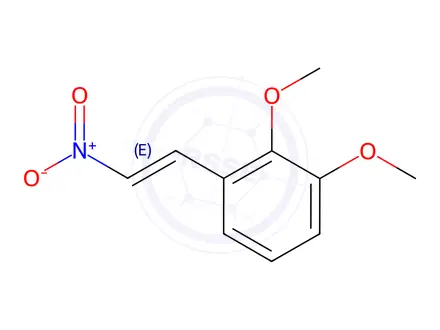
Dopamine Impurity 18
IN STOCKRS-D010017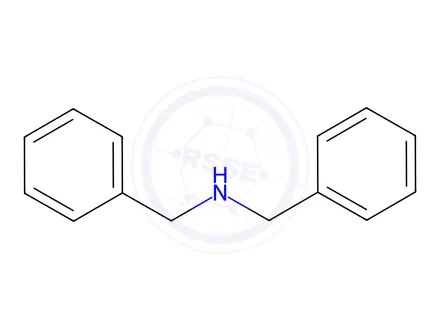
Norepinephrine Impurity 6(Norepinephrine EP Impurity F)
IN STOCKRS-D010002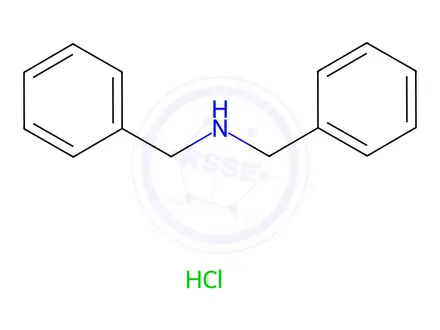
Noradrenaline EP Impurity (HCl Salt)
CUSTOM SYNTHESISRS-D010009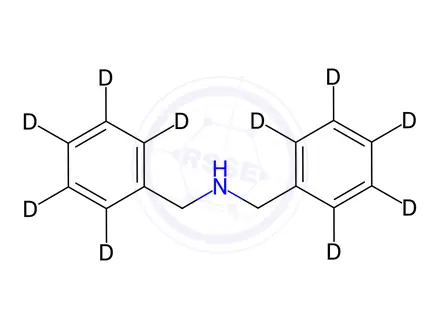
Dopamine Impurity 23
IN STOCKRS-D010030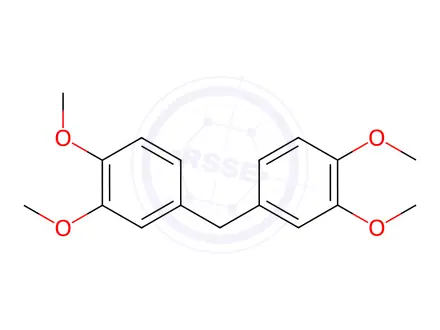
Dopamine Impurity 23 (1158-27-6)
IN STOCKRS-D010048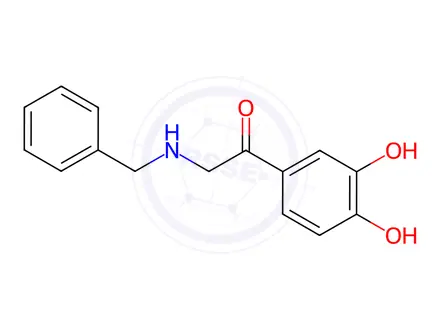
Dopamine Impurity 24
CUSTOM SYNTHESISRS-D010020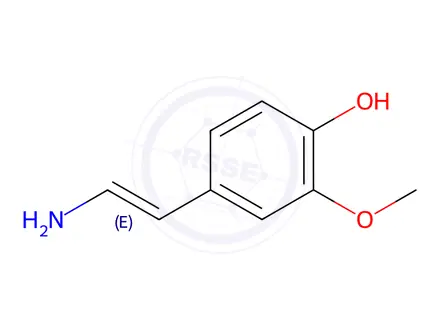
Dopamine Impurity 32
IN STOCKRS-D010010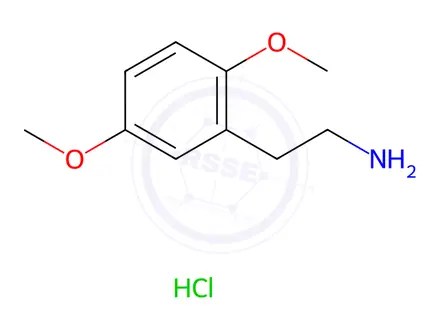
Dopamine Impurity 35 HCl
IN STOCKRS-D010013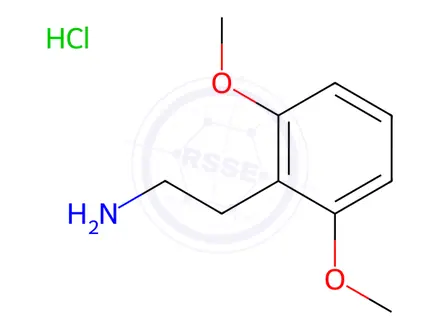
Dopamine Impurity 36 HCl
IN STOCKRS-D010014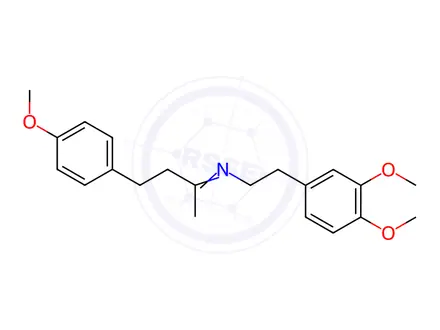
Dopamine Impurity 37
IN STOCKRS-D010001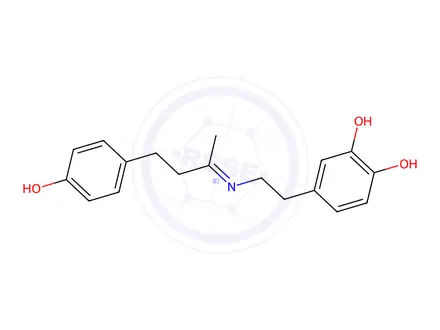
Dopamine Impurity 44
IN STOCKRS-I001341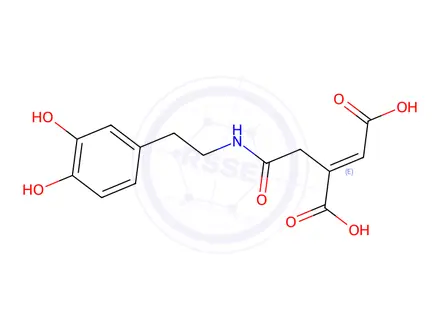
Dopamine Impurity 48
IN STOCKRS-I001B26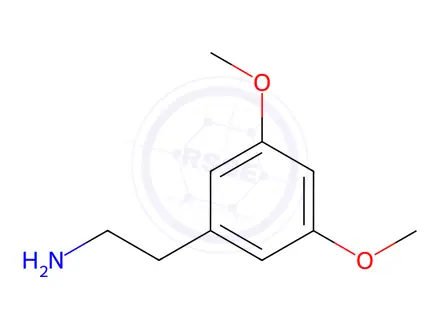
Dopamine Impurity 52
IN STOCKRS-D010015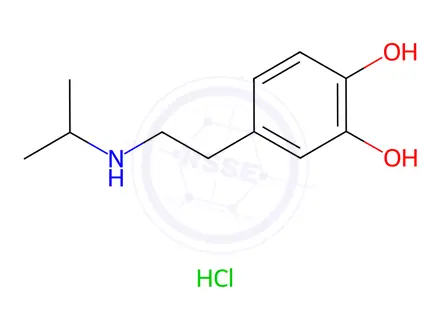
Dopamine Impurity 53(Hydrochloride)
CUSTOM SYNTHESISRS-D010023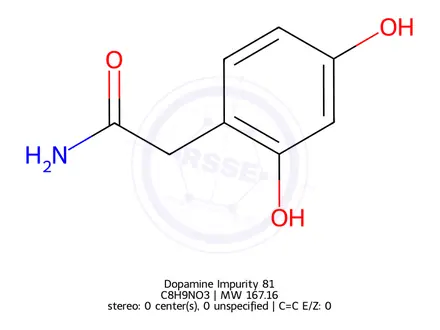
Dopamine Impurity 81
IN STOCKRS-D010058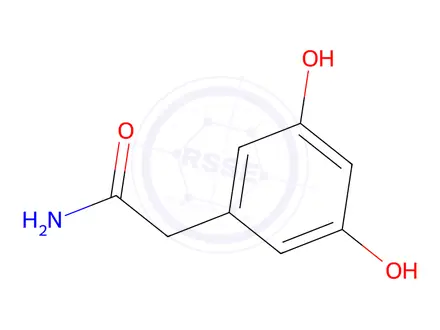
Dopamine Impurity 83
IN STOCKRS-I001704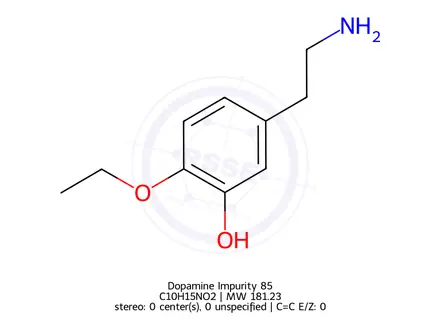
Dopamine Impurity 85
IN STOCKRS-D010040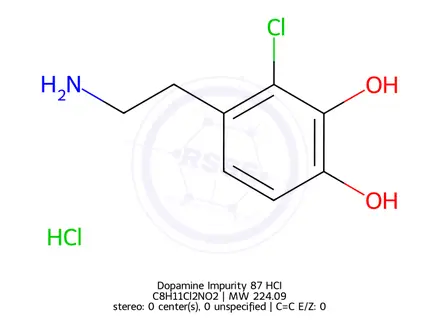
Dopamine Impurity 87 HCI
IN STOCKRS-D010110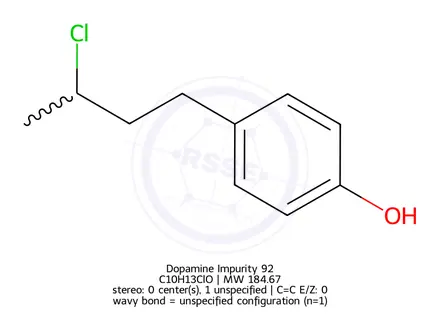
Dopamine Impurity 92
IN STOCKRS-D010060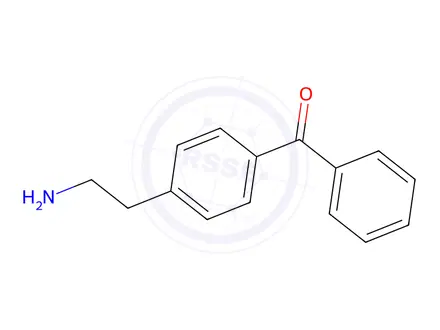
Dopamine Impurity 113
IN STOCKRS-I001A2B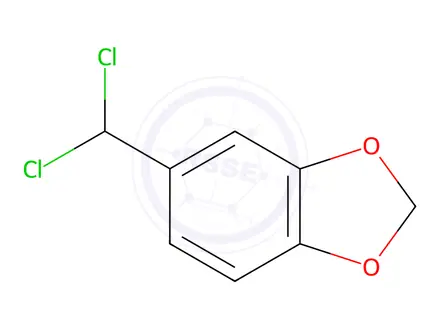
Dopamine Impurity 114
CUSTOM SYNTHESISRS-D010045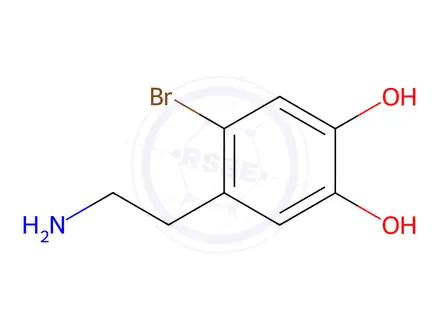
Dopamine Impurity 115
IN STOCKRS-D010061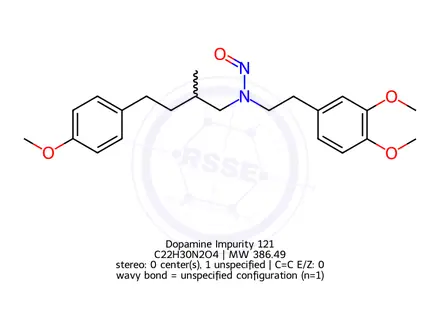
Dopamine Impurity 121
IN STOCKRS-D010107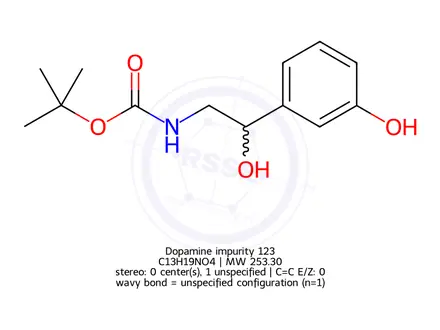
Dopamine Impurity 123
IN STOCKRS-D010057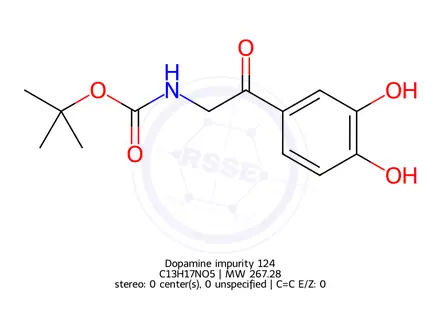
Dopamine Impurity 124
IN STOCKRS-D010056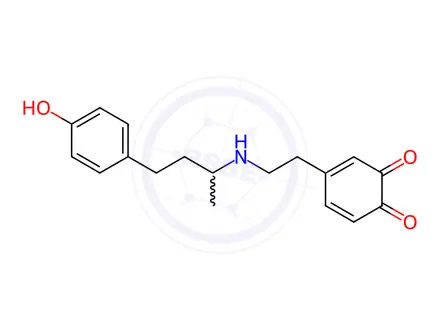
Dopamine Impurity 125
IN STOCKRS-D010028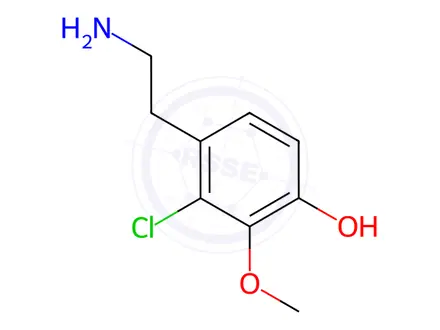
Dopamine Impurity 126
IN STOCKRS-D010042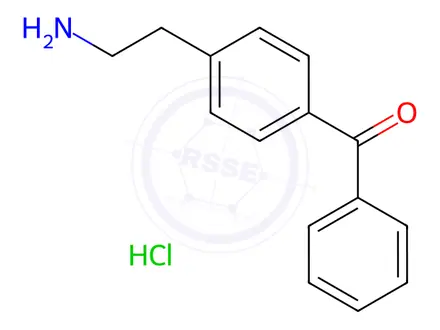
Dopamine Impurity 137
IN STOCKRS-D010005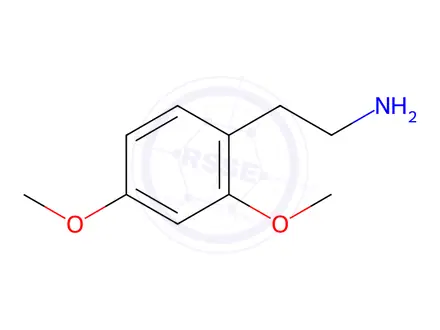
Dopamine Impurity 138
IN STOCKRS-D010007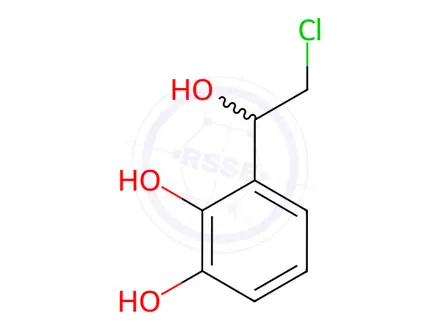
Dopamine Impurity 139
CUSTOM SYNTHESISRS-D010011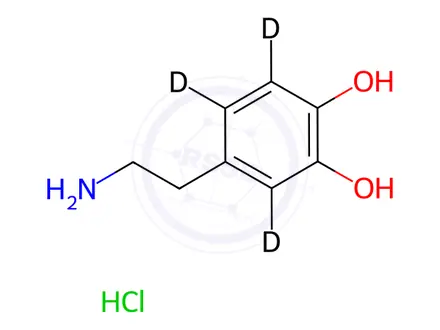
Dopamine Impurity 140
IN STOCKRS-D010024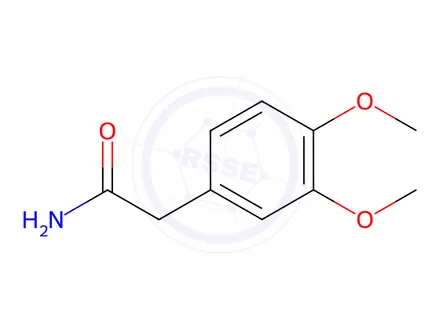
Dopamine Impurity 141
IN STOCKRS-D010025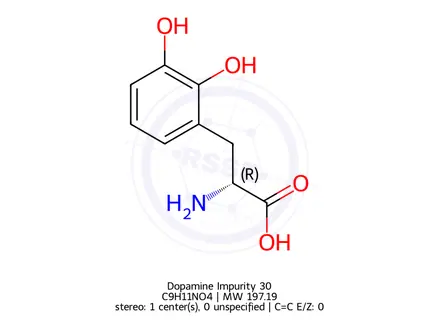
Dopamine Impurity 142
IN STOCKRS-D010034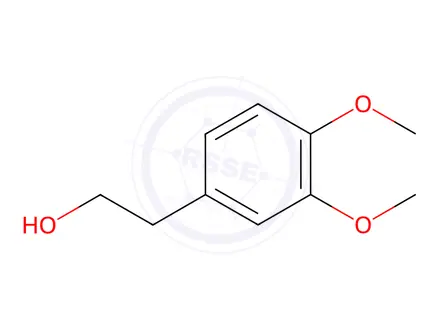
Dopamine Impurity 144
IN STOCKRS-D010038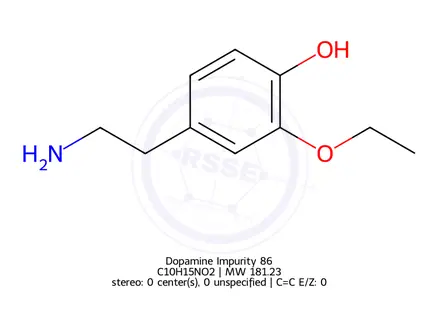
Dopamine Impurity 145
IN STOCKRS-D010039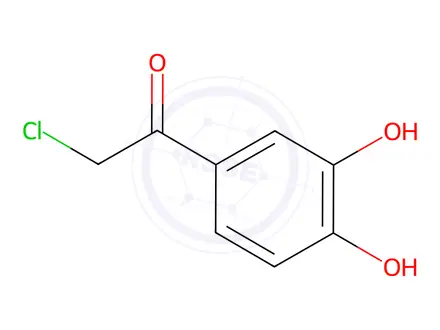
Norepinephrine Impurity 5(Norepinephrine EP Impurity E)
IN STOCKRS-I010125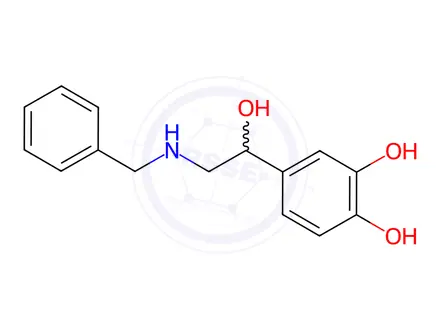
Dopamine Impurity 163
CUSTOM SYNTHESISRS-D010046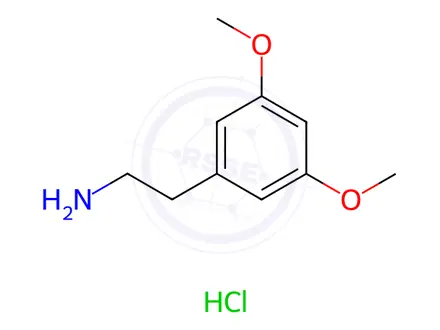
Dopamine Impurity 164
IN STOCKRS-D010055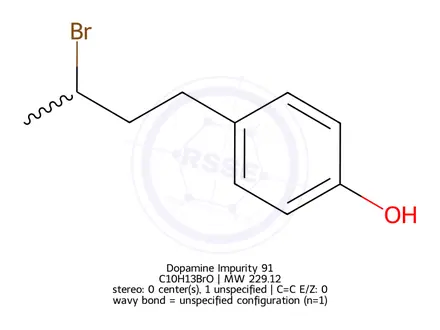
Dopamine Impurity 165
IN STOCKRS-D010059
117 reference standards
Further entries held for Dopamine
134 entries are held in the catalogue without a structure drawing. Each carries a catalogue number and, where one has been assigned, a CAS number; packing, documentation and price are quoted on enquiry.
- 6-Hydroxy Dopamine-d4 Hydrobromide
- 6-Hydroxy Dopamine-d4 Hydrobromide
- Dopamine 3-Beta-D-Glucuronide Sodium Salt
- Dopamine 3-O-Sulfate-d4
- Dopamine 4-Beta-D-Glucuronide
- Dopamine 4-O-Sulfate-d4
- Dopamine EP Impurity A HCl (Dopamine USP Related Compound A HCl, 4-Methoxy Tyramine HCl)
- Dopamine HCl (Noradrenaline EP Impurity C (Free Form)
- dopamine hydrochloride (468RB)
- Dopamine hydrochloride (D2960000)
- Dopamine hydrochloride (ICRS0290)
- Dopamine Impurities and Related Compound
- Dopamine Impurity 1(Hydrochloride)
- Dopamine Impurity 10
- Dopamine Impurity 10
- Dopamine Impurity 109
- Dopamine Impurity 11
- Dopamine Impurity 110
- Dopamine Impurity 111
- Dopamine Impurity 112
- Dopamine Impurity 113
- Dopamine Impurity 116
- Dopamine Impurity 117
- Dopamine Impurity 12
- Dopamine Impurity 12 (Dopaminechrome)
- Dopamine Impurity 127
- Dopamine Impurity 128
- Dopamine Impurity 129
- Dopamine Impurity 13
- Dopamine Impurity 130
- Dopamine Impurity 131
- Dopamine Impurity 132
- Dopamine Impurity 133
- Dopamine Impurity 134
- Dopamine Impurity 135
- Dopamine Impurity 136
- Dopamine Impurity 143
- Dopamine Impurity 146
- Dopamine Impurity 147
- Dopamine Impurity 148
- Dopamine Impurity 149
- Dopamine Impurity 150
- Dopamine Impurity 151
- Dopamine Impurity 152
- Dopamine Impurity 153
- Dopamine Impurity 154
- Dopamine Impurity 155
- Dopamine Impurity 156
- Dopamine Impurity 157
- Dopamine Impurity 158
- Dopamine Impurity 159
- Dopamine Impurity 16 HCl
- Dopamine Impurity 160
- Dopamine Impurity 161
- Dopamine Impurity 166
- Dopamine Impurity 167
- Dopamine Impurity 168
- Dopamine Impurity 21
- Dopamine Impurity 22
- Dopamine Impurity 24 HCl
- Dopamine Impurity 25
- Dopamine Impurity 25
- Dopamine Impurity 25 HCl
- Dopamine Impurity 26
- Dopamine Impurity 27 HCl
- Dopamine Impurity 28
- Dopamine Impurity 29
- Dopamine Impurity 35
- Dopamine Impurity 36
- Dopamine Impurity 38
- Dopamine Impurity 39
- Dopamine Impurity 40
- Dopamine Impurity 41
- Dopamine Impurity 42
- Dopamine Impurity 42 HBr
- Dopamine Impurity 43 HCl
- Dopamine Impurity 44
- Dopamine Impurity 44
- Dopamine Impurity 44(Hydrochloride)
- Dopamine Impurity 45
- Dopamine Impurity 46
- Dopamine Impurity 47
- Dopamine Impurity 48
- Dopamine Impurity 48
- Dopamine Impurity 50
- Dopamine Impurity 50
- Dopamine Impurity 50
- Dopamine Impurity 50
- Dopamine Impurity 51 HCl
- Dopamine Impurity 54
- Dopamine Impurity 55
- Dopamine Impurity 56
- Dopamine Impurity 57
- Dopamine Impurity 59
- Dopamine Impurity 59
- Dopamine Impurity 6
- Dopamine Impurity 60
- Dopamine Impurity 60
- Dopamine Impurity 61
- Dopamine Impurity 61
- Dopamine Impurity 63
- Dopamine Impurity 63
- Dopamine Impurity 64
- Dopamine Impurity 65
- Dopamine Impurity 66
- Dopamine Impurity 67
- Dopamine Impurity 68
- Dopamine Impurity 68 HCl
- Dopamine Impurity 69
- Dopamine Impurity 70
- Dopamine Impurity 71
- Dopamine Impurity 72
- Dopamine Impurity 73
- Dopamine Impurity 74
- Dopamine Impurity 75
- Dopamine Impurity 77
- Dopamine Impurity 79
- Dopamine Impurity 80
- Dopamine Impurity 89
- Dopamine Impurity 9(Hydrochloride)
- Dopamine Impurity 90
- Dopamine Impurity 99
- Dopamine Impurity A (IMPD020)
- Dopamine Impurity B (IMPD022)
- Dopamine Related Compound A (1225215)
- Dopamine Related Compound B (1225226)
- Dopamine Related Compound C (1225237)
- Dopamine-3-O-Alfa-Glucoside
- Dopamine-4-O-Alfa-Glucoside
- Dopamine-D3
- Dopamine-d3 HCl
- Dopamine-d4 3-O-Sulfate
- Dopamine-d4 4-O-Sulfate
- Dopamine-N-Alfa-Glucoside
Frequently asked
How many Dopamine-related reference standards do you hold?
Can you supply a Dopamine impurity that is not listed here?
What documentation is supplied with Dopamine impurities?
Do you publish prices or a lead time for Dopamine impurities?
Cannot find the impurity you need? Non-compendial impurities can be quoted from a structure — a CAS number is not required. Write to sales@rssechem.com.