Duloxetine impurities and related standards
The structure behind Duloxetine is C18H19NOS, 297.4, a secondary amine and an ether oxygen, and its impurities come from the weakest of them. One hydrogen-bond donor and 3 acceptors give a polar surface area of 21.3, which is where any method starts.
Route impurities are fixed by synthesis and purification, degradants grow with time, and isomers are there from the first batch; a method has to see all three. A single stereocentre makes the enantiomer a separate development project, and the achiral method will never report it. A free amine takes up carbon dioxide and forms carbamates, and it condenses with any aldehyde in the formulation; both changes reverse, which is what makes them easy to overlook.
Where two peaks share a spectrum only MS/MS separates them, and the product-ion ratio has to be fixed before the method is used for release. Three aromatic rings mean the chromophore is the easy part; the hard part is that every analogue absorbs just as strongly. A polar surface area of 21.3 means lipophilicity dominates, and the compound sits late in the gradient with its close analogues. Because the amine carries a charge at low pH, retention depends on the pairing agent as much as on the column.
Gram lots go to qualification work and milligram lots to method development, and the CoA states the assigned purity and the method used, with the spectra on file.
Sources: DailyMed (US National Library of Medicine), duloxetine delayed-release capsules label.
88 reference standards related to Duloxetine held in the RSSE catalogue — pharmacopoeial impurities, non-compendial impurities, metabolites and labelled analogues where available.
In this group: 43 impurity reference standards · 9 fine chemicals · 9 general reference standards · 8 stable isotope labelled standards. CAS numbers are listed for 88 of 88; 87 entries carry a structure drawing.
On this page
N-nitroso (NDSRI) impurities of Duloxetine
The N-nitroso forms held for this substance — the structural class that the ICH M7 nitrosamine framework covers. 8 entries are listed. A CAS number is not required to quote one of them.
- Duloxetine N-Nitroso intermediate
- Duloxetine Nitroso Impurity (Mixture of Diastereomer)
- N-Nitroso Duloxetine
- N-Nitroso Duloxetine D3
- N-Nitroso Duloxetine D5
- N-Nitroso-Duloxetine [Mixture of isomer] (1mg /1 ML solution)
- N-nitroso-duloxetine-100 PPM in Acetonitrile
- Racemic Duloxetine Nitroso-D3
88 reference standards
All entries — structure, identifiers and pack sizes
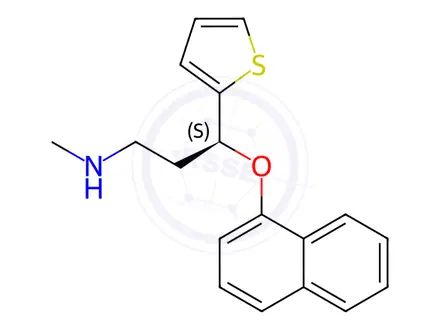
(S)-Duloxetine
IN STOCKRS-U106021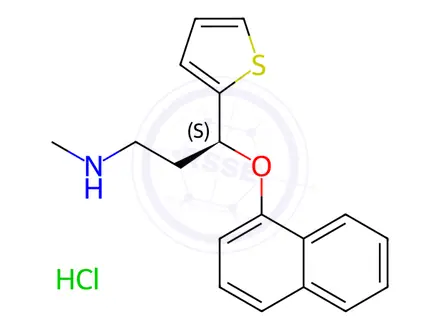
Duloxetine hydrochloride
IN STOCKRS-U004250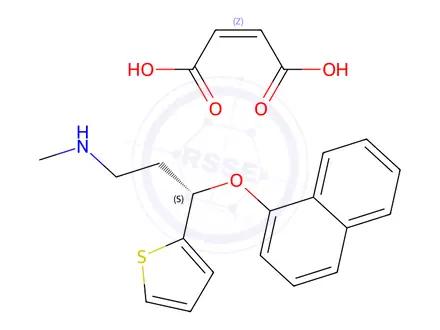
Duloxetine Maleate
IN STOCKRS-U102085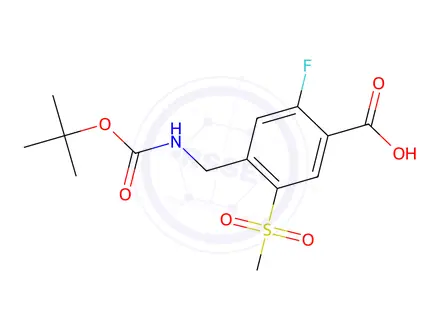
4-Hydroxy Duloxetine Acetate (USP)
CUSTOM SYNTHESISRS-U015139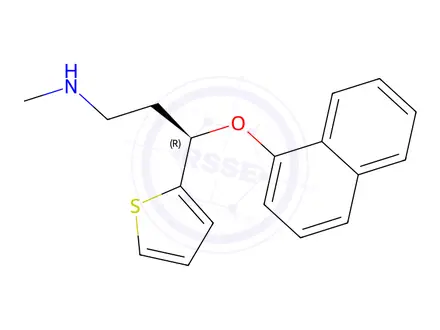
Duloxetine EP Impurity A
IN STOCKRS-Z394UQL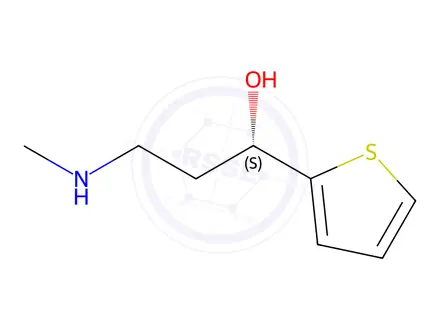
Duloxetine EP Impurity B
IN STOCKRS-D024002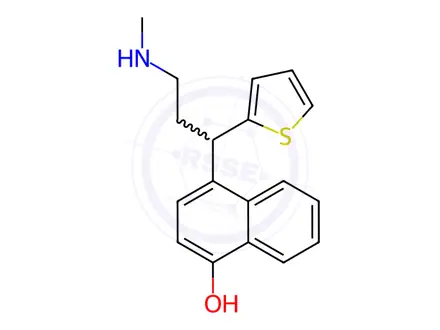
Duloxetine EP Impurity C
IN STOCKRS-D024024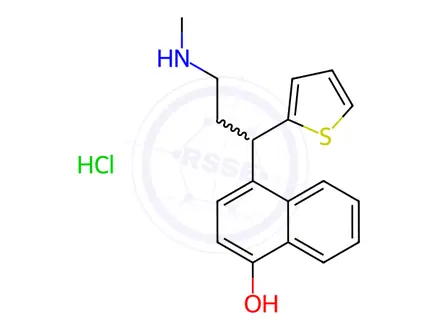
Duloxetine EP Impurity C Hydrochloride
IN STOCKRS-D024040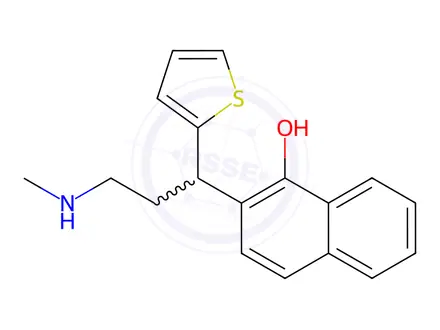
Duloxetine EP Impurity E
IN STOCKRS-D024001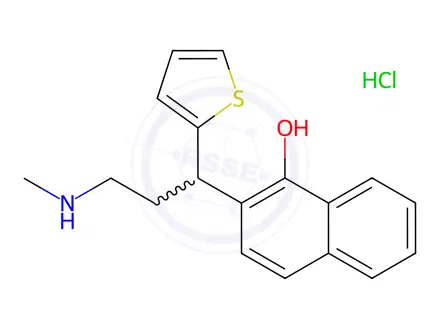
Duloxetine EP Impurity E Hydrochloride
IN STOCKRS-D024026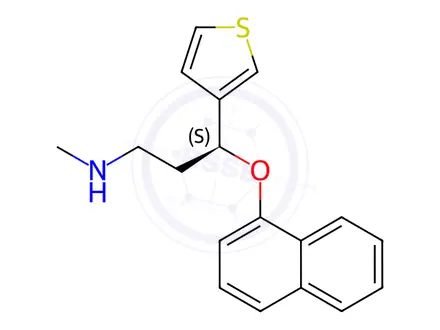
Duloxetine EP Impurity F
IN STOCKRS-D024025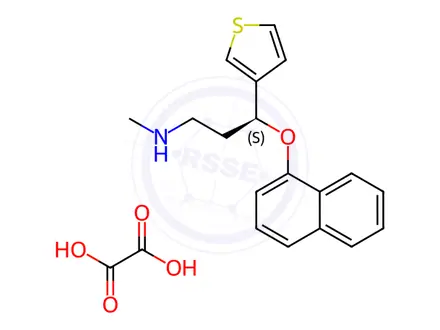
Duloxetine EP Impurity F oxalate
IN STOCKRS-D024017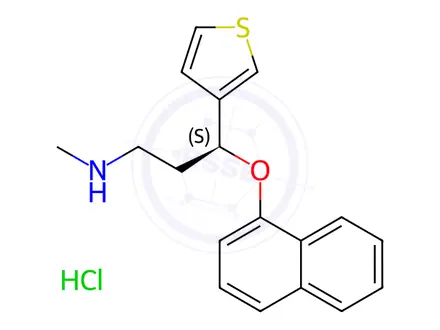
Duloxetine EP Impurity F(Hydrochloride)
IN STOCKRS-D024034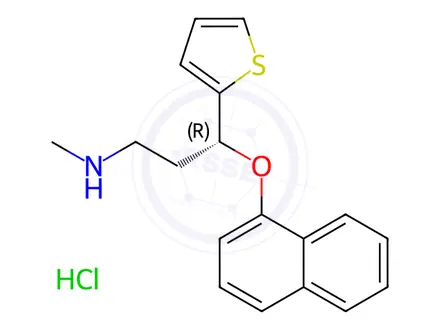
Duloxetine Impurity A
IN STOCKRS-D024022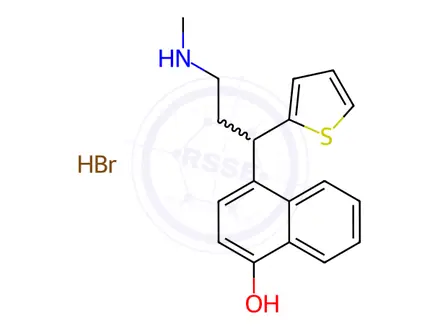
Duloxetine EP impurity C (Hydrobromide)
IN STOCKRS-D024039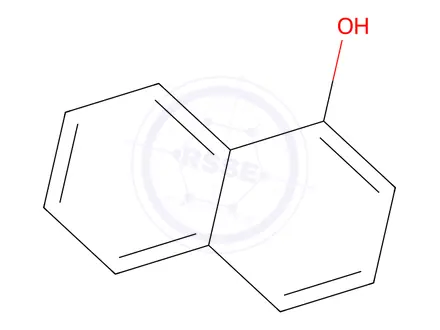
Duloxetine Impurity D
IN STOCKRS-D024021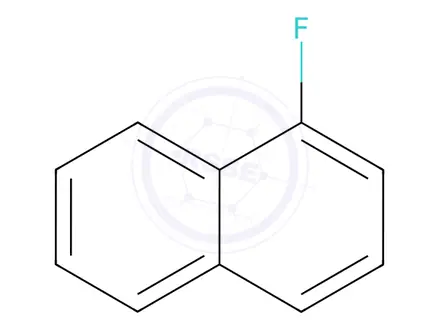
Duloxetine Impurity G
IN STOCKRS-D024018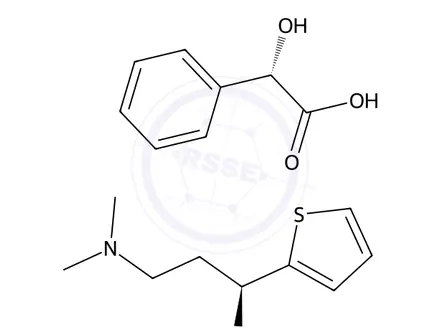
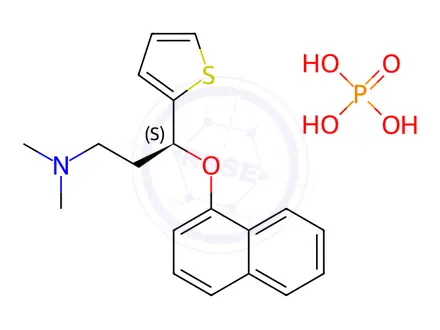
(3S)-N,N-Dimethyl-3-(1-naphthyloxy)-3-(2-thienyl)-1-propanamine phosphate
BACK ORDERRS-U079097

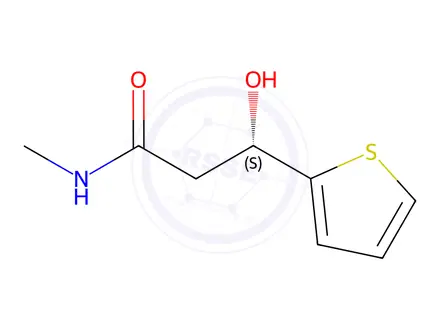
(S)-3-Hydroxy-N-methyl-3-(thiophen-2-yl)propanamide
IN STOCKRS-D118158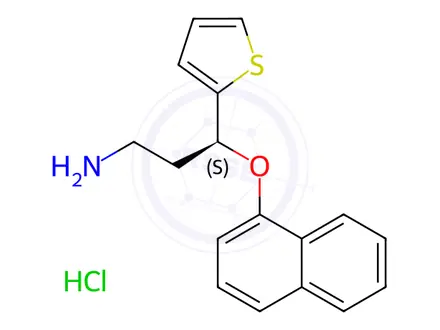
(S)-N-Desmethyl Duloxetine Hydrochloride
CUSTOM SYNTHESISRS-D024044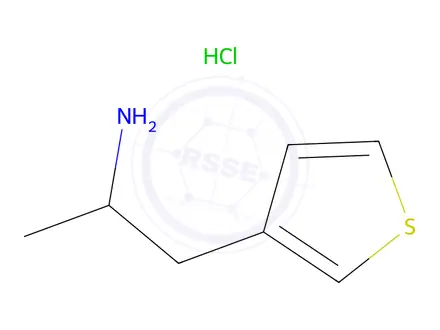
1-(Thiophen-3-yl)propan-2-amine hydrochloride
IN STOCKRS-Z004GBX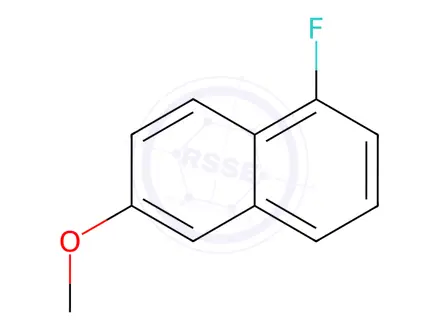
1-Fluoro-6-methoxy-naphthalene
CUSTOM SYNTHESISRS-U014370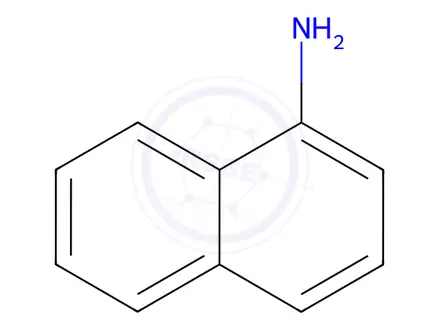
1-Naphthylamine
IN STOCKRS-U002089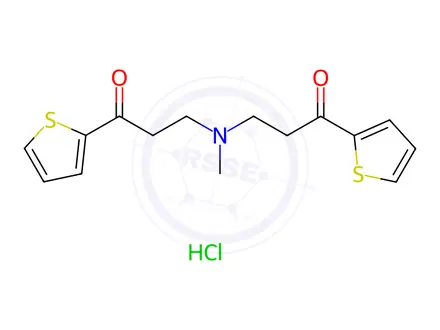
3,3'-(Methylazanediyl)bis(1-(thiophen-2-yl)propan-1-one) Hydrochloride
CUSTOM SYNTHESISRS-P011998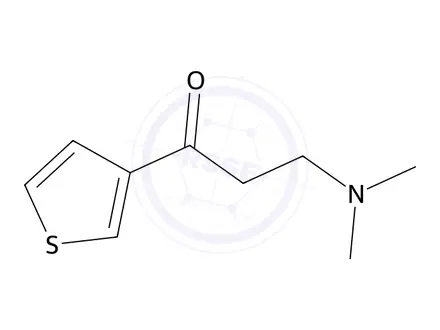
3-(Dimethylamino)-1-(thiophen-3-yl)propan-1-one
IN STOCKRS-Z003LJ0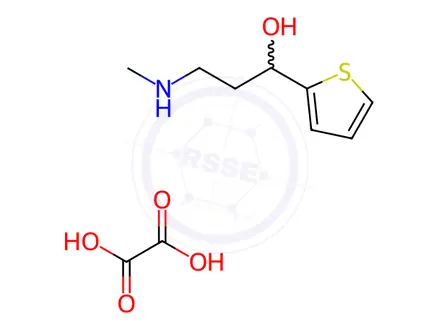
3-(Methylamino)-1-(thiophen-2-yl)propan-1-ol Oxalate
IN STOCKRS-D128001
3-[(1-Naphthyl-4-D)oxy]-N,N-dimethyl-3-(2-thienyl)-1-propanamine
CUSTOM SYNTHESISRS-N1484062
3-[(Methyl-d3)amino]-1-(thiophen-2-yl)propan-1-ol Oxalate
IN STOCKRS-I094263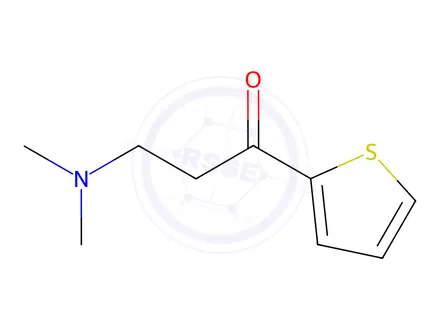
3-Dimethylamino-1-(2-thienyl)-1-propanone
IN STOCKRS-D112042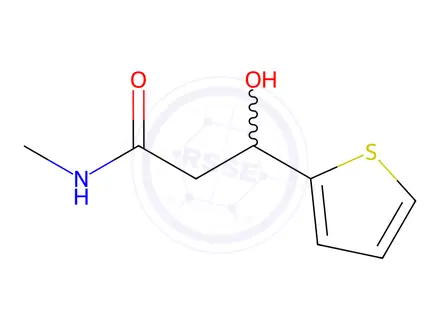
3-Hydroxy-N-methyl-3-(thiophen-2-yl)propanamide
IN STOCKRS-D024035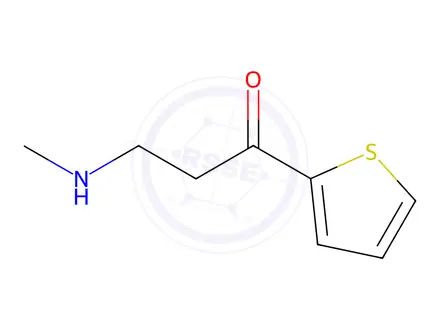
3-Methylamino-1-(thiophene-2-yl)propan-1-one
IN STOCKRS-P011A0G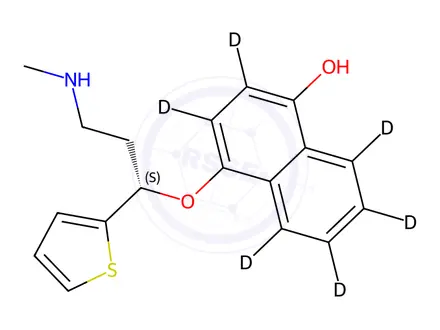
4-Hydroxy Duloxetine-d6
IN STOCKRS-D024029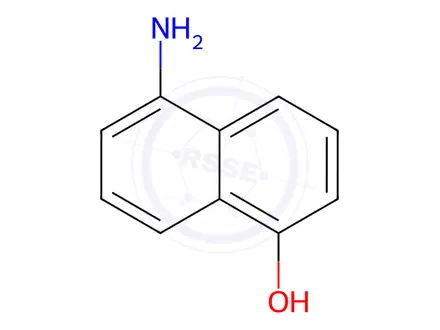
5-Amino-1-naphthol
IN STOCKRS-P152221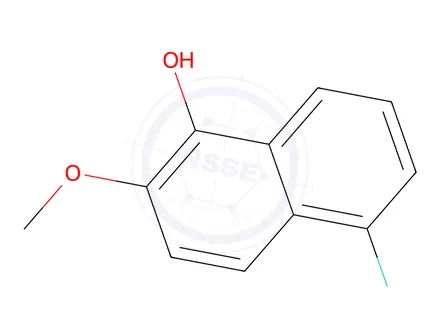
5-Fluoro-2-methoxy-1-naphthalenol
IN STOCKRS-Z401KMP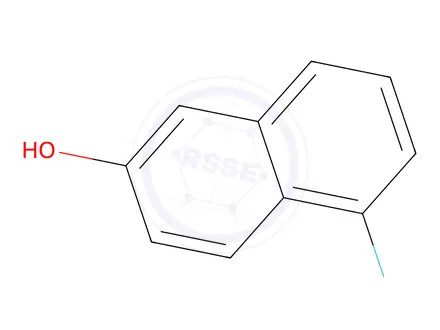
5-Fluoro-2-naphthalenol
IN STOCKRS-Z401KMO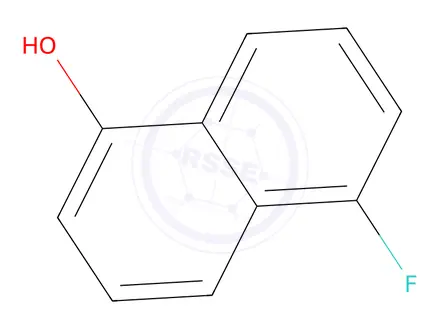
5-Fluoronaphthalen-1-ol
IN STOCKRS-Z003X3O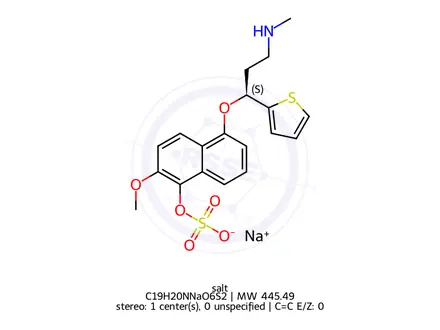
5-Hydroxy-6-methoxy Duloxetine Sulfate Sodium
CUSTOM SYNTHESISRS-D024037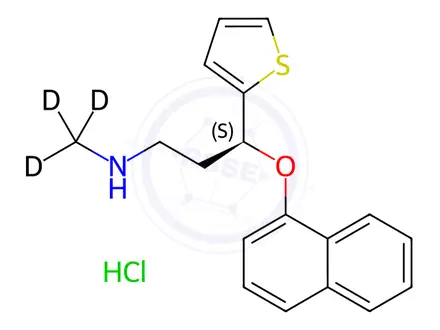
Duloxetine D3 Hydrochloride
CUSTOM SYNTHESISRS-I097348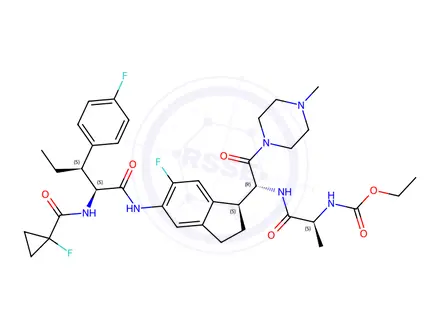
Duloxetine D5
IN STOCKRS-D024042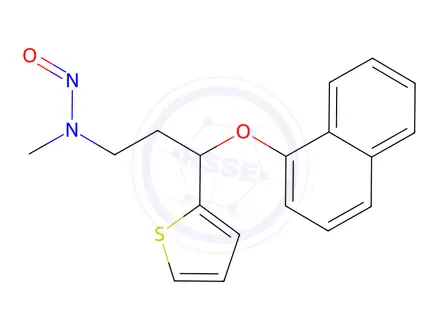
Duloxetine Impurity
IN STOCKRS-Z401GOY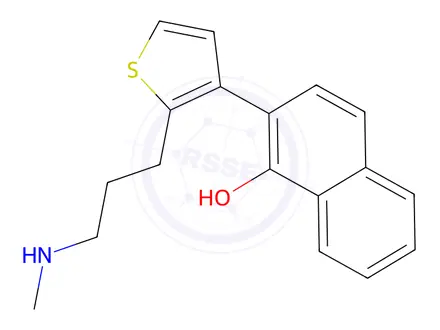
Duloxetine Impurity (alpha-Hydroxy)
IN STOCKRS-D024048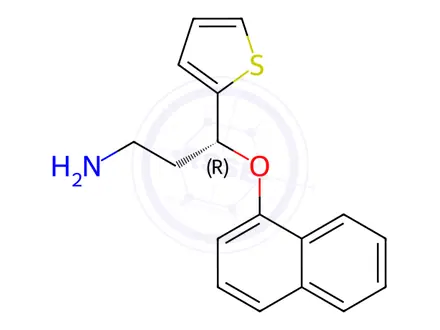
Duloxetine N-Desmethyl (R)-Isomer
IN STOCKRS-D024050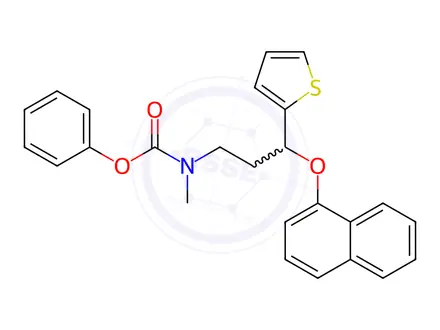
Duloxetine Phenyl Carbamate (Racemic)
CUSTOM SYNTHESISRS-D024028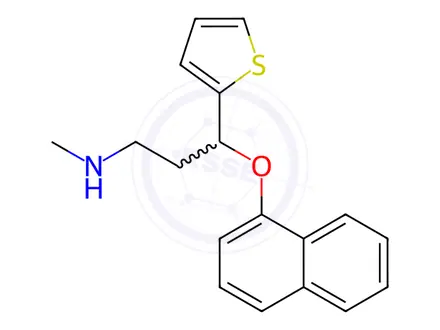
Duloxetine Racemic Mixture
IN STOCKRS-D024041
Duloxetine-[D7]
IN STOCKRS-I097624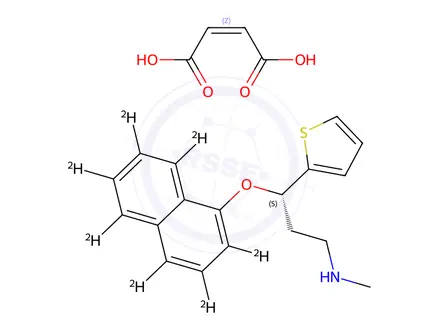
Duloxetine-d7 Maleate
BACK ORDERRS-Z004ZPV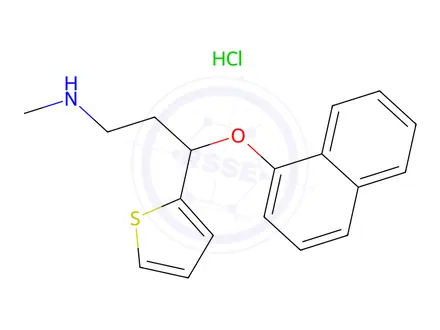
N,N-Dimethyl-3-(naphthalen-1-yloxy)-3-(thiophen-2-yl)propan-1-amine
IN STOCKRS-U042345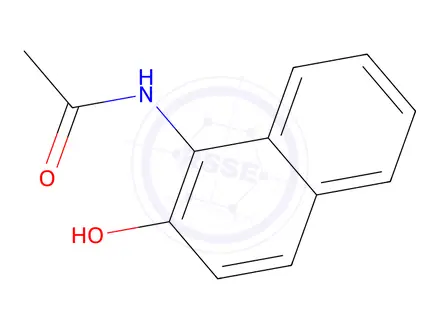
N-(2-hydroxy-1-naphthyl)acetamide
IN STOCKRS-Z394VMM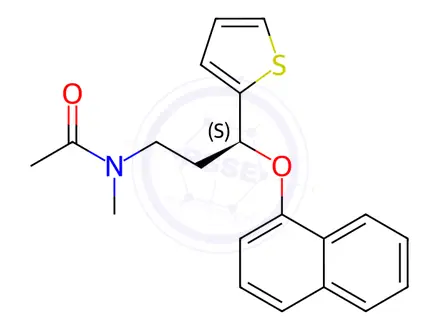
N-(Acetyl) Duloxetine
IN STOCKRS-D024031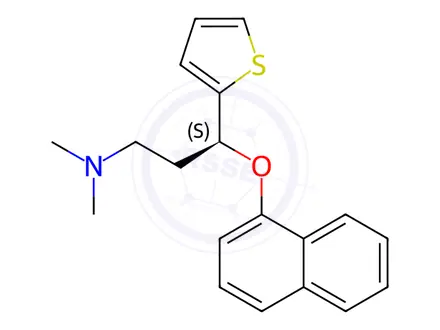
N-Methyl Duloxetine
IN STOCKRS-D024008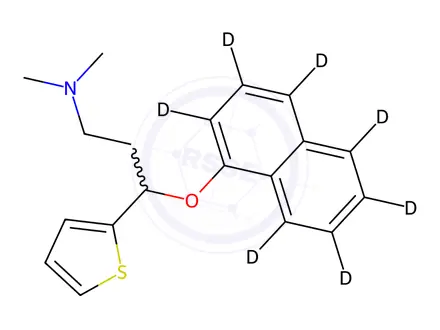
N-Methyl Duloxetine-d7
IN STOCKRS-D024030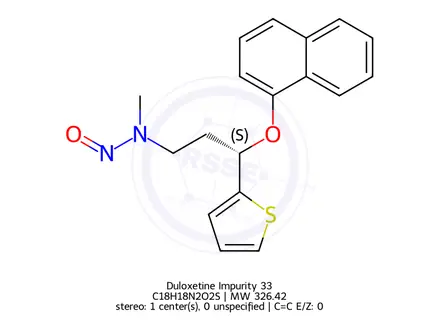
N-Nitroso Duloxetine
IN STOCKRS-N001213
rac-Duloxetine EP Impurity F HCl
IN STOCKRS-D117019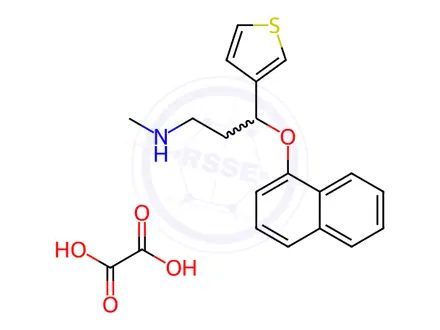
rac Duloxetine 3-Thiophene Isomer Oxalate
IN STOCKRS-D024027
rac-Duloxetine-[D3] Hydrochloride
IN STOCKRS-I095025- Custom synthesis — structure on request
S-(+)-N,N-DIMETHYL-3-(1-NAPHTHLENYLOXY)-3-(2-THIENYL)-PROPANAMINE
CUSTOM SYNTHESISRS-Z394VAV 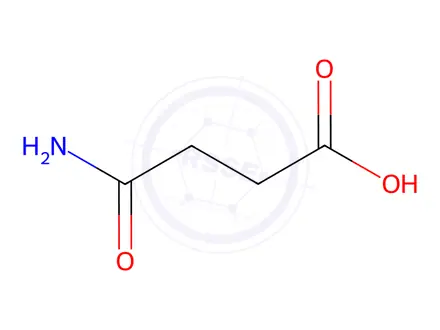
Succinamic Acid
IN STOCKRS-P002350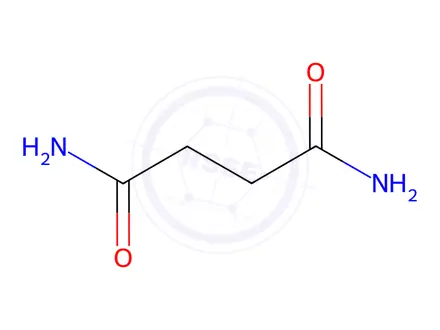
SUCCINAMIDE
IN STOCKRS-U058345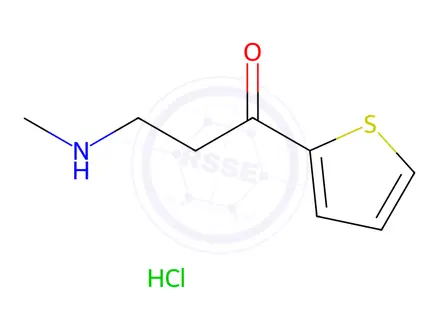
Duloxetine Impurity 5
IN STOCKRS-D024036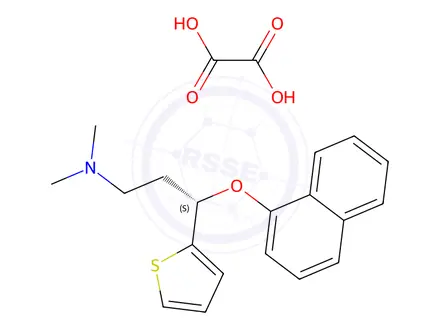
Duloxetine Impurity 8(Oxalicacid)
IN STOCKRS-D024009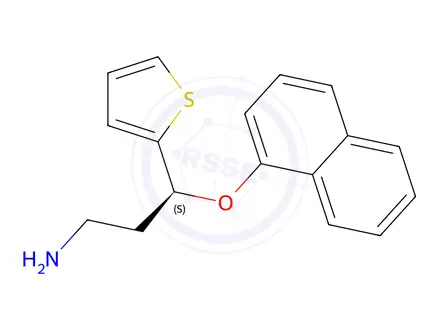
Duloxetine Hydrochloride Impurity 9
CUSTOM SYNTHESISRS-Z401DBZ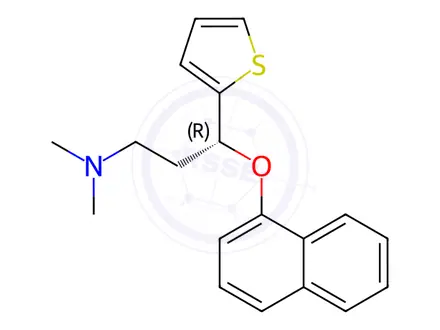
Duloxetine Impurity 9
IN STOCKRS-D024020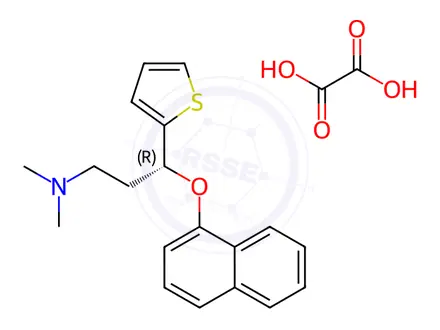
Duloxetine Impurity 9(Oxalate)
CUSTOM SYNTHESISRS-D024038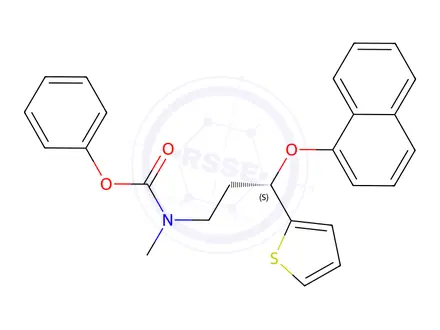
Duloxetine Impurity 10
IN STOCKRS-D024023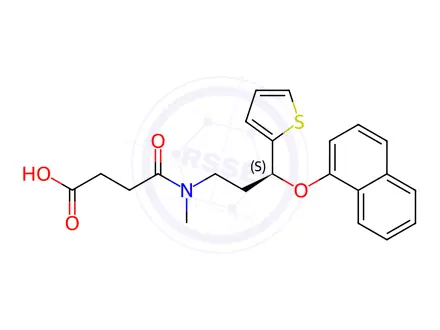
Duloxetine Impurity 12
IN STOCKRS-D024015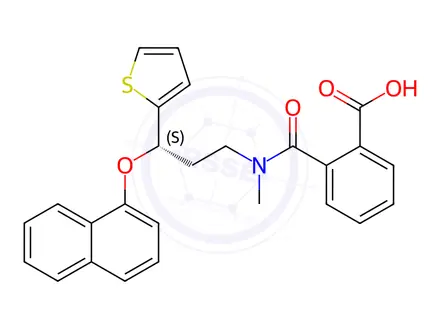
Duloxetine Impurity 13
CUSTOM SYNTHESISRS-D024016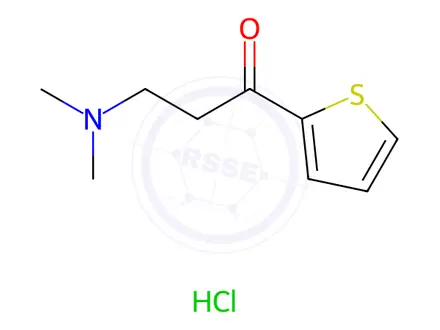
Duloxetine Impurity 15
IN STOCKRS-D024019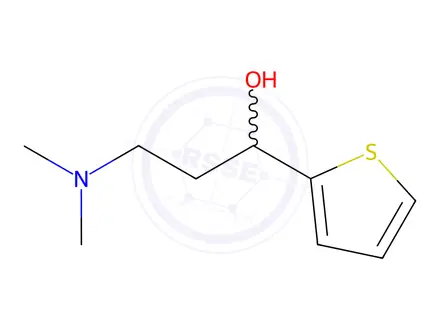
Duloxetine Impurity 16
IN STOCKRS-D024011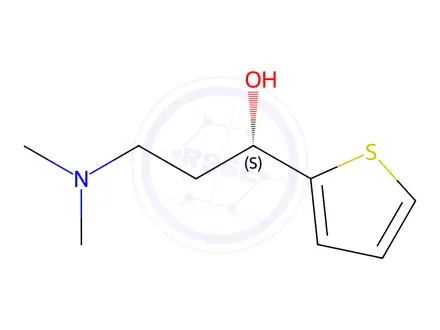
Duloxetine Impurity 17
IN STOCKRS-D024007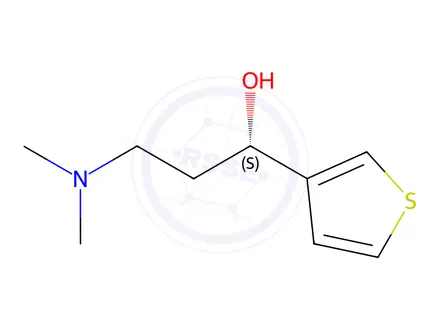
Duloxetine Impurity 18
IN STOCKRS-D024013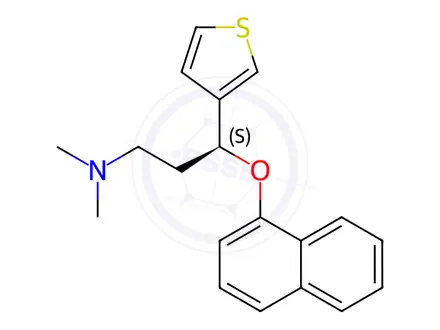
Duloxetine Impurity 19
IN STOCKRS-D024012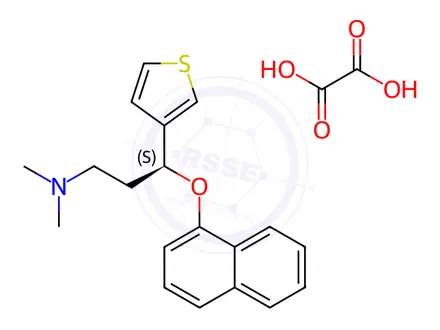
Duloxetine Impurity 19(Oxalicacid)
IN STOCKRS-D024043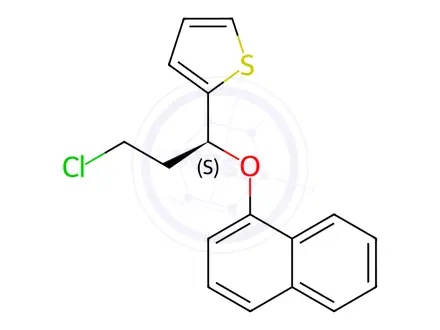
Duloxetine Impurity 20
IN STOCKRS-D024014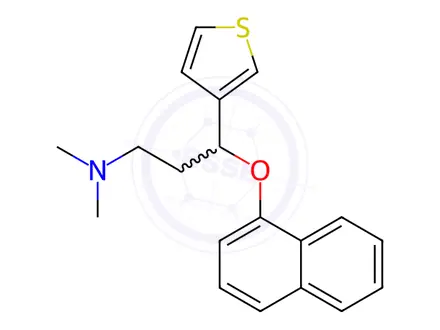
Duloxetine Impurity 21
CUSTOM SYNTHESISRS-D024004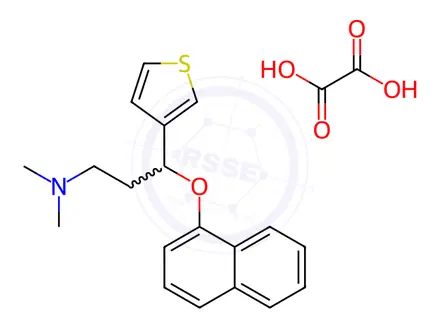
Duloxetine Impurity 21(Oxalicacid)
IN STOCKRS-D024005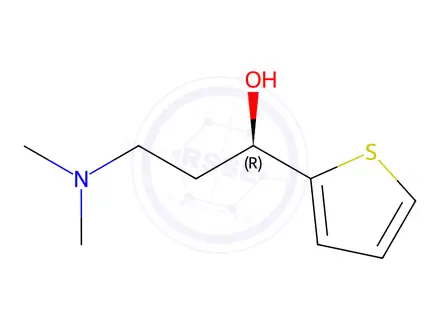
Duloxetine Impurity 22
IN STOCKRS-D024010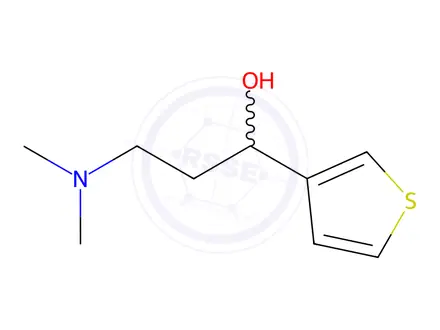
Duloxetine Impurity 23
IN STOCKRS-D024006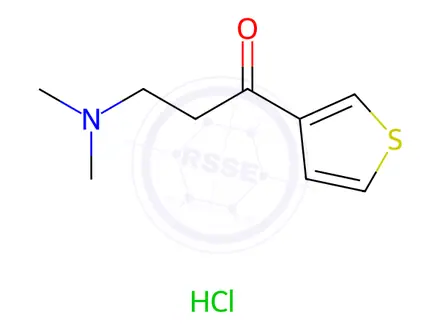
Duloxetine Impurity 29 Hydrochloride
IN STOCKRS-D024033Duloxetine Impurity 31
IN STOCKRS-Z412NMNDuloxetine Impurity 33
IN STOCKRS-D024083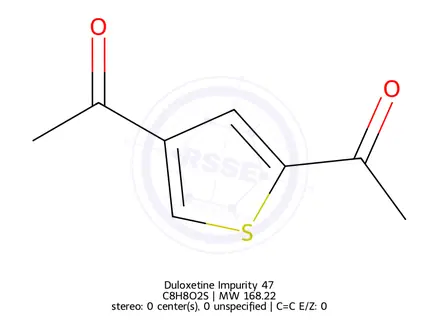
Duloxetine Impurity 47
IN STOCKRS-D024046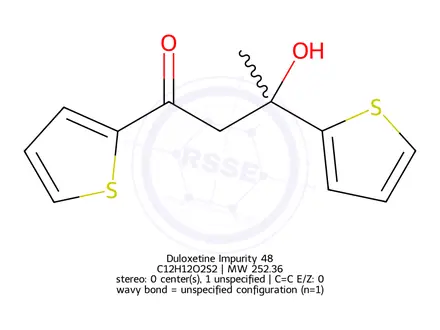
Duloxetine Impurity 48
IN STOCKRS-D024045
Duloxetine Impurity 81
IN STOCKRS-D024049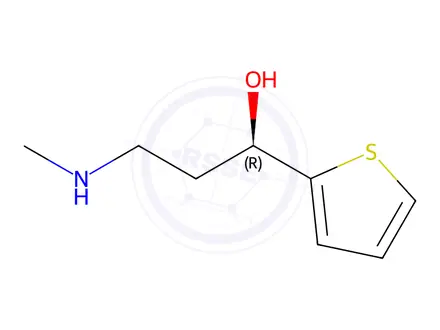
Duloxetine Impurity 82
IN STOCKRS-D024003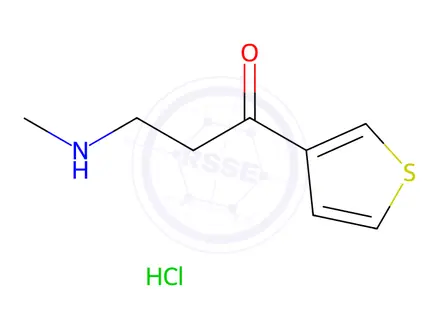
Duloxetine Impurity 83
IN STOCKRS-D024047
88 reference standards
Further entries held for Duloxetine
76 entries are held in the catalogue without a structure drawing. Each carries a catalogue number and, where one has been assigned, a CAS number; packing, documentation and price are quoted on enquiry.
- (S)-Duloxetine Phthalamide-d4
- (S)-Duloxetine-d7 Succinamide
- (±)-Duloxetine-d5 Oxalate (N-methyl-d3
- (±)-Duloxetine-d5 Oxalate (N-methyl-d3; propanamine-d2)
- 4,6-Dihydroxy Duloxetine Glucuronide
- 4-Hydroxy Duloxetine β-D-Glucuronide Sodium Salt
- 4-Hydroxy Duloxetine-d6 β-D-Glucuronide
- 5-Hydroxy-6-Methoxy Duloxetine Sulfate-D3
- DULOXETINE BETA D GLUCURONIDE D5
- Duloxetine Carbamate Impurity
- Duloxetine D5 oxalate
- Duloxetine Dimer Impurity
- Duloxetine Dimer impurity
- Duloxetine EP Impurity A Maleate (Duloxetine USP Related Compound A Maleate)
- Duloxetine EP Impurity C HBr
- Duloxetine EP Impurity D (1-Naphthol)
- Duloxetine EP Impurity D-d8 (1-Naphthol-d8)
- Duloxetine EP Impurity F HCl (Duloxetine USP Related Compound F)
- Duloxetine EP Impurity G
- Duloxetine for system suitability (Y0001454)
- Duloxetine Impurities and Related Compound
- Duloxetine Impurity 13 Oxalate
- Duloxetine Impurity 2
- Duloxetine Impurity 21
- Duloxetine Impurity 21(Hydrochloride)
- Duloxetine Impurity 22 (Oxalate Salt)
- Duloxetine Impurity 22 Oxalate
- Duloxetine Impurity 24 (Oxalate Salt)
- Duloxetine Impurity 24 Oxalate
- Duloxetine Impurity 25 Maleate
- Duloxetine Impurity 26
- Duloxetine Impurity 27
- Duloxetine Impurity 28
- Duloxetine Impurity 29
- Duloxetine Impurity 29-d3
- Duloxetine Impurity 3 (Oxalate Salt)
- Duloxetine Impurity 3 Oxalate
- Duloxetine Impurity 30
- Duloxetine Impurity 4
- Duloxetine Impurity 54
- Duloxetine Impurity 55
- Duloxetine Impurity 56
- Duloxetine Impurity 57
- Duloxetine Impurity 6
- Duloxetine Impurity 64
- Duloxetine Impurity 65
- Duloxetine Impurity 7
- Duloxetine Impurity 77
- Duloxetine Impurity 78
- Duloxetine Impurity 8 Oxalate
- Duloxetine Impurity 84
- Duloxetine Impurity 85
- Duloxetine Impurity 86
- Duloxetine Impurity 87
- Duloxetine Impurity 88
- Duloxetine Impurity 89
- Duloxetine Impurity Standard (1290)
- Duloxetine Impurity-1
- Duloxetine Lactose
- Duloxetine Phtalamide
- Duloxetine Phthalamide
- Duloxetine Related Compound F
- Duloxetine Related Compound H
- Duloxetine Related Compound J
- Duloxetine USP Related Compound H
- Duloxetine-d3 Di-p-toluoyl-L-tartaric Acid Salt
- Duloxetine-d3 HCl
- Duloxetine-d3 Maleate
- Duloxetine-d3 Maleate
- Duloxetine-d7 Maleate
- Duloxetine-d7 Maleate
- Duloxetine-d7 Oxalate
- Duloxetine.HCl, 1mg/ml in Methanol (as free base)
- N-Methyl (R)-Duloxetine 3-Isomer Oxalate
- rac Duloxetine 3-Thiophene Isomer-d3 Oxalate
- Rac-Duloxetine-D7 Maleate
Frequently asked
How many Duloxetine-related reference standards do you hold?
Can you supply a Duloxetine impurity that is not listed here?
What documentation is supplied with Duloxetine impurities?
Do you publish prices or a lead time for Duloxetine impurities?
Cannot find the impurity you need? Non-compendial impurities can be quoted from a structure — a CAS number is not required. Write to sales@rssechem.com.