Fenofibrate impurities and related standards
The structure behind Fenofibrate is C20H21ClO4, 360.8, an ester and an ether oxygen, and its impurities come from the weakest of them. Heteroatoms run to 4 oxygens and 1 halogen, and that ratio sets both retention and the choice of detector.
An ester means the alcohol released in the work-up can re-esterify with a different acid, and that gives a homologue rather than a degradant. The carbon-halogen bond survives storage and leaves under strong base or catalytic hydrogenation; the dehalogenated analogue differs by a few mass units. Positional isomers are the quiet variant here: same formula, similar mass, and retention that can land on either side of the parent. Forced degradation tells you what storage will do and nothing about what the last step leaves behind, which is why the two are reported separately.
Detection is workable but not generous: the chromophore is small, so the method runs at short wavelength where the mobile phase also absorbs. A calculated logP of 4.68 puts the compound and its lipophilic analogues at the back of the run, close enough to need a flat gradient there. A neutral molecule gives the method fewer levers: no pH shift, no ion pairing, only the gradient and the column. Where two peaks share a spectrum only MS/MS separates them, and the product-ion ratio has to be fixed before the method is used for release.
The same release route covers milligram and gram lots, and each lot is released against a CoA that states the test, the method and the result.
Sources: DailyMed - Fenofibrate capsules, FDA-approved label.
59 reference standards related to Fenofibrate held in the RSSE catalogue — pharmacopoeial impurities, non-compendial impurities, metabolites and labelled analogues where available.
In this group: 33 impurity reference standards · 13 fine chemicals · 5 general reference standards · 5 stable isotope labelled standards. CAS numbers are listed for 59 of 59; 59 entries carry a structure drawing.
On this page
59 reference standards
All entries — structure, identifiers and pack sizes
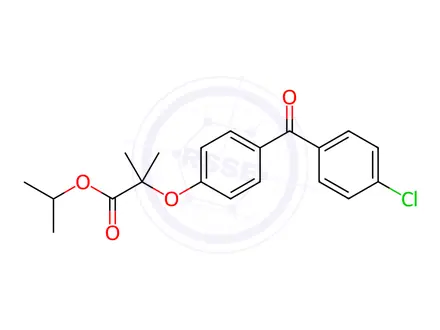
Fenofibrate
IN STOCKRS-U049279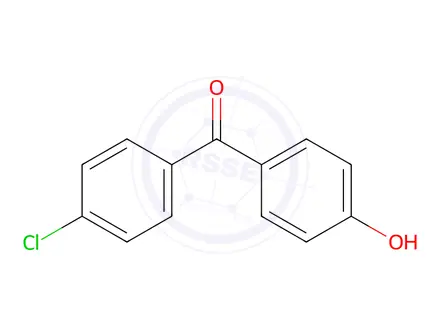
Fenofibrate EP Impurity A (Fenofibrate USP Related Compound A)
IN STOCKRS-F049014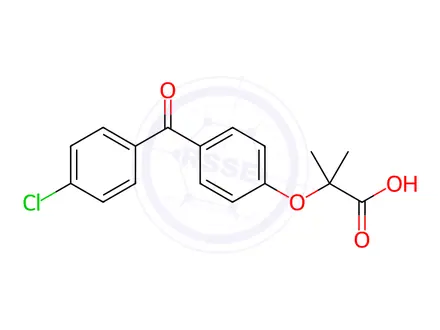
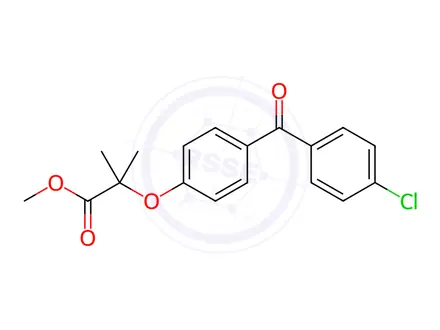
Fenofibrate EP Impurity D
IN STOCKRS-F049013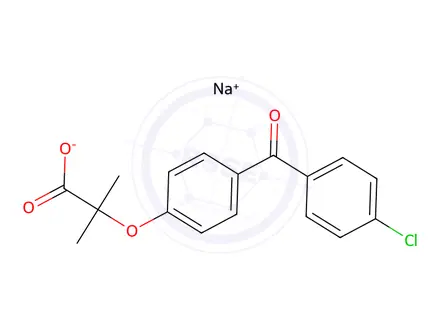
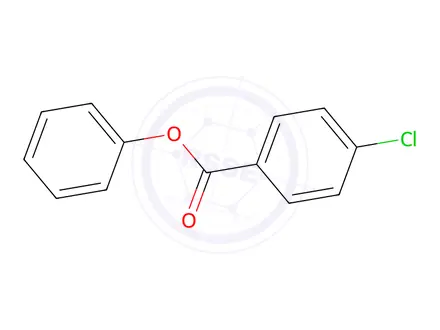
Fenofibrate Impurity N3
CUSTOM SYNTHESISRS-F049024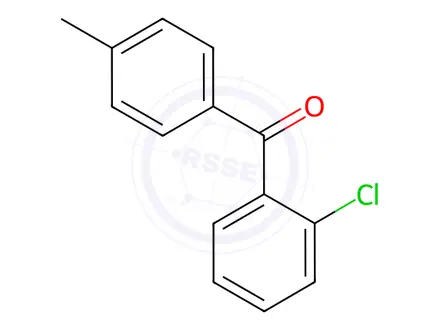
(2-Chlorophenyl)(p-tolyl)methanone
CUSTOM SYNTHESISRS-U071167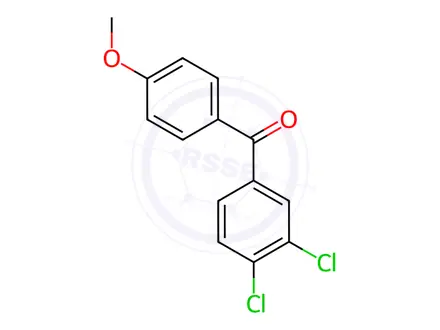
(3,4-dichlorophenyl)(4-methoxyphenyl)methanone
BACK ORDERRS-U069846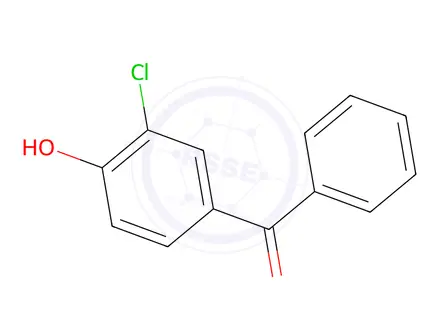
(3-Chloro-4-hydroxyphenyl)(phenyl)methanone
IN STOCKRS-Z401JBX
(4-Chlorophenyl)[4-(1-methylethoxy)phenyl]methanone-D7
IN STOCKRS-Z401GTF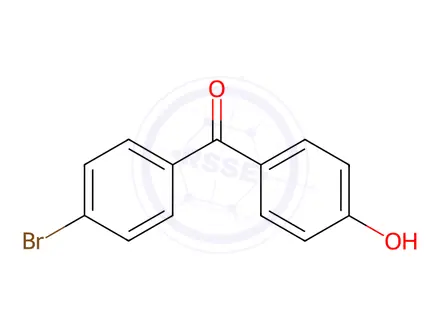
1-(4-Bromophenyl)-1-(4-hydroxyphenyl)methanone
CUSTOM SYNTHESISRS-U005A70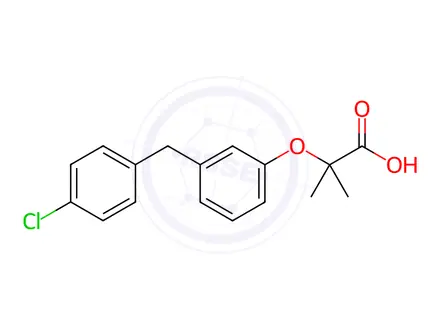
2-(3-(4-Chlorobenzyl)phenoxy)-2-methylpropanoic acid
IN STOCKRS-D110135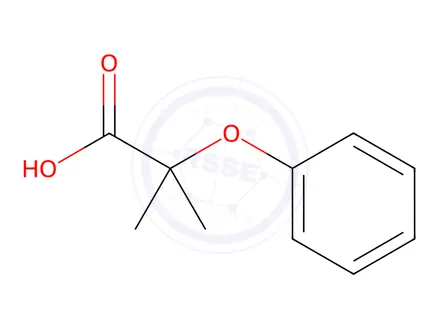
2-Methyl-2-phenoxypropanoic Acid
BACK ORDERRS-U053916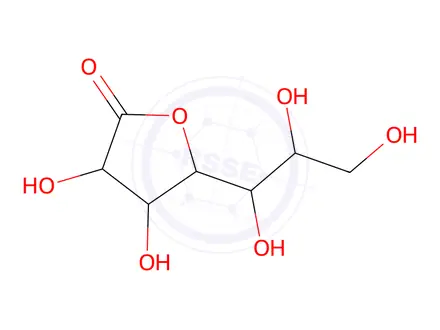
3,4-dihydroxy-5-(1,2,3-trihydroxypropyl)oxolan-2-one
IN STOCKRS-Z400BXQ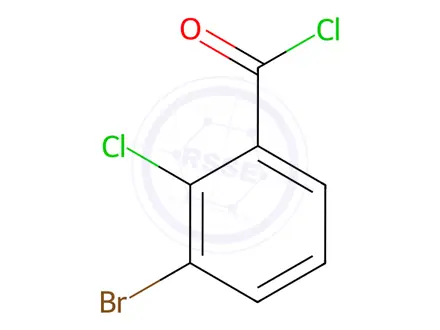
3-Bromo-2-chlorobenzoyl chloride
CUSTOM SYNTHESISRS-U055530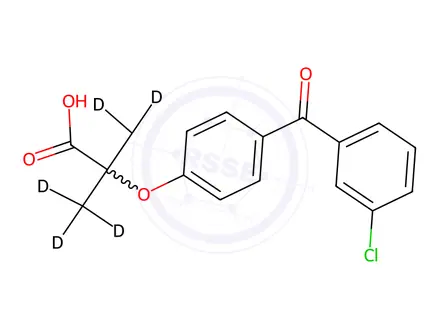
3-Chloro Fenofibric Acid-d6
CUSTOM SYNTHESISRS-I098259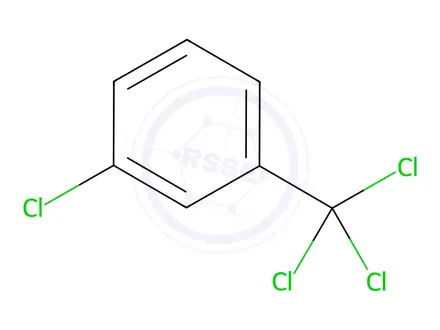
3-Chlorobenzotrichloride
CUSTOM SYNTHESISRS-U006225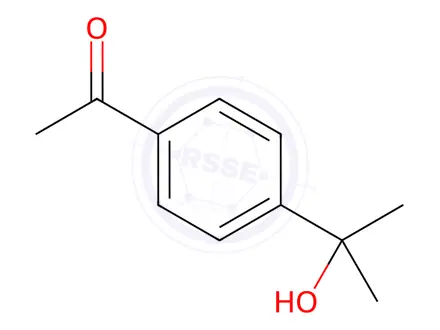
4-(2-Hydroxyisopropyl)phenylacetone
CUSTOM SYNTHESISRS-U015186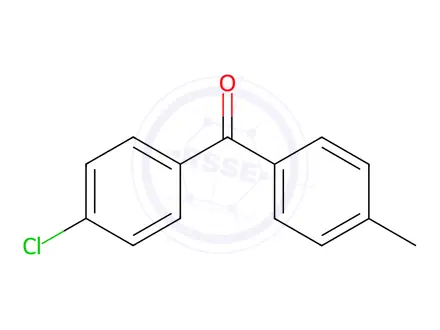
4-Chloro-4`-Methylbenzophenone
IN STOCKRS-U109024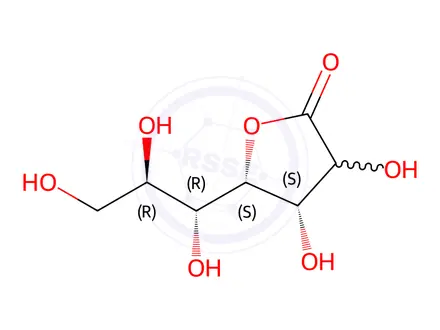
D-Glucoheptono-1,4-lactone
IN STOCKRS-U077828
Dihydro Fenofibrate
IN STOCKRS-F049033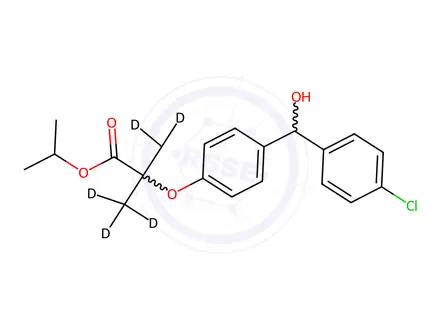
Dihydro Fenofibrate-d6
IN STOCKRS-F049003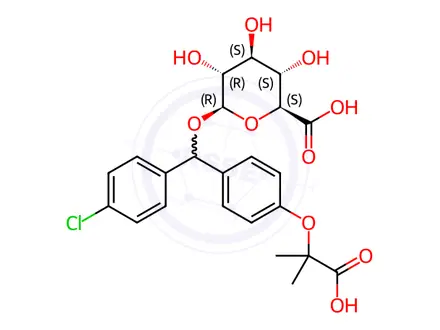
Fenirofibrate-Beta-D-Glucuronide
BACK ORDERRS-U049566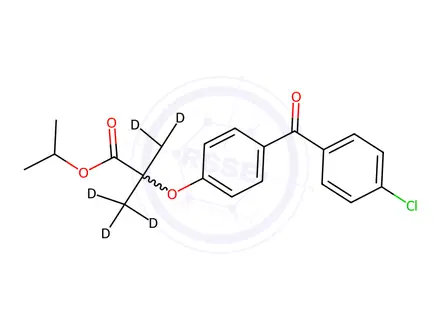
Fenofibrate D6 (dimethyl D6)
IN STOCKRS-I003055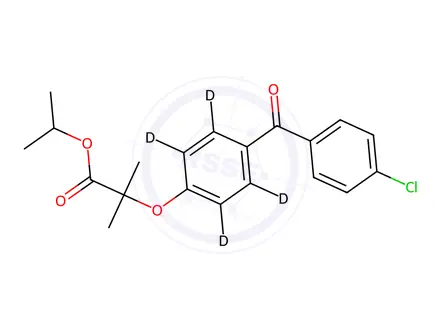
Fenofibrate-d4
IN STOCKRS-F049023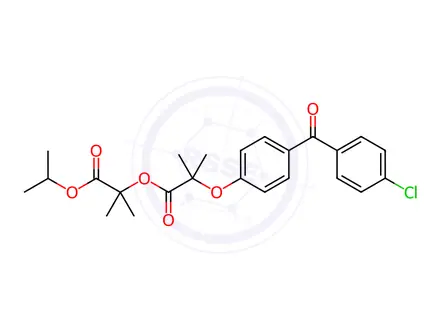
Fenofibric Acid 1,1-Dimethyl-2-(1-methylethoxy)-2-oxoethyl Ester
IN STOCKRS-F049002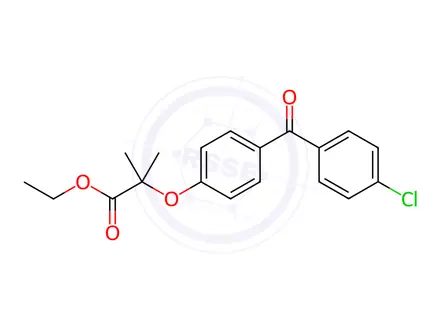
Fenofibric Acid Ethyl Ester
IN STOCKRS-I016124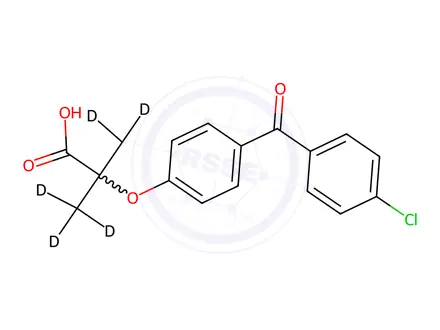
Fenofibrate EP Impurity B-d6 (Fenofibric Acid-d6)
IN STOCKRS-I003056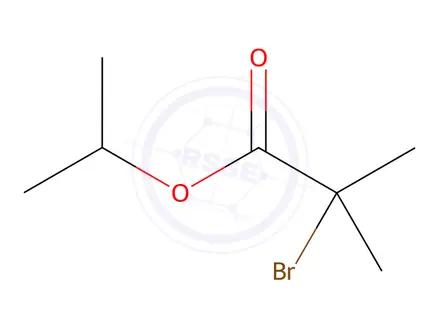
isopropyl 2-bromo-2-methylpropanoate
IN STOCKRS-F049015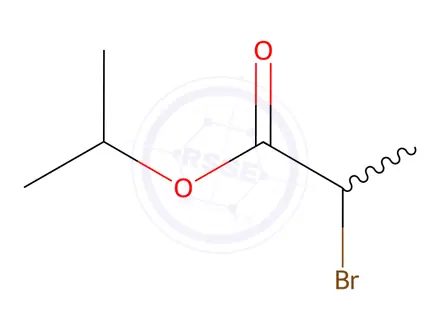
Isopropyl 2-bromopropanoate
IN STOCKRS-U061348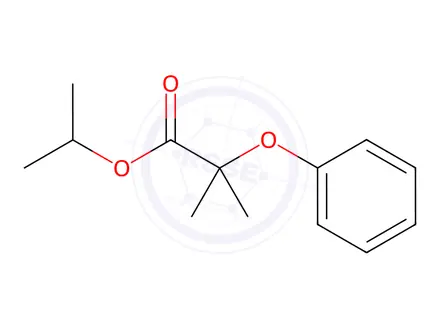
Isopropyl 2-methyl-2-phenoxypropanoate
IN STOCKRS-P031144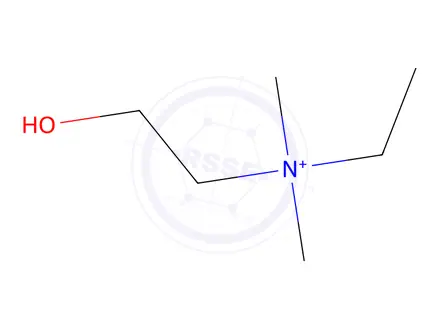
monoethylcholine
IN STOCKRS-Z397C0I
trimethyl-[2-(2-trimethylammonioethoxy)ethyl]azanium diiodide
BACK ORDERRS-Z406JT5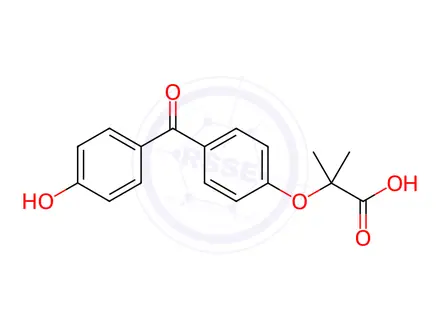
Fenofibrate Impurity 1
IN STOCKRS-F049017
Fenofibrate Impurity 11
IN STOCKRS-F049021
Fenofibrate Impurity 14
IN STOCKRS-F049018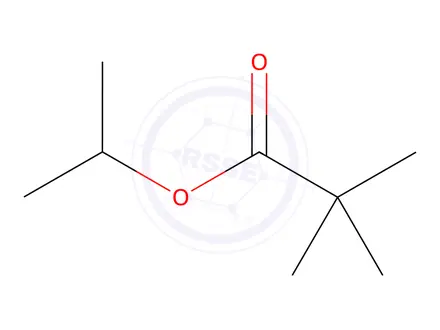
Fenofibrate Impurity 16
IN STOCKRS-F049035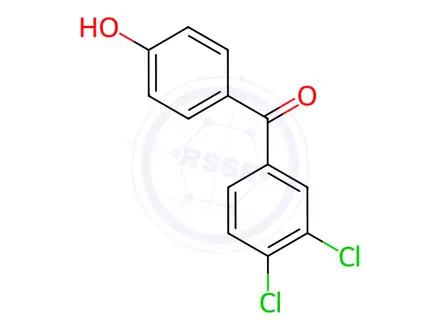
Fenofibrate Impurity 21
CUSTOM SYNTHESISRS-F049016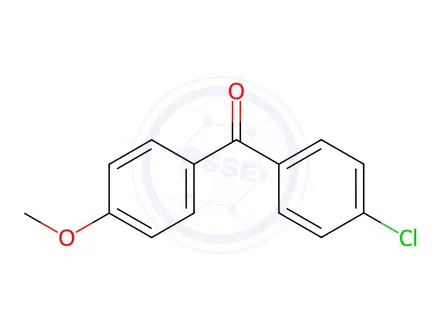
Fenofibrate Impurity 24
IN STOCKRS-P001028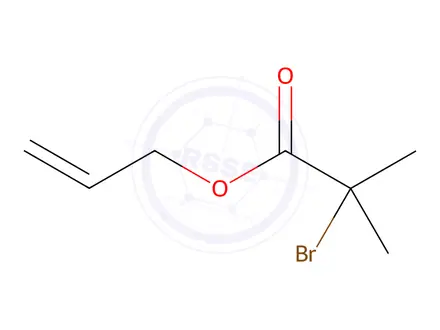
Fenofibrate Impurity 26
IN STOCKRS-F049034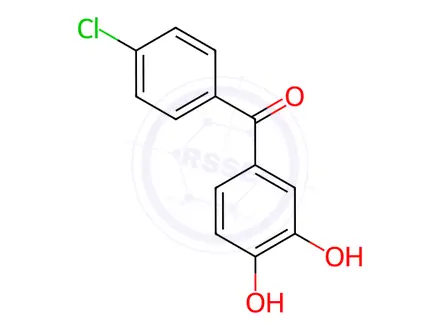
Fenofibrate Impurity 28
CUSTOM SYNTHESISRS-F049004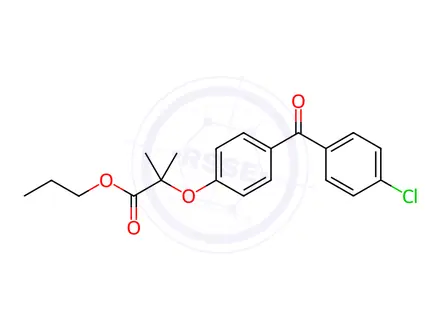
Fenofibrate Impurity 31
IN STOCKRS-F049030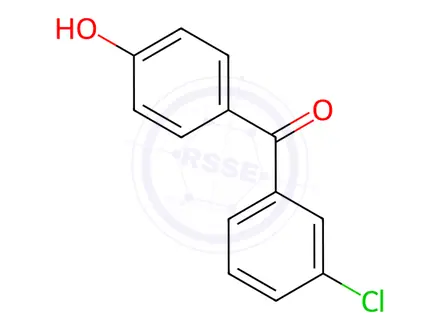
Fenofibrate Impurity 35
IN STOCKRS-U006367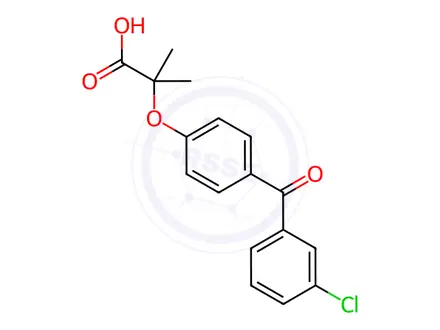
Fenofibrate Impurity 37
IN STOCKRS-U006361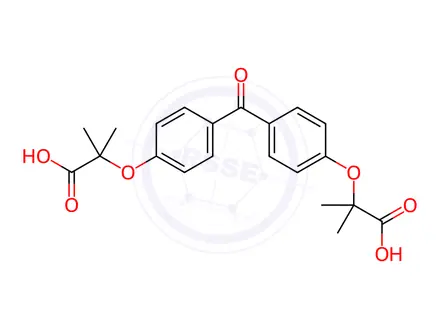
Fenofibrate Impurity 39
CUSTOM SYNTHESISRS-F049029
Fenofibrate Impurity 42
IN STOCKRS-F049032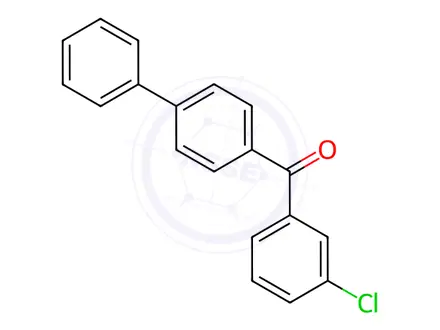
Fenofibrate Impurity 54
IN STOCKRS-F049038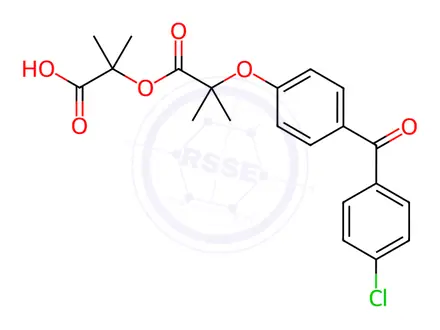
Fenofibrate Impurity 62
IN STOCKRS-F049006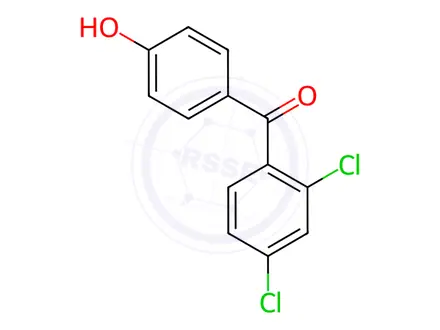
Fenofibrate Impurity 63
IN STOCKRS-F049010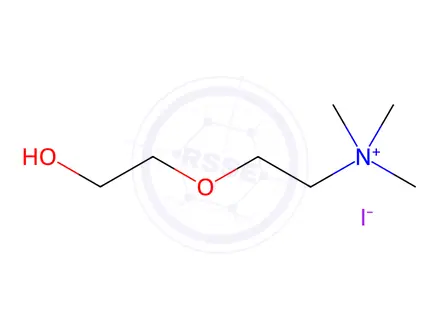
Fenofibrate Impurity 64
IN STOCKRS-F049011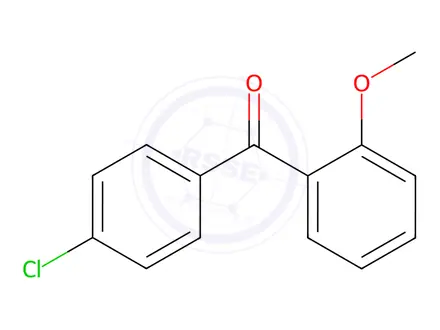
Fenofibrate Impurity 65
IN STOCKRS-F049022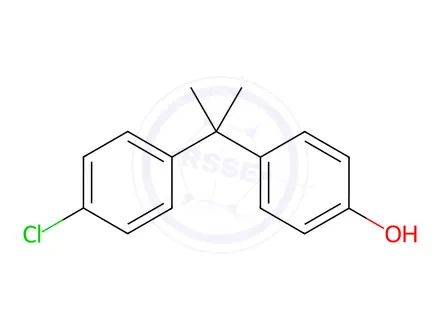
Fenofibrate Impurity 66
IN STOCKRS-F049025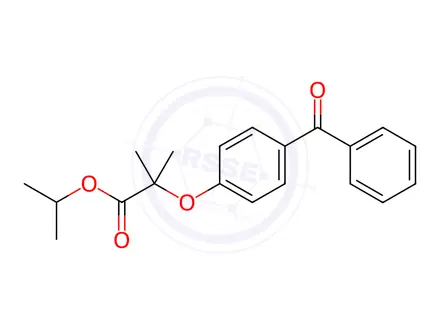
Fenofibrate Impurity 67
CUSTOM SYNTHESISRS-F049031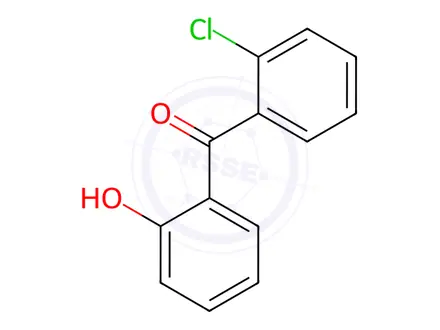
Fenofibrate Impurity 68
IN STOCKRS-U006347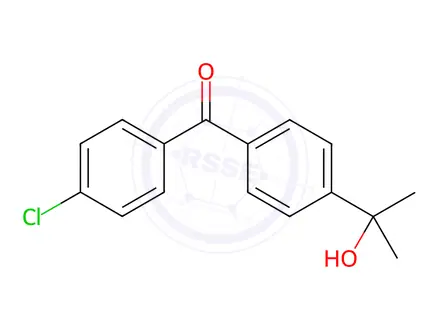
Fenofibrate Impurity 75
IN STOCKRS-F049005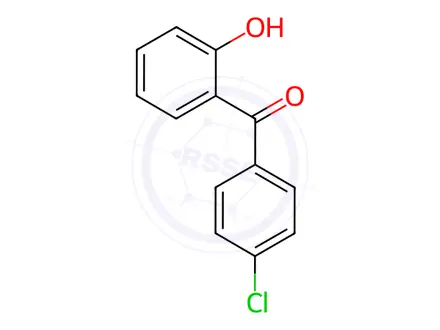
Fenofibrate Impurity 76
IN STOCKRS-F049007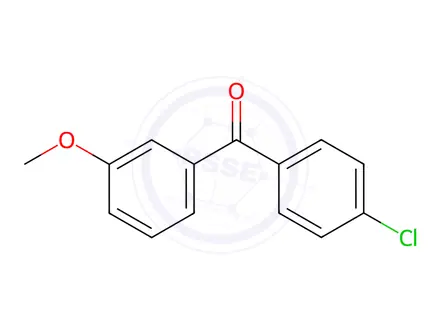
Fenofibrate Impurity 78
IN STOCKRS-F049009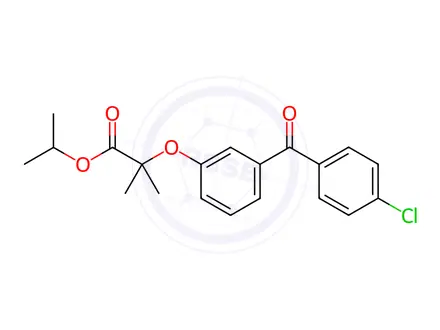
Fenofibrate Impurity 79
IN STOCKRS-F049019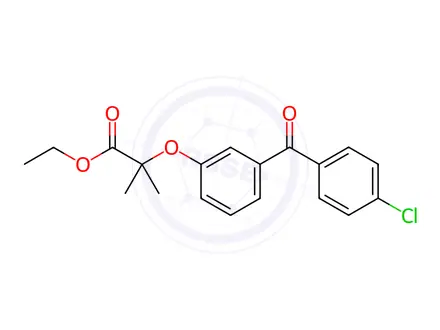
Fenofibrate Impurity 80
IN STOCKRS-F049020
59 reference standards
Further entries held for Fenofibrate
69 entries are held in the catalogue without a structure drawing. Each carries a catalogue number and, where one has been assigned, a CAS number; packing, documentation and price are quoted on enquiry.
- (4-Chlorophenyl)[4-(1-methylethoxy)phenyl]methanone-D7 (Fenofibrate Impurity)
- Fenofibrate (IPRS/143/14)-from IPC
- Fenofibrate Acid Dimer Impurity
- Fenofibrate EP Impurity B-d6 (Fenofibrate USP Related Compound B-d6, Fenofibric Acid-d6)
- Fenofibrate EP Impurity C
- Fenofibrate EP Impurity E
- Fenofibrate EP Impurity F
- Fenofibrate EP Impurity G (Fenofibrate USP Related Compound C)
- Fenofibrate Impurities and Related Compound
- Fenofibrate Impurity 13
- Fenofibrate Impurity 2
- Fenofibrate Impurity 2
- Fenofibrate Impurity 22
- Fenofibrate Impurity 23
- Fenofibrate Impurity 25
- Fenofibrate Impurity 27
- Fenofibrate Impurity 3
- Fenofibrate Impurity 32
- Fenofibrate Impurity 33
- Fenofibrate Impurity 36
- Fenofibrate Impurity 36
- Fenofibrate Impurity 38
- Fenofibrate Impurity 38
- Fenofibrate Impurity 4
- Fenofibrate Impurity 40
- Fenofibrate Impurity 40
- Fenofibrate Impurity 41
- Fenofibrate Impurity 43
- Fenofibrate Impurity 46
- Fenofibrate Impurity 48
- Fenofibrate Impurity 49
- Fenofibrate Impurity 5
- Fenofibrate Impurity 52
- Fenofibrate Impurity 57
- Fenofibrate Impurity 6
- Fenofibrate Impurity 60
- Fenofibrate Impurity 61
- Fenofibrate Impurity 69
- Fenofibrate Impurity 7
- Fenofibrate Impurity 70
- Fenofibrate Impurity 71
- Fenofibrate Impurity 72
- Fenofibrate Impurity 73
- Fenofibrate Impurity 74
- Fenofibrate Impurity 77
- Fenofibrate Impurity 8
- Fenofibrate Impurity 81
- Fenofibrate Impurity 82
- Fenofibrate Impurity 83
- Fenofibrate Impurity 84
- Fenofibrate Impurity 85
- Fenofibrate Impurity 86
- Fenofibrate Impurity 87
- Fenofibrate Impurity 88
- Fenofibrate Impurity 89
- Fenofibrate Impurity 9
- Fenofibrate Impurity 90
- Fenofibrate impurity A (F0048005)
- Fenofibrate Impurity A (IMP/12/17)
- Fenofibrate impurity B (F0048010)
- Fenofibrate Impurity B (IMP/16/18)
- Fenofibrate impurity G (F0048035)
- Fenofibrate Impurity II-6
- Fenofibrate Related Compound A
- Fenofibrate Related compound at RRT 0.50
- Fenofibrate Related Compound B
- Fenofibrate Related Compound C
- Fenofibrate-d6
- Fenofibrate-d7
Frequently asked
How many Fenofibrate-related reference standards do you hold?
Can you supply a Fenofibrate impurity that is not listed here?
What documentation is supplied with Fenofibrate impurities?
Do you publish prices or a lead time for Fenofibrate impurities?
Cannot find the impurity you need? Non-compendial impurities can be quoted from a structure — a CAS number is not required. Write to sales@rssechem.com.