Haloperidol impurities and related standards
What Haloperidol is, in three facts: C21H23ClFNO2, 375.9, a tertiary amine and a ketone. 26 heavy atoms, 1 nitrogen and 2 oxygens put the polar surface area at 40.5, with a calculated logP of 4.43. Shape matters more than mass here: the isomers that count differ by almost nothing on a balance.
Whoever writes the specification has to name which family each peak belongs to, because the control strategy differs for each. The tertiary nitrogen oxidises to the N-oxide and dealkylates under peroxide stress; the N-oxide loses most of its retention in one step. Positional isomers are the quiet variant here: same formula, similar mass, and retention that can land on either side of the parent. The carbon-halogen bond survives storage and leaves under strong base or catalytic hydrogenation; the dehalogenated analogue differs by a few mass units.
The optical detector finds the peak, the mass detector decides what it is, and the two answers have to agree before a structure is claimed. UV works because of the ring; an impurity that loses it effectively disappears from the chromatogram. A polar surface area of 40.5 means lipophilicity dominates, and the compound sits late in the gradient with its close analogues. Two impurities that differ by one oxygen are close in retention and closer in spectrum; the mass difference of sixteen is the only clean handle.
The first order is usually small, the second usually is not, and the CoA travels with the vial together with the chromatogram and the mass spectrum.
Sources: DailyMed (US NLM) - haloperidol solution label; DailyMed (US NLM) - haloperidol solution label, description section.
75 reference standards related to Haloperidol held in the RSSE catalogue — pharmacopoeial impurities, non-compendial impurities, metabolites and labelled analogues where available.
In this group: 45 impurity reference standards · 8 general reference standards · 8 stable isotope labelled standards · 4 drug metabolite standards. CAS numbers are listed for 75 of 75; 75 entries carry a structure drawing.
On this page
75 reference standards
All entries — structure, identifiers and pack sizes
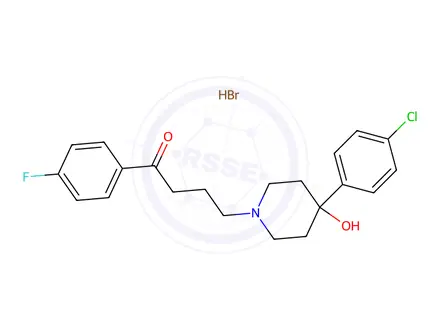
Haloperidol Hydrobromide
BACK ORDERRS-Z412QHQ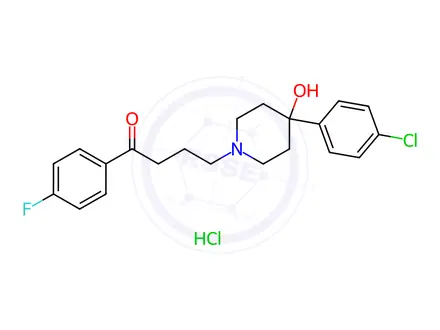
Haloperidol Hydrochloride
IN STOCKRS-H011033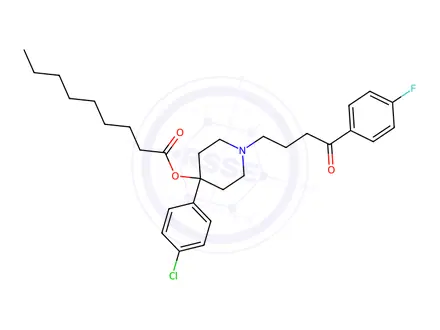
Haloperidol Decanoate EP Impurity I
BACK ORDERRS-Z412N6V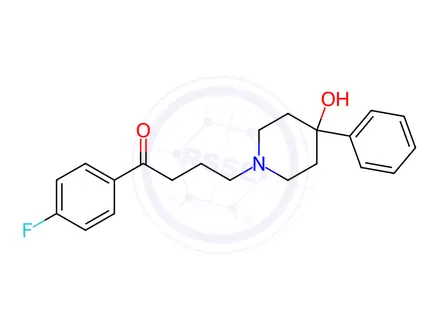
Haloperidol EP Impurity A
IN STOCKRS-H011006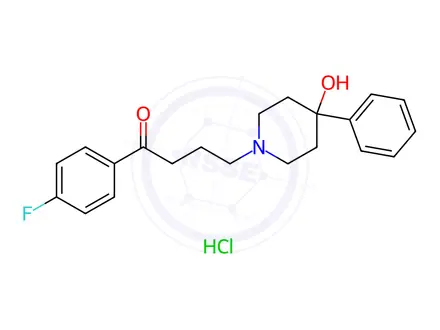
Haloperidol EP Impurity A Hydrochloride
IN STOCKRS-H011038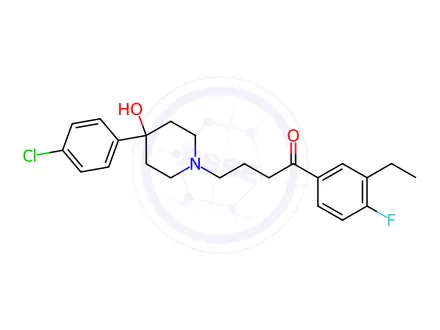
Haloperidol EP Impurity C
IN STOCKRS-H011003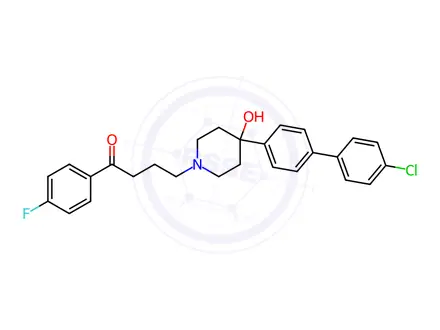
Haloperidol EP Impurity E
IN STOCKRS-H011004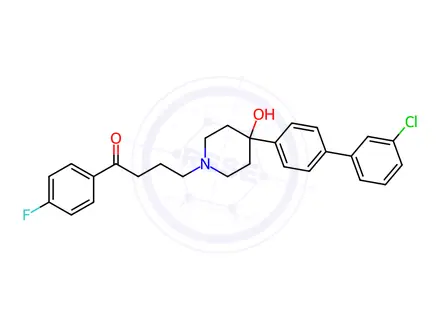
Haloperidol EP Impurity F
IN STOCKRS-H011002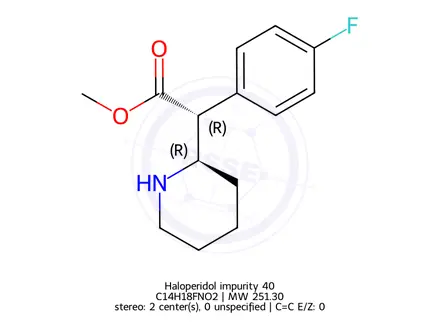
Haloperidol Impurity 40 (Haloperidol EP Impurity G)(RRT 1.8)
IN STOCKRS-H011043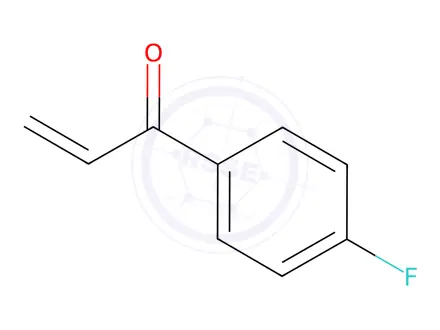
1-(4-Fluorophenyl)prop-2-en-1-one
IN STOCKRS-P020349
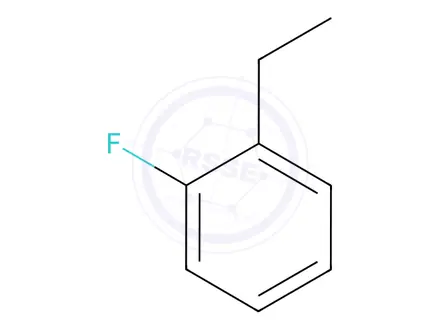
2-Ethylfluorobenzene
IN STOCKRS-D115093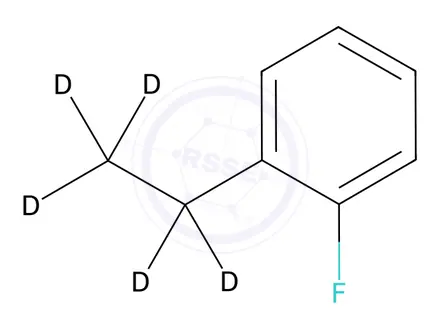
2-Ethylfluorobenzene-d5
IN STOCKRS-I110144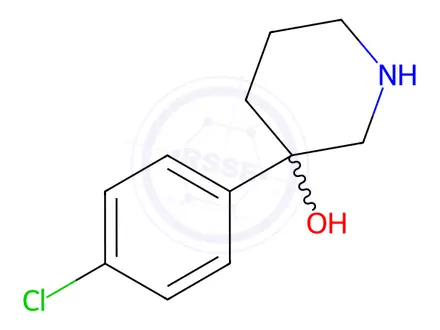
3-(4-Chlorophenyl)-3-piperidinol Hydrochloride
CUSTOM SYNTHESISRS-U060241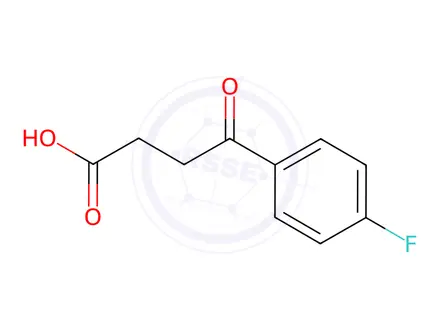
3-(4-Fluorobenzoyl)propionic Acid
IN STOCKRS-U014306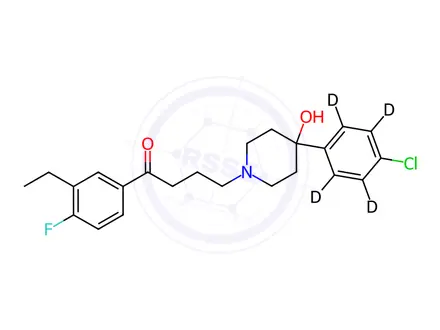
3-Ethyl Haloperidol-d4
BACK ORDERRS-H011019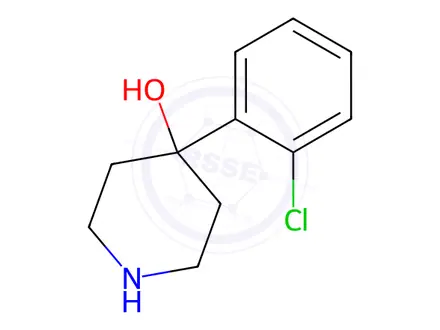
4-(2-chlorophenyl)piperidin-4-ol
CUSTOM SYNTHESISRS-D110140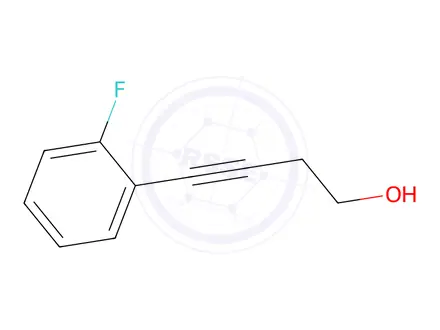
4-(2-Fluorophenyl)but-3-yn-1-ol
IN STOCKRS-Z401M7D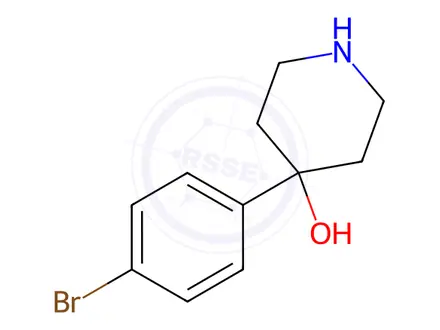
4-(4-Bromophenyl)-4-hydroxypiperidine
IN STOCKRS-U005374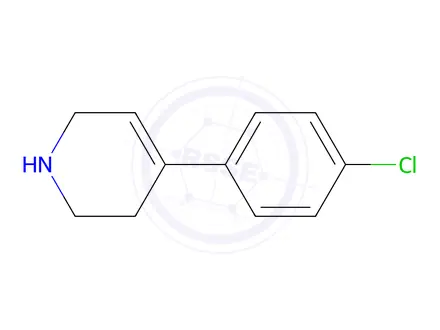
4-(4-Chlorophenyl)-1,2,3,6-tetrahydropyridine
IN STOCKRS-Z401HH7
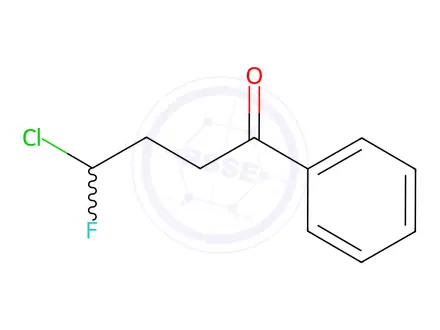
4-Chloro-1-(4-fluorophenyl)butan-1-one
IN STOCKRS-P001969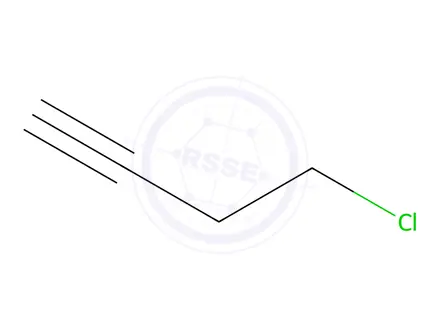
4-Chlorobut-1-yne
IN STOCKRS-D110128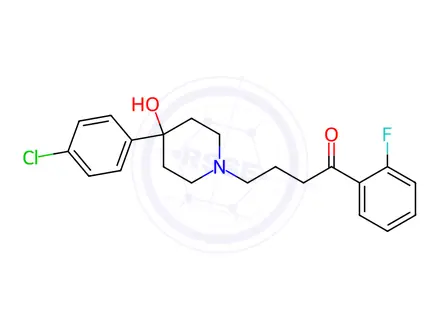
4-Defluoro-2-fluoro Haloperidol
IN STOCKRS-H011001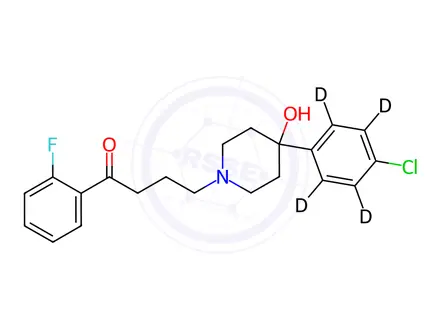
4-Defluoro-2-fluoro Haloperidol-d4
IN STOCKRS-H011020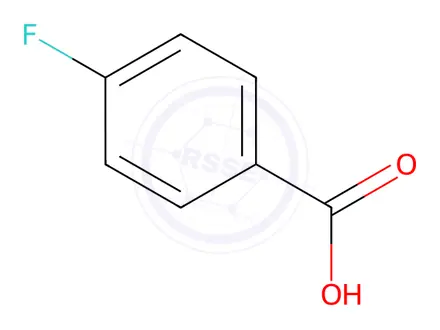
4-fluorobenzoic acid
IN STOCKRS-C013032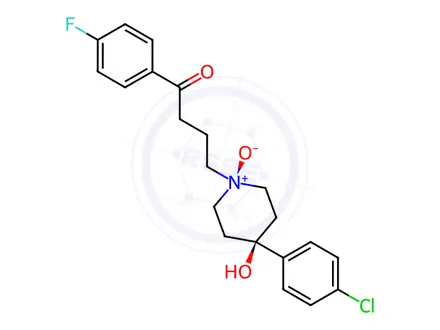
cis-Haloperidol N-Oxide
IN STOCKRS-I002271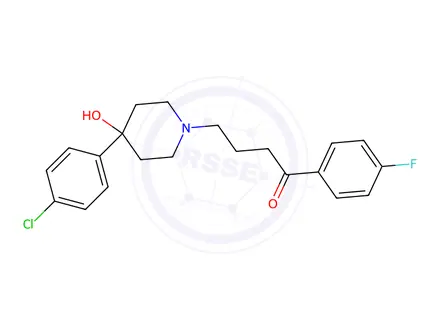
Epoxy resins
CUSTOM SYNTHESISRS-Z003GN5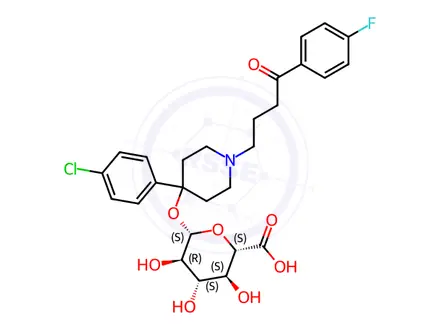
Haloperidol Glucuronide
BACK ORDERRS-I007001Haloperidol in methanol
IN STOCKRS-I007033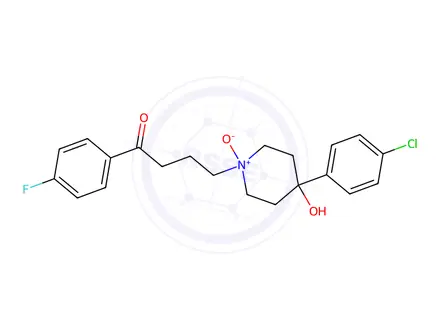
Haloperidol N-Oxide (Mixture of Isomers)
IN STOCKRS-M020005
Haloperidol-[D4]
IN STOCKRS-I105037
Haloperidol-D4
IN STOCKRS-I105111
Haloperidol-d4 N-Oxide
IN STOCKRS-H011014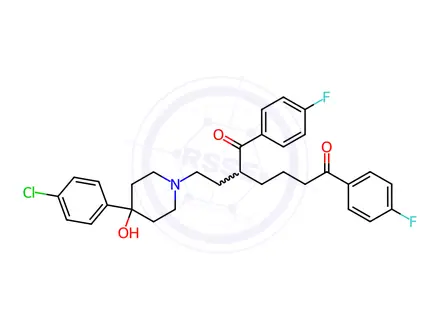
N,C-Fluorophenylbutyryl Haloperidol
CUSTOM SYNTHESISRS-I014029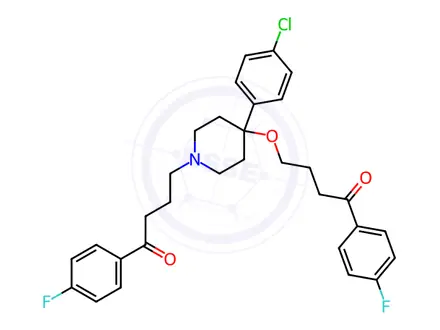
N,O-Fluorophenylbutyryl Haloperidol
BACK ORDERRS-H011037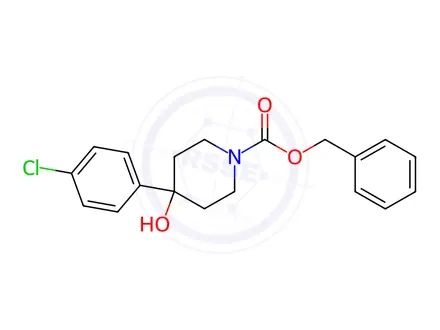
N-Benzyloxycarbonyl-4-(4-chlorophenyl)-4-piperidinol
IN STOCKRS-D114011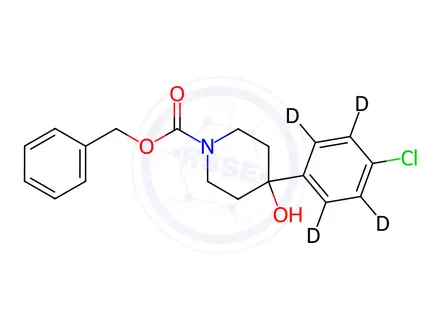
N-Benzyloxycarbonyl-4-(4-chlorophenyl-d4)-4-piperidinol
IN STOCKRS-I091092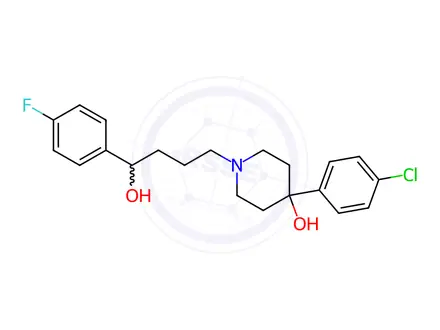
Reduced Haloperidol
IN STOCKRS-I009094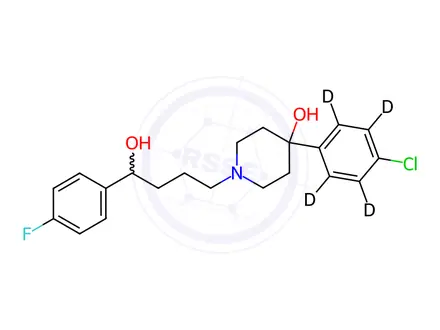
Reduced Haloperidol-d4
IN STOCKRS-H011015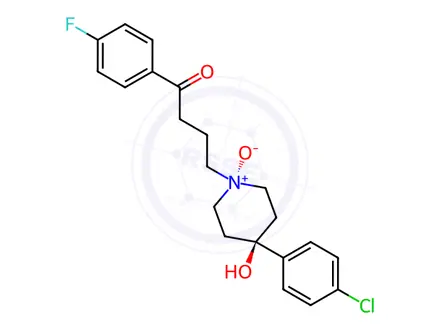
trans-Haloperidol N-Oxide
IN STOCKRS-I013015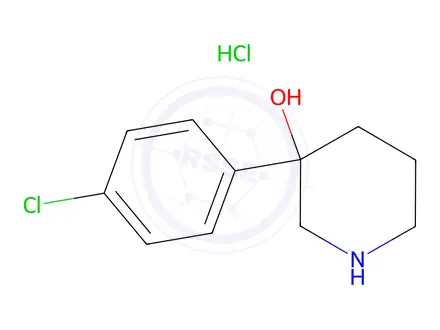
Haloperidol Impurity 01 HCl
IN STOCKRS-Z401D5C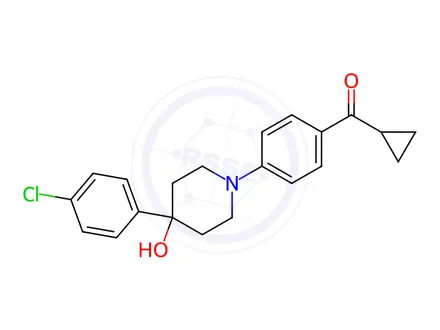
Haloperidol Impurity 2
IN STOCKRS-H011005
Haloperidol Impurity 3
IN STOCKRS-H011028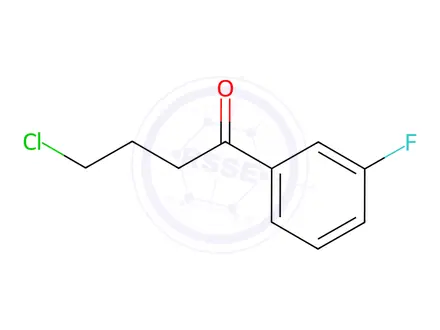
Haloperidol Impurity 7
IN STOCKRS-H011023
Haloperidol Impurity 9 (Dehydrate Haloperidol)
IN STOCKRS-Z412R58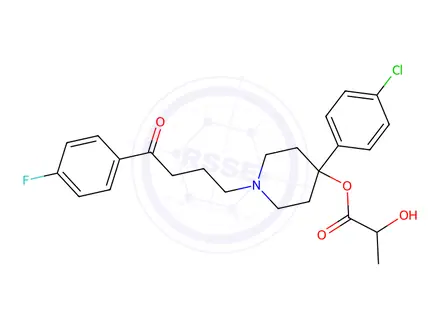
Haloperidol Impurity 11
CUSTOM SYNTHESISRS-Z401KPV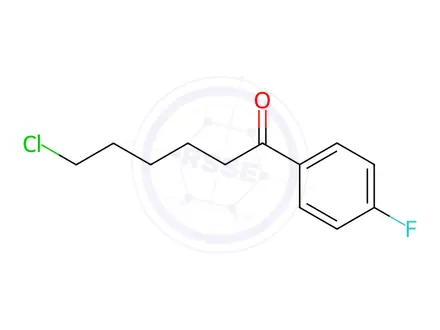
Haloperidol Impurity 12
IN STOCKRS-H011026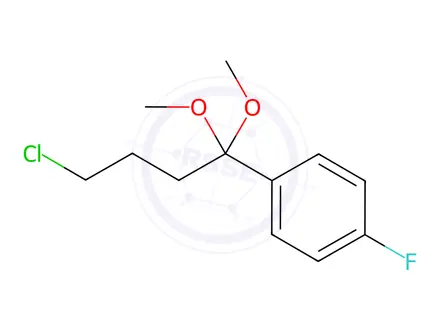
Haloperidol Impurity 13
IN STOCKRS-H011025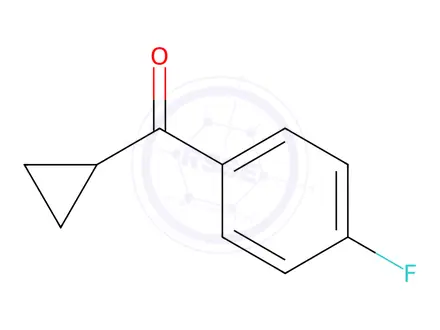
Haloperidol Impurity 14
IN STOCKRS-H011029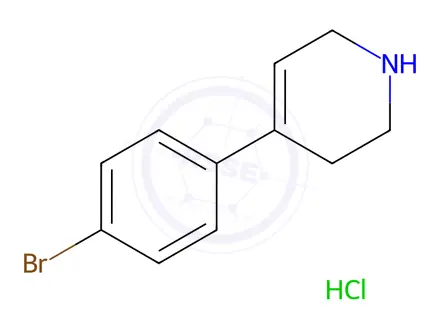
Haloperidol Impurity 19 (HCl Salt)
CUSTOM SYNTHESISRS-H011013Haloperidol Impurity 22
IN STOCKRS-H011011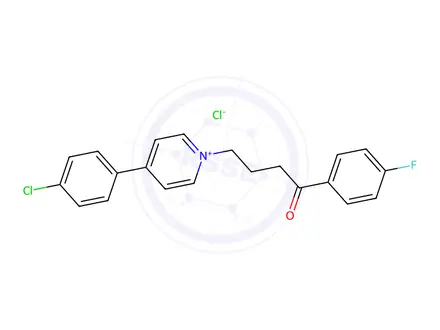
Haloperidol Impurity 23 Chloride
IN STOCKRS-Z399U5C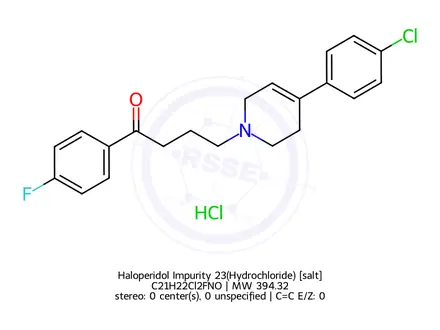
Haloperidol Impurity 23(Hydrochloride)
CUSTOM SYNTHESISRS-H011142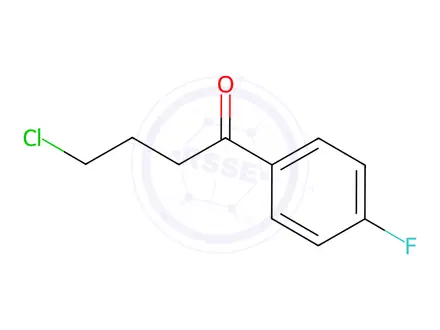
Haloperidol Impurity 28
IN STOCKRS-H011009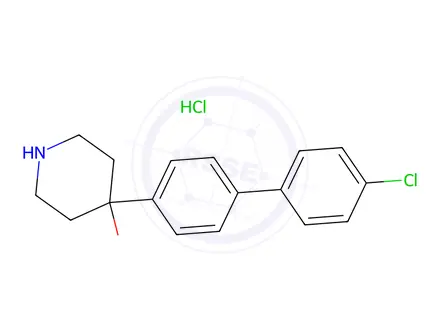
Haloperidol Impurity 33
CUSTOM SYNTHESISRS-I001629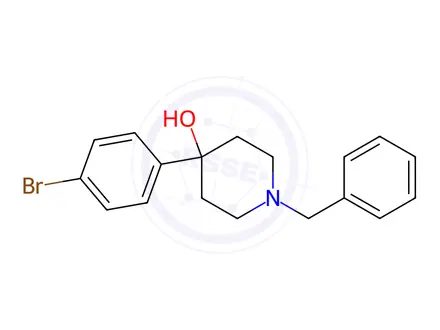
Haloperidol Impurity 38
IN STOCKRS-H011035Haloperidol Impurity 38 HCl
IN STOCKRS-I001AHK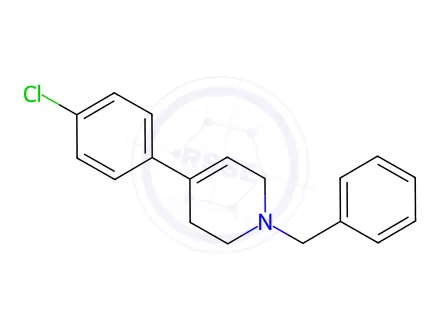
Haloperidol Impurity 39
IN STOCKRS-H011036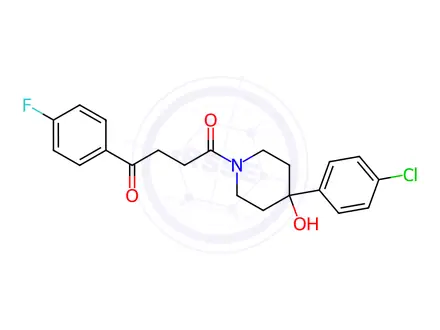
Haloperidol Impurity 63
IN STOCKRS-H011007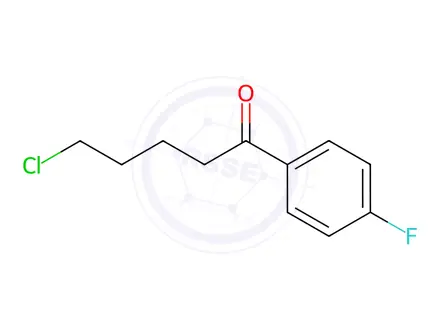
Haloperidol Impurity 64
IN STOCKRS-H011017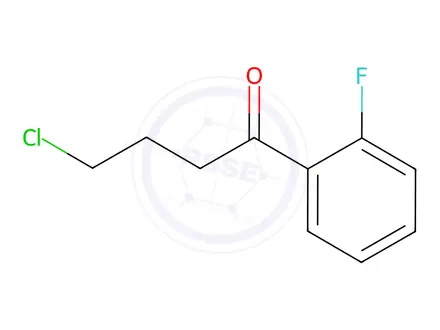
Haloperidol Impurity 65
IN STOCKRS-H011022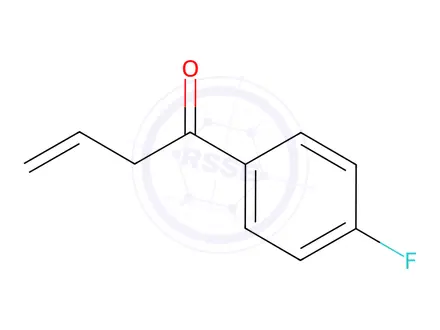
Haloperidol Impurity 66
CUSTOM SYNTHESISRS-H011027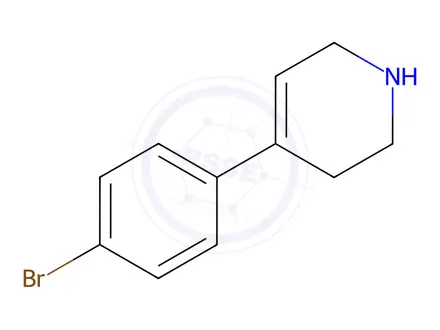
Haloperidol Impurity 67
IN STOCKRS-H011030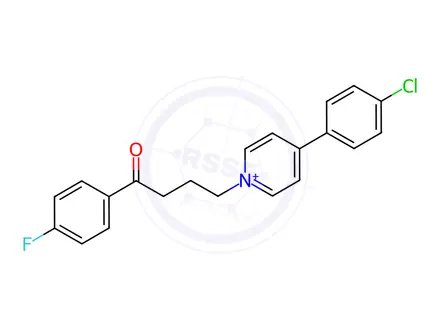
Haloperidol Impurity 68
IN STOCKRS-H011031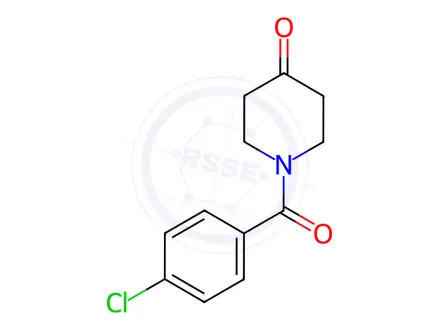
Haloperidol Impurity 69
CUSTOM SYNTHESISRS-H011032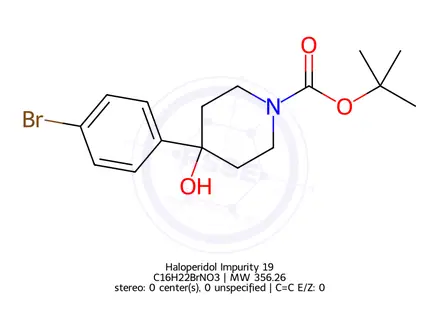
Haloperidol Impurity 70
IN STOCKRS-H011034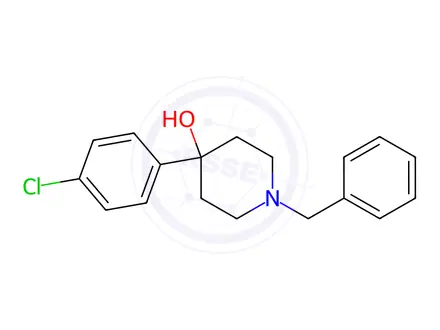
Haloperidol Impurity 71
IN STOCKRS-H011039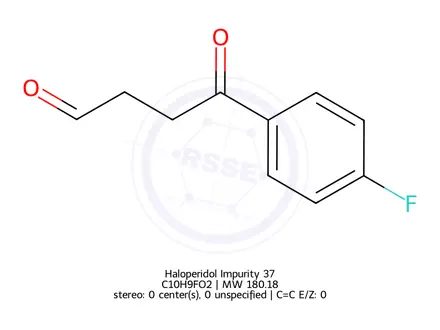
Haloperidol Impurity 74
IN STOCKRS-H011044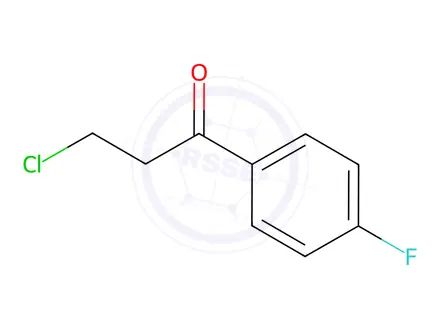
Haloperidol Impurity 75
CUSTOM SYNTHESISRS-H011008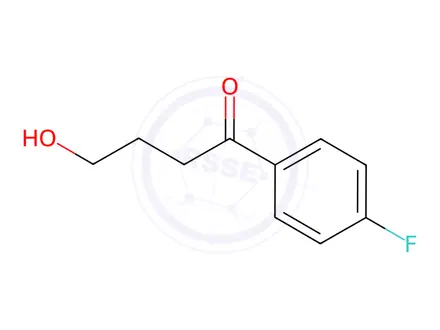
Haloperidol Impurity 76
IN STOCKRS-H011012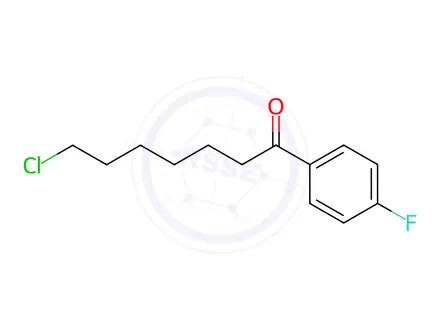
Haloperidol Impurity 77
IN STOCKRS-H011018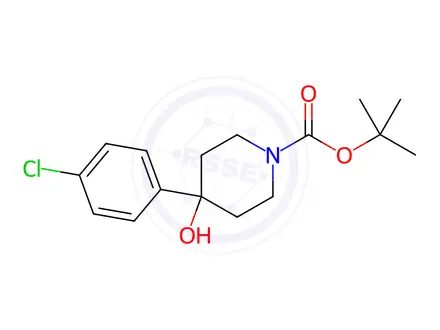
Haloperidol Impurity 78
IN STOCKRS-H011021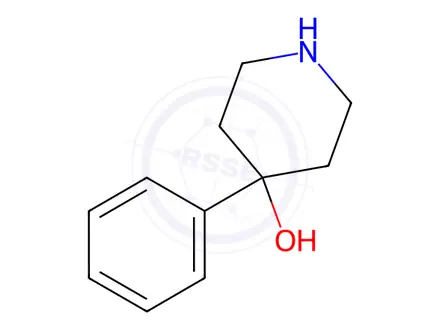
Haloperidol Impurity 79
IN STOCKRS-H011024
Haloperidol Impurity 80
IN STOCKRS-H011040
75 reference standards
Further entries held for Haloperidol
95 entries are held in the catalogue without a structure drawing. Each carries a catalogue number and, where one has been assigned, a CAS number; packing, documentation and price are quoted on enquiry.
- 3-Ethyl Haloperidol Decanoate-d19
- 4-[4-(4-Chlorophenyl)-4-hydroxypiperidine]-4-defluorohaloperidol Decanoate-d19
- 4-Dechloro-4-(4-chlorophenyl) Haloperidol Decanoate-d19
- Dechloro Haloperidol
- Dichloro-Haloperidol
- Haloperidol
- Haloperidol
- Haloperidol
- Haloperidol
- Haloperidol
- Haloperidol
- Haloperidol
- haloperidol (407RB)
- Haloperidol (H0100000)
- Haloperidol (Haloperidol Decanoate EP Impurity G)
- Haloperidol (ICRS0323)
- Haloperidol (IPRS/163/12)-from IPC
- Haloperidol (IPRS/18/18)
- Haloperidol 13C6 reduced form
- Haloperidol decanoate (H0100100)
- Haloperidol Decanoate EP impurity H Hydrochloride
- Haloperidol Decanoate EP impurity I Hydrochloride
- Haloperidol Decanoate EP impurity J Hydrochloride
- Haloperidol Decanoate EP impurity K Hydrochloride
- Haloperidol Decanoate-N-Oxide(Trans-Isomer)
- Haloperidol EP Impurity B (Haloperidol USP Related Compound B)
- Haloperidol EP Impurity B Hydrochloride
- Haloperidol EP Impurity D (Haloperidol USP Related Compound A)
- Haloperidol EP Impurity E (HCl Salt)
- Haloperidol EP Impurity E HCl
- Haloperidol EP Impurity E HCl
- Haloperidol EP Impurity E Hydrochloride
- Haloperidol for peak identification (Y0001518)
- HALOPERIDOL FOR PEAK IDENTIFICATION CRS (CONTANING G AND H)
- Haloperidol for system suitability (Y0001517)
- HALOPERIDOL FOR SYSTEM SUITABILITY CRS (CONTANING IMPURITIES B AND D)
- Haloperidol Impurities and Related Compound
- Haloperidol Impurity 1
- Haloperidol Impurity 16
- Haloperidol Impurity 16
- Haloperidol Impurity 18
- Haloperidol Impurity 18
- Haloperidol Impurity 21
- Haloperidol Impurity 21
- Haloperidol Impurity 23 Chloride
- Haloperidol Impurity 24
- Haloperidol Impurity 24
- Haloperidol Impurity 24(Hydrochloride)
- Haloperidol Impurity 25
- Haloperidol Impurity 25(Hydrochloride)
- Haloperidol Impurity 28
- Haloperidol Impurity 30
- Haloperidol Impurity 32
- Haloperidol Impurity 33
- Haloperidol Impurity 34
- Haloperidol Impurity 35
- Haloperidol Impurity 36
- Haloperidol Impurity 39 Hydrochloride
- Haloperidol Impurity 4
- Haloperidol Impurity 41 (Haloperidol EP Impurity H)(RRT 2.0)
- Haloperidol Impurity 42
- Haloperidol Impurity 46
- Haloperidol Impurity 47
- Haloperidol Impurity 50
- Haloperidol Impurity 51
- Haloperidol Impurity 52
- Haloperidol Impurity 58
- Haloperidol Impurity 6
- Haloperidol Impurity 61
- Haloperidol Impurity 62
- Haloperidol Impurity 72
- Haloperidol Impurity 73
- Haloperidol Impurity 81
- Haloperidol Impurity 82
- Haloperidol Impurity 83
- Haloperidol Impurity 84
- Haloperidol Impurity 85
- Haloperidol Impurity 86
- Haloperidol Impurity 87
- Haloperidol Impurity 88
- Haloperidol Impurity 9
- Haloperidol Impurity A HCl
- Haloperidol Impurity-C
- Haloperidol N-glucuronide
- Haloperidol Octanoate-d15
- Haloperidol reduced form 13C6
- Haloperidol Related Compound A
- Haloperidol Related Compound B (4-[4-(4-Chlorophenyl)-4-hydroxypiperidin-1-yl]-1-(2-fluorophenyl)bu (1303024)
- Haloperidol Sulfate Salt
- Haloperidol-13C6
- Haloperidol-d4 (Haloperidol Decanoate EP Impurity G-d4)
- Haloperidol-d4 Decanoate
- Reduced Haloperidol Glucuronide-1
- Reduced Haloperidol Glucuronide-2
- Reduced Haloperidol Glucuronide-3
Frequently asked
How many Haloperidol-related reference standards do you hold?
Can you supply a Haloperidol impurity that is not listed here?
What documentation is supplied with Haloperidol impurities?
Do you publish prices or a lead time for Haloperidol impurities?
Cannot find the impurity you need? Non-compendial impurities can be quoted from a structure — a CAS number is not required. Write to sales@rssechem.com.