Lidocaine impurities and related standards
The short description of Lidocaine is C14H22N2O, 234.3, one ring, all of them aromatic, with an amide and a tertiary amine. Molecular weight 234.3, polar surface 32.3, cLogP 2.58: the method starts from those three numbers. 17 heavy atoms, 2 nitrogens and 1 oxygen; polar surface 32.3, calculated logP 2.58.
Acyl bonds are the conventional weak link in any molecule that carries one, and the acid and amine released by hydrolysis separate very differently from the intact drug. A second route runs in parallel. The tertiary amine oxidises to the N-oxide and demethylates under peroxide stress; the N-oxide is markedly more polar and runs near the solvent front. Process impurities and degradation products are separate problems, and a method has to cover both.
One aromatic ring is enough for UV, but not enough for a clean spectrum. For Lidocaine, the polar surface is 32.3 and the calculated logP is 2.58. The mass spectrometer prefers positive mode for this compound. A longer gradient buys resolution and costs time. The method is normally built around forced degradation: acid, base, peroxide, heat and light, injected separately, with the peaks that grow matched against standards. A gradient delay of one column volume is enough to change the resolution visibly.
Standards are supplied from milligram to gram, with a CoA that states the lot purity and the method behind it. If the peak has no catalogue entry, send the structure.
Sources: DailyMed - Lidocaine hydrochloride injection, solution.
102 reference standards related to Lidocaine held in the RSSE catalogue — pharmacopoeial impurities, non-compendial impurities, metabolites and labelled analogues where available.
In this group: 49 impurity reference standards · 25 fine chemicals · 10 stable isotope labelled standards · 7 general reference standards. CAS numbers are listed for 102 of 102; 102 entries carry a structure drawing.
On this page
N-nitroso (NDSRI) impurities of Lidocaine
The N-nitroso forms held for this substance — the structural class that the ICH M7 nitrosamine framework covers. 27 entries are listed. A CAS number is not required to quote one of them.
- Lidocaine Nitroso Impurity 10
- Lidocaine Nitroso Impurity 11
- Lidocaine Nitroso Impurity 3
- Lidocaine Nitroso Impurity 4
- Lidocaine Nitroso Impurity 53
- Lidocaine Nitroso Impurity 58
- Lidocaine Nitroso Impurity 6
- Lidocaine Nitroso Impurity 60
- Lidocaine Nitroso Impurity 61
- Lidocaine Nitroso Impurity 63
- Lidocaine Nitroso Impurity 64
- Lidocaine Nitroso Impurity 65
- Lidocaine Nitroso Impurity 66
- Lidocaine Nitroso Impurity 7
- Lidocaine Nitroso Impurity 74
- Lidocaine Nitroso Impurity 75
- Lidocaine Nitroso Impurity 8
- Lidocaine Nitroso Impurity 9
- N-Nitroso Lidocaine
- N-Nitroso Lidocaine EP Impurity E D4
- N-Nitroso Lidocaine EP Impurity E-15N 13C2
- N-Nitroso Lidocaine Impurity 3 (Mixture of Isomers)
- N-Nitroso N-des-ethyl Lidocaine D5
- N-Nitroso N-Desethyl Lidocaine-d6
- N-Nitroso-Desethyl Lidocaine D5
- N-Nitroso-Desethyl Lidocaine-D6
- N-Nitroso-N-Desethyl Lidocaine
102 reference standards
All entries — structure, identifiers and pack sizes
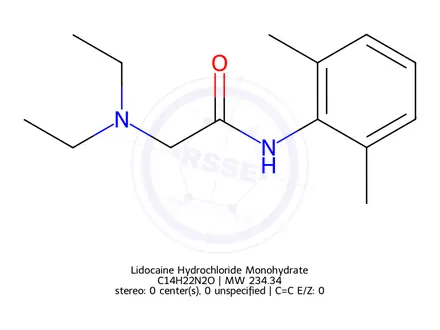
Lidocaine
IN STOCKRS-Z397ZWI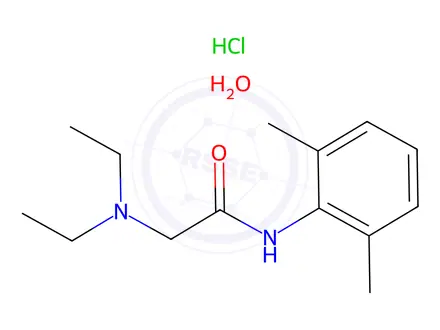
Lidocaine Hydrochloride Monohydrate
IN STOCKRS-L008053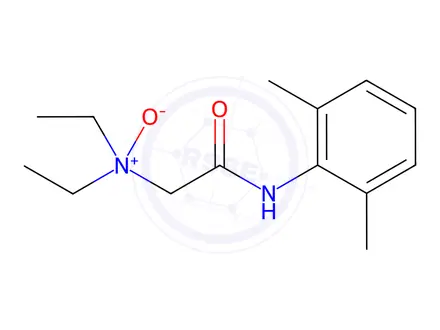
Lidocaine EP Impurity B
IN STOCKRS-L008020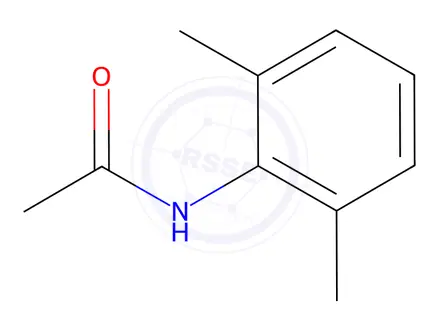
Lidocaine EP Impurity C
IN STOCKRS-L008019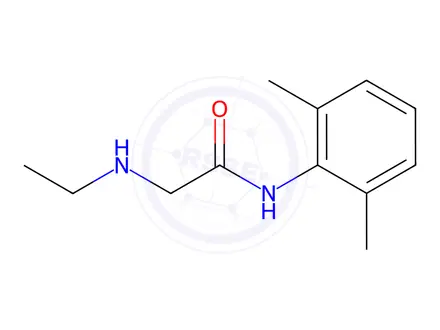
Lidocaine EP Impurity D
IN STOCKRS-L008037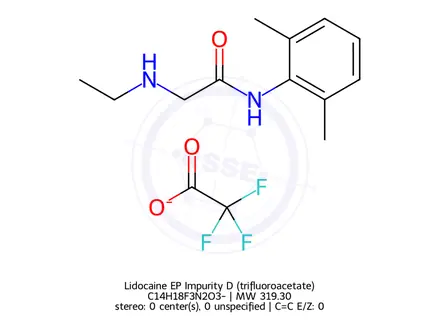
Lidocaine EP Impurity D (trifluoroacetate)
IN STOCKRS-L008099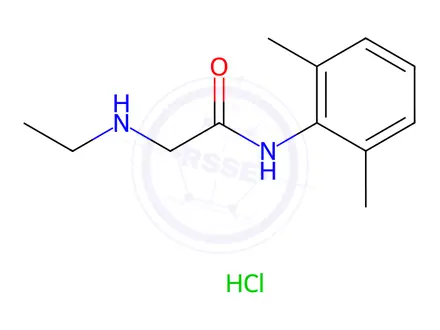
Lidocaine EP Impurity D(Hydrochloride)
IN STOCKRS-L008038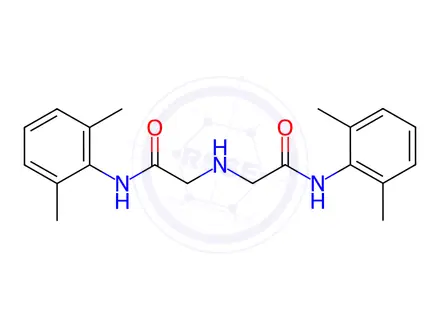
Lidocaine EP Impurity E
IN STOCKRS-L008035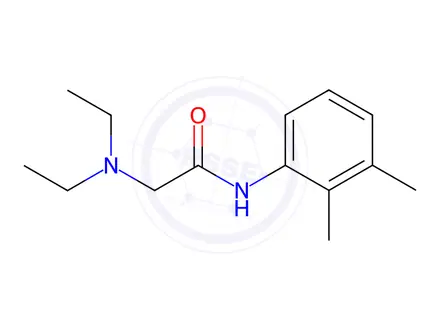
Lidocaine EP Impurity F
IN STOCKRS-L008012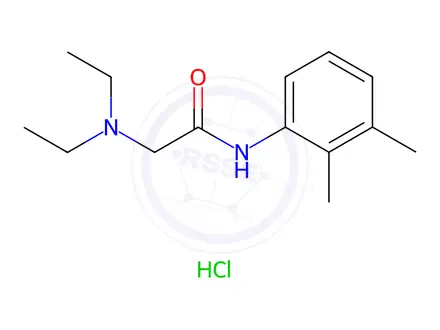
Lidocaine EP Impurity F(Hydrochloride)
IN STOCKRS-L008040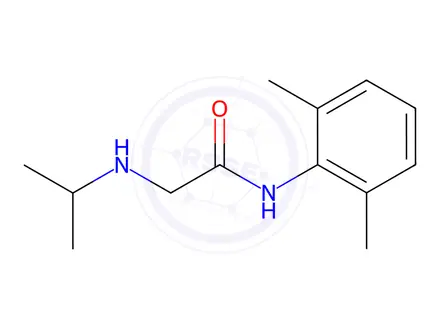
Lidocaine EP Impurity G
IN STOCKRS-L008031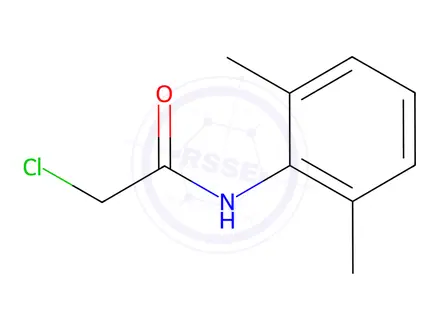
Lidocaine EP Impurity H (Lidocaine USP Related Compound H)
IN STOCKRS-L008002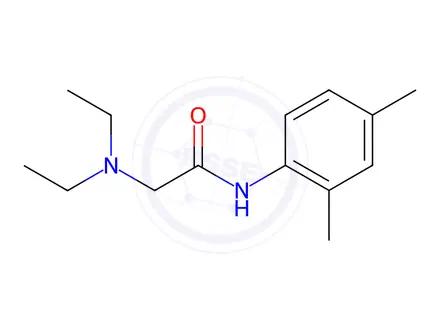
Lidocaine EP Impurity I
IN STOCKRS-L008014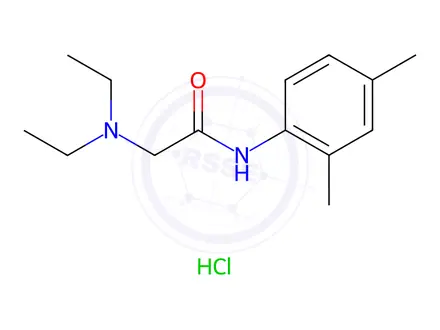
Lidocaine EP Impurity I(Hydrochloride)
IN STOCKRS-L008005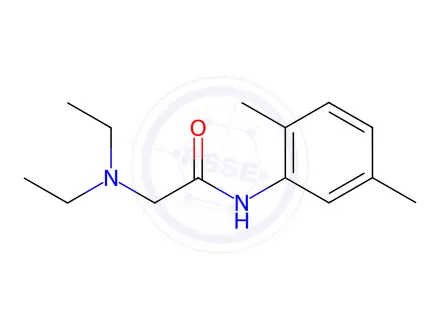
Lidocaine EP Impurity J
IN STOCKRS-L008041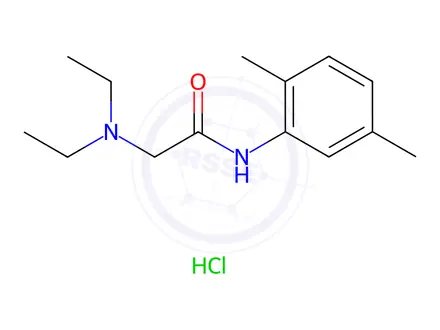
Lidocaine EP Impurity J(Hydrochloride)
IN STOCKRS-L008001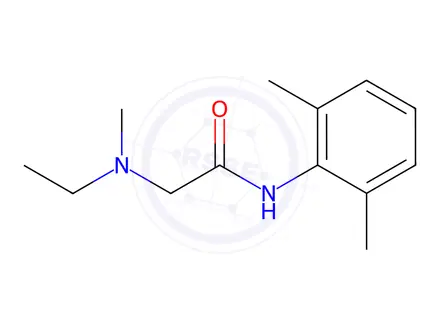
Lidocaine EP Impurity K
CUSTOM SYNTHESISRS-L008036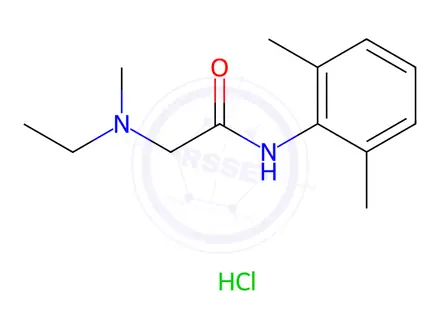
Lidocaine EP Impurity K(Hydrochloride)
IN STOCKRS-L008032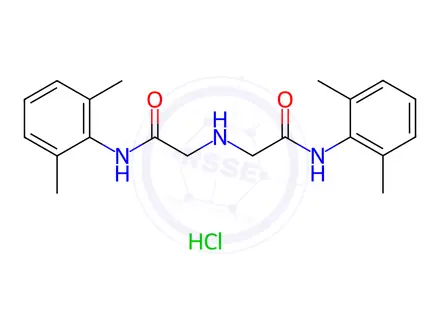
Lidocaine-Impurity E
IN STOCKRS-L008008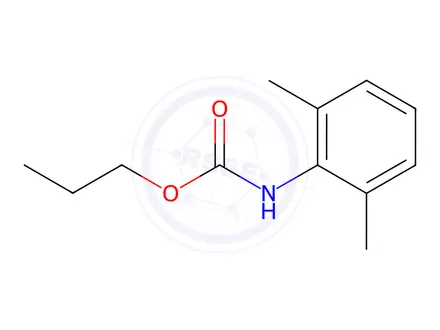
(2,6-Dimethylphenyl)carbamic Acid Propyl Ester
IN STOCKRS-I097802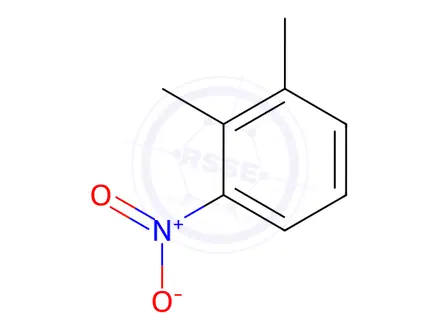
1,2-Dimethyl-3-nitrobenzene
IN STOCKRS-I010116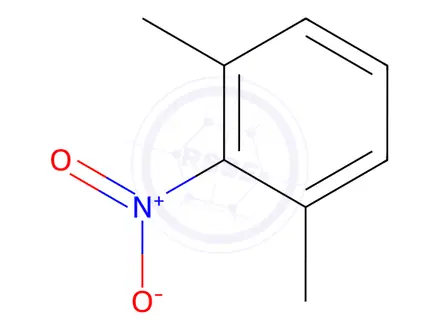
1,3-dimethyl-2-nitrobenzene
IN STOCKRS-U004671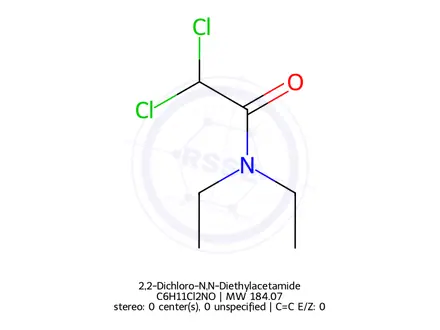
2,2-Dichloro-N,N-Diethylacetamide
IN STOCKRS-U211NU9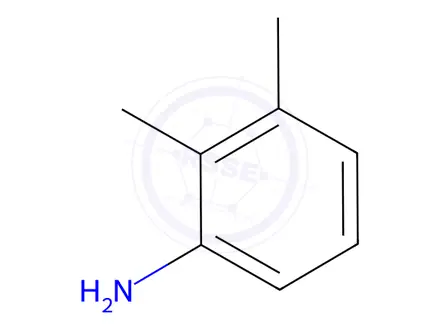
2,3-Dimethylaniline
IN STOCKRS-U051323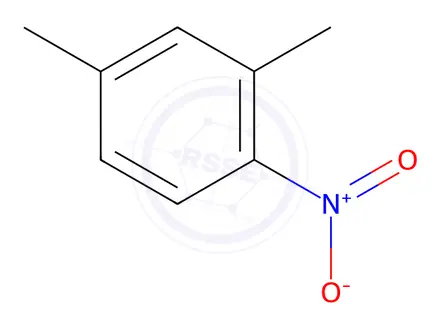
2,4-Dimethyl-1-nitrobenzene
IN STOCKRS-U051329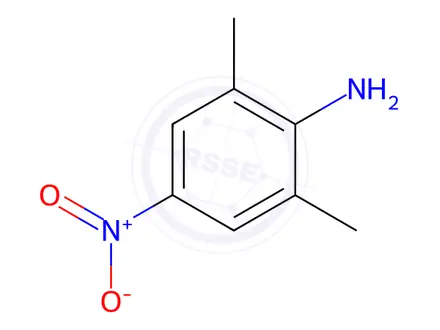
2,6-Dimethyl-4-nitroaniline
IN STOCKRS-U069146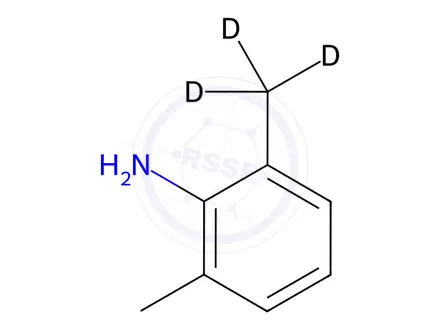
2,6-Dimethylaniline (2-methyl-d3)
IN STOCKRS-I097764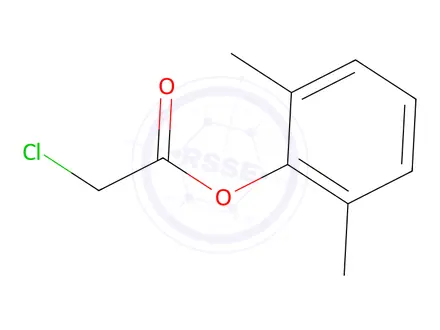
2,6-Dimethylphenyl 2-chloroacetate
IN STOCKRS-U069109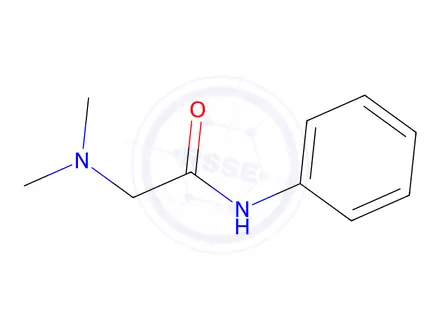
2-(Dimethylamino)acetanilide
IN STOCKRS-Z003X1U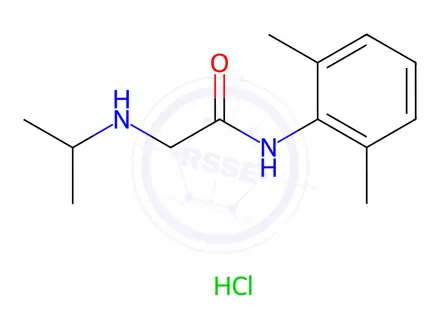
2-(Isopropylamino)-2',6'-acetoxylidide Hydrochloride
IN STOCKRS-U011262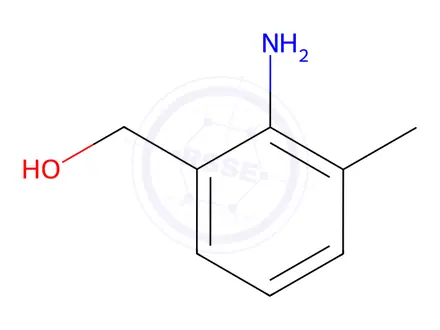
2-Amino-3-methylbenzyl alcohol
CUSTOM SYNTHESISRS-U056831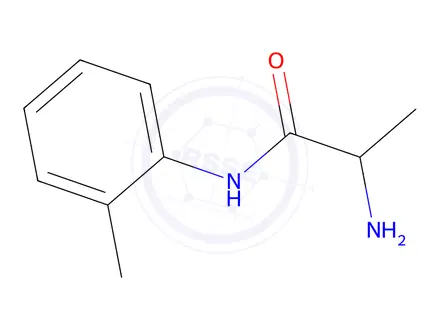
2-amino-N-(o-tolyl)propanamide
IN STOCKRS-L008073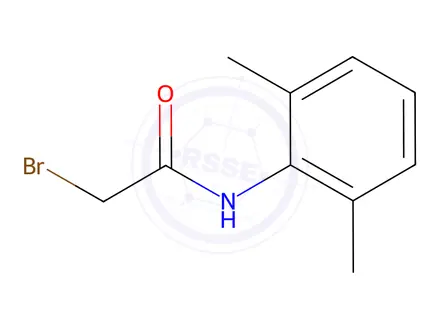
2-Bromo-N-(2,6-dimethylphenyl)acetamide
IN STOCKRS-P003662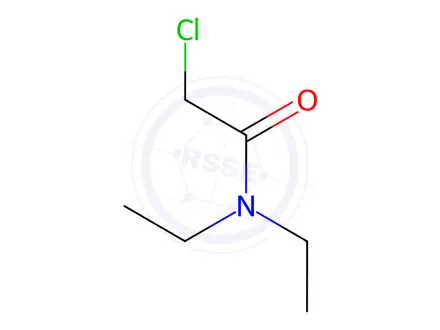
2-Chloro-N,N-diethylacetamide
IN STOCKRS-U071111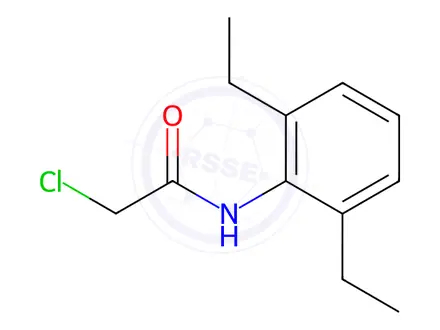
2-Chloro-N-(2,6-diethylphenyl)acetamide
IN STOCKRS-U071189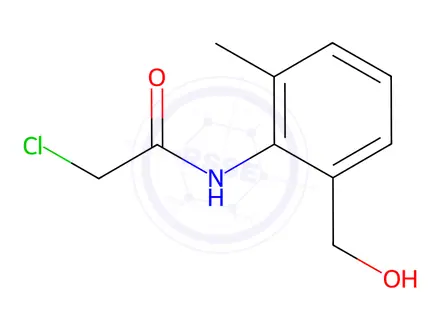
2-chloro-N-(2-(hydroxymethyl)-6-methylphenyl)acetamide
CUSTOM SYNTHESISRS-U071868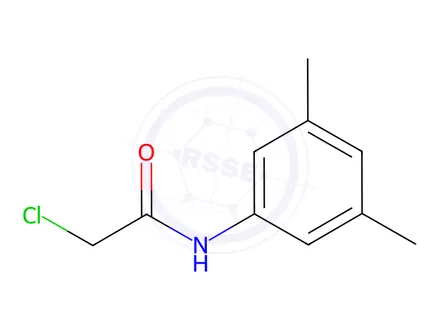
2-Chloro-N-(3,5-Dimethylphenyl)Acetamide
CUSTOM SYNTHESISRS-U211M4I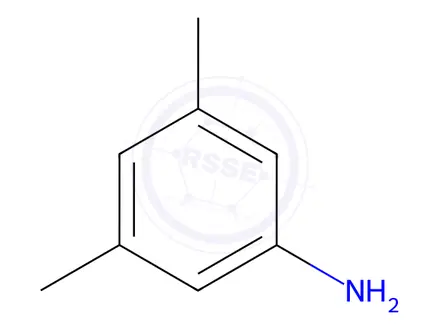
3,5-dimethylaniline
IN STOCKRS-U068026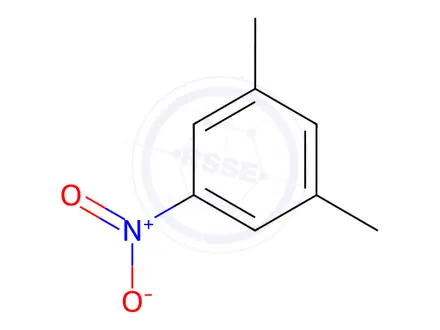
3,5-Dimethylnitrobenzene
IN STOCKRS-U068938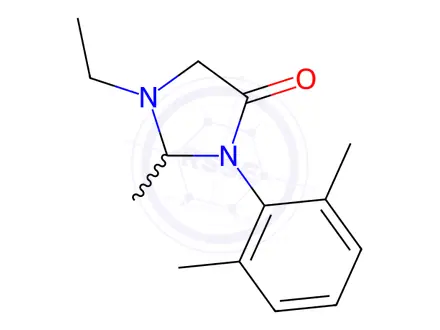
3-(2,6-Dimethylphenyl)-1-ethyl-2-methylimidazolidin-4-one
CUSTOM SYNTHESISRS-P006901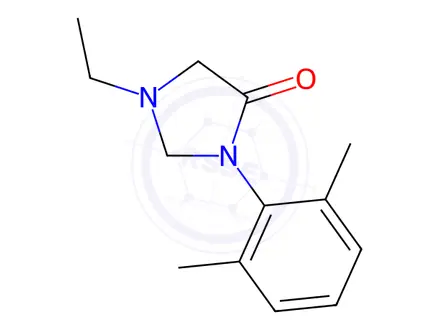
3-(2,6-Dimethylphenyl)-1-ethylimidazolidin-4-one
IN STOCKRS-P006949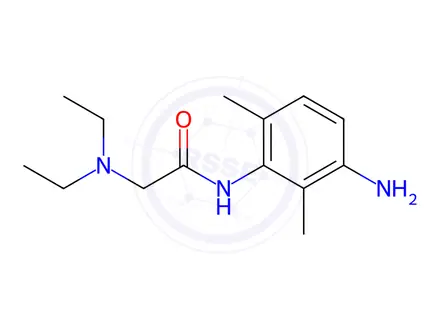
3-Amino Lidocaine
IN STOCKRS-L008044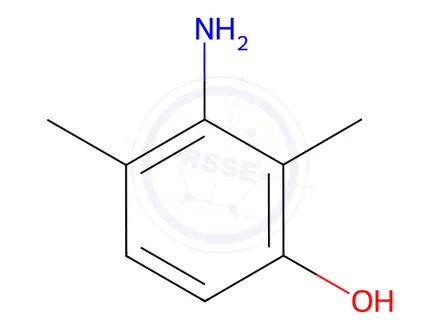
3-Amino-2,4-Dimethylphenol
CUSTOM SYNTHESISRS-D003156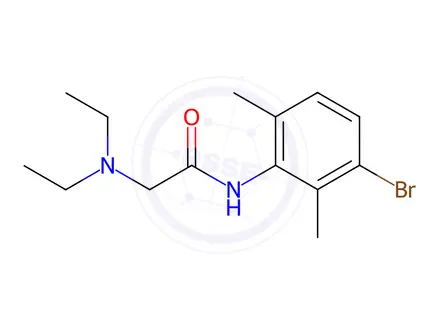
3-Bromo Lidocaine
IN STOCKRS-L008052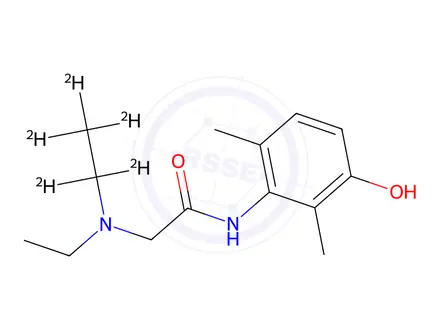
3-Hydroxy Lidocaine-d5
CUSTOM SYNTHESISRS-L008009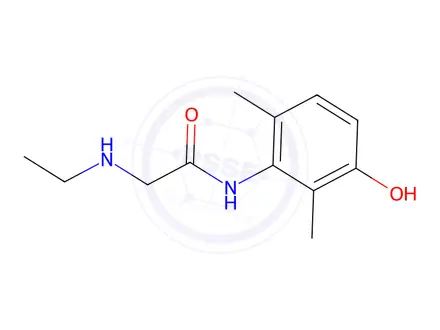
3-Hydroxy-N-desethyl Lidocaine
IN STOCKRS-Z401I6I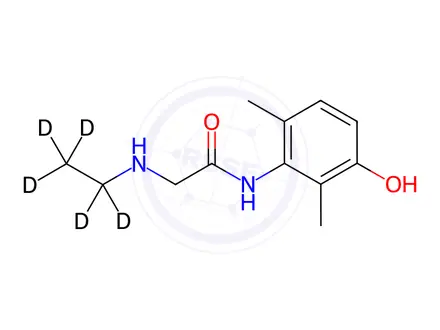
3-Hydroxy-N-desethyl Lidocaine-d5
CUSTOM SYNTHESISRS-L008010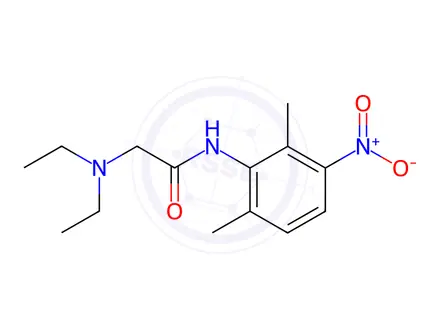
3-Nitro Lidocaine
IN STOCKRS-L008029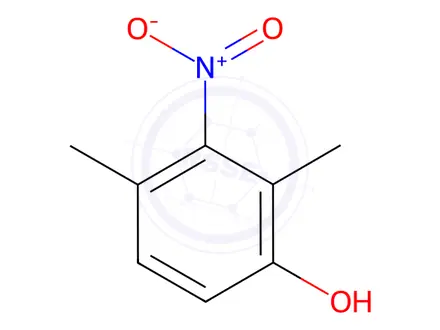
3-Nitro-2,4-Dimethylphenol
IN STOCKRS-P025162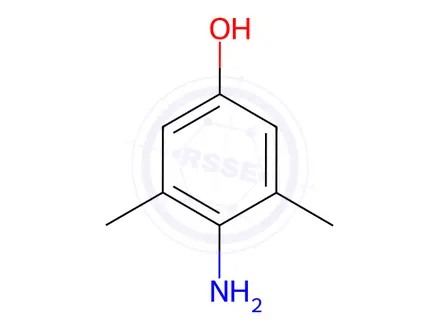
4-Amino-3,5-Xylenol
CUSTOM SYNTHESISRS-U211MQF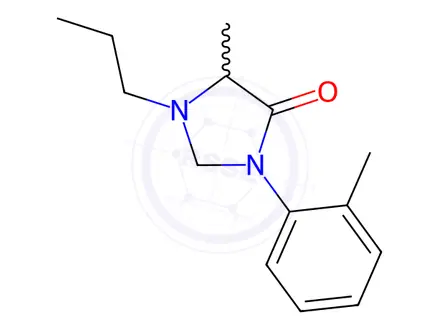
5-Methyl-1-propyl-3-(o-tolyl)imidazolidin-4-one
IN STOCKRS-P011A0I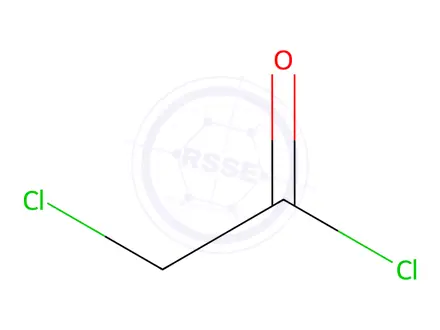
Chloroacetyl chloride
IN STOCKRS-C003105
diethyl-[(2-ethylphenyl)carbamoylmethyl]azanium chloride
CUSTOM SYNTHESISRS-U077515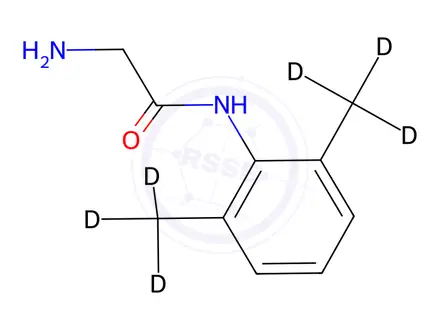
Glycinexylidide-d6
IN STOCKRS-I117014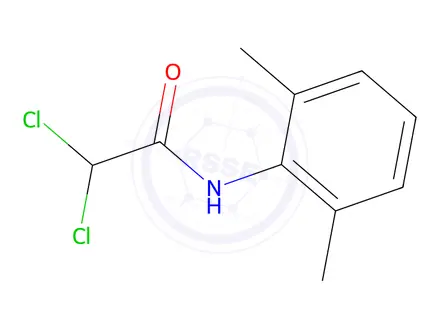
Lidocaine Dichloro Impurity
IN STOCKRS-L008026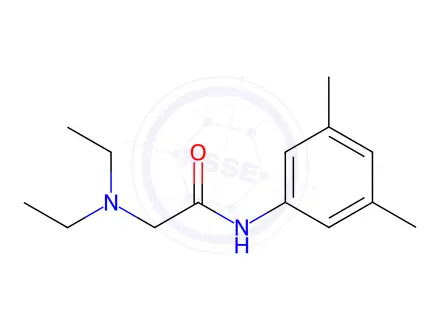
Lidocaine Impurity L0635
IN STOCKRS-L008007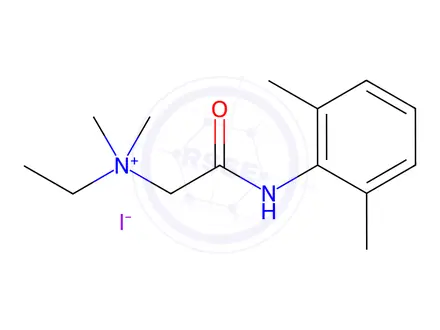
Lidocaine methiodide
CUSTOM SYNTHESISRS-Z002CCE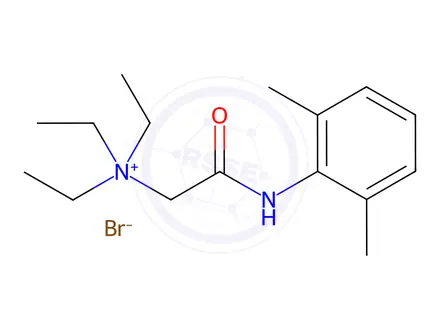
Lidocaine N-Ethyl Bromide
CUSTOM SYNTHESISRS-U017773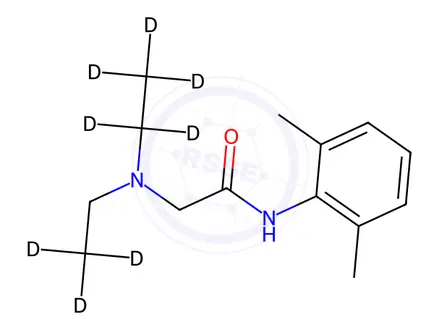
Lidocaine-D10
CUSTOM SYNTHESISRS-L008046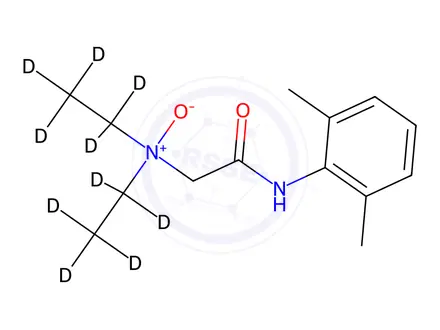
Lidocaine-d10 N-Oxide
IN STOCKRS-I107209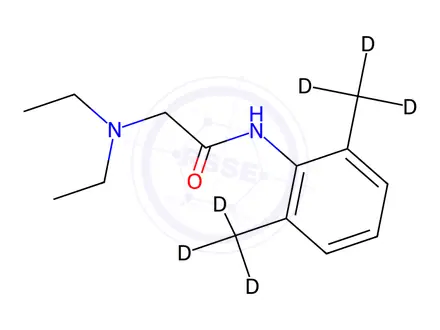
Lidocaine-D6
IN STOCKRS-L008049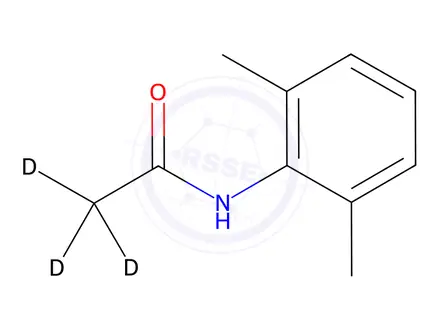
N-(2,6-Dimethylphenyl)acetamide-d3
CUSTOM SYNTHESISRS-I091186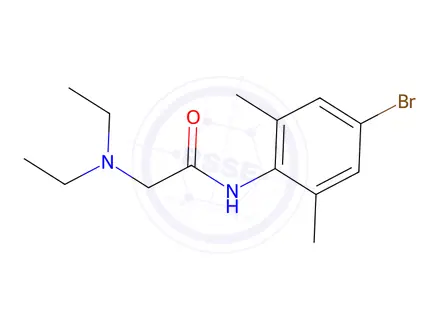
N-(4-Bromo-2,6-dimethylphenyl)-2-(diethylamino)acetamide
IN STOCKRS-Z401D1O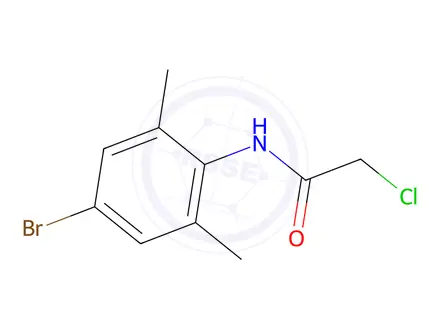
N-(4-bromo-2,6-dimethylphenyl)-2-chloroacetamide
IN STOCKRS-Z401D1L
N-[2,6-bis(trideuteriomethyl)phenyl]-2-(ethylamino)acetamide
CUSTOM SYNTHESISRS-Z400N6C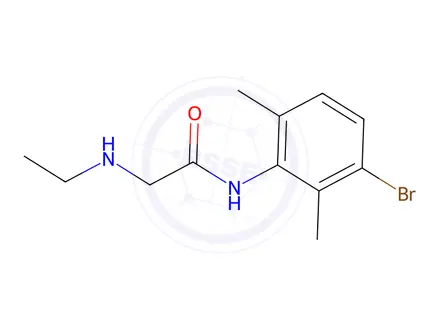
N-Desethyl 3-Bromo Lidocaine
IN STOCKRS-Z400PC5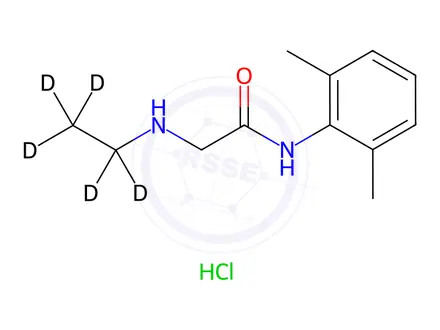
Nor Lidocaine-d5 Hydrochloride
IN STOCKRS-L008011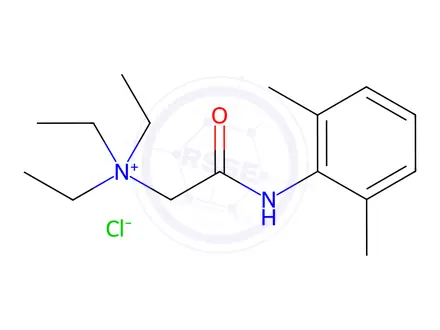
QX 314 Chloride
IN STOCKRS-U022052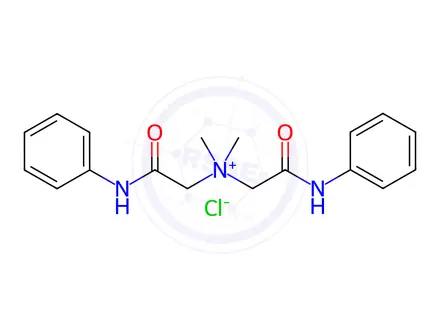
QX 572-d6
IN STOCKRS-I128011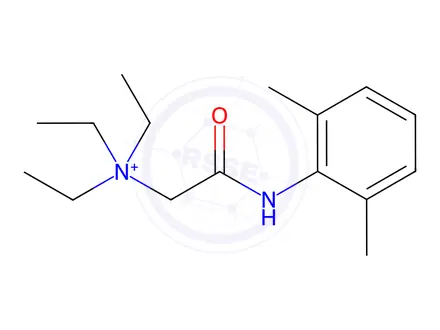
QX-314
BACK ORDERRS-U022038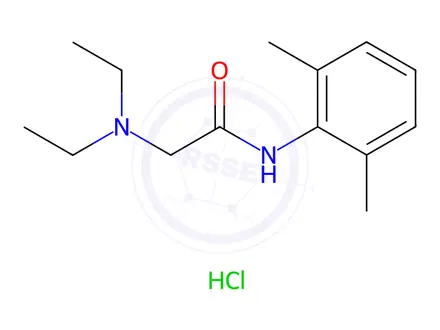
Lidocaine Impurity 2
IN STOCKRS-L008034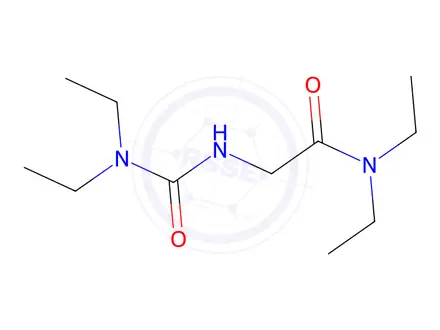
Lidocaine Impurity 2 (1596965-85-3)
IN STOCKRS-L008048Lidocaine Impurity 3
IN STOCKRS-Z412T11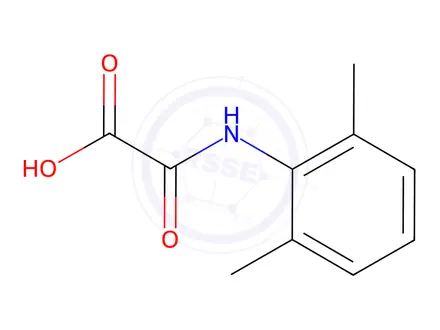
Lidocaine Impurity 6
IN STOCKRS-L008021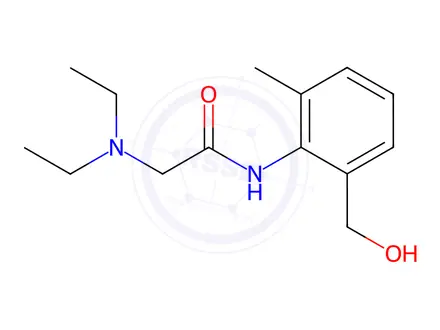
Lidocaine Impurity 6 (64585-18-8)
IN STOCKRS-L008051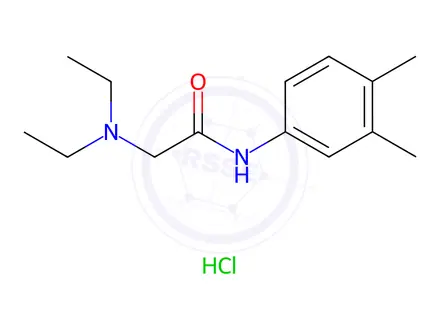
Lidocaine Impurity 6 HCl
IN STOCKRS-L008039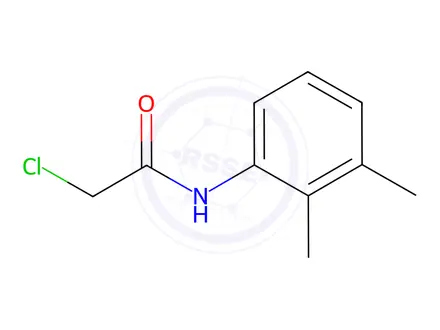
Lidocaine Impurity 14
IN STOCKRS-L070001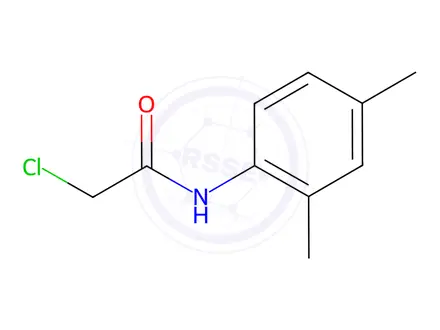
Lidocaine Impurity 18
CUSTOM SYNTHESISRS-L008027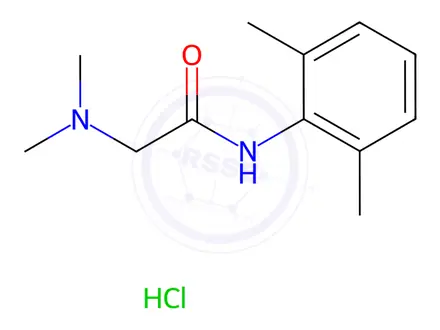
Lidocaine Impurity 26
IN STOCKRS-L008023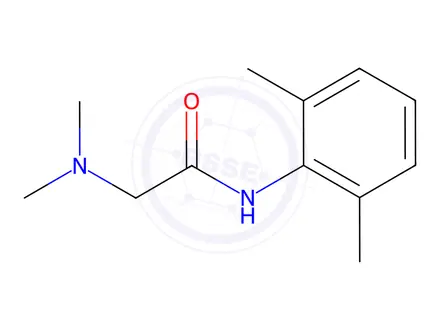
Lidocaine Impurity 27
IN STOCKRS-L008018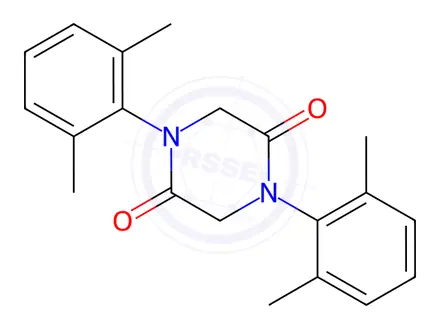
Lidocaine Impurity 28
IN STOCKRS-L008033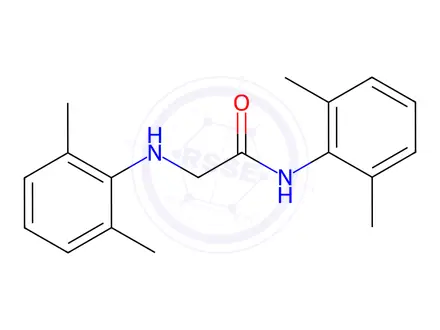
Lidocaine Impurity 29
IN STOCKRS-L008022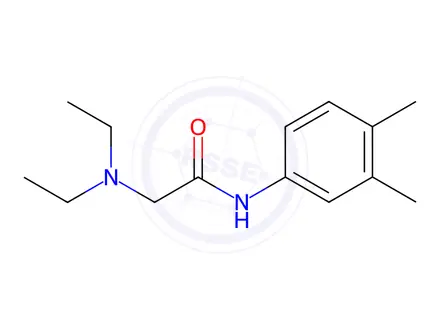
Lidocaine Impurity 32
CUSTOM SYNTHESISRS-L008006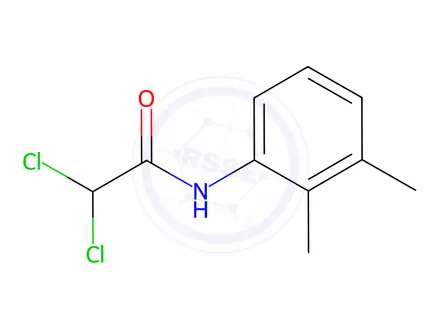
Lidocaine Impurity 33
IN STOCKRS-L008015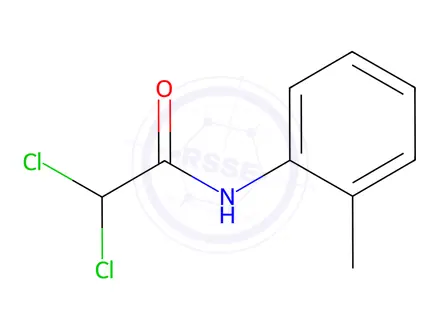
Lidocaine Impurity 34
CUSTOM SYNTHESISRS-L008013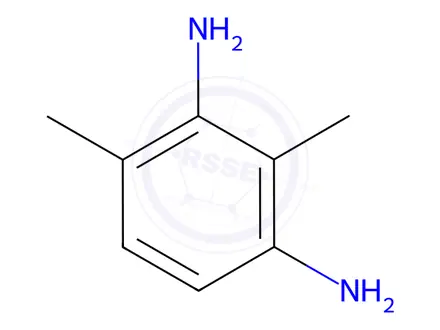
Lidocaine Impurity 35
IN STOCKRS-L008003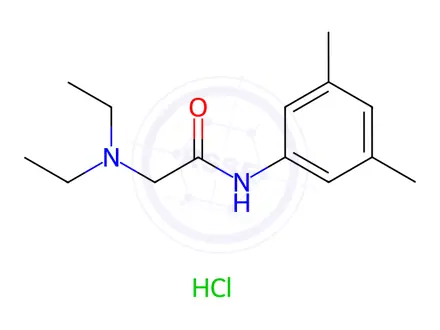
Lidocaine Impurity 39
IN STOCKRS-L008047Lidocaine Impurity 44
IN STOCKRS-I001524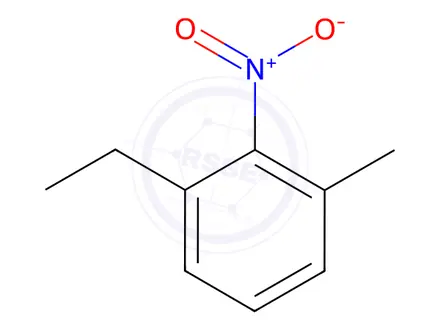
Lidocaine Impurity 47
CUSTOM SYNTHESISRS-L008050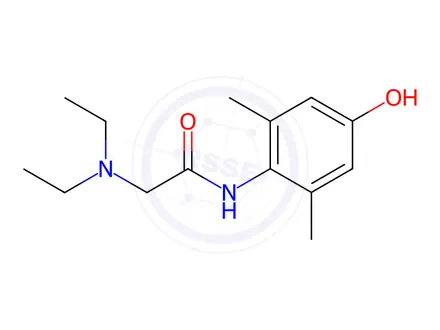
Lidocaine Impurity 52
IN STOCKRS-L008028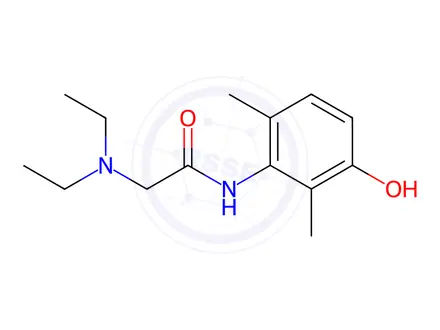
Lidocaine Impurity 53
IN STOCKRS-L008024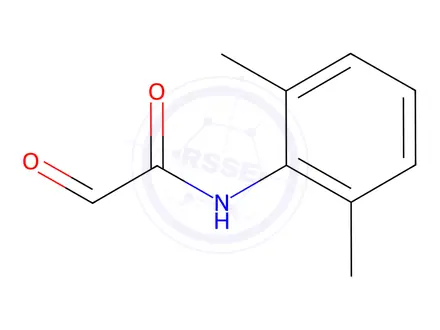
Lidocaine Impurity 56
IN STOCKRS-L008017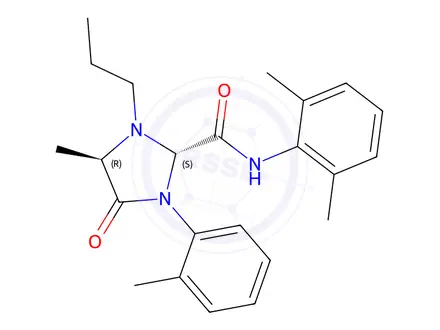
Lidocaine Impurity 74
IN STOCKRS-I001APB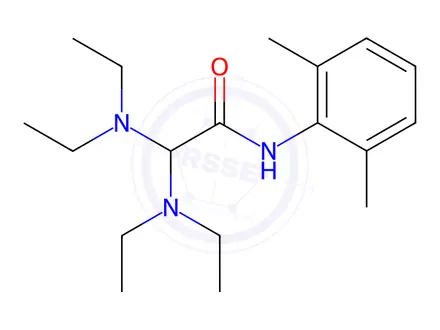
Lidocaine Impurity 77
IN STOCKRS-L008055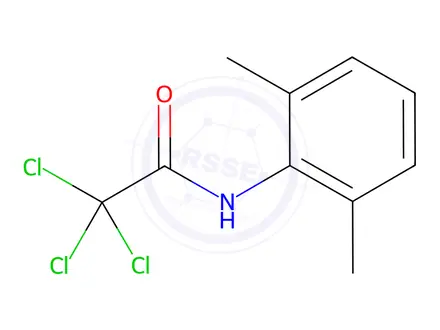
Lidocaine Impurity 82
IN STOCKRS-U211OYW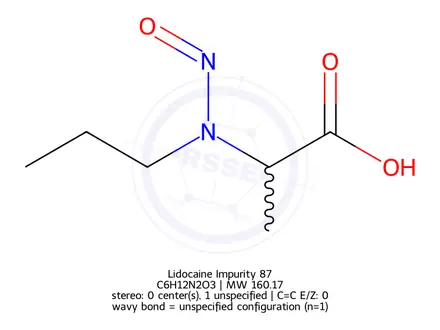
Lidocaine Impurity 87
IN STOCKRS-L008045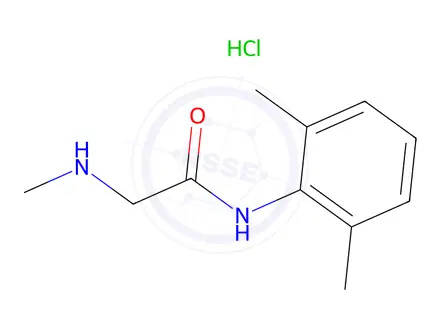
Lidocaine Impurity 88
IN STOCKRS-L008025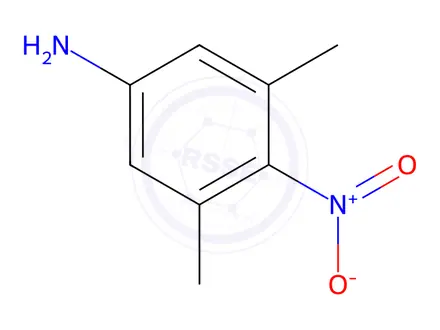
Lidocaine Impurity 89
IN STOCKRS-L008043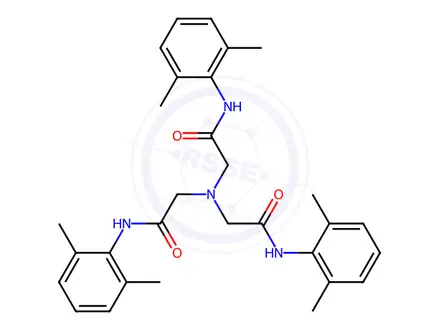
Lidocaine Impurity 99
BACK ORDERRS-L008004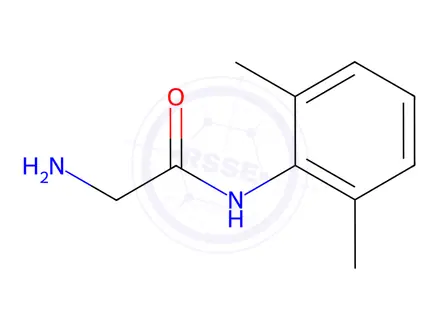
Lidocaine Impurity 100
IN STOCKRS-L008016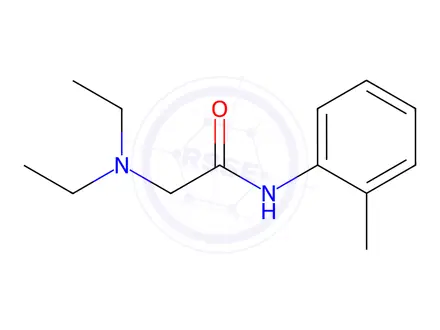
Lidocaine Impurity 102
IN STOCKRS-L008042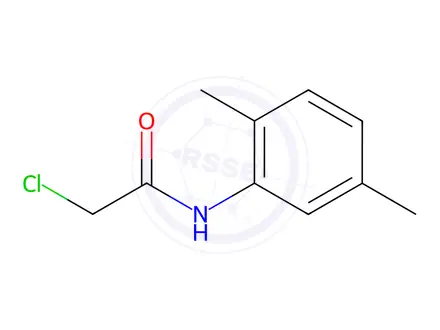
Lidocaine Impurity 115
CUSTOM SYNTHESISRS-L070003
102 reference standards
Further entries held for Lidocaine
76 entries are held in the catalogue without a structure drawing. Each carries a catalogue number and, where one has been assigned, a CAS number; packing, documentation and price are quoted on enquiry.
- 2-(Diethylamino)-N-(2,4-dimethylphenyl)acetamide-d10 Hydrochloride
- Lidocaine D6 Hydrochloride
- Lidocaine Dimer N-Oxide
- Lidocaine EP Impurity A (Bupivacaine EP Impurity F, Ropivacaine EP Impurity H)
- Lidocaine EP Impurity A HCl (Bupivacaine EP Impurity F HCl, Ropivacaine EP Impurity H HCl, Ropivacaine USP Related Compound A)
- Lidocaine EP Impurity A-d6 HCl (Bupivacaine EP Impurity F-d6 HCl, Ropivacaine EP Impurity H-d6 HCl, Ropivacaine USP Related Compound A-d6)
- Lidocaine EP Impurity D-d5
- Lidocaine EP Impurity D-d6
- Lidocaine EP Impurity D-d6 HCl
- lidocaine hydrochloride (214RB)
- Lidocaine hydrochloride (ICRS0338)
- Lidocaine hydrochloride (L0600000)
- Lidocaine Impurities and Related Compound
- Lidocaine Impurity 1
- Lidocaine Impurity 1 (2-(Diethylamino)-N-(Diethylaminoyl)acetamide)
- Lidocaine Impurity 103
- Lidocaine Impurity 104
- Lidocaine Impurity 105
- Lidocaine Impurity 106
- Lidocaine Impurity 107
- Lidocaine Impurity 108
- Lidocaine Impurity 109
- Lidocaine Impurity 110
- Lidocaine Impurity 111
- Lidocaine Impurity 112
- Lidocaine Impurity 113
- Lidocaine Impurity 114
- Lidocaine Impurity 116
- Lidocaine Impurity 12
- Lidocaine Impurity 13
- Lidocaine Impurity 15
- Lidocaine Impurity 16
- Lidocaine Impurity 20
- Lidocaine Impurity 22
- Lidocaine Impurity 24
- Lidocaine Impurity 25
- Lidocaine Impurity 3 (2HCl Salt)
- Lidocaine Impurity 3 DiHCl
- Lidocaine Impurity 3 HCl
- Lidocaine Impurity 36
- Lidocaine Impurity 36(Hydrochloride)
- Lidocaine Impurity 42
- Lidocaine Impurity 43
- Lidocaine Impurity 43
- Lidocaine Impurity 48
- Lidocaine Impurity 5
- Lidocaine Impurity 5-d6
- Lidocaine Impurity 50
- Lidocaine Impurity 51
- Lidocaine Impurity 54
- Lidocaine Impurity 57
- Lidocaine Impurity 57
- Lidocaine Impurity 62
- Lidocaine Impurity 67
- Lidocaine Impurity 68
- Lidocaine Impurity 69
- Lidocaine Impurity 7
- Lidocaine Impurity 7 HCl
- Lidocaine Impurity 73
- Lidocaine Impurity 76
- Lidocaine Impurity 78
- Lidocaine Impurity 79
- Lidocaine Impurity 79
- Lidocaine Impurity 8
- Lidocaine Impurity 9
- Lidocaine Impurity 91
- Lidocaine Impurity 92
- Lidocaine Impurity 93
- Lidocaine Impurity 94
- Lidocaine Impurity 95
- Lidocaine Impurity 96
- Lidocaine Impurity 97
- Lidocaine Impurity 98
- Lidocaine Impurity D(EP)(trifluoroacetate)
- Lidocaine Impurity L0626
- Nor Lidocaine-d6 Hydrochloride
Frequently asked
How many Lidocaine-related reference standards do you hold?
Can you supply a Lidocaine impurity that is not listed here?
What documentation is supplied with Lidocaine impurities?
Do you publish prices or a lead time for Lidocaine impurities?
Cannot find the impurity you need? Non-compendial impurities can be quoted from a structure — a CAS number is not required. Write to sales@rssechem.com.