Pitolisant impurities and related standards
Weigh out Pitolisant and the numbers are C17H26ClNO and 295.9; the groups are a tertiary amine and an ether oxygen on two rings, one aromatic. 20 heavy atoms, 1 nitrogen and 1 oxygen put the polar surface area at 12.5, with a calculated logP of 4.17.
The tertiary nitrogen oxidises to the N-oxide and dealkylates under peroxide stress; the N-oxide loses most of its retention in one step. The halogen does not degrade on its own, but it opens an elimination route under heat that changes the ring system. Whoever writes the specification has to name which family each peak belongs to, because the control strategy differs for each.
The ring supplies the only chromophore in the molecule, so any degradant that opens or saturates it drops out of the UV trace. For an isomer pair the ultraviolet spectra superimpose, which leaves MS as the only orthogonal evidence and the only way to assign which peak is which. A polar surface area of 12.5 means lipophilicity dominates, and the compound sits late in the gradient with its close analogues.
Small lots for method work and larger ones for qualification are both supplied, and every lot is documented by a CoA, an HPLC trace and a mass spectrum rather than a catalogue figure.
67 reference standards related to Pitolisant held in the RSSE catalogue — pharmacopoeial impurities, non-compendial impurities, metabolites and labelled analogues where available.
In this group: 42 impurity reference standards · 16 fine chemicals · 3 general reference standards · 2 drug metabolite standards. CAS numbers are listed for 67 of 67; 67 entries carry a structure drawing.
On this page
67 reference standards
All entries — structure, identifiers and pack sizes
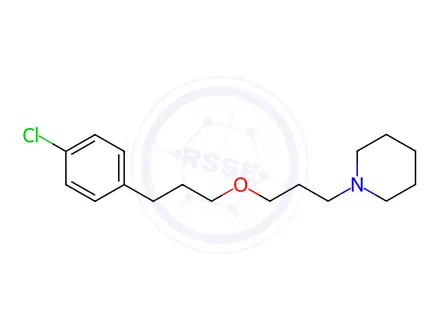
Pitolisant
IN STOCKRS-U041273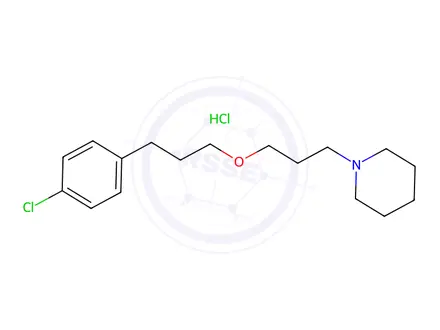
Pitolisant Hydrochloride
IN STOCKRS-Z401LYR
1,1'-(Oxybis(propane-3,1-diyl))dipiperidine
IN STOCKRS-D113010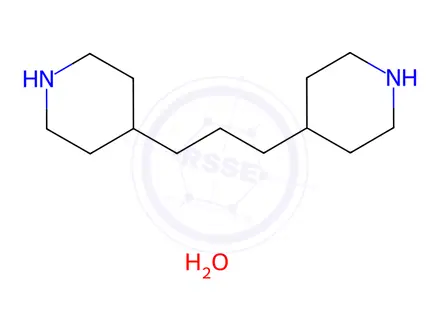
1,3-Di(piperidin-1-yl)propane
IN STOCKRS-P124001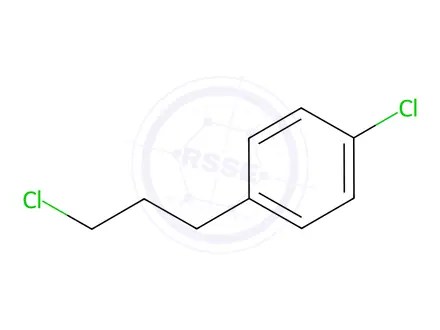
1-Chloro-4-(3-chloropropyl)benzene
IN STOCKRS-U211OQG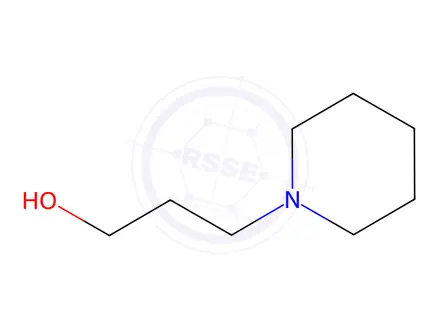
1-Piperidinepropanol
IN STOCKRS-P017007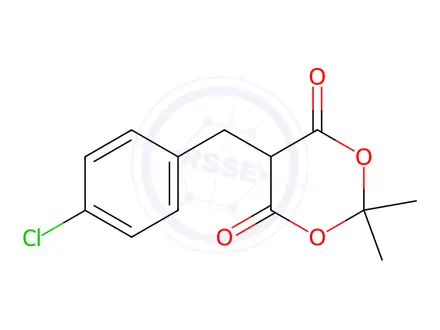
2,2-Dimethyl-5-(4-chlorobenzyl)-1,3-dioxane-4,6-dione
CUSTOM SYNTHESISRS-U211OWY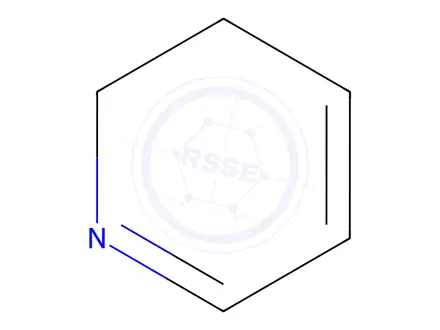
2,3-dihydropyridine
IN STOCKRS-U211ORK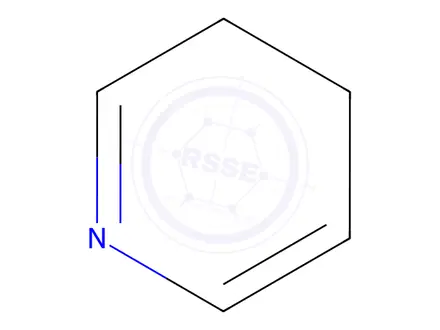
3,4-dihydropyridine
IN STOCKRS-U069301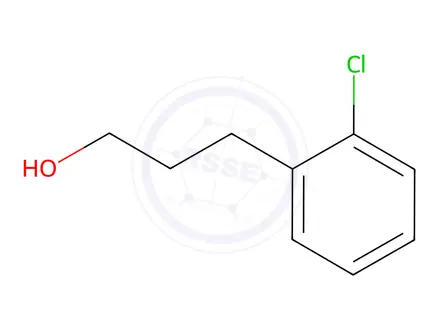
3-(2-Chlorophenyl)propan-1-ol
IN STOCKRS-U211NFJ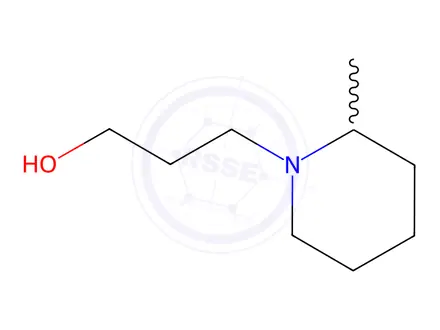
3-(2-Methylpiperidin-1-yl)propan-1-ol
CUSTOM SYNTHESISRS-P124029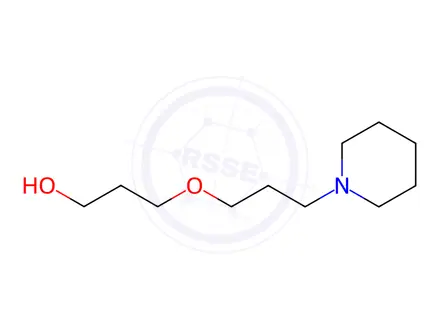
3-(3-(Piperidin-1-yl)propoxy)propan-1-ol
CUSTOM SYNTHESISRS-U052040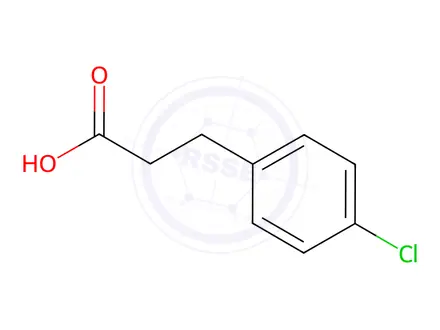
3-(4-Chloro-phenyl)-propionic acid
CUSTOM SYNTHESISRS-P001383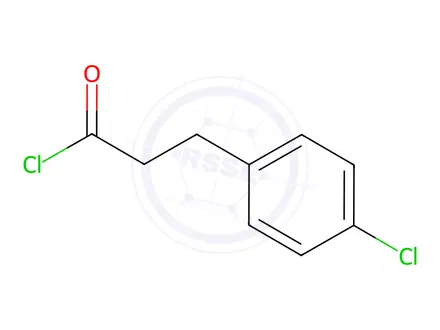
3-(4-chlorophenyl)propanoyl chloride
CUSTOM SYNTHESISRS-U060659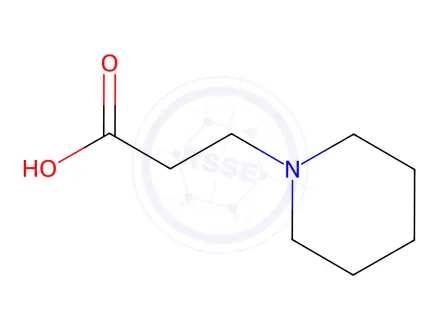
3-(Piperidin-1-yl)propanoic Acid
IN STOCKRS-D126034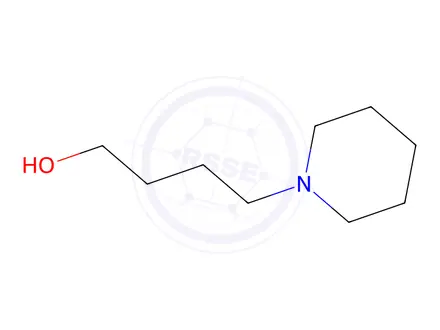
4-(1-Piperidyl)-1-butanol
IN STOCKRS-Z401IUA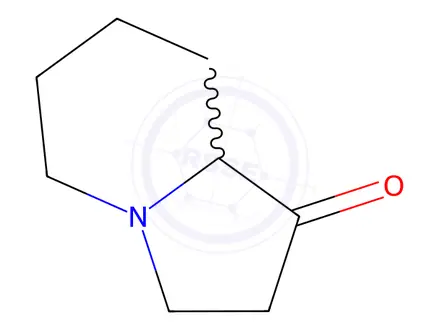
Hexahydroindolizin-1(5H)-one
CUSTOM SYNTHESISRS-U066489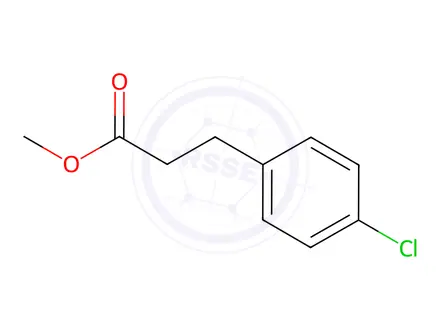
Methyl 3-(4-Chlorophenyl)propanoate
BACK ORDERRS-U082757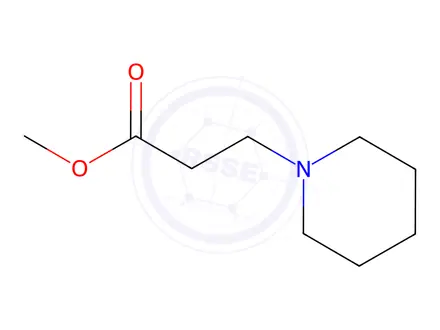
methyl 3-piperidin-1-ylpropanoate
CUSTOM SYNTHESISRS-U211MHN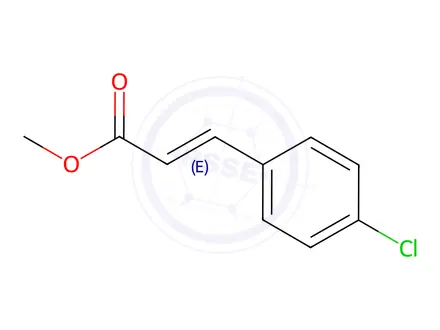
Methyl 4-Chlorocinnamate
IN STOCKRS-U211NMR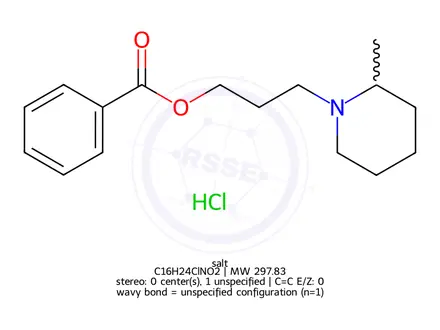
piperocaine hydrochloride
IN STOCKRS-U041221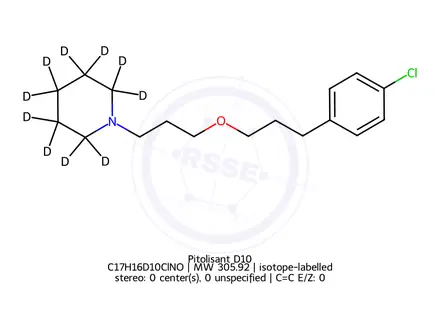
Pitolisant D10
IN STOCKRS-P124018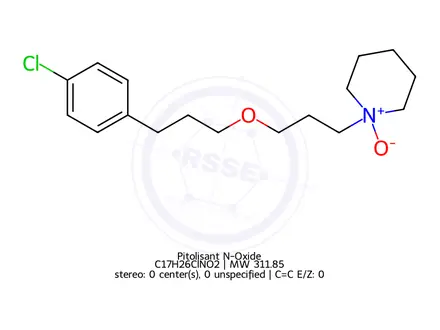
Pitolisant N-Oxide
CUSTOM SYNTHESISRS-U205PC0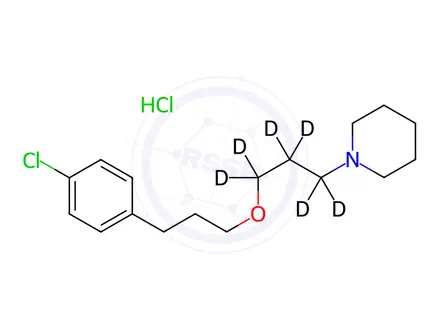
Pitolisant-D6 HCl
IN STOCKRS-I003748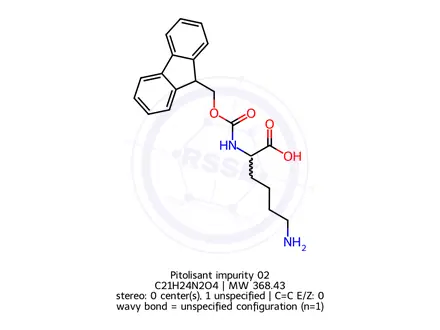
Pitolisant Impurity 02
IN STOCKRS-P124039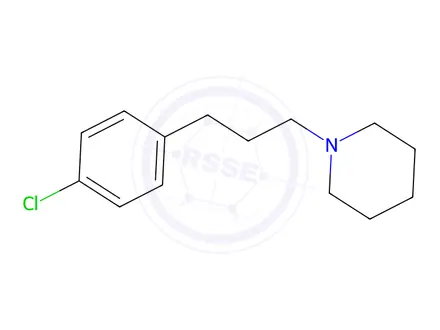
Pitolisant impurity 10
CUSTOM SYNTHESISRS-I001BPX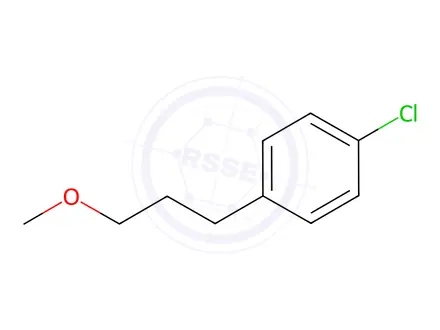
Pitolisant Impurity 12
CUSTOM SYNTHESISRS-P124031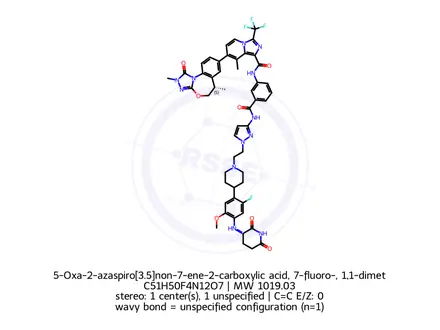
Pitolisant Impurity 17
IN STOCKRS-P124016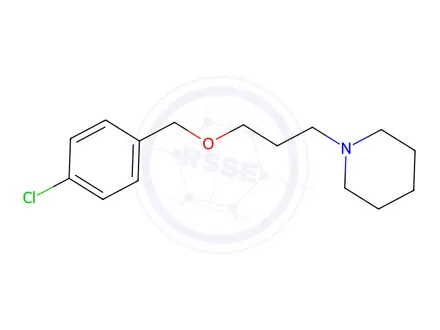
Pitolisant impurity 18
CUSTOM SYNTHESISRS-I001A3C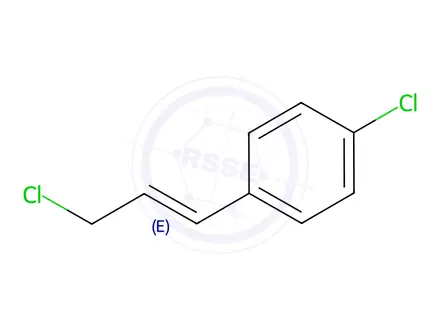
Pitolisant Impurity 18
IN STOCKRS-P124028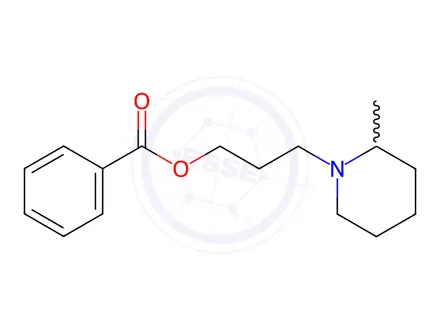
Pitolisant Impurity 18 Monomer (Piperocaine)
IN STOCKRS-P124004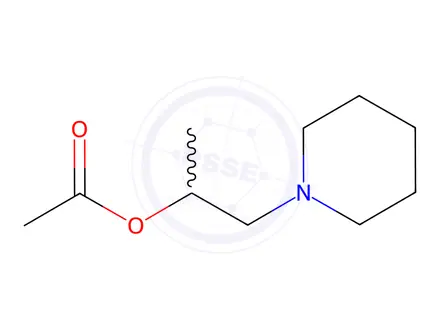
Pitolisant Impurity 19
IN STOCKRS-P124012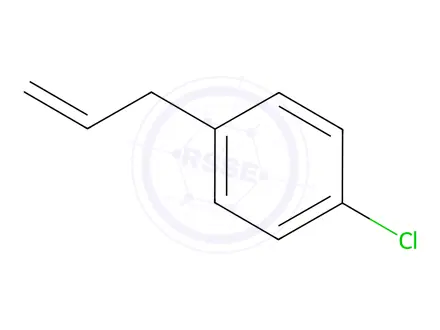
Pitolisant Impurity 24
CUSTOM SYNTHESISRS-P124014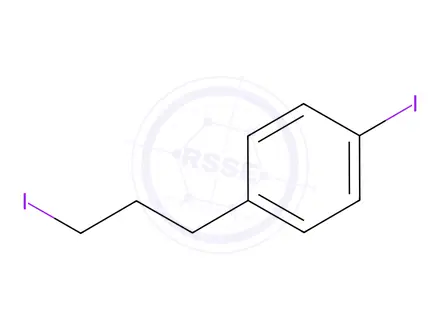
Pitolisant Impurity 29
IN STOCKRS-P124024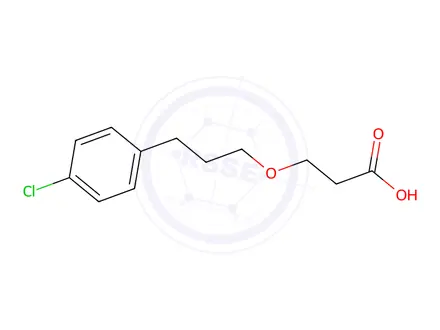
Pitolisant impurity 30
IN STOCKRS-I001717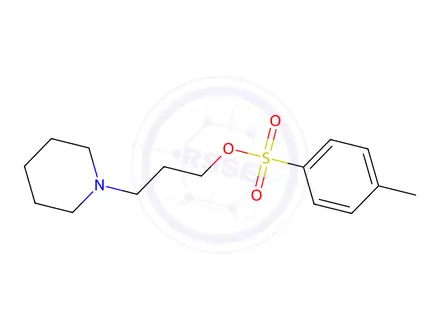
Pitolisant impurity 35
IN STOCKRS-Z401KOD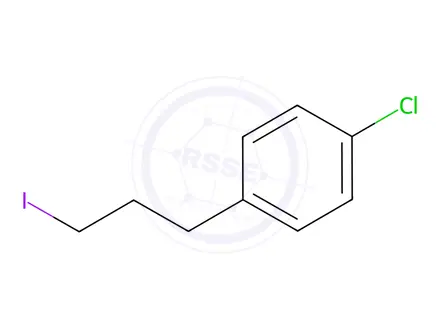
Pitolisant Impurity 39
IN STOCKRS-P124025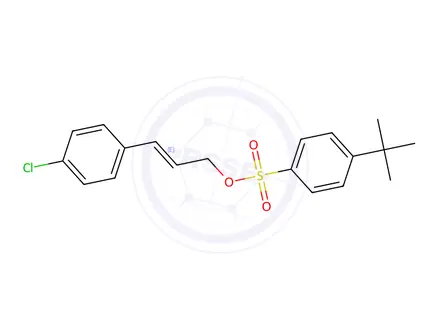
Pitolisant Impurity 42
IN STOCKRS-I001286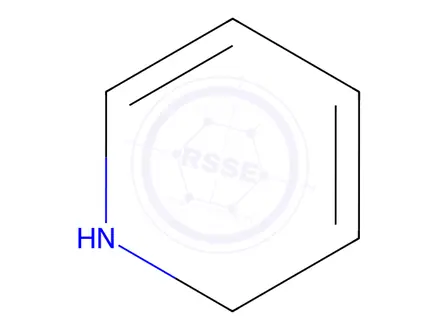
Pitolisant Impurity 45
CUSTOM SYNTHESISRS-U004384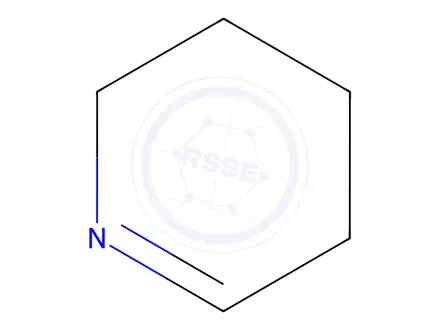
Pitolisant Impurity 48
IN STOCKRS-P124008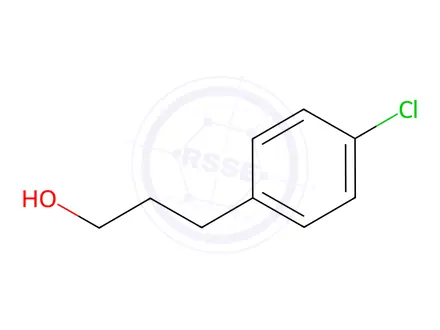
Pitolisant Impurity 49
IN STOCKRS-P124009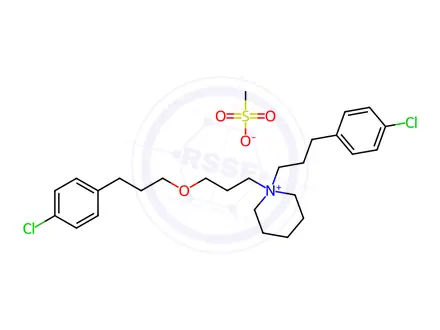
Pitolisant Impurity 50
IN STOCKRS-P124010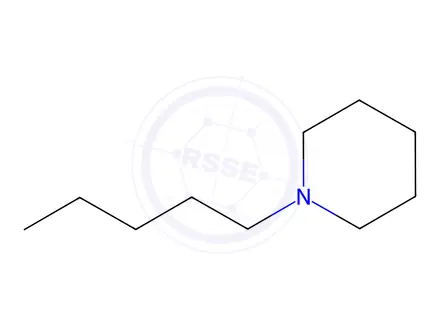
Pitolisant Impurity 51
IN STOCKRS-P124011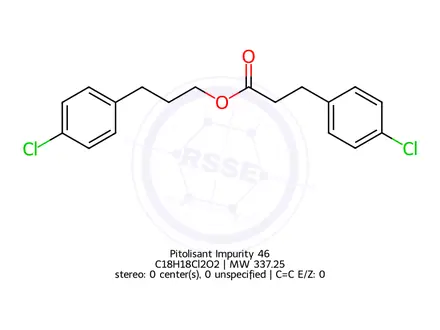
Pitolisant Impurity 52
CUSTOM SYNTHESISRS-P124013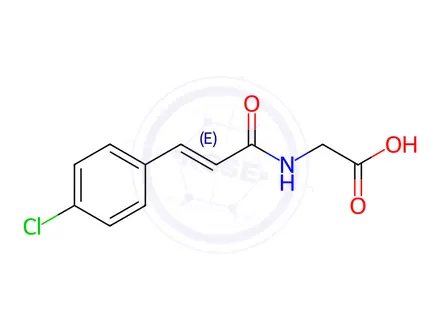
Pitolisant Impurity 53
IN STOCKRS-P124017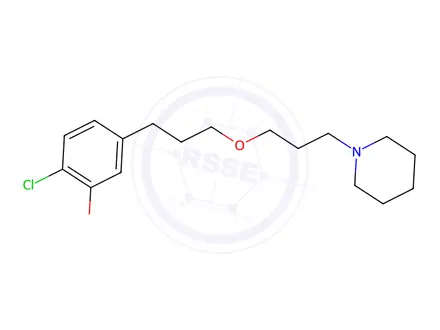
Pitolisant Impurity 54
IN STOCKRS-P124034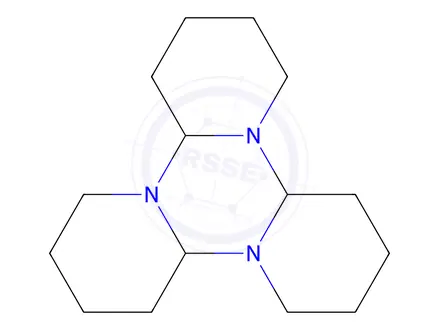
Pitolisant Impurity 56
CUSTOM SYNTHESISRS-P124038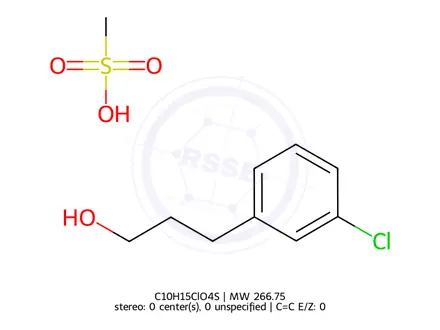
Pitolisant Impurity 57
IN STOCKRS-P124040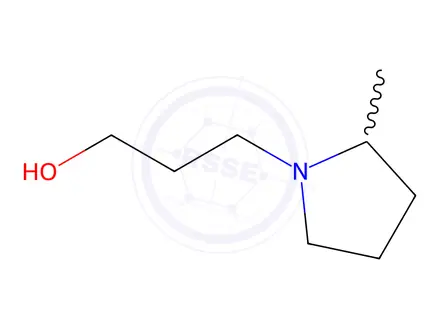
Pitolisant Impurity 58
IN STOCKRS-P124041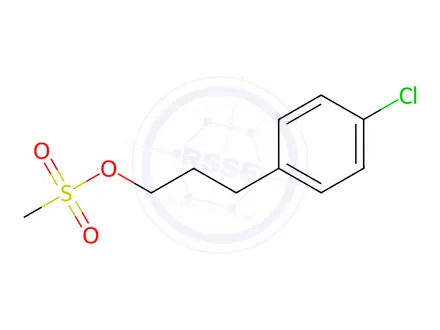
Pitolisant Impurity 62
IN STOCKRS-U006370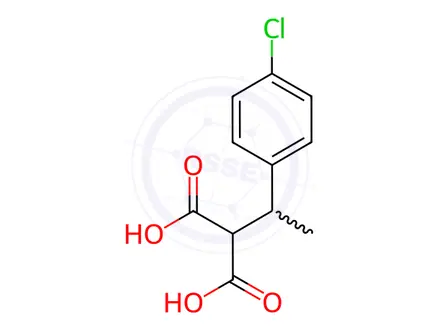
Pitolisant Impurity 63
IN STOCKRS-P124027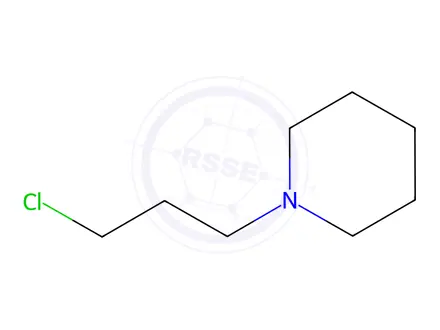
Pitolisant Impurity 65
IN STOCKRS-P001060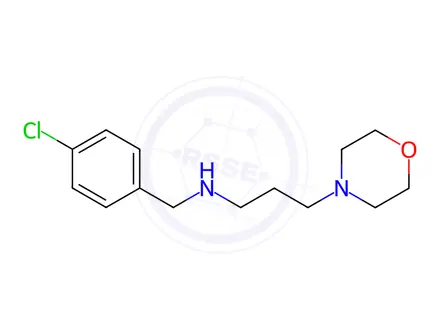
Pitolisant Impurity 66
IN STOCKRS-P124002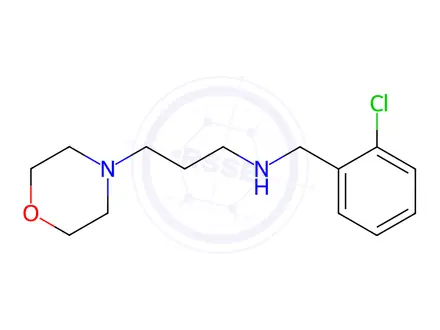
Pitolisant Impurity 67
IN STOCKRS-P124003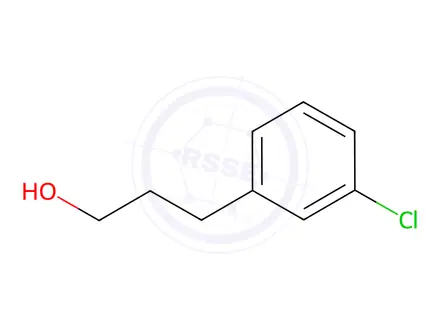
Pitolisant Impurity 68
CUSTOM SYNTHESISRS-P124005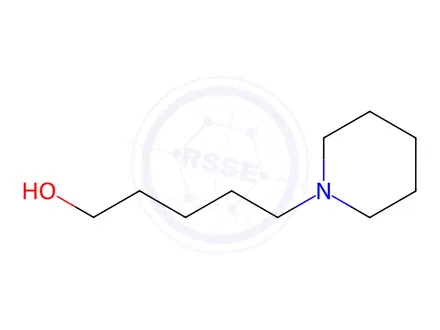
Pitolisant Impurity 69
CUSTOM SYNTHESISRS-P124006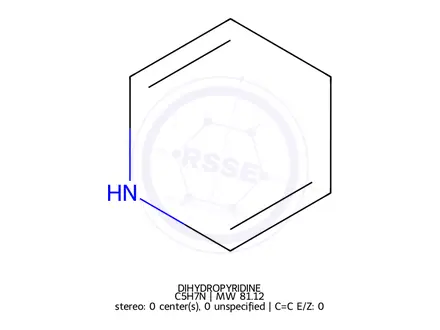
Pitolisant Impurity 70
IN STOCKRS-P124007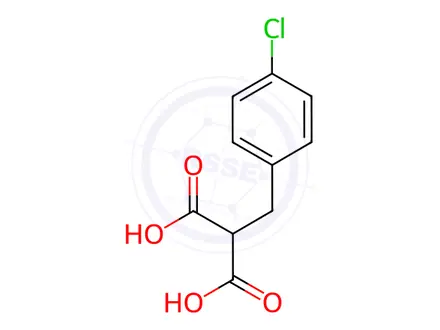
Pitolisant Impurity 71
IN STOCKRS-P124015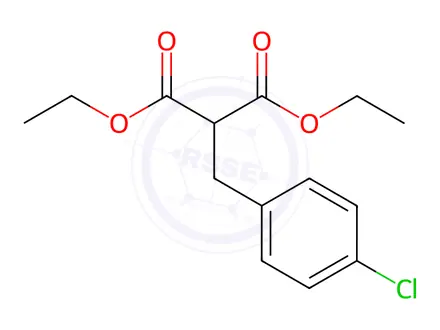
Pitolisant Impurity 73
CUSTOM SYNTHESISRS-P124020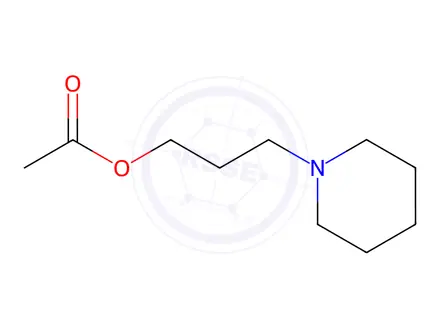
Pitolisant Impurity 74
IN STOCKRS-P124021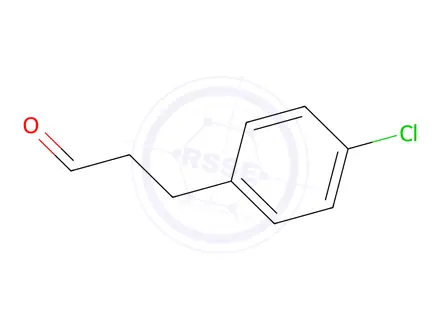
Pitolisant Impurity 75
IN STOCKRS-P124022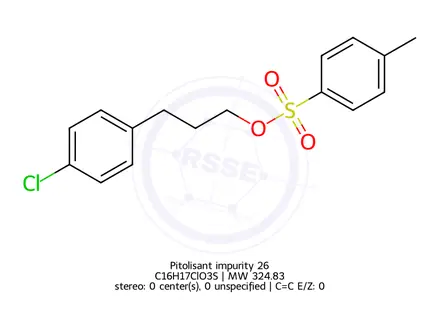
Pitolisant Impurity 76
CUSTOM SYNTHESISRS-P124023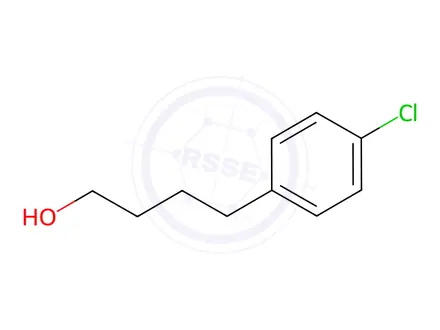
Pitolisant Impurity 77
IN STOCKRS-P124030Pitolisant Impurity 78
IN STOCKRS-P124032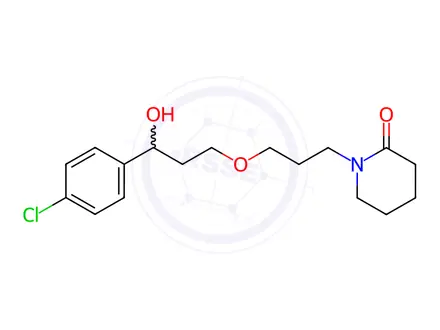
Pitolisant Impurity 79
IN STOCKRS-P124033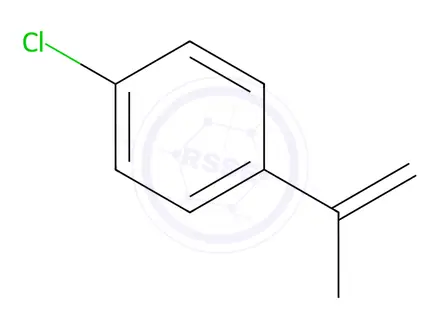
Pitolisant Impurity 80
BACK ORDERRS-P124035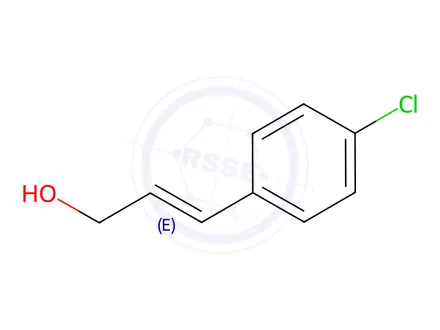
Pitolisant Impurity 104
IN STOCKRS-P124026
67 reference standards
Further entries held for Pitolisant
62 entries are held in the catalogue without a structure drawing. Each carries a catalogue number and, where one has been assigned, a CAS number; packing, documentation and price are quoted on enquiry.
- 1,1-Bis(3-chloropropyl)piperidin-1-ium chloride
- Pitolisant D5 Hydrochloride
- Pitolisant HCl
- Pitolisant Hydrochloride
- Pitolisant Impurity 1
- Pitolisant Impurity 1
- Pitolisant Impurity 100
- Pitolisant Impurity 101
- Pitolisant Impurity 102
- Pitolisant Impurity 103
- Pitolisant Impurity 105
- Pitolisant Impurity 106
- Pitolisant Impurity 13
- Pitolisant Impurity 17
- Pitolisant Impurity 2 HCl
- Pitolisant Impurity 21
- Pitolisant Impurity 21
- Pitolisant Impurity 22
- Pitolisant Impurity 22
- Pitolisant Impurity 23 Monomer
- Pitolisant Impurity 27
- Pitolisant Impurity 3
- Pitolisant Impurity 31
- Pitolisant Impurity 32
- Pitolisant Impurity 33
- Pitolisant Impurity 34
- Pitolisant Impurity 34
- Pitolisant Impurity 36
- Pitolisant Impurity 36
- Pitolisant Impurity 38
- Pitolisant Impurity 42 Hydrochloride
- Pitolisant Impurity 5 Chloride
- Pitolisant Impurity 55
- Pitolisant Impurity 59
- Pitolisant Impurity 60
- Pitolisant Impurity 61
- Pitolisant Impurity 64
- Pitolisant Impurity 7
- Pitolisant Impurity 72
- Pitolisant Impurity 8
- Pitolisant Impurity 8
- Pitolisant Impurity 81
- Pitolisant Impurity 82
- Pitolisant Impurity 83
- Pitolisant Impurity 84
- Pitolisant Impurity 85
- Pitolisant Impurity 86
- Pitolisant Impurity 87
- Pitolisant Impurity 88
- Pitolisant Impurity 89
- Pitolisant Impurity 90
- Pitolisant Impurity 91
- Pitolisant Impurity 92
- Pitolisant Impurity 93
- Pitolisant Impurity 94
- Pitolisant Impurity 95
- Pitolisant Impurity 96
- Pitolisant Impurity 97
- Pitolisant Impurity 98
- Pitolisant Impurity 99
- Pitolisant Keto Impurity
- Pitolisant-d6
Frequently asked
How many Pitolisant-related reference standards do you hold?
Can you supply a Pitolisant impurity that is not listed here?
What documentation is supplied with Pitolisant impurities?
Do you publish prices or a lead time for Pitolisant impurities?
Cannot find the impurity you need? Non-compendial impurities can be quoted from a structure — a CAS number is not required. Write to sales@rssechem.com.