Prilocaine impurities and related standards
Prilocaine sits at 220.3, formula C13H20N2O, with an amide and a secondary amine, and that combination sets its analytical behaviour. 16 heavy atoms over one rings, cLogP 2.32: on a column that reads as something that sits in the middle of the elution window. The skeleton is compact, so any analogue that keeps the formula keeps most of the shape as well.
The route decides what is there on day one, the package decides what appears by month twelve, and the drawing decides what can never be removed. Acyl bonds are the conventional weak point: hydrolysis is downhill thermodynamically and slow enough to appear on storage rather than at release.
Detection is workable but not generous: the chromophore is small, so the method runs at short wavelength where the mobile phase also absorbs. Mass detection is the confirmatory step: an extracted-ion trace separates what the optical channel merges, and the fragments name the structure. A polar surface area of 41.1 means lipophilicity dominates, and the compound sits late in the gradient with its close analogues.
Lots are sized to the job, a milligram for identification and grams for qualification, and every lot is documented by a CoA, an HPLC trace and a mass spectrum rather than a catalogue figure.
Sources: DailyMed Lidocaine and Prilocaine Cream prescribing information.
65 reference standards related to Prilocaine held in the RSSE catalogue — pharmacopoeial impurities, non-compendial impurities, metabolites and labelled analogues where available.
In this group: 44 impurity reference standards · 10 fine chemicals · 5 general reference standards · 3 stable isotope labelled standards. CAS numbers are listed for 65 of 65; 65 entries carry a structure drawing.
On this page
N-nitroso (NDSRI) impurities of Prilocaine
The N-nitroso forms held for this substance — the structural class that the ICH M7 nitrosamine framework covers. 18 entries are listed. A CAS number is not required to quote one of them.
- N-Nitroso Prilocaine EP Impurity C (Mixture of Isomers)
- N-Nitroso Prilocaine EP Impurity F (Mixture of Isomers)
- N-Nitroso Prilocaine Impurity-d7
- N-Nitroso Prilocaine Related Compound B
- Prilocaine Impurity 53 (N-Nitroso Prilocaine Impurity 2 Monomer)
- Prilocaine Impurity 59 (N-Nitroso Prilocaine Impurity 58)
- Prilocaine Impurity 60 (N-Nitroso Prilocaine EP Impurity C)
- Prilocaine Impurity 61 (N-Nitroso Prilocaine EP Impurity D)
- Prilocaine Impurity 62 (N-Nitroso Prilocaine EP Impurity E)
- Prilocaine Impurity 63 (N-Nitroso Prilocaine EP Impurity F)
- Prilocaine Impurity 64 (N-Nitroso Prilocaine EP Impurity G Monomer)
- Prilocaine Nitroso Impurity 38
- Prilocaine Nitroso Impurity 39
- Prilocaine Nitroso Impurity 40
- Prilocaine Nitroso Impurity 41
- Prilocaine Nitroso Impurity 42
- Prilocaine Nitroso Impurity 43
- Prilocaine Nitroso Impurity 45
65 reference standards
All entries — structure, identifiers and pack sizes
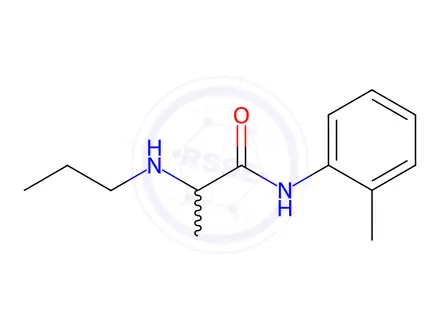
Prilocaine
IN STOCKRS-I093289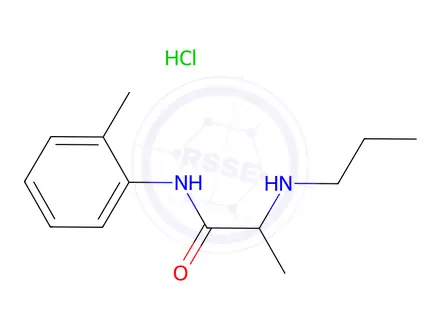
Prilocaine Hydrochloride
IN STOCKRS-Z401DCO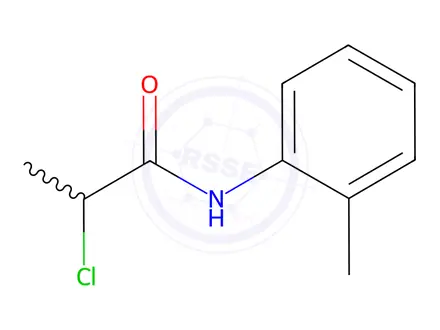
Prilocaine EP Impurity A
IN STOCKRS-P037007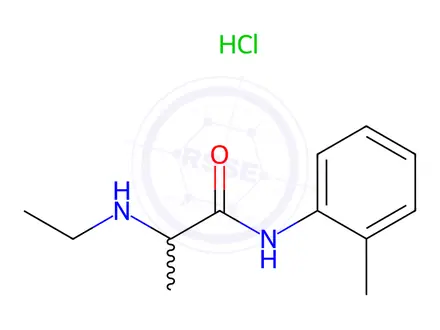
Prilocaine EP Impurity C(Hydrochloride)
IN STOCKRS-P037023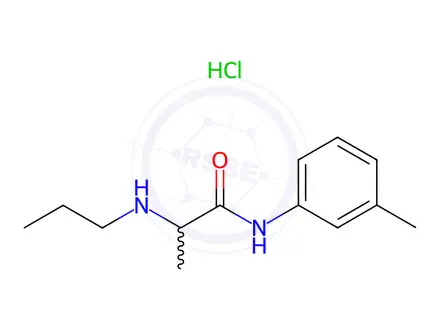
Prilocaine EP Impurity D (HCl Salt)
IN STOCKRS-P037031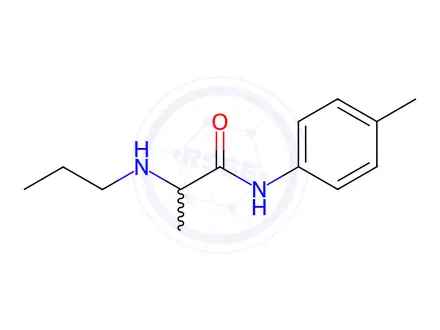
Prilocaine EP Impurity E
IN STOCKRS-P037028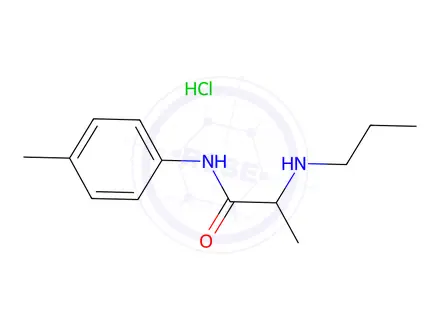
Prilocaine EP Impurity E HCl
IN STOCKRS-Z401IA3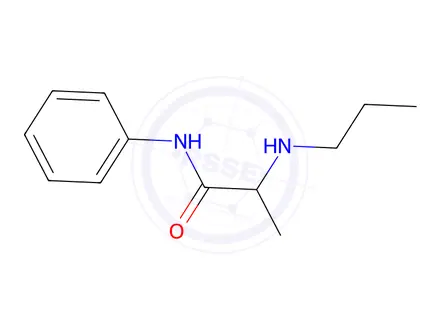
Prilocaine EP Impurity F
IN STOCKRS-P037008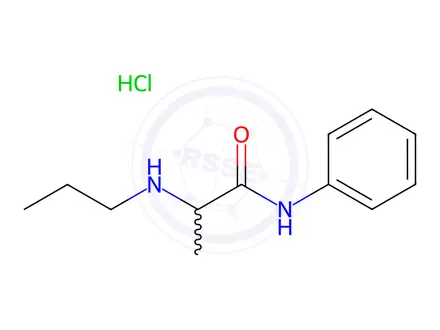
Prilocaine EP Impurity F(Hydrochloride)
IN STOCKRS-P037005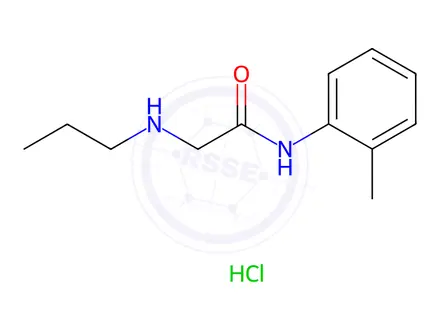
Prilocaine EP Impurity G (HCl Salt)
IN STOCKRS-P037002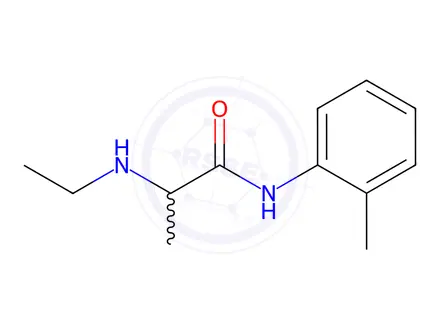
Prilocaine Impurity 3 Monomer(Prilocaine EP Impurity C Monomer)
IN STOCKRS-P037036
Prilocaine Impurity 4 Monomer(Prilocaine EP Impurity D Monomer)
IN STOCKRS-P037040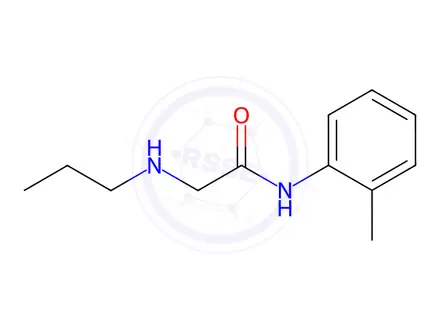
Prilocaine Impurity 7 Monomer (Prilocaine EP Impurity G Monomer)
IN STOCKRS-P037006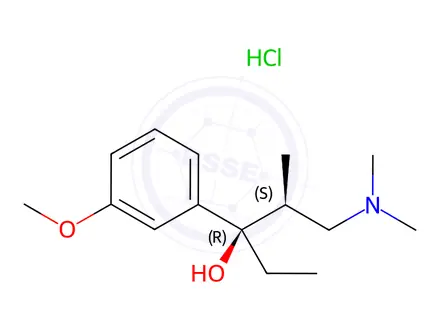
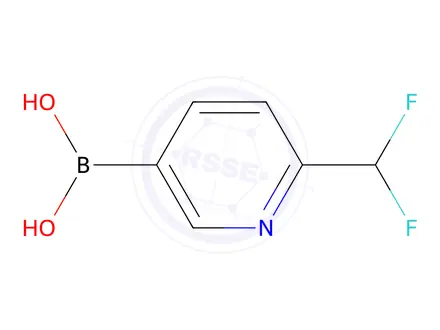
(6-(Difluoromethyl)pyridin-3-yl)boronic acid
IN STOCKRS-Z401FZX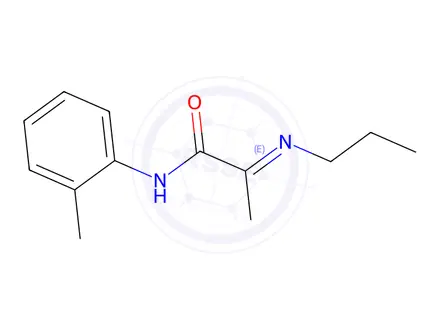
(E)-2-(propylimino)-N-(o-tolyl)propanamide
IN STOCKRS-P037082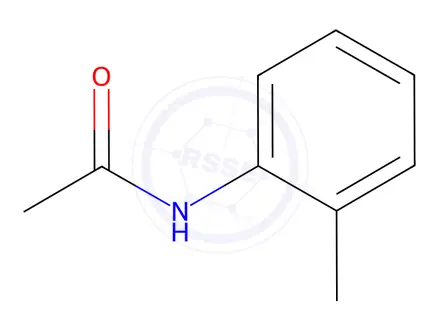
2'-Methylacetanilide
IN STOCKRS-P037003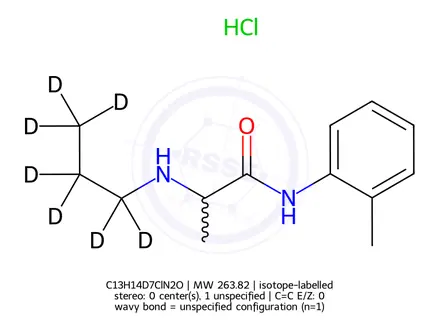
2-((Propyl-d7)amino)-N-(o-tolyl)propanamide hydrochloride
BACK ORDERRS-P037052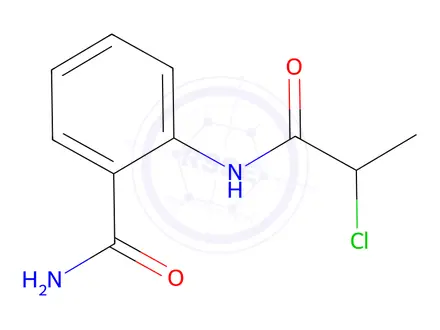
2-[(2-Chloropropanoyl)amino]benzamide
IN STOCKRS-Z412T0E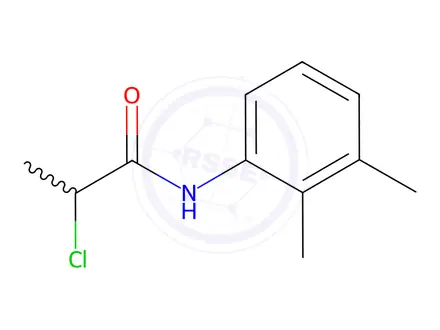
2-chloro-N-(2,3-dimethylphenyl)propanamide
BACK ORDERRS-U071797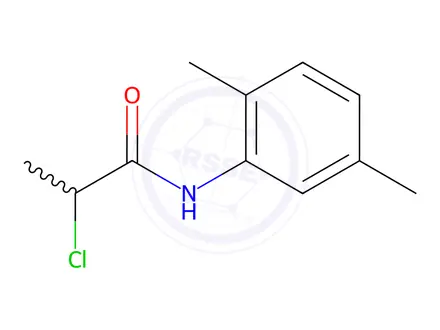
2-chloro-N-(2,5-dimethylphenyl)propanamide
BACK ORDERRS-U071798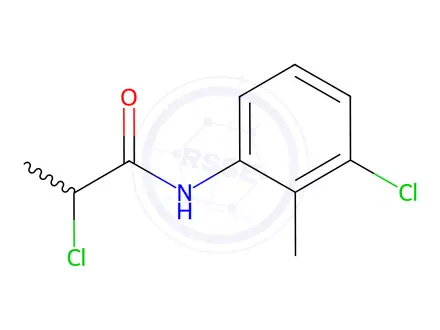
2-Chloro-N-(3-chloro-2-methylphenyl)propanamide
BACK ORDERRS-U071939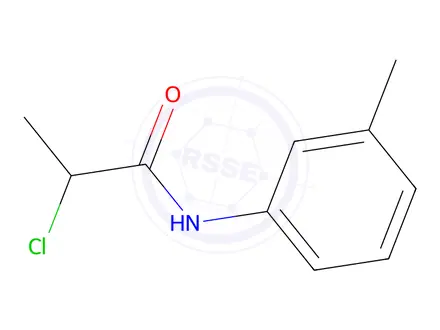
2-chloro-N-(m-tolyl)propanamide
IN STOCKRS-P037083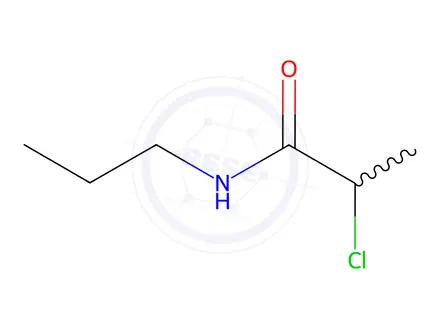
2-chloro-N-propylpropanamide
BACK ORDERRS-U071944
4`-Methylacetanilide
IN STOCKRS-P037001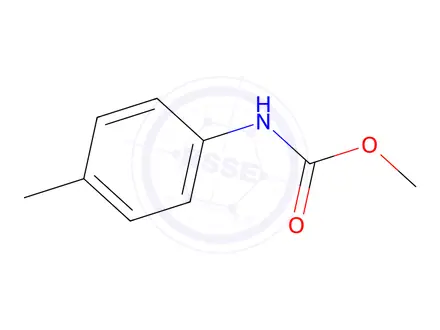
methyl n-(4-methylphenyl)carbamate
IN STOCKRS-Z408ROQ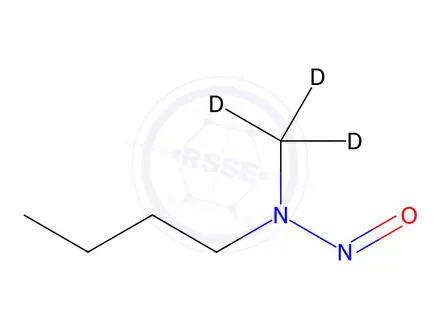
N-Butyl-N-(methyl-d3)nitrous Amide
IN STOCKRS-I091539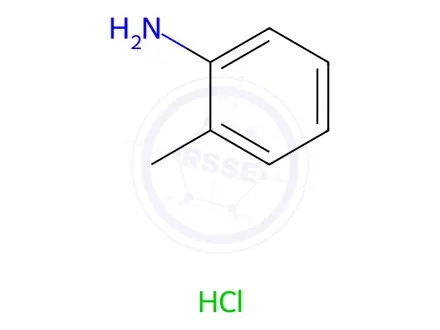
o-Toluidine Chloride
IN STOCKRS-U086204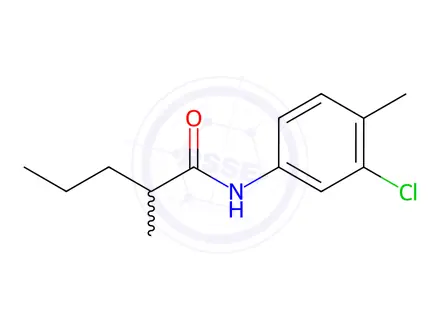
Pentanochlor
IN STOCKRS-M120062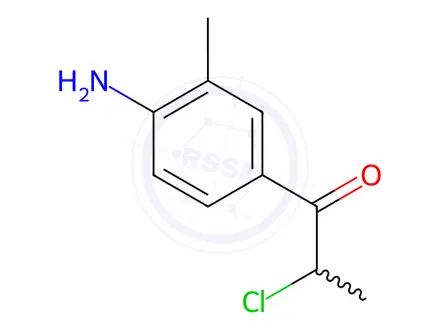
Prilocaine Impurity 1
IN STOCKRS-P037016
Prilocaine Impurity 4
IN STOCKRS-P037017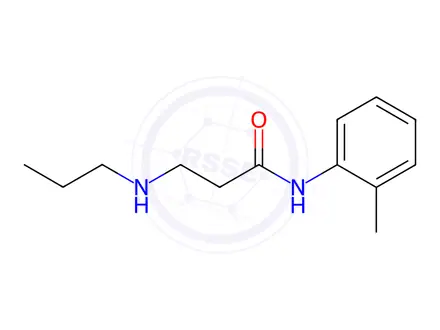
Prilocaine Impurity 7
IN STOCKRS-P037029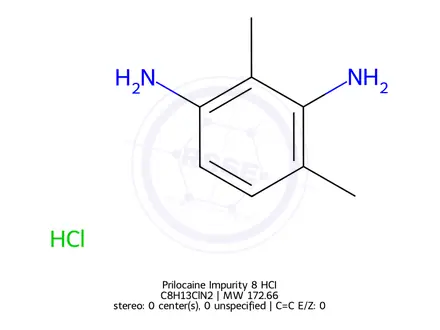
Prilocaine Impurity 8 HCI
CUSTOM SYNTHESISRS-P037098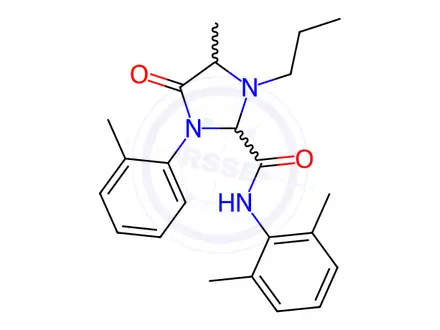
Prilocaine Impurity 10 (RRSSRSSR compound)
IN STOCKRS-P037020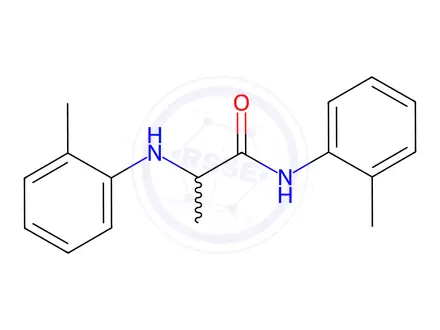
Prilocaine Impurity 12
IN STOCKRS-P037004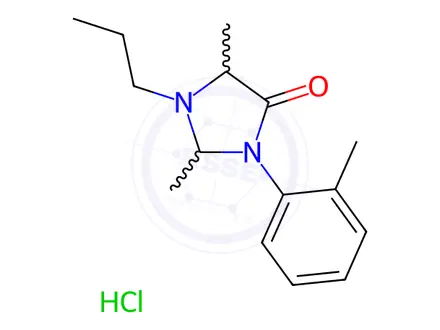
Prilocaine Impurity 19(Hydrochloride)
IN STOCKRS-P037025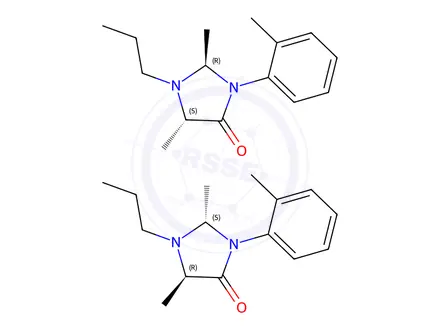
Prilocaine Impurity 21
CUSTOM SYNTHESISRS-P037021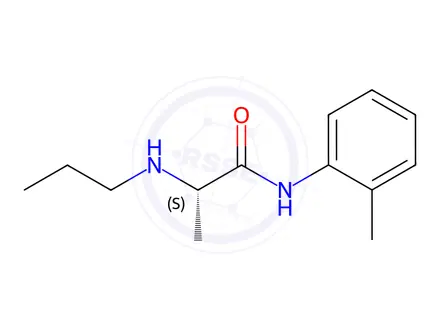
Prilocaine Impurity 28
IN STOCKRS-P037032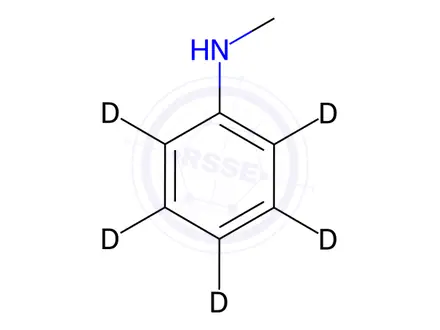
Prilocaine Impurity 32-d5
IN STOCKRS-P037037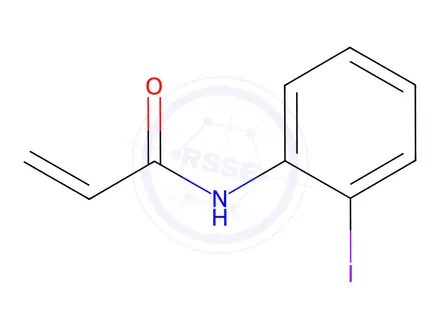
Prilocaine Impurity 37
CUSTOM SYNTHESISRS-P037043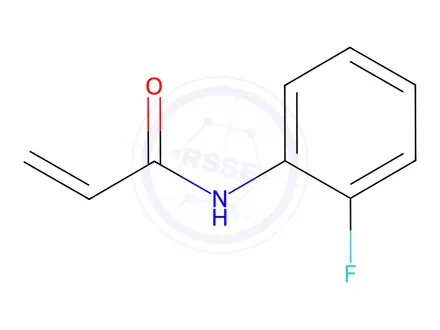
Prilocaine Impurity 38
IN STOCKRS-P037044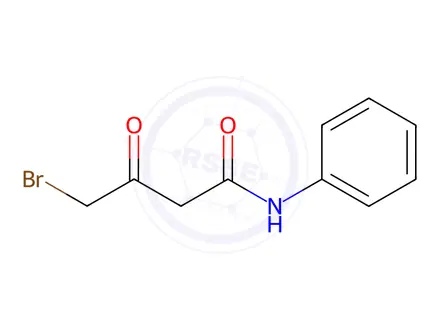
Prilocaine Impurity 40
IN STOCKRS-P037013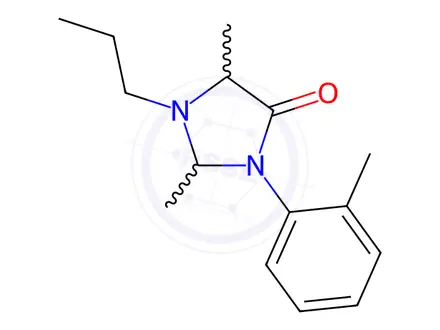
Prilocaine Impurity 44 Monomer
CUSTOM SYNTHESISRS-P037030
Prilocaine Impurity 48
IN STOCKRS-P037042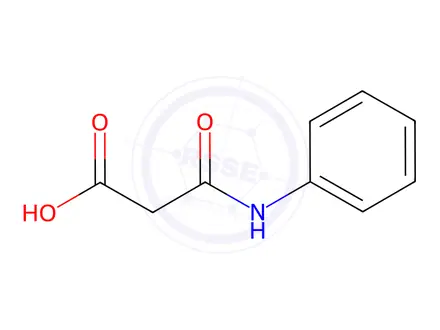
Prilocaine Impurity 52
IN STOCKRS-P037014
Prilocaine Impurity 53 (N-Nitroso Prilocaine Impurity 2 Monomer)
IN STOCKRS-P037045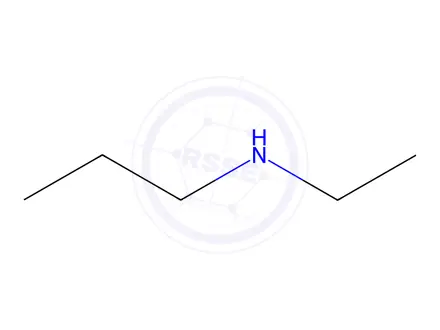
Prilocaine Impurity 58
IN STOCKRS-P037035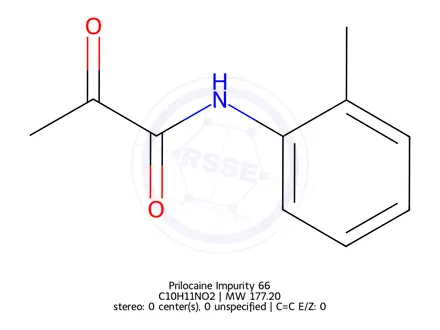
Prilocaine Impurity 66
IN STOCKRS-P037039Prilocaine Impurity 67
IN STOCKRS-P037046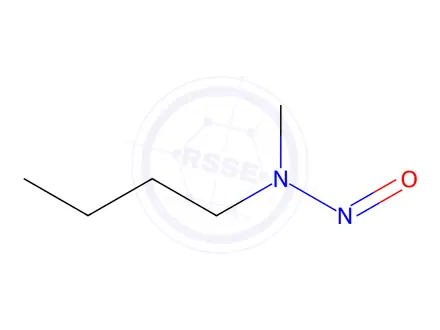
Prilocaine Impurity 71
IN STOCKRS-P037027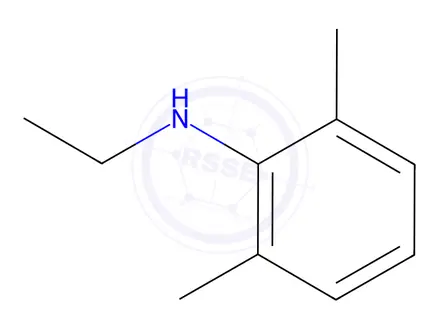
Prilocaine Impurity 75
IN STOCKRS-P037047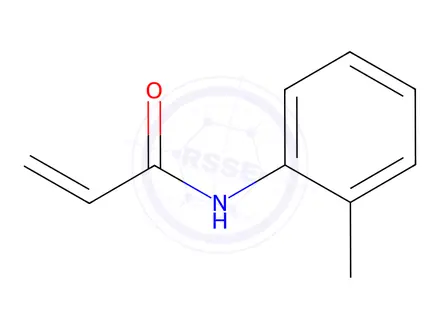
Prilocaine Impurity 76
IN STOCKRS-P037015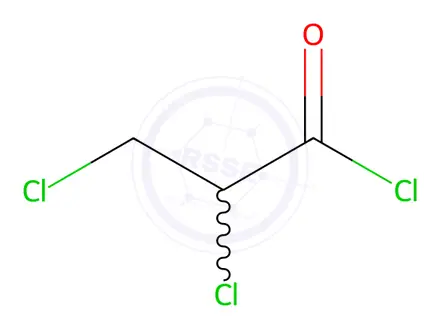
Prilocaine Impurity 77
IN STOCKRS-P037009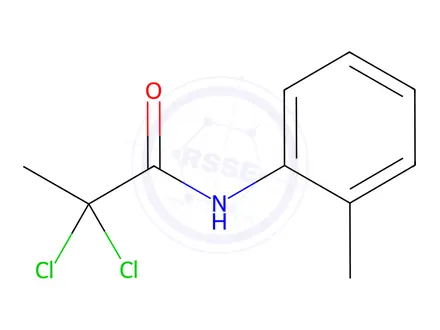
Prilocaine Impurity 78
CUSTOM SYNTHESISRS-P037026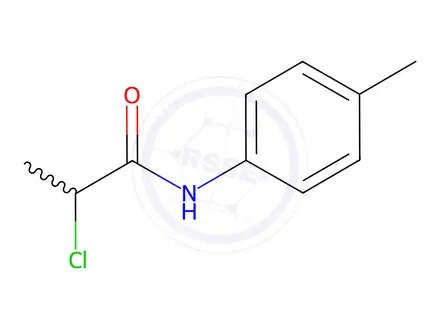
Prilocaine Impurity 79
IN STOCKRS-P037034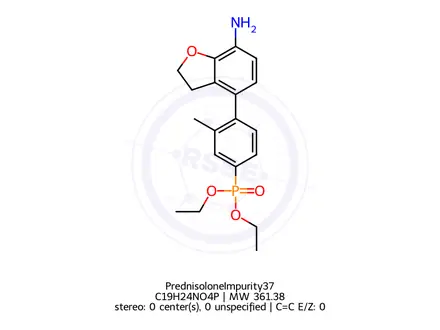
Prilocaine Impurity 80
IN STOCKRS-P037038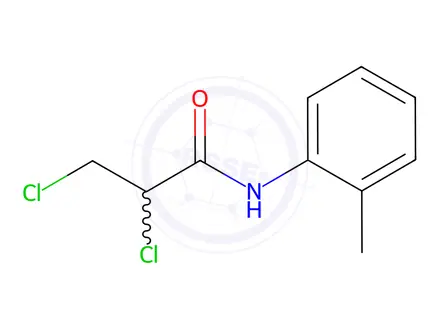
Prilocaine Impurity 82
IN STOCKRS-P037010Prilocaine Impurity 83
CUSTOM SYNTHESISRS-P037012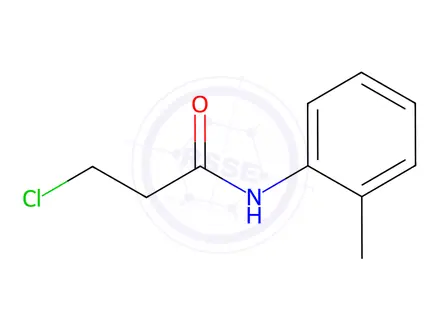
Prilocaine Impurity 84
IN STOCKRS-P037018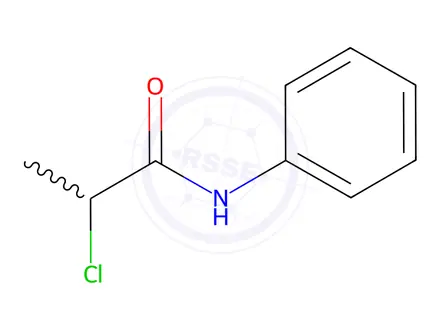
Prilocaine Impurity 85
IN STOCKRS-P037019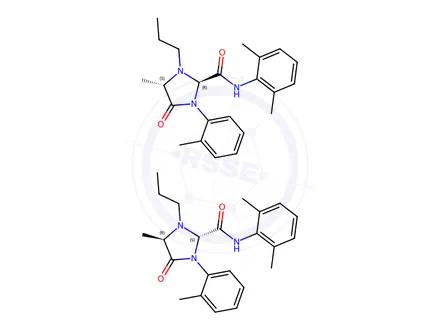
Prilocaine Impurity 86
IN STOCKRS-P037022
Prilocaine Impurity 87
IN STOCKRS-P037024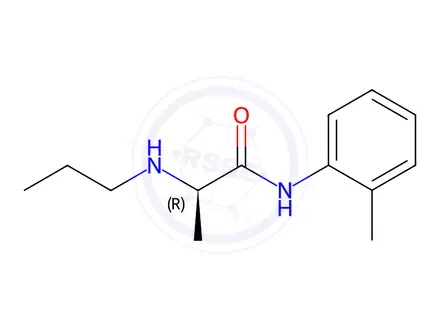
Prilocaine Impurity 88
CUSTOM SYNTHESISRS-P037033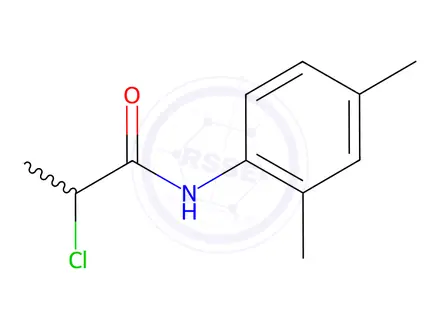
Prilocaine Impurity 101
IN STOCKRS-P037041
Prilocaine Impurity 102
IN STOCKRS-P037051
65 reference standards
Further entries held for Prilocaine
73 entries are held in the catalogue without a structure drawing. Each carries a catalogue number and, where one has been assigned, a CAS number; packing, documentation and price are quoted on enquiry.
- 3-(propylamino)-N-(o-tolyl)propanamide hydrochloride
- Prilocaine EP Impurity B (Prilocaine USP Related Compound A (Free Form))
- Prilocaine EP Impurity B-d9 (Prilocaine USP Related Compound A-d9 (Free Form))
- Prilocaine EP Impurity D HCl
- Prilocaine EP Impurity E HCl (Prilocaine USP Related Compound B HCl)
- Prilocaine EP Impurity G HCl
- Prilocaine for peak identification (Y0001681)
- Prilocaine HCl (Propitocaine HCl)
- prilocaine hydrochloride (497RB)
- Prilocaine hydrochloride (P2939060)
- Prilocaine hydrochloride 13C, 2H3
- Prilocaine Impurities and Related Compound
- Prilocaine Impurity 1 HCl
- Prilocaine Impurity 100
- Prilocaine Impurity 103
- Prilocaine Impurity 11
- Prilocaine Impurity 13
- Prilocaine Impurity 14
- Prilocaine Impurity 16
- Prilocaine Impurity 19; Lidocaine Impurity A
- Prilocaine Impurity 2
- Prilocaine Impurity 20
- Prilocaine Impurity 20
- Prilocaine Impurity 23
- Prilocaine Impurity 24
- Prilocaine Impurity 25
- Prilocaine Impurity 26
- Prilocaine Impurity 30
- Prilocaine Impurity 30 HCl
- Prilocaine Impurity 30 HCl
- Prilocaine Impurity 31 Hydrochloride
- Prilocaine Impurity 33
- Prilocaine Impurity 33
- Prilocaine Impurity 35
- Prilocaine Impurity 35
- Prilocaine Impurity 36
- Prilocaine Impurity 36
- Prilocaine Impurity 4 (HCl salt)
- Prilocaine Impurity 42
- Prilocaine impurity 42
- Prilocaine Impurity 43
- Prilocaine Impurity 46
- Prilocaine Impurity 47
- Prilocaine Impurity 51
- Prilocaine Impurity 54
- Prilocaine Impurity 55
- Prilocaine Impurity 56
- Prilocaine Impurity 57
- Prilocaine Impurity 6
- Prilocaine Impurity 65
- Prilocaine Impurity 69
- Prilocaine Impurity 70
- Prilocaine Impurity 72
- Prilocaine Impurity 73
- Prilocaine Impurity 74
- Prilocaine Impurity 8 DiHCl
- Prilocaine Impurity 81
- Prilocaine Impurity 89
- Prilocaine Impurity 90
- Prilocaine Impurity 91
- Prilocaine Impurity 92
- Prilocaine Impurity 93
- Prilocaine Impurity 94
- Prilocaine Impurity 95
- Prilocaine Impurity 96
- Prilocaine Impurity 97
- Prilocaine Impurity 98
- Prilocaine Impurity 99
- Prilocaine impurity B (Y0001408)
- Prilocaine impurity E (P2939025)
- Prilocaine Related Compound B ((RS)-N-(4-methylphenyl)-2-(propylamino)propanamide) (1561020)
- Prilocaine-D7
- Prilocaine-d7 HCl (Propitocaine-d7 HCl)
Frequently asked
How many Prilocaine-related reference standards do you hold?
Can you supply a Prilocaine impurity that is not listed here?
What documentation is supplied with Prilocaine impurities?
Do you publish prices or a lead time for Prilocaine impurities?
Cannot find the impurity you need? Non-compendial impurities can be quoted from a structure — a CAS number is not required. Write to sales@rssechem.com.