Ritonavir impurities and related standards
Ritonavir is C37H48N6O5S2, 721, a skeleton of four rings, every one of them aromatic, an ester and an amide. The molecule turns about 17 bonds, which is a flexible chain that can adopt several shapes in solution. Four hydrogen-bond donors and nine acceptors put the polar surface at 145.8; cLogP is 5.91. Four stereocentres multiply the number of substances to be accounted for.
The amine takes up carbon dioxide and forms carbamates, and it condenses with any aldehyde in the formulation; both changes are reversible, which is what makes them easy to miss. There is a second family as well. The urea linkage hydrolyses to two amines and carbon dioxide, and the amines are more polar than anything else in the sample. One forced-degradation run rarely explains the whole profile; the route has to be examined separately.
Several aromatic rings give a strong UV response, so detection is not the limiting factor. For Ritonavir, the polar surface is 145.8 and the calculated logP is 5.91. The basic nitrogen keeps the molecule protonated across the acidic pH range. Resolution is the constraint, not sensitivity. The method is normally built around forced degradation: acid, base, peroxide, heat and light, injected separately, with the peaks that grow matched against standards.
For Ritonavir, the lot is released against a CoA that names the tests, the chromatograms and the assigned value.
Sources: DailyMed (US NLM) - NORVIR (ritonavir) tablets, solution and powder label; NIH Clinicalinfo - Ritonavir drug information (pediatric ARV guidelines).
90 reference standards related to Ritonavir held in the RSSE catalogue — pharmacopoeial impurities, non-compendial impurities, metabolites and labelled analogues where available.
In this group: 62 impurity reference standards · 9 fine chemicals · 7 stable isotope labelled standards · 5 general reference standards. CAS numbers are listed for 90 of 90; 90 entries carry a structure drawing.
On this page
N-nitroso (NDSRI) impurities of Ritonavir
The N-nitroso forms held for this substance — the structural class that the ICH M7 nitrosamine framework covers. 2 entries are listed. A CAS number is not required to quote one of them.
90 reference standards
All entries — structure, identifiers and pack sizes

Ritonavir
IN STOCKRS-U019108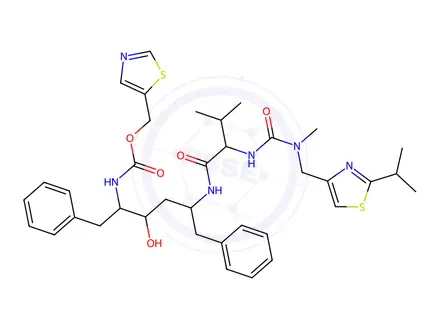
RITONAVIR
BACK ORDERRS-Z401CQ9
Ritonavir EP Impurity A
IN STOCKRS-R011009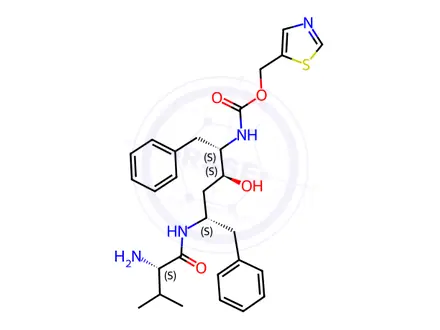
Ritonavir EP Impurity B
IN STOCKRS-R011040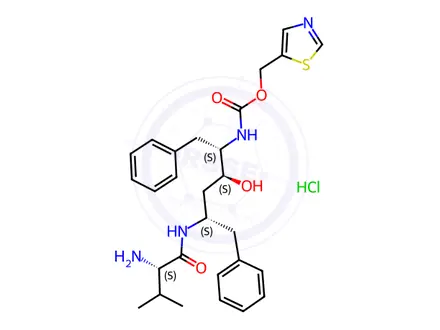
Ritonavir EP Impurity B (Hydrochloride)
BACK ORDERRS-R011013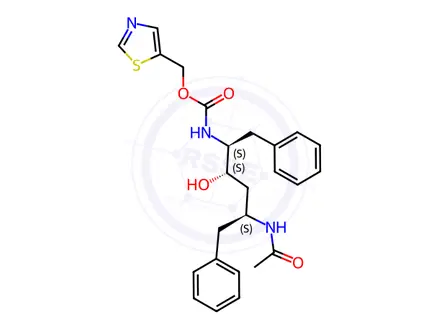
Ritonavir EP Impurity C
IN STOCKRS-R011001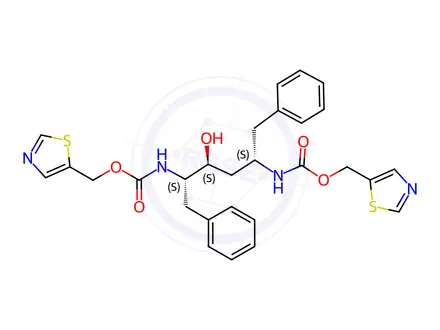
Ritonavir EP Impurity D
IN STOCKRS-R011024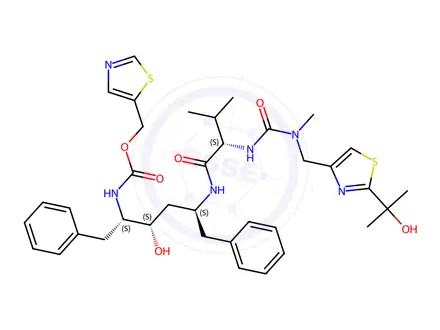
Ritonavir EP Impurity E
IN STOCKRS-R011014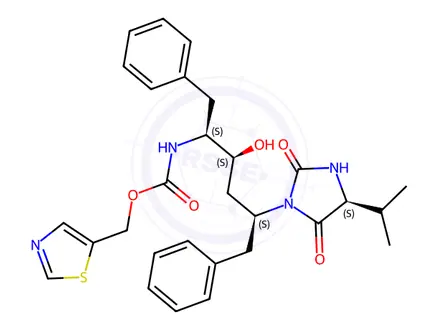
Ritonavir EP Impurity F
IN STOCKRS-R011005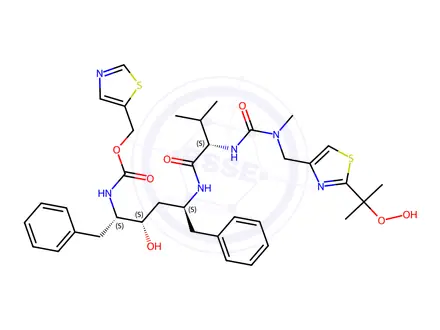
Ritonavir EP Impurity G
IN STOCKRS-R011033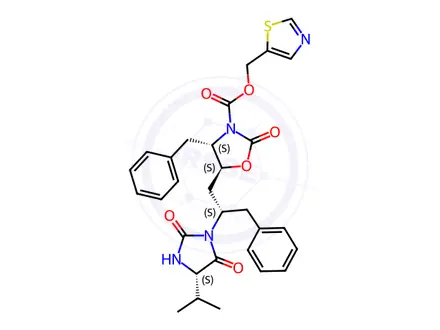
Ritonavir EP Impurity H
BACK ORDERRS-R011003
Ritonavir EP Impurity I
BACK ORDERRS-R011012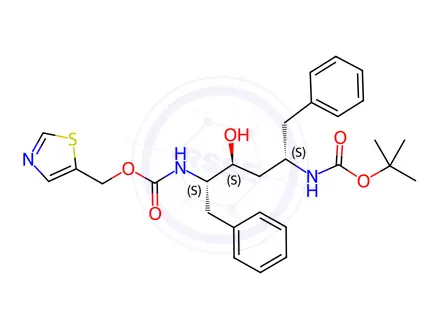
Ritonavir EP Impurity J
IN STOCKRS-R011027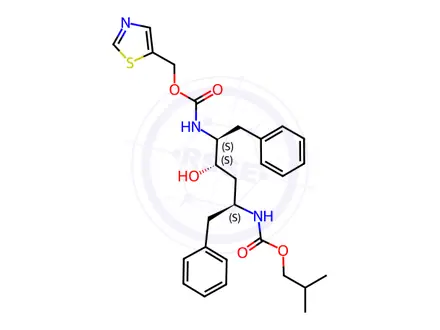
Ritonavir EP Impurity K
IN STOCKRS-R011002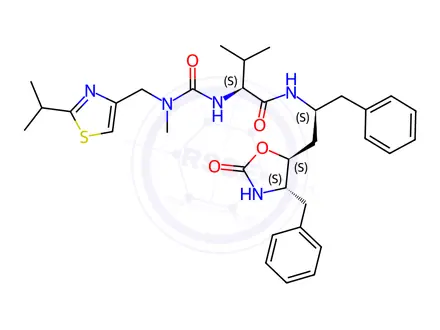
Ritonavir EP Impurity L
IN STOCKRS-R011036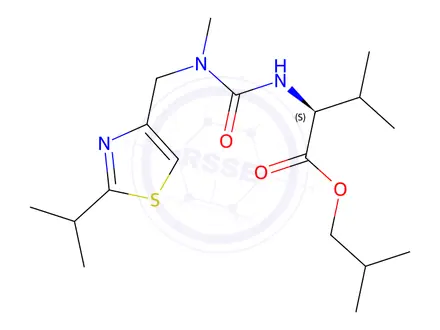
Ritonavir EP Impurity M
IN STOCKRS-R011114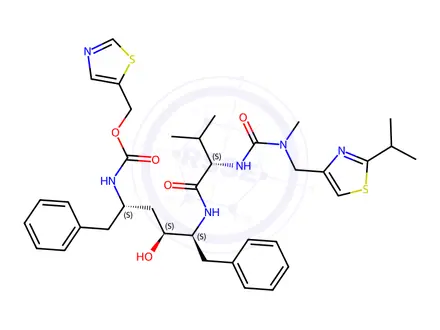
Ritonavir EP Impurity N
CUSTOM SYNTHESISRS-R011032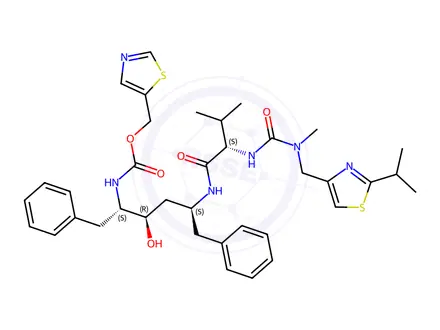
Ritonavir EP Impurity O
IN STOCKRS-R011006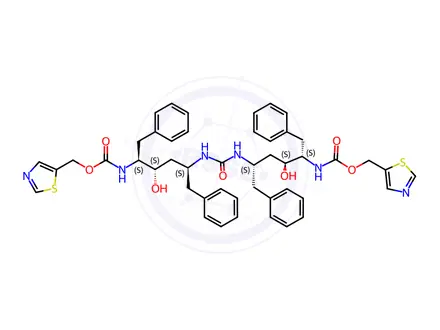
Ritonavir EP Impurity P
IN STOCKRS-R011037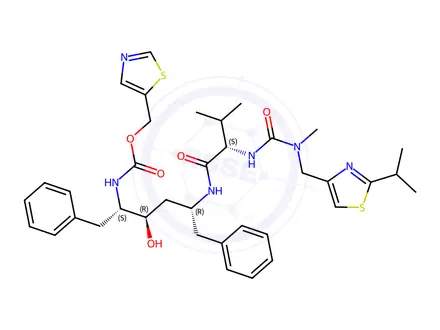
Ritonavir EP Impurity Q
BACK ORDERRS-R011021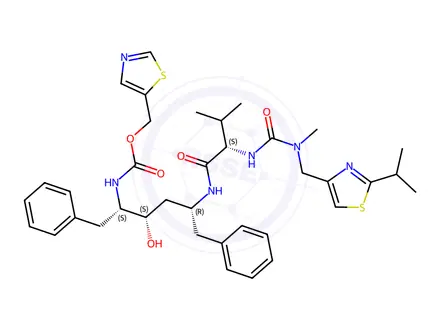
Ritonavir EP Impurity R
BACK ORDERRS-R011020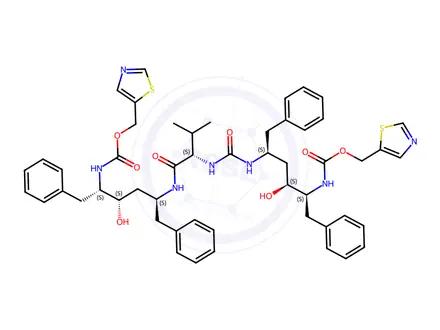
Ritonavir EP Impurity S
IN STOCKRS-R011034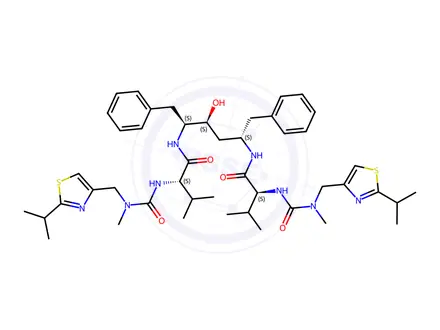
Ritonavir EP Impurity T
IN STOCKRS-R011041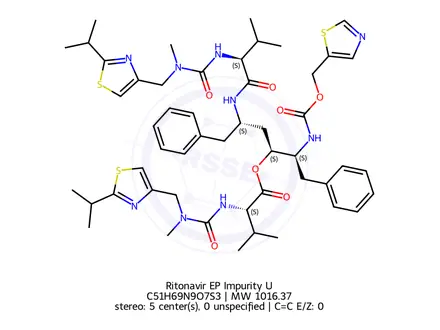
Ritonavir EP Impurity U
BACK ORDERRS-R011060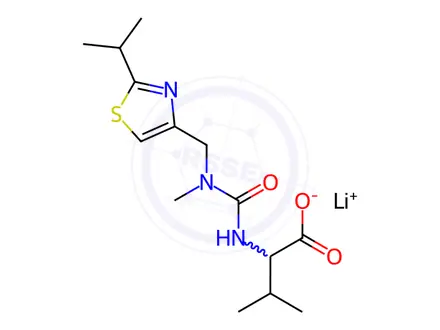
Ritonavir Impurity 1 Lithium Salt (Ritonavir EP Impurity A Lithium Salt)
CUSTOM SYNTHESISRS-R011031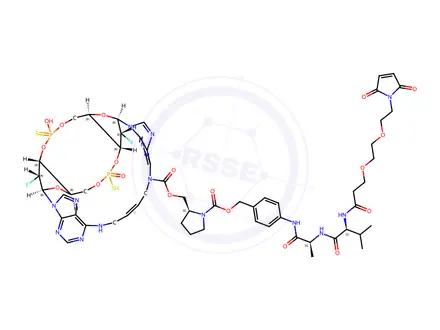
Ritonavir-Impurity M
CUSTOM SYNTHESISRS-R011038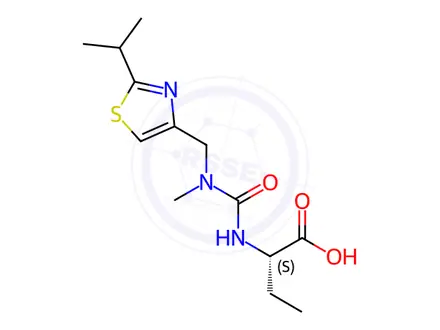
(S)-2-(3-((2-isopropylthiazol-4-yl)methyl)-3-methylureido)butanoic acid
IN STOCKRS-D003003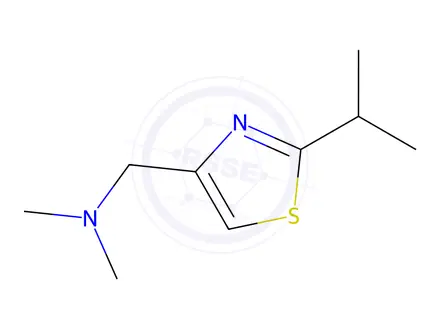
1-(2-Isopropylthiazol-4-yl)-N,N-dimethylmethanamine
IN STOCKRS-U011738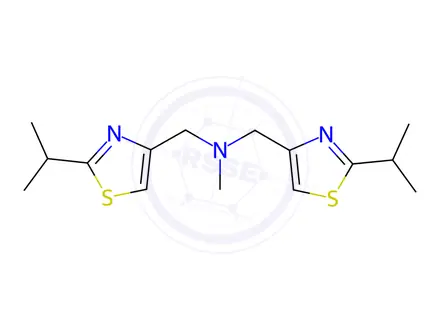
1-(2-Isopropylthiazol-4-Yl)-N-((2-Isopropylthiazol-4-Y
IN STOCKRS-R011047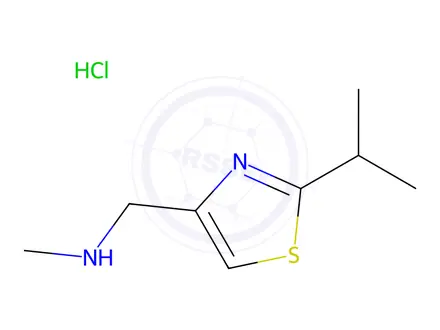
2-Isopropyl-4(((N-methyl)amino)methyl)thiazole hydrochloride
IN STOCKRS-U011341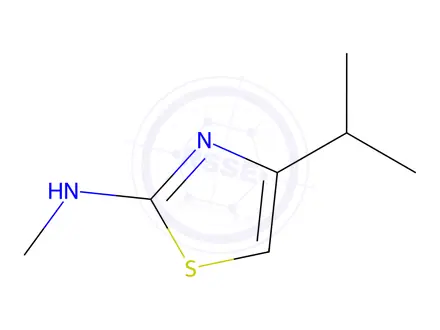
2-methylamino-4-isopropyl thiazole
IN STOCKRS-U053258
2-Methylpropanethioamide
IN STOCKRS-U053078
Bis(thiazol-5-ylmethyl) ((2R,5R)-1,6-diphenylhexane-2,5-diyl)dicarbamate
CUSTOM SYNTHESISRS-D119064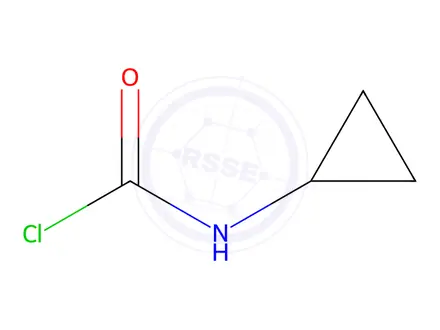
cyclopropylcarbamic chloride
BACK ORDERRS-U045635
des(Isopropylthiazolyl) Ritonavir
BACK ORDERRS-R011046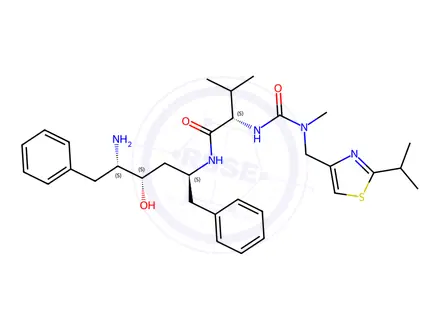
Desthiazolylmethyloxycarbonyl Ritonavir
BACK ORDERRS-R011028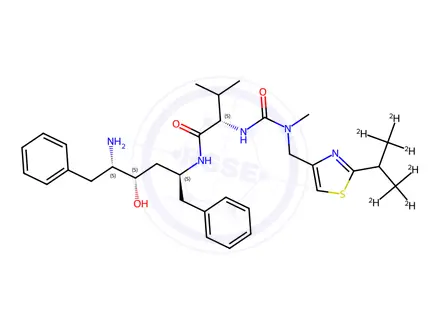
Desthiazolylmethyloxycarbonyl Ritonavir-d6
CUSTOM SYNTHESISRS-R011017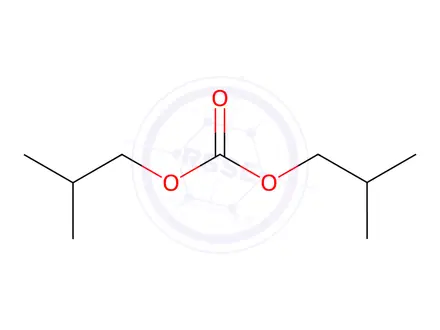
Diisobutyl Carbonate
CUSTOM SYNTHESISRS-U062835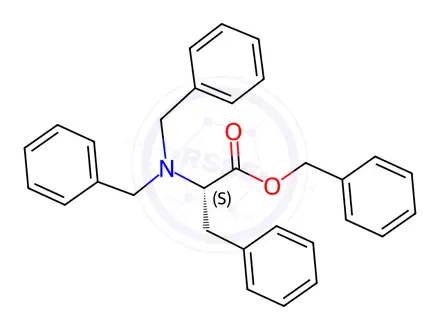
L-N,N-Dibenzylphenylalanine Benzyl Ester
BACK ORDERRS-U017128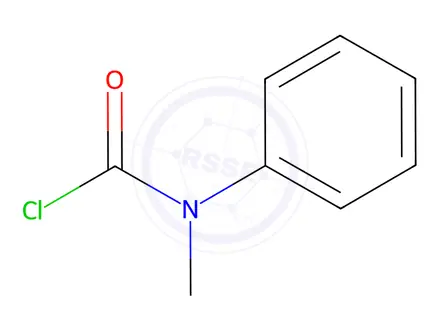
Methyl(phenyl)carbamic chloride
IN STOCKRS-P140194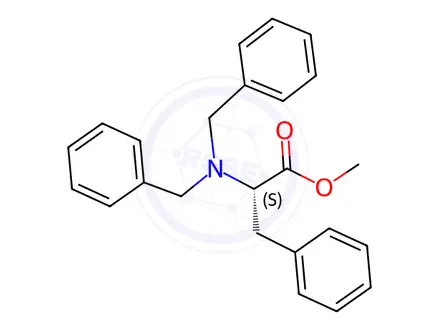
N,N-Dibenzyl-L-phenylalanine Methyl Ester
IN STOCKRS-P025283
N-[[(4-Nitrophenyl)methoxy]carbonyl]-D-valine
IN STOCKRS-Z401LI2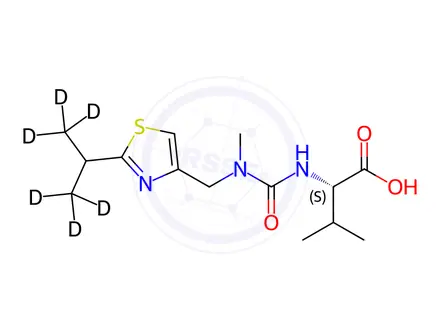
Ritonavir Impurity 1-d6 (Ritonavir EP Impurity A-d6)
IN STOCKRS-I091202![Chemical structure of N-[[N-Methyl-N-[(2-isopropyl-1,1,1,3,3,3-d6]-4-thiazolyl)methyl)amino]carbonyl-L-valine Methyl Ester](/structures/w4/WMOQPDKCUZISQT-ZHKRZWIOSA-N.webp?v=11)
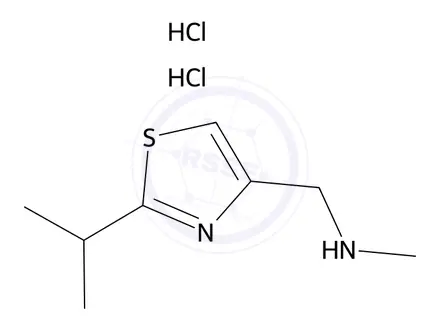
N-Methyl-2-(1-methylethyl)-4-thiazolemethanamine dihydrochloride
IN STOCKRS-Z400L3J
N-Methyl-N-[(2-isopropyl-1,1,1,3,3,3-d6]-4-thiazolyl)methyl)amine, Hydrochloride Salt
CUSTOM SYNTHESISRS-I091151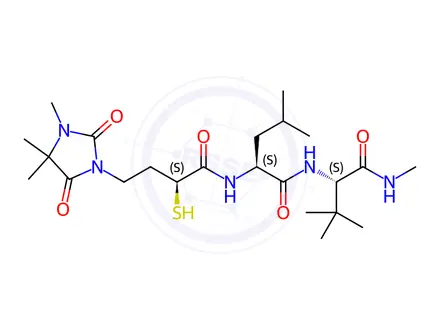
Rebimastat
BACK ORDERRS-R011048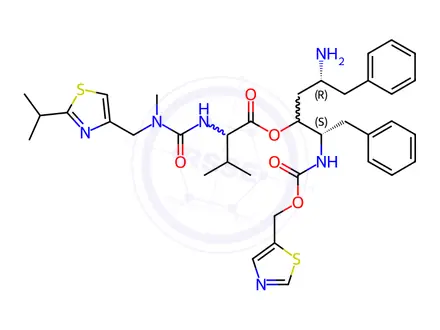
Ritonavir Geo-isomer
BACK ORDERRS-I009281
Ritonavir R-Isomer
BACK ORDERRS-R011049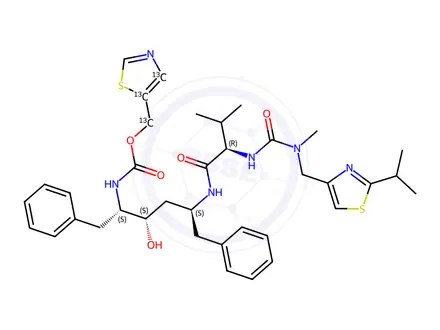
Ritonavir-13C3
BACK ORDERRS-R011016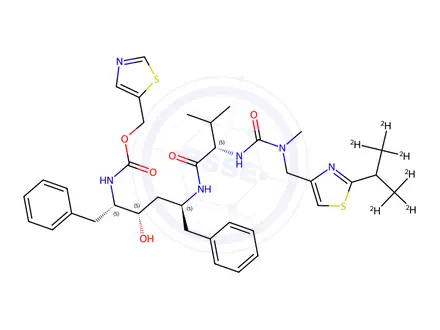
RITONAVIR-D6
BACK ORDERRS-I095056Ritonavir-d6
CUSTOM SYNTHESISRS-Z412MQM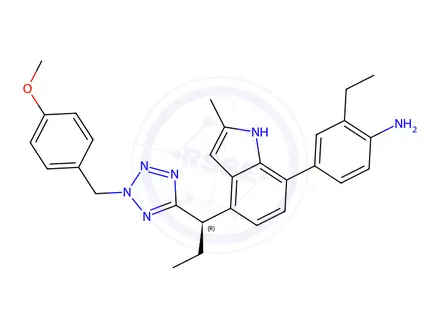
Ritonavir-d8
BACK ORDERRS-R011050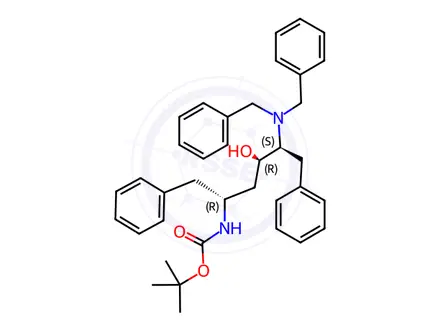
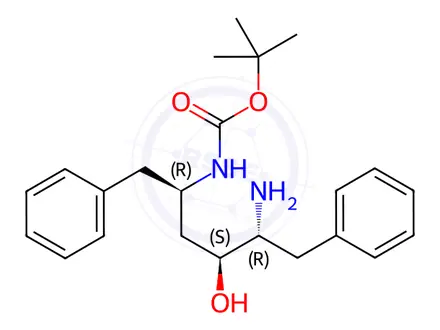
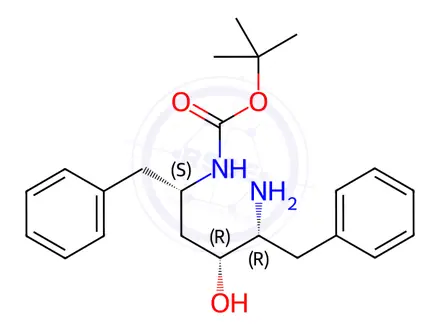
tert-butyl ((2R,4S,5R)-5-amino-4-hydroxy-1,6-diphenylhexan-2-yl)carbamate
CUSTOM SYNTHESISRS-D111048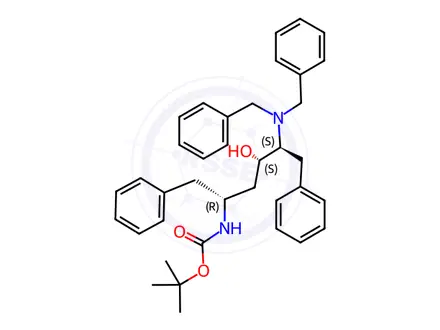
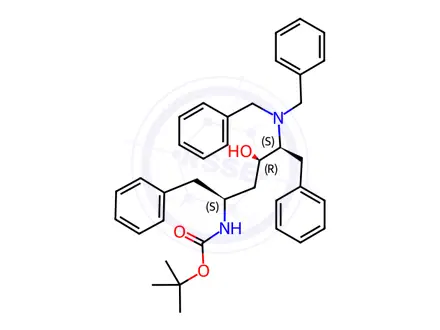
tert-butyl ((2S,4R,5S)-5-(dibenzylamino)-4-hydroxy-1,6-diphenylhexan-2-yl)carbamate
CUSTOM SYNTHESISRS-I013226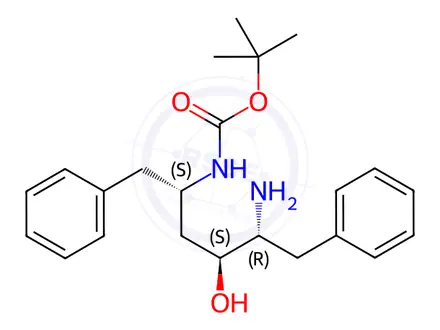
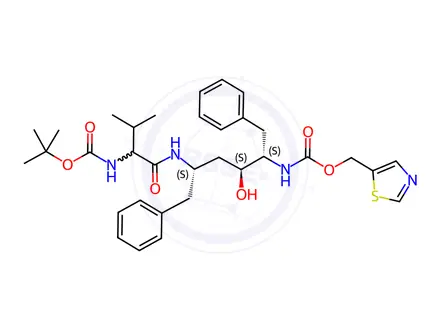
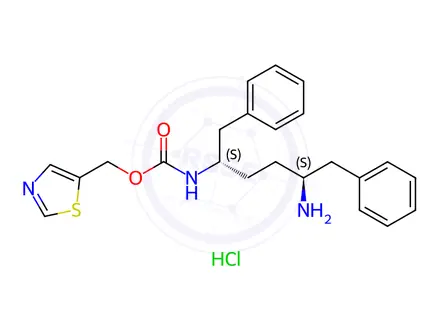
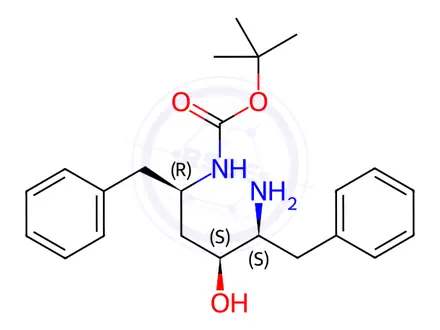
Ritonavir Impurity 6
IN STOCKRS-R011035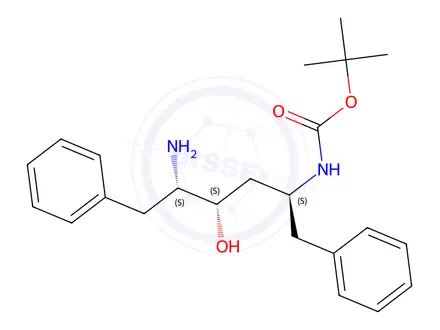
Ritonavir Impurity 32
IN STOCKRS-R011025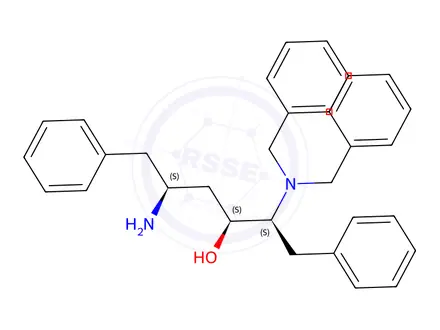
Ritonavir Impurity 33
BACK ORDERRS-R011010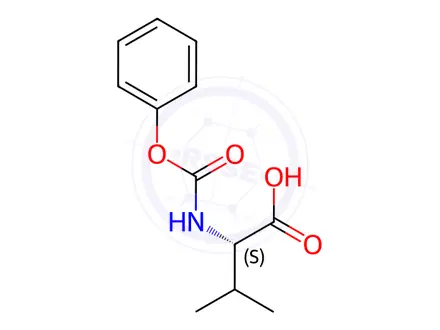
Ritonavir Impurity 34
IN STOCKRS-R011018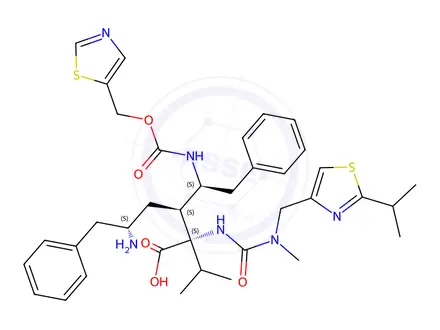
Ritonavir impurity 48
BACK ORDERRS-I001277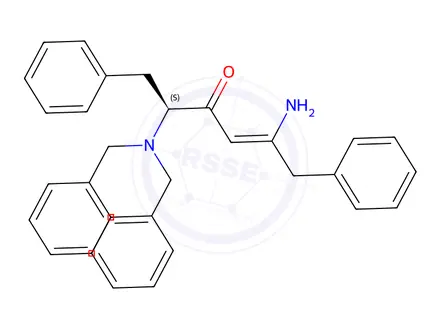
Ritonavir Impurity 49
BACK ORDERRS-Z401BQJ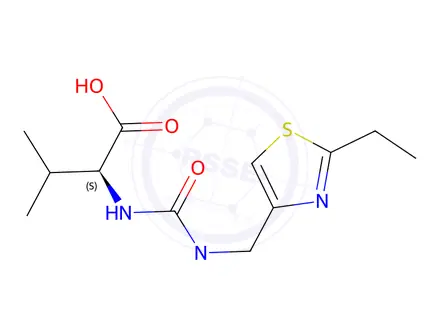
Ritonavir Impurity 54
IN STOCKRS-I001790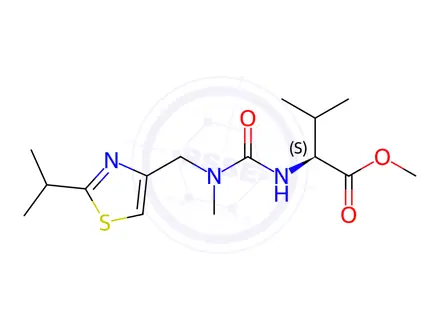
Ritonavir Impurity 55
CUSTOM SYNTHESISRS-R011055
Ritonavir Impurity 60
BACK ORDERRS-R011052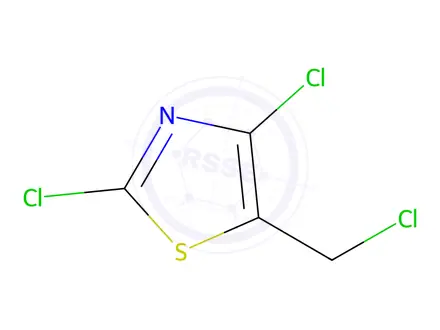
Ritonavir Impurity 62
IN STOCKRS-R011057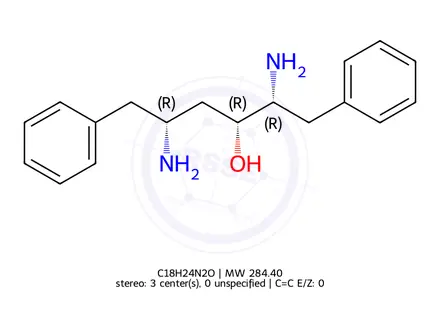
Ritonavir Impurity 73
IN STOCKRS-R011053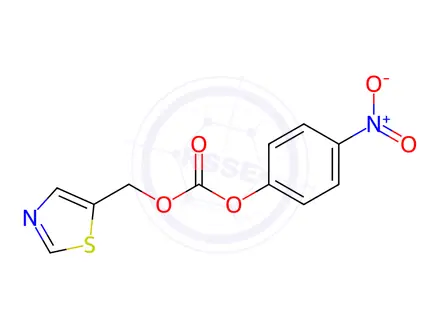
Ritonavir Impurity 78
IN STOCKRS-R011007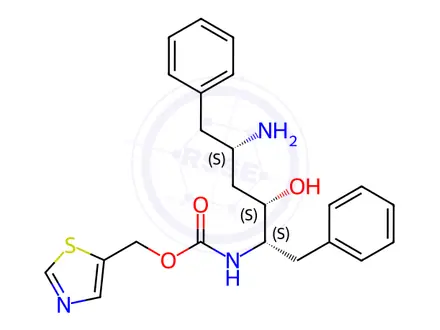
Ritonavir Impurity 79
BACK ORDERRS-R011008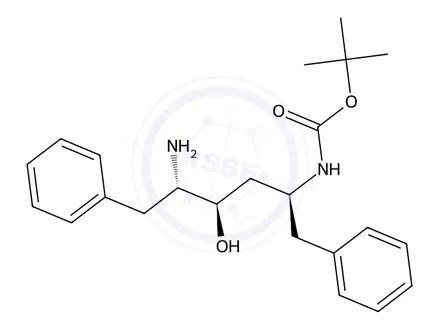
Ritonavir Impurity 80
IN STOCKRS-R011022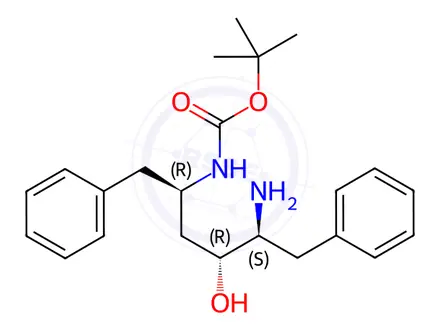
Ritonavir Impurity 81
CUSTOM SYNTHESISRS-R011023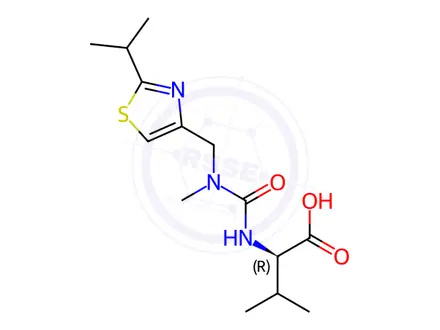
Ritonavir Impurity 82
IN STOCKRS-R011029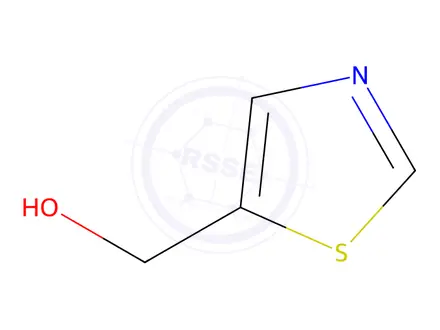
Ritonavir Impurity 83
IN STOCKRS-R011039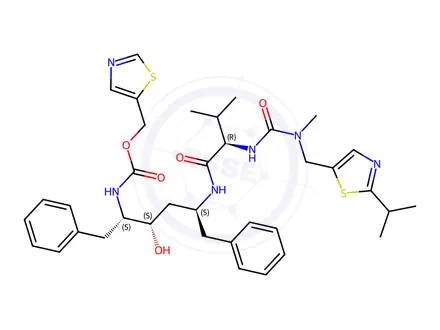
Ritonavir Impurity 85
BACK ORDERRS-R011043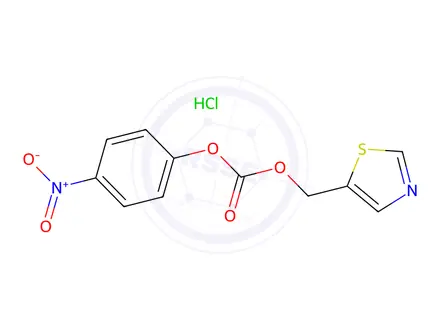
Ritonavir Impurity 86
IN STOCKRS-R011044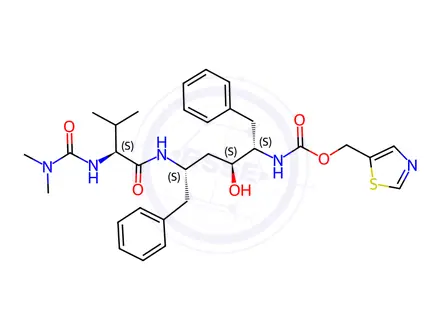
Ritonavir Impurity 87
BACK ORDERRS-R011051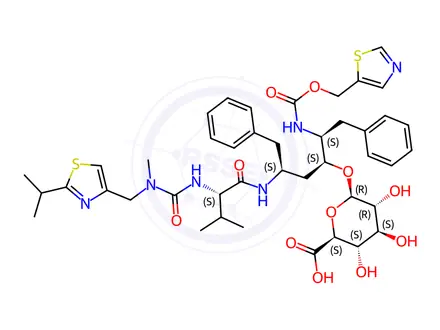
Ritonavir Impurity 88
BACK ORDERRS-R011054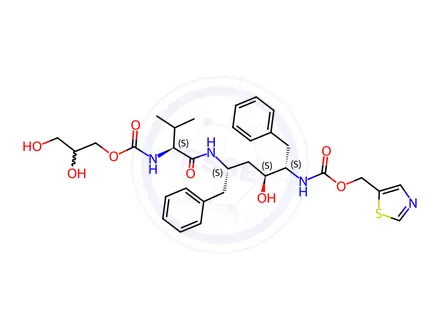
Ritonavir Impurity 92
BACK ORDERRS-R011004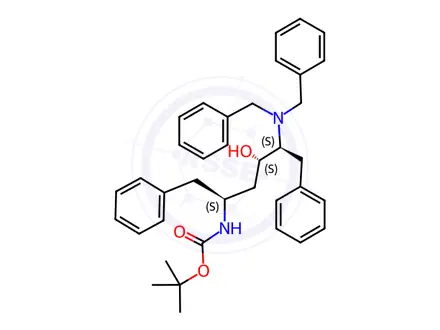
Ritonavir Impurity 93
BACK ORDERRS-R011011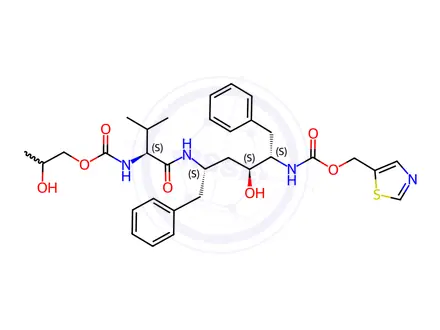
Ritonavir Impurity 94
BACK ORDERRS-R011015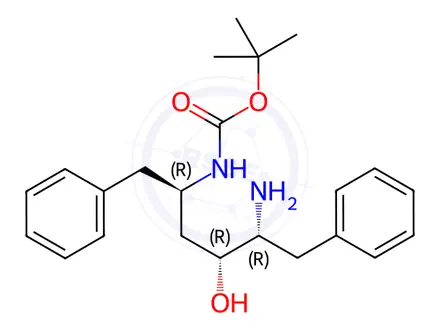
Ritonavir Impurity 95
IN STOCKRS-R011019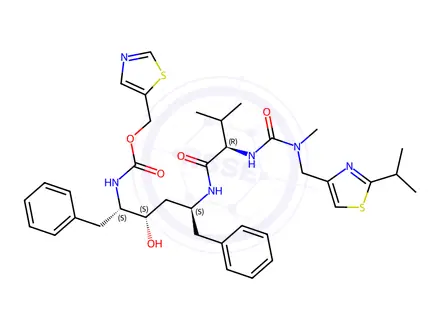
Ritonavir Impurity 96
BACK ORDERRS-R011030Ritonavir Impurity 97
CUSTOM SYNTHESISRS-R011045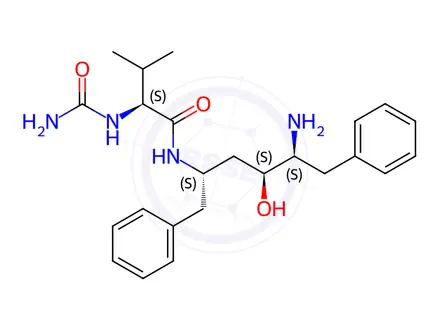
Ritonavir Impurity 98
BACK ORDERRS-R011056
90 reference standards
Further entries held for Ritonavir
142 entries are held in the catalogue without a structure drawing. Each carries a catalogue number and, where one has been assigned, a CAS number; packing, documentation and price are quoted on enquiry.
- (((2-Isopropylthiazol-4-yl)methyl)(methyl)carbamoyl)-L-isoleucine
- (2-Chlorothiazol-5-yl)methyl (4-nitrophenyl) carbonate
- (S)-3-((S)-1-((4S,5S)-4-Benzyl-2-oxooxazolidin-5-yl)-3-phenylpropan-2-yl)-5-isopropylimidazolidine-2,4-dione
- 4-epi-Ritonavir-d6
- Des(isopropylthiazolyl)-N-methyl Ritonavir-d6
- Hydroxy Ritonavir-d3
- Mixture of Hydroxyritonavir, Hydantoin aminoalcohol, Ritonavir and 4-hydroxy Isomer
- Mixture of Ritonavir Isoleucine Analog & Ritonavir EP Impurity R
- Mixture of Ureidovaline and N-Deacylvaline Ritonavir
- Mixture of Ureidovaline and N-Deacylvaline Ritonavir
- O-Acetyl Ritonavir
- Ritonavir (IPRS/10/13)-from IPC
- Ritonavir Amino Alcohol Urea Derivative
- Ritonavir Enantiomer
- Ritonavir EP Impurity A and Ritonavir EP Impurity B Mixture
- Ritonavir EP Impurity B DiHCl
- Ritonavir EP Impurity B HCl (Monoacyl Valine HCl)
- Ritonavir EP Impurity D(Hydrochloride)
- Ritonavir EP Impurity J & Ritonavir EP Impurity K Mixture
- Ritonavir EP Impurity T-D6
- Ritonavir EP Impurity V
- Ritonavir Ethyl Carbamate Analog
- Ritonavir for peak identification (Y0000706)
- Ritonavir Geo-isomer (Hydrochloride)
- Ritonavir Geo-isomer D6 HCl
- Ritonavir Geo-Isomer Hydrochloride
- Ritonavir Geo-isomer TriHCl
- Ritonavir Hydroxypropyl carbamate
- Ritonavir Impurities and Related Compound
- Ritonavir Impurity
- Ritonavir Impurity 1
- Ritonavir Impurity 10
- Ritonavir Impurity 100
- Ritonavir Impurity 101
- Ritonavir Impurity 102
- Ritonavir Impurity 103
- Ritonavir Impurity 104
- Ritonavir Impurity 105
- Ritonavir Impurity 106
- Ritonavir Impurity 107
- Ritonavir Impurity 108
- Ritonavir Impurity 109
- Ritonavir Impurity 11
- Ritonavir Impurity 110
- Ritonavir Impurity 111
- Ritonavir Impurity 112
- Ritonavir Impurity 113
- Ritonavir Impurity 114
- Ritonavir Impurity 115
- Ritonavir Impurity 116
- Ritonavir Impurity 117
- Ritonavir Impurity 118
- Ritonavir Impurity 119
- Ritonavir Impurity 12
- Ritonavir Impurity 12
- Ritonavir Impurity 120
- Ritonavir Impurity 121
- Ritonavir Impurity 122
- Ritonavir Impurity 123
- Ritonavir Impurity 124
- Ritonavir Impurity 125
- Ritonavir Impurity 126
- Ritonavir Impurity 127
- Ritonavir Impurity 13
- Ritonavir Impurity 13 (Ritonavir EP Impurity M)
- Ritonavir Impurity 14
- Ritonavir Impurity 15
- Ritonavir Impurity 16
- Ritonavir Impurity 16 (Ritonavir EP Impurity P)
- Ritonavir Impurity 17
- Ritonavir Impurity 18
- Ritonavir Impurity 19
- Ritonavir Impurity 2
- Ritonavir Impurity 20
- Ritonavir Impurity 21 (Ritonavir EP Impurity U)
- Ritonavir Impurity 23
- Ritonavir Impurity 24
- Ritonavir Impurity 29 xHCl
- Ritonavir Impurity 29-d6
- Ritonavir Impurity 3
- Ritonavir Impurity 36
- Ritonavir Impurity 36
- Ritonavir Impurity 38
- Ritonavir Impurity 38
- Ritonavir Impurity 39
- Ritonavir Impurity 40
- Ritonavir Impurity 40
- Ritonavir Impurity 40
- Ritonavir Impurity 41
- Ritonavir Impurity 41
- Ritonavir Impurity 41
- Ritonavir Impurity 41
- Ritonavir Impurity 42
- Ritonavir Impurity 42
- Ritonavir Impurity 42(Hydrochloride)
- Ritonavir Impurity 45
- Ritonavir Impurity 46
- Ritonavir Impurity 48
- Ritonavir Impurity 48
- Ritonavir Impurity 49
- Ritonavir Impurity 5
- Ritonavir Impurity 50
- Ritonavir Impurity 50
- Ritonavir Impurity 50 Monomer
- Ritonavir Impurity 51
- Ritonavir Impurity 51
- Ritonavir Impurity 52
- Ritonavir Impurity 52
- Ritonavir Impurity 53
- Ritonavir Impurity 53
- Ritonavir Impurity 54
- Ritonavir Impurity 57
- Ritonavir Impurity 58
- Ritonavir Impurity 61
- Ritonavir Impurity 64
- Ritonavir Impurity 66
- Ritonavir Impurity 66
- Ritonavir Impurity 68
- Ritonavir Impurity 7
- Ritonavir Impurity 70
- Ritonavir Impurity 71
- Ritonavir Impurity 72
- Ritonavir Impurity 75
- Ritonavir Impurity 76
- Ritonavir Impurity 77
- Ritonavir Impurity 8
- Ritonavir Impurity 89
- Ritonavir Impurity 9
- Ritonavir Impurity 90
- Ritonavir Impurity 91
- Ritonavir Impurity 99
- Ritonavir Impurity G (Hydroperoxide Impurity)
- Ritonavir Impurity J + K (Mixture of Boc-Amino Alcohol and Isobutoxy Carbonyl Amino Alcohol
- Ritonavir Impurity V
- Ritonavir Intermediate D6
- Ritonavir Isoleucine Analog
- Ritonavir O-Acyl Isomer HCl
- Ritonavir Related Compound Mixture
- Ritonavir Related Compounds Mixture
- Ritonavir Ureidovaline Isobutyl Ester
- Ritonavir-13C-D3
- Ritonavir-Impurity U
Frequently asked
How many Ritonavir-related reference standards do you hold?
Can you supply a Ritonavir impurity that is not listed here?
What documentation is supplied with Ritonavir impurities?
Do you publish prices or a lead time for Ritonavir impurities?
Cannot find the impurity you need? Non-compendial impurities can be quoted from a structure — a CAS number is not required. Write to sales@rssechem.com.